★ ics- : surrounded range
economics
acoustics : the way that sound is heard in a room, as a result of the room’s shape
and size
mathematics
★ assembly : a part of a government consisting of people who have been elected to make laws
★ contr- : against
controversial
control
★ fid- : trust
infidelity
Fido Dido is a cartoon character.
Deus ex machina
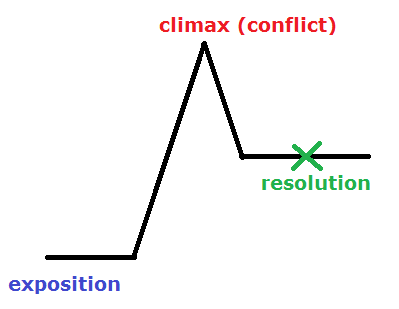
Deus ex machina is a Latin calque from Greek ἀπὸ μηχανῆς θεός (apò mēkhanês theós), meaning "god from the machine". The term has evolved to mean a plot device whereby a seemingly unsolvable problem is suddenly and abruptly resolved by the contrived and unexpected intervention of some new event, character, ability or object. Depending on how it is done, it can be intended to move the story forward when the writer has "painted himself into a corner" and sees no other way out, to surprise the audience, to bring the tale to a happy ending, or as a comedic device.
Deus ex machina in classical theatre
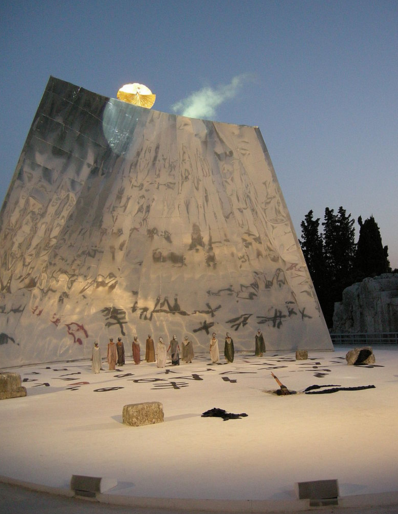
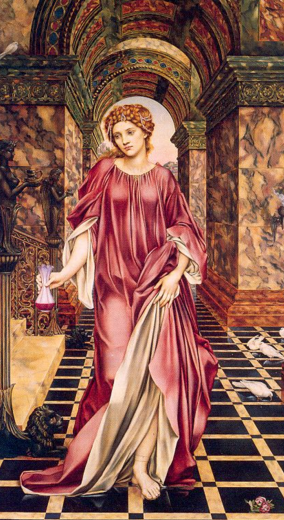
In Corinth, Jason abandoned Medea for the king's daughter, Glauce. Medea took her revenge by sending Glauce a dress and golden coronet, covered in poison. This resulted in the deaths of both the princess and the king, Creon, when he went to save her. It is said that two of her sons, Mermeros and Pheres, helped their mother's revenge and were murdered by Corinthians for their crime. According to the tragic poet Euripides, Medea continued her revenge, murdering her two children Tisander and Alcimenes. Only one son, Thessalus, survived. Afterward, she left Corinth and flew to Athens in a golden chariot driven by dragons sent by her grandfather Helios, god of the sun.
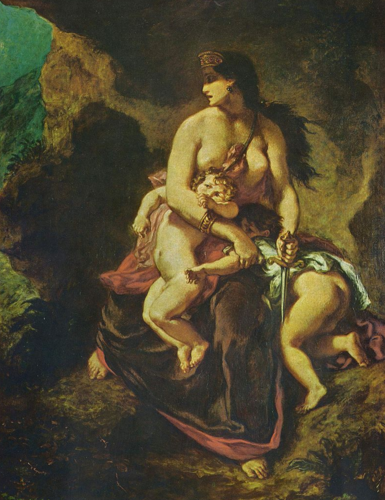
⇑ about to murder her children
限會員,要發表迴響,請先登入


