The way of definition
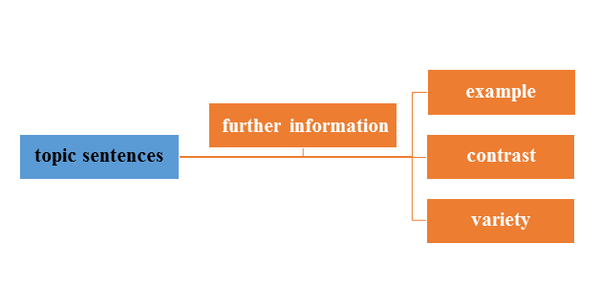
When we have to define something, try to give the topic sentences, and then explain further information, such as some examples, contrasts, as well as varieties.
Drama
a. Drama is the specific mode of narrative, typically fictional, represented in performance,
and performed by actors on a stage before an audience.
b. Drama is often combined with music and dance.
Tragedy
a. Tragedy is a form of drama based on human suffering that invokes an accompanying *catharsis or pleasure in audiences.
*Catharsis is the purification and purgation of emotions—especially pity and fear—through art or any extreme change in emotion that results in renewal and restoration. It is a metaphor originally used by Aristotle in the Poetics, comparing the effects of tragedy on the mind of spectator to the effect of a cathartic on the body.
b. From its origins in the theatre of ancient Greece 2500 years ago, from which there survives only a fraction of the work of Aeschylus, Sophocles and Euripides.
Euripides
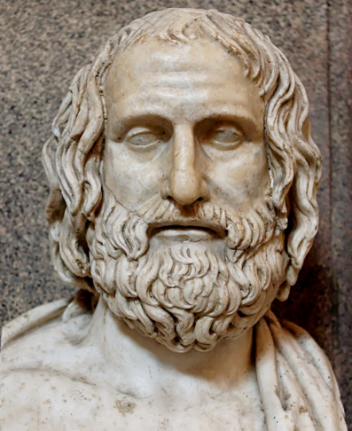
a. the youngest in a set of three great tragedians who were almost contemporaries
b. Euripides is identified with theatrical innovations that have profoundly influenced drama down to modern times, especially in the representation of traditional, mythical heroes as ordinary people in extraordinary circumstances. This new approach led him to pioneer developments that later writers adapted to comedy, some of which are characteristic of romance.
c. Yet he also became "the most tragic of poets", focusing on the inner lives and motives of his characters in a way previously unknown.
Sophocles
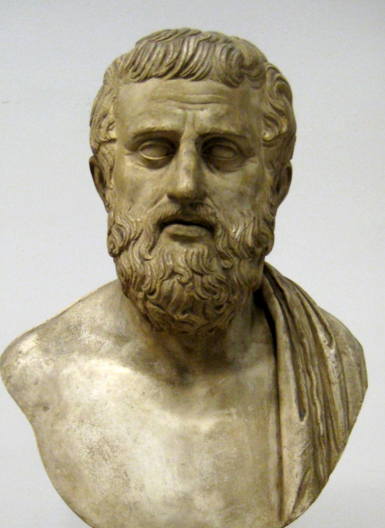
a. The most famous tragedies of Sophocles feature Oedipus and also Antigone.
b. Sophocles influenced the development of the drama, most importantly by adding a third actor, thereby reducing the importance of the chorus in the presentation of the plot. He also developed his characters to a greater extent than earlier playwrights such as Aeschylus.
Aeschylus
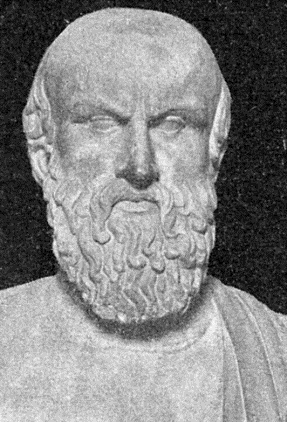
a. He is often described as the father of tragedy.
b. According to Aristotle, he expanded the number of characters in plays to allow conflict among them whereas characters previously had interacted only with the chorus.
c. The Persians, is the only surviving classical Greek tragedy concerned with contemporary events (very few of that kind were ever written) and a useful source of information about its period.
Thespis
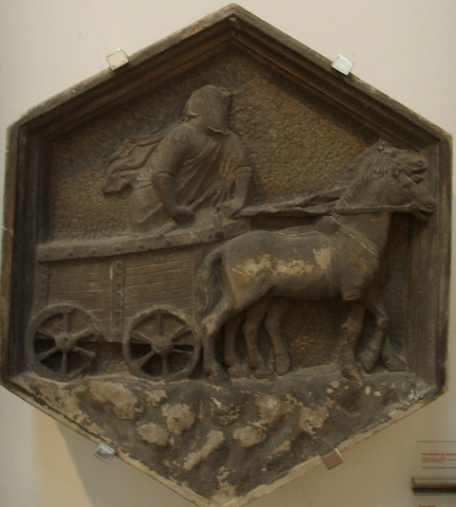
According to certain Ancient Greek sources and especially Aristotle, was the first person ever to appear on stage as an actor playing a character in a play. In other sources, he is said to have introduced the first principal actor in addition to the chorus.
He is credited with introducing a new style in which one singer or actor performed the words of individual characters in the stories, distinguishing between the characters with the aid of different masks.
This new style was called tragedy, and Thespis was the most popular exponent of it. Eventually, in 534 BC competitions to find the best tragedy were instituted at the City Dionysia in Athens, and Thespis won the first documented competition. Capitalizing on his success, Thespis also invented theatrical touring; he would tour various cities while carrying his costumes, masks and other props in a horse-drawn wagon.
Goddess Athena
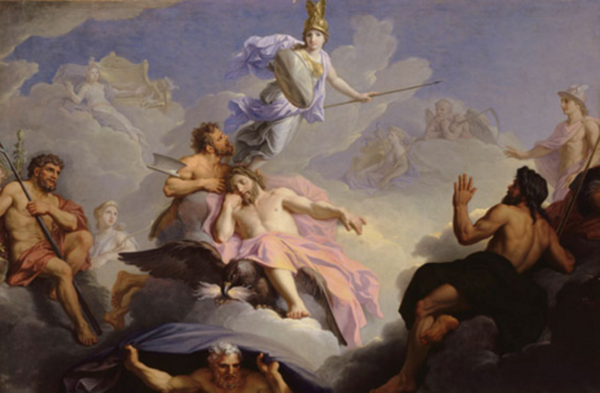
When Zeus married his first wife, the Oceanid Metis, Metis soon became pregnant. According to a prophecy at that time, Metis would bear a son who would pose a severe threat to Zeus. So, right after Metis revealed her pregnancy, Zeus swallowed his child fearfully in order to protect his kingdom.
Nine months passed by and then suddenly Zeus started feeling a strong pain in his head and asked the Gods' smith Hephaestus to comfort him. Hephaestus obeyed and opened Zeus' head with an ax without hurting him. All of a sudden, goddess Athena sprang out of Zeus' head. She was already an adult, wearing armor with a shield in her hands and uttering warlike cries!
From the first moment goddess Athena came into the world, she won the heart of Zeus and became his favorite child. However, she never received a mother's care. That's why she inevitably possessed more masculine than feminine attributes.
Goddess Thyone
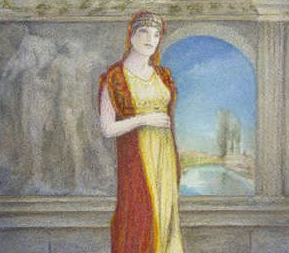
Semele was a princess of Thebes in Greek mythology, daughter of the hero Cadmus and Harmonia. She was the only mortal to become the parent of a god.
Zeus fell in love with Semele while watching her sacrifice a bull on his altar and visited her many times afterwards. When Semele became pregnant, Hera found out and jealous of her husband's affair, set out a plan to punish Semele. Hera appeared in a different form to Semele and they became friends; Semele later confided to the goddess about her affair with Zeus, but Hera made her doubt about it. So, Semele decided to ask Zeus to grant her a wish, and he took an oath on the river Styx that he would give her anything. She asked that he appear to her in all his glory; Zeus was forced to comply. However, mortals could not look upon Zeus without bursting into flames, which is what happened to Semele. Zeus managed to save the unborn baby by sewing it inside his thigh; a few months later, god Dionysus was born, who managed to save his mother from the Underworld and brought her to Mount Olympus, where she became the goddess Thyone.
Vocabulary
a. vulnerable:
adjective able to be easily physically, emotionally, or mentally hurt, influenced, or attacked
vulnerability

✦ In the novel, The Great Gatsby, there is a beautiful line as below,
“In my younger and more vulnerable years my father gave me some advice that I’ve been turning over in my mind ever since.”
b. nov - related to “new”
innovation : a new idea, method, piece of equipment etc.
renovation : repairs and the action of repairing
novel : as an adjective, it means new and original.
c. voc – to call
invoke : to call upon (an agent, esp God or another deity) for help, inspiration, etc. or to use a law or rule in order to achieve something
provoke : to cause a reaction, especially a negative one
d. para – related to “parallel”
paradox : a situation or statement that seems impossible or is difficult to understand because it contains two opposite facts or characteristics
its adjective paradoxical
parachute :

parabola : a curve that is similar in shape to the rising and falling path of an object that
is thrown into the air
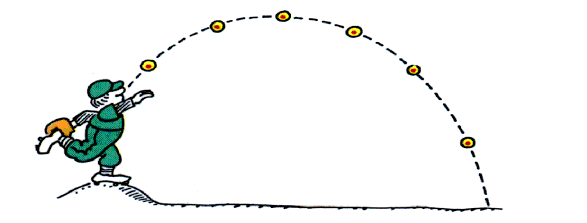
parabolic
限會員,要發表迴響,請先登入


