.
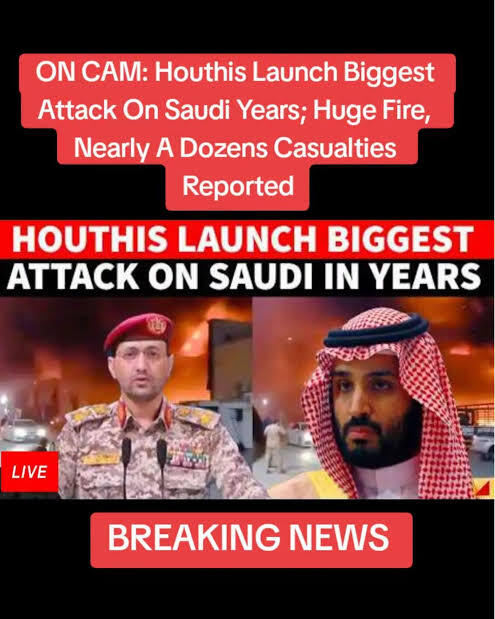

.胡賽武裝部隊攻擊沙烏地阿拉伯 愈戰愈猛為什麼?.
沙烏地阿拉伯已經派遣政府軍,準備反攻胡賽武裝部隊,王儲薩抐曼親王表示巴基斯坦已經同意出兵協助作戰至於美國總統川普表示會派遣軍事顧問協助沙烏地阿拉伯.....
..

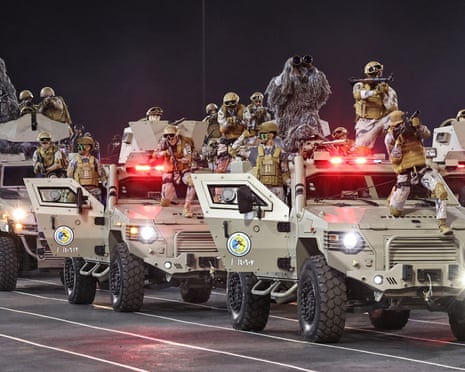 .KSA TROOPS .
 .
沙烏地阿拉伯王儲薩抐曼親王,至軍營中信心喊話要擊敗胡賽武裝部隊.
.
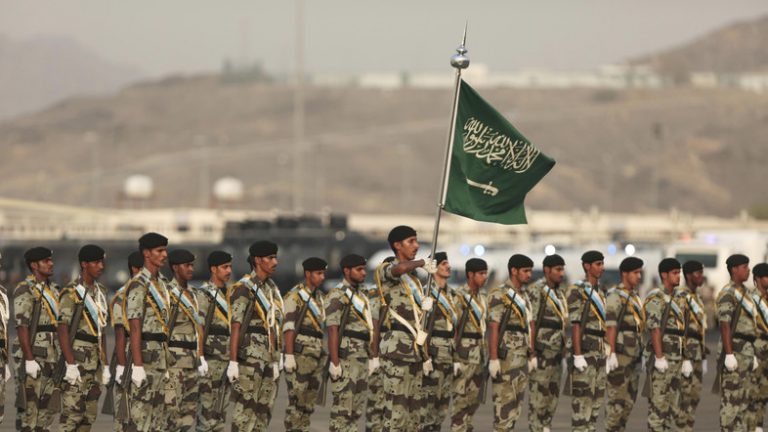

KSA TROOPS 
胡塞與沙烏地聯軍:一場高度不對稱的戰爭?.
西方軍事戰略學者專家分析認為,這不是代理人的戰爭,同樣是伊斯蘭教教徒為什麼要戰爭? ..

教派理念不同? 阿拉伯人傳統與現代親西方國家的生活(沙烏地阿拉伯人)比
較愈來愈開放,但是胡賽武裝部隊迪成員多數是不同部落的組合,團結力量較為優勢,因此同樣是說阿拉伯語言,文字一樣,但是阿拉上帝給予的答案不同.


 .
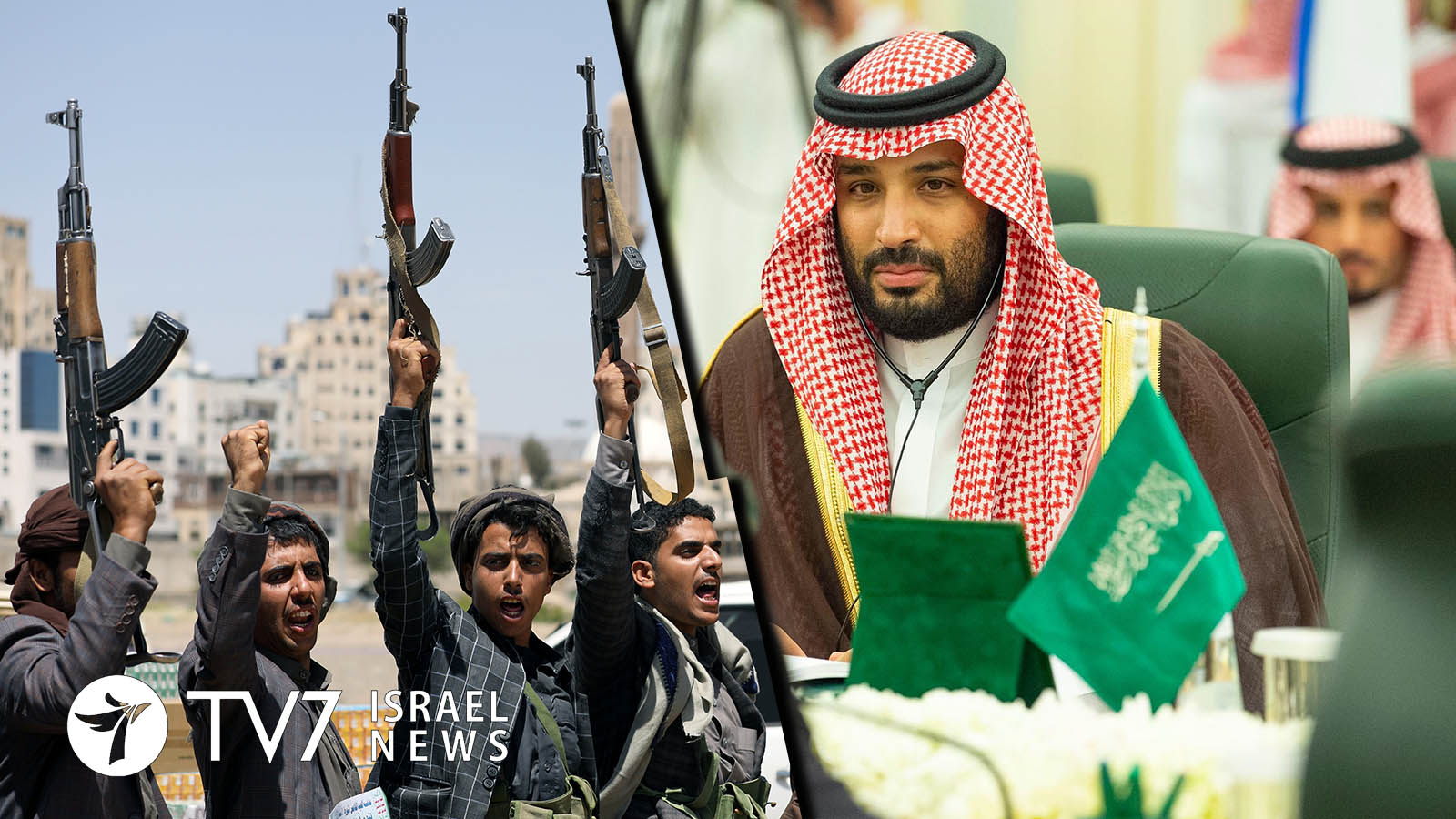
Saudi-Houthi conflict deepens..
 .

.. .
沙烏地阿拉伯與胡賽武裝部隊的戰爭,精彩可期,成王敗寇,未來14天內必見勝負,傳聞胡賽武裝部隊傾巢而出,大約30餘萬人,日夜機動北上應戰沙烏地阿拉伯的聯軍部隊.胡賽武裝部隊發言人葉海亞將軍,透過電腦網路向沙烏地阿拉伯,美國及西方國家正式宣戰.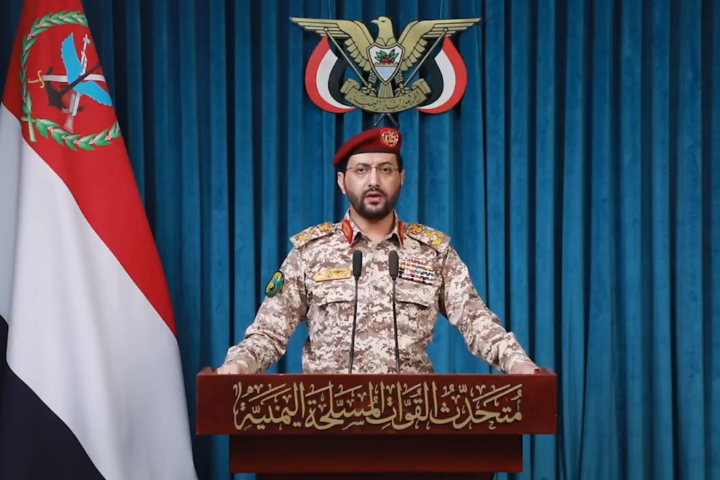
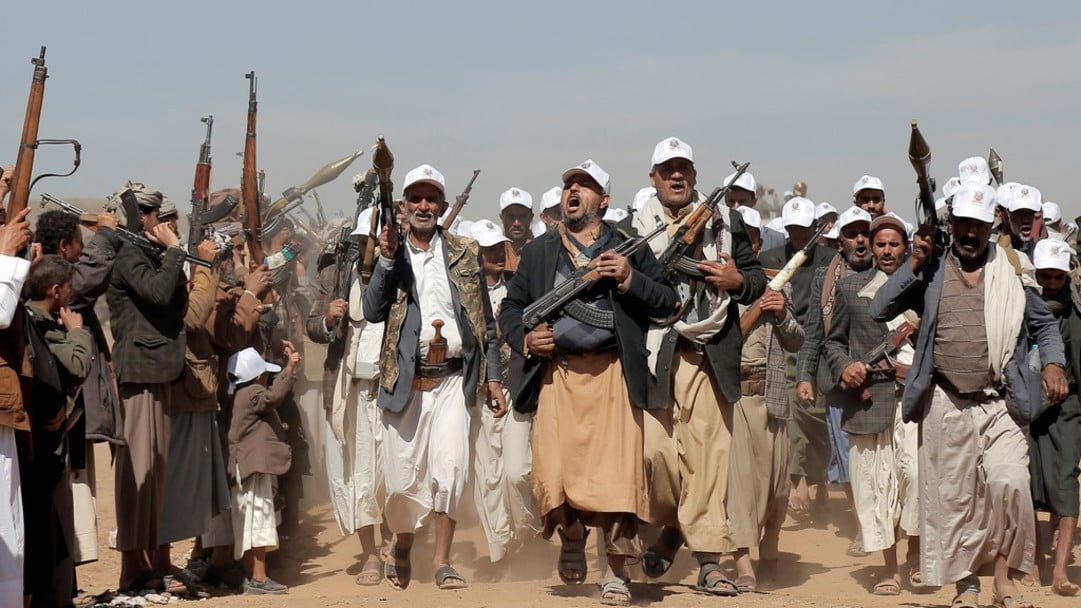
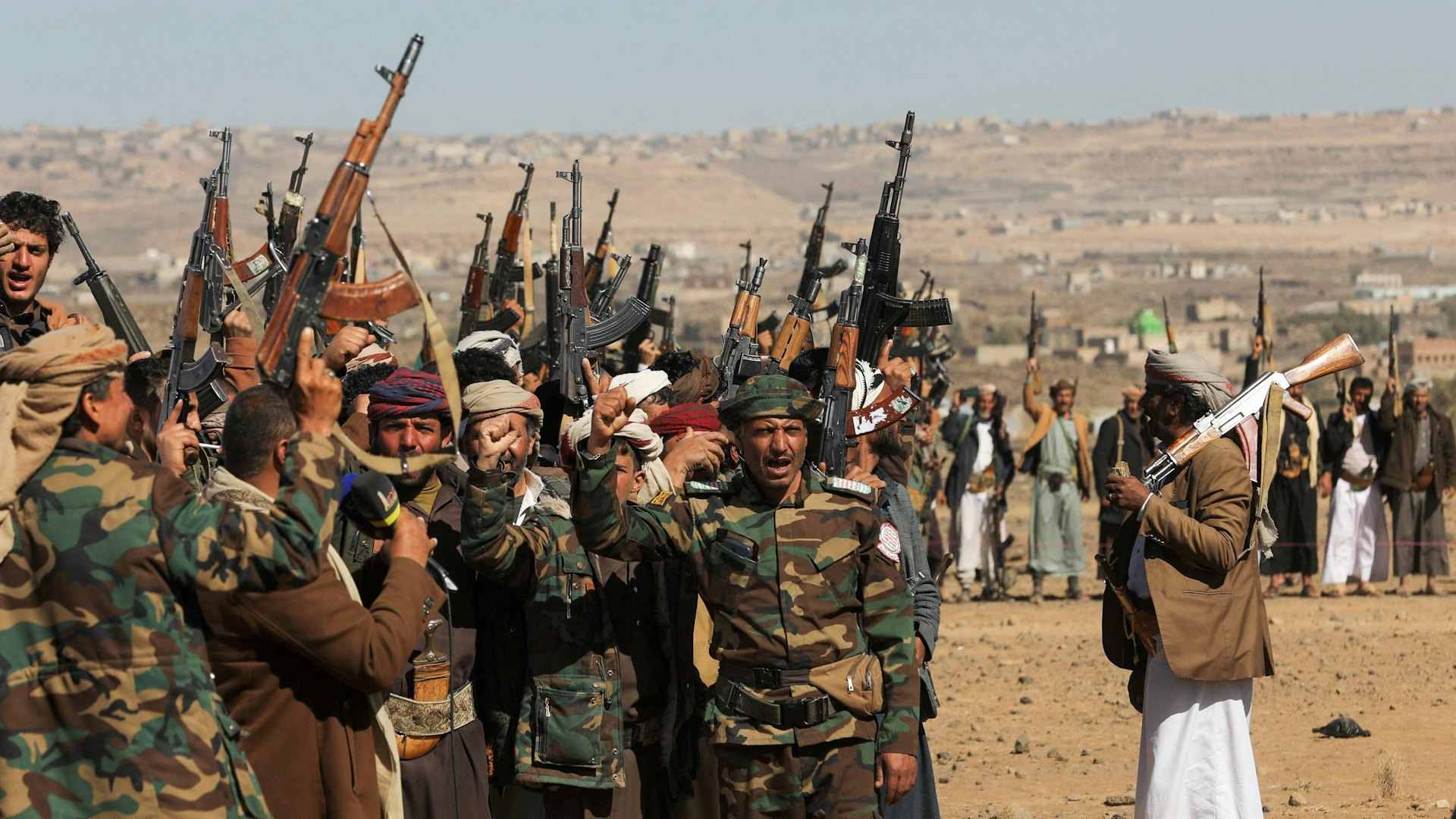
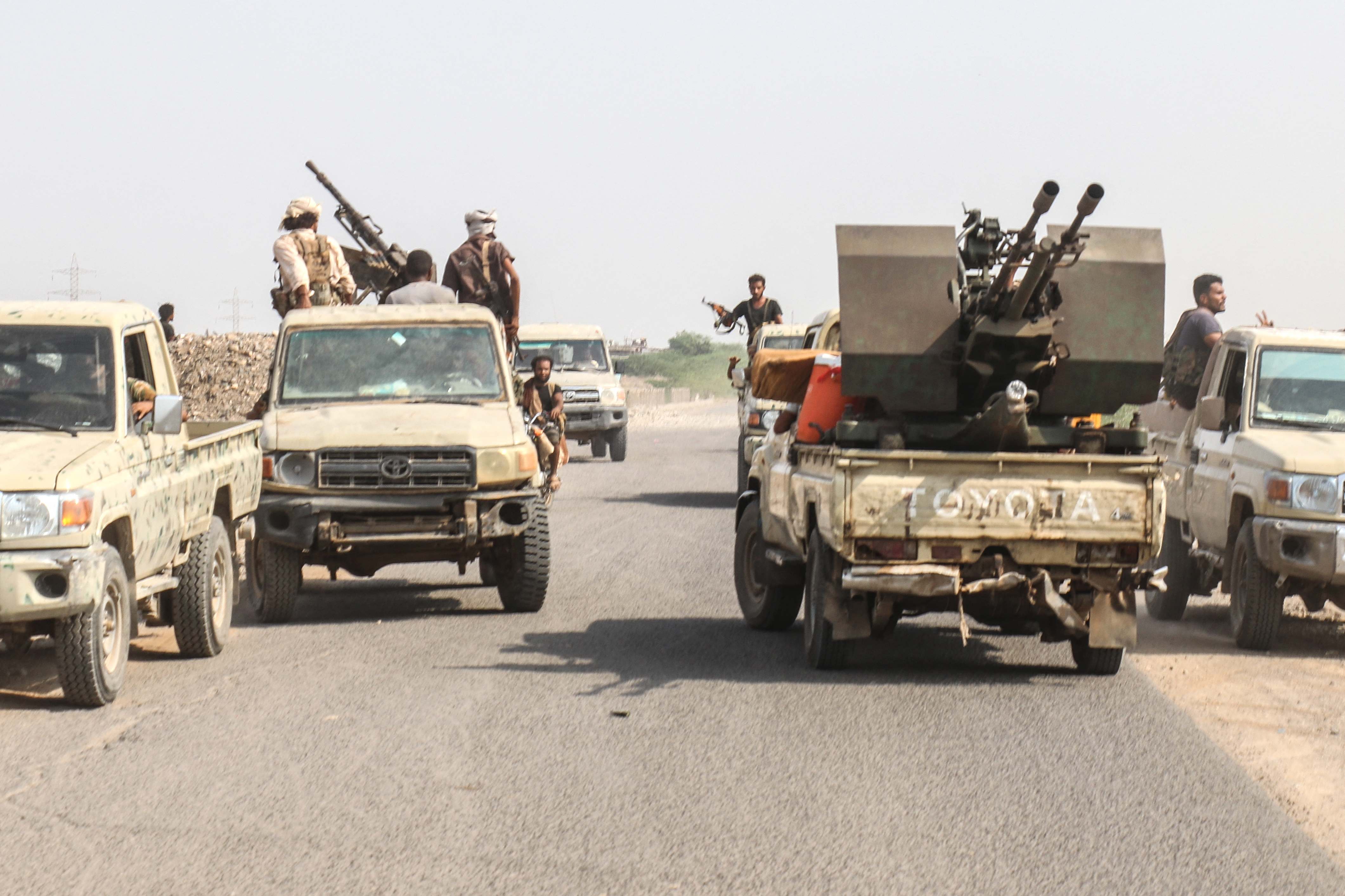
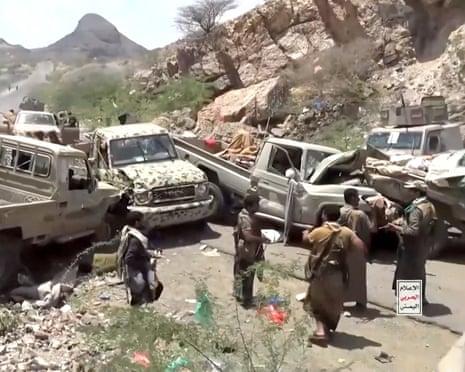
胡賽武裝部隊發言人葉海亞將軍,畢業於中國石家莊軍事學院,擅長戰略謀劃,及戰術運用,尤其甚者就是組織游擊隊,打擊對方政府軍,從以往的戰績分析而言,胡賽武裝部隊的作戰策略運用,就是化整為零的遊擊戰,屢試不爽贏得戰爭,並攪獲大量武器裝備,202609.的戰爭可以驗證成功,的戰術應用不僅取得紅海邊的戰略港口要,地並攪和大量美軍制式軍火,有些武器甚至於原封並未使用過新的,如此一來大幅度的增加胡賽武裝部隊的信心與勇氣,並且對於未來大規模正式作戰,有基礎可望執行長久的陣地戰(炮兵.火箭以及坦克車等重型武器).攻堅戰.


 .
葉門戰爭的基本結構非常清楚,沙烏地領導的聯軍具備較完整的現代化軍事力量,包括先進戰機、精準導引武器、防空系統、裝甲部隊及各類情報監偵能力;相較之下,胡塞並不具備與聯軍進行傳統正規軍對抗的條件。
因此,胡塞並沒有必要建立一套與沙烏地聯軍對稱的軍事力量,如果對手擁有先進戰機,胡塞沒有必要建立同等規模的空軍;如果對手擁有昂貴的精準武器,胡塞也不必完全複製相同的能力。它所需要的是建立一套足以生存、足以發動攻擊,而且足以讓對手持續付出代價的作戰能力。這正是非對稱作戰的重要特徵,而軍事力量的帳面數量與實際可以轉化為作戰效果的能力,並不是同一件事情。
例如,擁有空中優勢,並不代表一定能夠掌握地面;擁有精準打擊能力,也不代表能夠有效摧毀所有分散、隱蔽與快速移動的目標;擁有大量先進武器,也不代表可以無限制地使用。真正的問題在於:這些軍事優勢能不能被持續轉化成有效的戰場控制?而這正是胡塞所試圖破壞的.
 葉門胡塞武裝組織(Houthis)近年來(特別是2026年重燃戰火後)對沙烏地阿拉伯的攻擊愈發猛烈且難以遏制,主要是因為其在武器技術本土化、不對稱戰術、對手內部分裂、利用地理優勢以及AI科技的引入上取得了關鍵突破。
- ]擺脫單純走私: 伊朗伊斯蘭革命衛隊與黎巴嫩真主黨過去十多年不只提供魚,更「教會胡塞武裝如何釣魚」。胡塞已建立起本土的軍工學習流程與多元供應鏈。
- 軍民兩用件組裝: 他們學會利用進口的商用與軍民兩用零部件,在葉門本土組裝出大量的無人機、巡弋飛彈與彈道飛彈。即使外部走私路線被美軍或沙國封鎖,也無法根除其飛彈產能。
- 科技化升級: 根據歐美情報顯示,胡塞武裝甚至開始嘗試利用人工智慧(AI)技術(例如使用 Claude 等大型語言模型輔助)來開發制導火箭軟體與高超音速滑翔飛彈變體,使其不對稱打擊精度顯著提升。
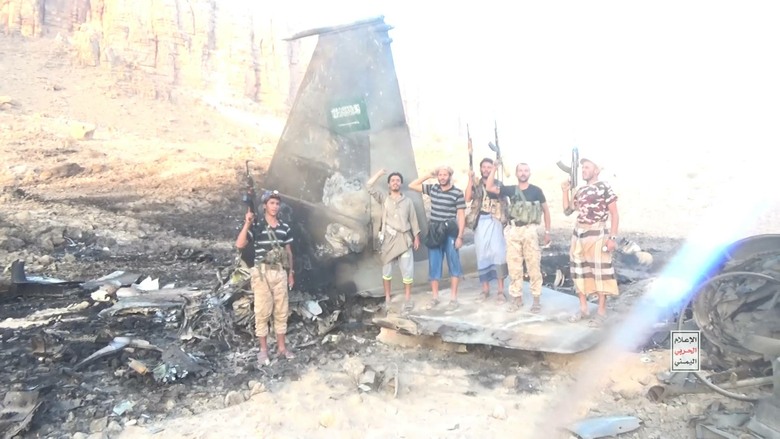
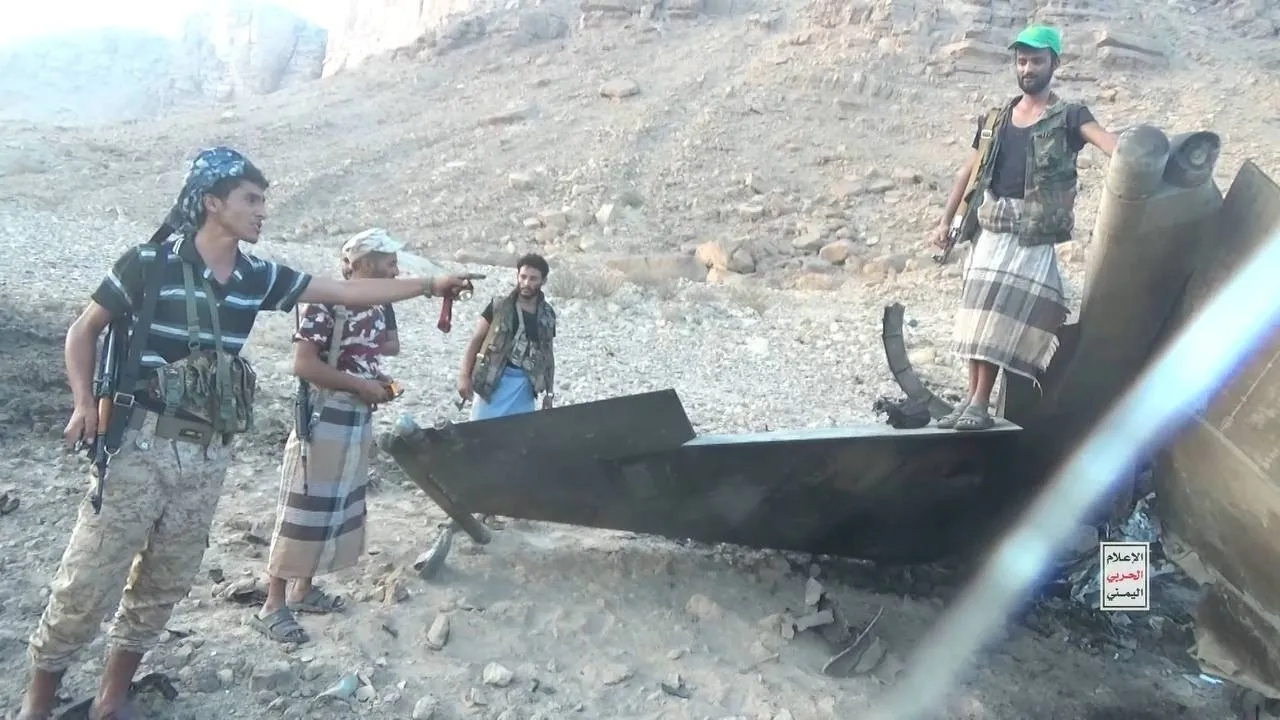
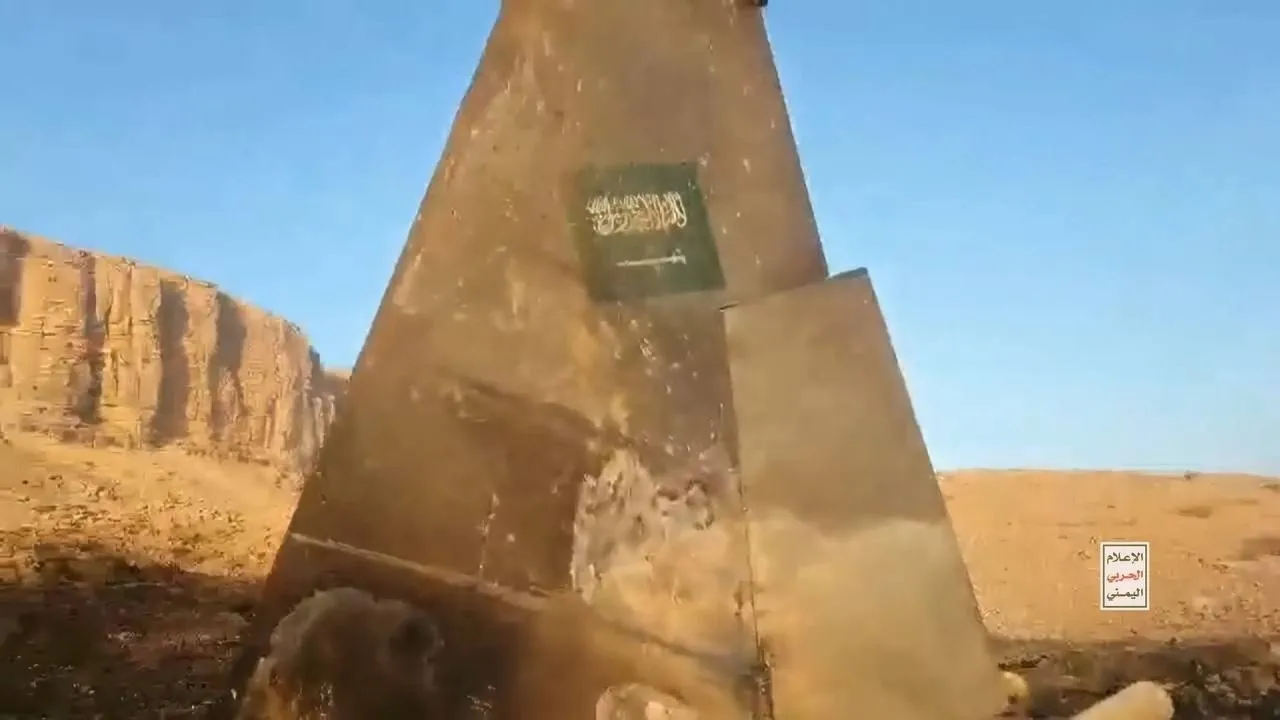
- 低成本 vs 高代價: 胡塞武裝大量使用幾千美元的低成本無人機和自製飛彈,密集發動高頻率、飽和式的遠程突襲。美軍至疑胡賽武裝部隊運用自己研發成功的飛彈擊落沙烏地阿拉伯的空軍F-15.戰鬥機.
- . Houthis chant: “This will be the fate of Al Saud: submission and humiliation in Yemen.” The Houthis shot down a Saudi F-15. The situation in Yemen stays in the Houthis’ favor.
- 沙國防空疲於奔命: 沙烏地阿拉伯雖然擁有頂尖的美製「愛國者」等防空系統,但攔截一枚無人機需要耗費數百萬美元的攔截彈。在美伊衝突導致地緣防空物資消耗殆盡的背景下,沙國面臨嚴重的攔截彈庫存短缺與成本失衡。
 .


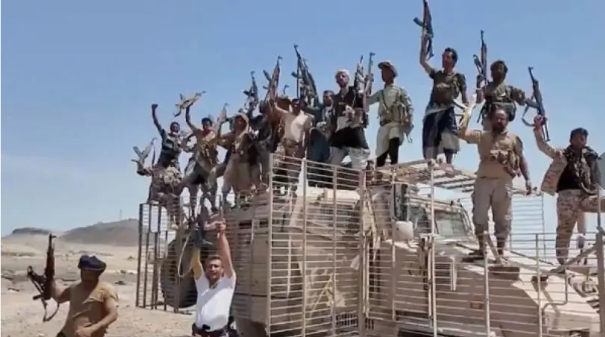
- ]全民皆兵與實戰淬鍊: 自2014年內戰爆發以來,胡塞武裝在與沙國聯軍將近十年的對抗中,累積了極其豐富的反空襲、分散隱蔽與多路協同作戰經驗。其兵力已從早期的數萬人壯大至超過35萬人。
- 非游擊隊水平: 他們善於利用葉門西北部廣袤的山地地形分散戰術單位和發射平台,其指揮能力已能進行師級單位的壓制與防空攔截,早已不是外界刻板印象中的「拖鞋軍游擊隊」。
.

 .
The Saudi-led coalition fighting Yemen’s Houthis has said it intercepted and destroyed four drones over Riyadh and other regions, the latest in a wave of Houthi attacks on Saudi Arabia’s airports and oil facilities...
Houthi Attacks on Saudi Arabia: What the Group Wants >?
Houthi strikes on Saudi Arabia aim to end Riyadhs role in Yemen. The Iran-backed rebels are hitting Saudi airports and oil infrastructure to force Riyadh to drop its support for Yemens government and to win a place in any U.S.-Iran settlement.
For more than 10 days, Iran-backed Houthi rebels have been launching ballistic missiles and drone attacks against critical Saudi infrastructure in retaliation for the kingdom’s support for government forces fighting the group in Yemen.
Attacks on airports in Riyadh, Abha and Dammam have killed at least 19 people and injured more than 360, according to the Saudi-led coalition, while other strikes have targeted oil infrastructure. The escalation comes as fighting has resumed in Yemen, where Saudi-backed government forces have launched a counteroffensive to retake strategic areas near the Bab al-Mandab Strait that were seized by the Houthis, which the U.S. State Department has designated a foreign terrorist organization. The waterway has assumed greater importance for global trade and energy supplies amid disruptions to shipping through the Strait of Hormuz.
The attacks raise questions about what the Houthis hope to gain by striking Saudi Arabia, what it means for the war in Yemen and whether a political settlement is still possible in a conflict that has raged for more than a decade.

.Saudi Arabia thwarts Houthi missile attack on Riyadh:
Houthi rebels attack Saudi Arabia.
- Airport Attacks: Houthi strikes on King Khalid International Airport in Riyadh resulted in multiple casualties, including a strike that killed 13 people and injured over 300, followed by a subsequent attack killing a Pakistani resident. []
- Oil & Energy Infrastructure: The group targeted oil giant Saudi Aramcos headquarters and facilities in Dhahran and the Eastern Province, triggering limited fires and prompting security alerts.
- Air Defenses & Interceptions: The Saudi-led coalition reported intercepting multiple ballistic missiles and drones over Riyadh, Khamis Mushait, and the Eastern Province. []
- Retaliation & Motivations: The Houthis stated the campaign is a direct retaliation against Saudi-led airstrikes and military operations in Yemen. Meanwhile, Saudi Energy Minister Prince Abdul Aziz bin Salman has vowed a "serious" response to the attacks. .
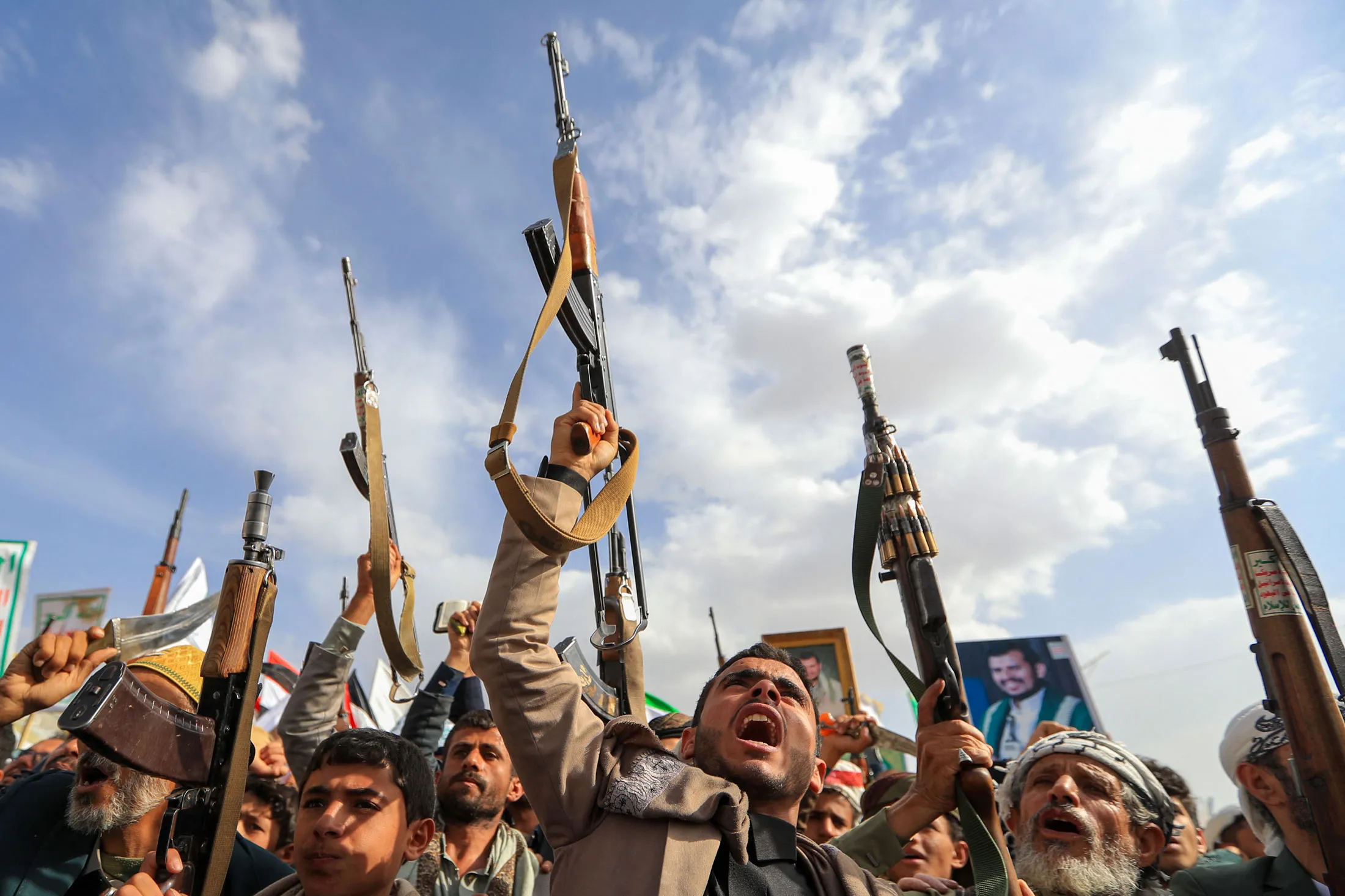
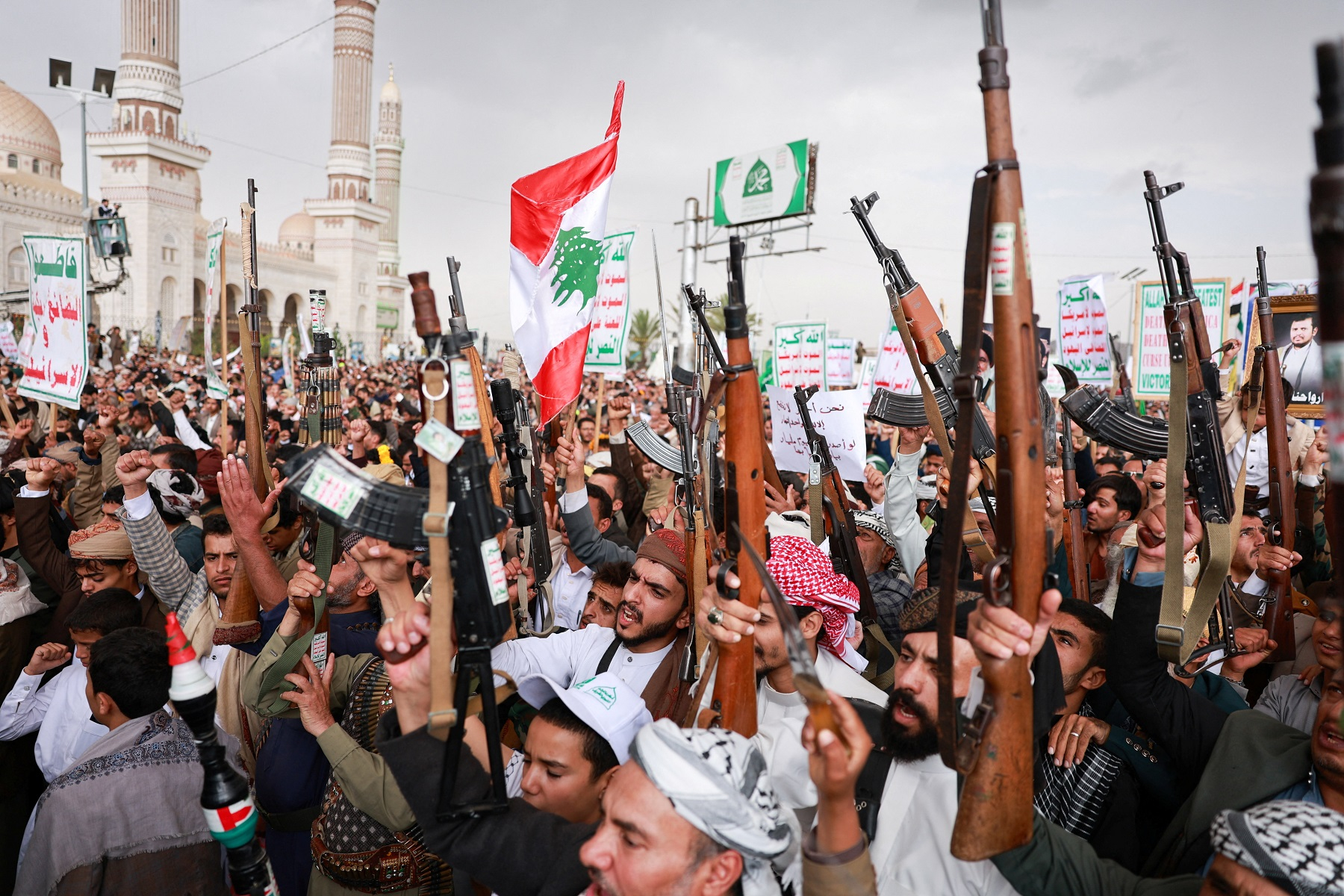
Iran-backed Houthi rebels warn against joining Saudi Arabia in Yemen’s growing civil war.
A senior official with the Iran-backed Houthi rebels is warning countries against joining Saudi Arabia in Yemen’s revived civil war, telling The Associated Press on Sunday that his group has assured the Trump administration that it won’t attack U.S. vessels in the Red Sea.
Mohamed al-Bukhaiti, a member of the Houthis’ political bureau, said Washington reached out to the rebels after their rapid advance down Yemen’s western coast to the Bab el-Mandeb Strait earlier this month.
“We confirmed that we are not targeting the United States, or any other nation, in the strait, with the sole exception of the Saudi enemy,” he told the AP in a Zoom interview from the rebel-held Yemeni capital, Sanaa. “That remains the case.”
U.S. President Donald Trump last weekend said his administration has “had discussions” with the Houthis, but did not say when. “The Houthis called us, and they don’t want to fight with us,” he said. “They would much prefer not having us involved, and they’re letting most ships go through.”
The AP later reported that Oman hosted a meeting between U.S. and Houthi representatives last weekend, citing a Houthi official and another individual familiar with the talks. They spoke on condition of anonymity because they were not authorized to brief the media.
However, al-Bukhaiti only confirmed indirect contacts with U.S. officials through longtime mediator Oman, which brokered a 2025 ceasefire between the Houthis and the Trump administration. That ended a weekslong U.S. bombing campaign against the rebels in return for them ceasing attacks on U.S. vessels in the Red Sea.
“The goal of our military operations is not to close the Bab el-Mandeb Strait, but rather to ensure freedom of navigation through it for everyone, including Yemen,” he said.
The Houthis claim they can fight a war on multiple fronts
Al-Bukhaiti said the rebels have the capacity to fight a war on multiple fronts “should any nation become implicated in the aggression against Yemen alongside Saudi Arabia.”
“Today, Yemen is capable of waging battle — not merely an internal conflict, but an international one as well,” he said.
He said the Houthi attacks against neighboring Saudi Arabia will persist until Riyadh ends its decade-long blockade on rebel-held areas in Yemen and allows vessels to reach Houthi-controlled ports on the Red Sea. Then they will be ready to negotiate, he said.
Al-Bukhaiti blamed Saudi Arabia for the latest escalation of violence in Yemen, which he said erupted after an airstrike blamed on the Saudi-led coalition fighting the rebels hit the Sanaa international airport. The strike prevented an Iranian flight carrying a Houthi delegation to land. The flight was a Houthi attempt to challenge the coalition’s air and naval blockade.
The Houthis responded with missile and drone strikes on Saudi Arabia, including one that targeted Riyadh on Saturday before being intercepted. Saudi officials said debris from a Houthi drone also killed one civilian and injured others.
The Houthis also declared a blockade on Saudi shipping in the Bab el-Mandeb Strait and the Red Sea, attacking Saudi-linked vessels and oil facilities inside the kingdom, the world’s top oil exporter.
The Saudis and their allies have long struggled to contain the Houthis, and may be tempted to seek a diplomatic solution to halt attacks. That might ultimately require U.S. concessions to Iran, the only country with leverage over the Houthis. But Washington’s negotiations with Tehran over their own war fell apart weeks ago.
“We have not closed the door to peace,” Mahdi al-Mashat, president of the Houthis’ Supreme Political Council, the top executive body, said in a speech Sunday marking the anniversary of their 2014 takeover of Sanaa.
The U.S., which bombed the Houthis under the Biden and Trump administrations, has shown no interest in getting involved militarily this time around.


限會員,要發表迴響,請先登入


