置頂精選
台灣大肆採購 美國軍火1.25兆國防特別預算.Taiwan spent NT$1.25 trillion on special defense budget.
2026/01/20 02:05
瀏覽811
迴響0
推薦5
引用0
Why Taipei and Washington say it matters
The Washington Post reports that Taiwan’s National Defense Ministry plans to fund the weapons with a special budget dedicated to asymmetric warfare. However, officials noted that they can sign the final offer letters only after the legislature approves the funding. The defense ministry said the final cost may decrease based on actual military needs and budget authority.
In a statement, Taiwan said the U.S. continues to help Taiwan maintain “sufficient self-defense capabilities” and build deterrent power by “leveraging asymmetric warfare advantages,” which the ministry described as the foundation for regional stability.
This is the second sale of arms to Taiwan by President Donald Trump’s administration, according to Reuters. It follows a $1.3 billion package approved in November. According to The Post, the November sales included $700 million for medium-range air-defense systems and $330 million in parts for F-16 fighter jets and other aircraft.
President Lai recently unveiled a $40 billion supplemental budget extending through 2033, saying there is “no room for compromise” on national security. Bloomberg noted opposition lawmakers have put a hold on the spending plan, although Taiwan conducted its first live-fire HIMARS test in May.2025.
..
..
Taiwanese manufacturers are positioning themselves for defense-sector expansion as the government prepares a NT$1.25 trillion (approx. US$40 billion) special budget to accelerate domestic weapons production and strengthen supply chain autonomy...
.President Lai Ching-te of Taiwan said his government would introduce a $40 billion special budget for military spending that will fund purchases of arms from the U.S.
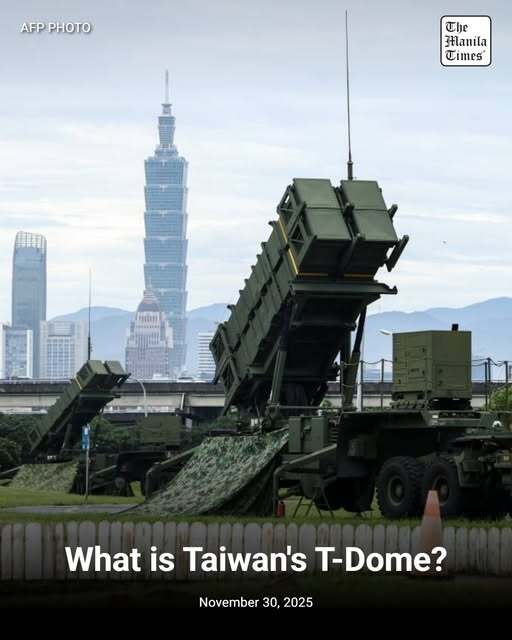
Taiwans government has proposed $40 billion in extra defense spending over several years, with the focus on developing a multi-layered air defense system dubbed T-Dome.
.
Taiwan is buying US weapons, but Washington isn’t delivering them
.國際戰略.學者專家分析認為:
1: 自從美國總統川普高唱2進宮, 揚言要使美國再度偉大..MAGA.
2:美國壓迫歐盟及北約採購美國武器要求達到 GDP 5%..
3:台灣與美國關係特殊,直接揚言2030 的GDP.5%.購買美國軍火.
4:台灣老百姓的血汗錢,孝敬美國山姆大叔,債留子孫,台灣同胞真悲哀.
5:所採購的美國軍火並不完全是美軍現在執行使用中的武器,換句話說超過50% 以上皆為庫存武器,例如海馬士多管火箭系統(Himars)..等等
.台灣向美國採購的66架全新F-16V(Block 70)戰機交付計畫嚴重延宕,原定2026年底前全部交機的目標目前看來難以達成,至今仍是「零交機」,主要原因為全球供應鏈中斷和工程整合問題,美國已加班趕工,但預計最快要延至2027年甚至2028年,全數交付可能要到2030年後。 .
6:台灣老百姓的血汗錢,外匯存款及黃金儲備,幾乎被美國人掏空.為什麼?.TSMC.台積電公司被迫遷往美國設廠形成政府稅率減少,失業率增加.....
7:美國帝國主義的霸權,向來如此專門壓榨小國寡民尤其甚者就是台灣美國與中國的3角習題, 彼此互相利用,結果卻由台灣同胞承受惡果不公平...
8:和平統一應該是最終的結局.海峽兩岸不會爆發戰爭,不要被美國人及政客的中國攻打台灣的理論政策蒙騙局.....
9:台灣同胞應得到的是永遠和平快樂的生活,不要親痛仇快讓美國人得逞.
10:台灣人受到美國的壓迫利誘,以及投機倒靶的政客勾結美國,圖利自己的腰包, 殘害自己的同胞,編列1.25 兆新台幣的國防預算案,其中隱藏許多黑箱作業不法利益,誰人知曉?
Taipei and Washington say it matters
The Washington Post reports that Taiwan’s National Defense Ministry plans to fund the weapons with a special budget dedicated to asymmetric warfare. However, officials noted that they can sign the final offer letters only after the legislature approves the funding. The defense ministry said the final cost may decrease based on actual military needs and budget authority.
In a statement, Taiwan said the U.S. continues to help Taiwan maintain “sufficient self-defense capabilities” and build deterrent power by “leveraging asymmetric warfare advantages,” which the ministry described as the foundation for regional stability.
This is the second sale of arms to Taiwan by President Donald Trump’s administration, according to Reuters. It follows a $1.3 billion package approved in November. According to The Post, the November sales included $700 million for medium-range air-defense systems and $330 million in parts for F-16 fighter jets and other aircraft.
President Lai recently unveiled a $40 billion supplemental budget extending through 2033, saying there is “no room for compromise” on national security. Bloomberg noted opposition lawmakers have put a hold on the spending plan, although Taiwan conducted its first live-fire HIMARS test in May.2025.
Taiwanese manufacturers are positioning themselves for defense-sector expansion as the government prepares a NT$1.25 trillion (approx. US$40 billion) special budget to accelerate domestic weapons production and strengthen supply chain autonomy...
.President Lai Ching-te of Taiwan said his government would introduce a $40 billion special budget for military spending that will fund purchases of arms from the U.S.
Taiwans government has proposed $40 billion in extra defense spending over several years, with the focus on developing a multi-layered air defense system dubbed T-Dome.
Taiwan is buying US weapons, but Washington isn’t delivering them
- .
 中華民國陸軍:包括111套海馬斯、504枚MGM-140 陸軍戰術導彈、54枚低成本減程練習火箭(LCRRPR)、864枚「精準火箭」、756套M31A2「單一彈頭型」多管導引火箭(GMLRS-U)、447套M30A2「替代彈頭型」多管導引火箭(GMLRS-AW)。
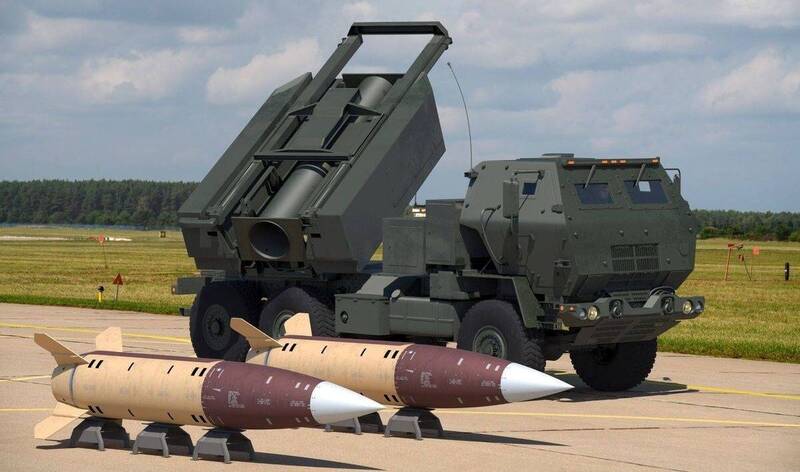
.M142 高機動性火箭炮系統(HIMARS)是一種輕型多管火箭炮,於20世紀90年代後期為美國陸軍研製,安裝在美國陸軍標準的中型戰術車輛系列(FMTV) M1140卡車底盤上.
.
 20260119 中華民國 國防部 舉辦:
(強化防衛韌性及不對稱戰力計畫採購特別條例規劃執行案項)並備詢,全程採秘密會議.?
傳聞皆由美國密秘幕後主持剛要計劃與細部執行計劃?.
.Taiwan spent NT$1.25 trillion of its special defense budget to purchase weapons from the United States.
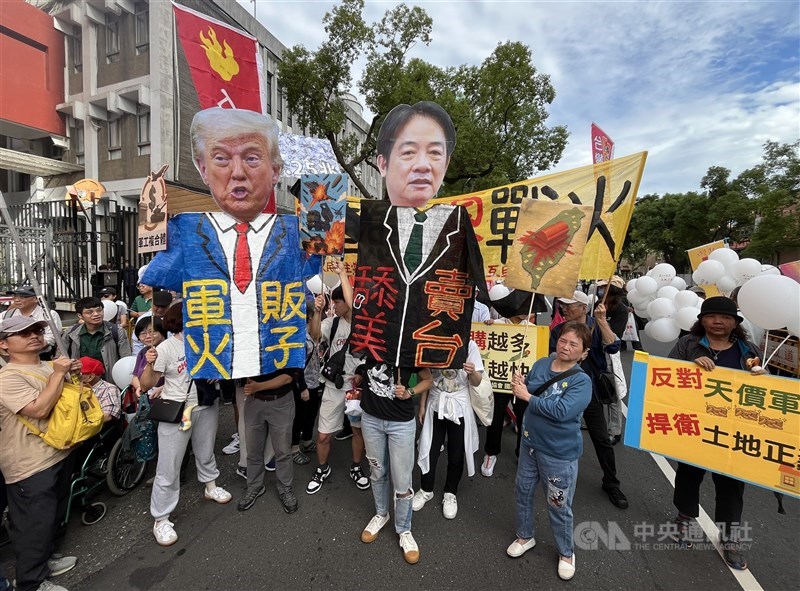
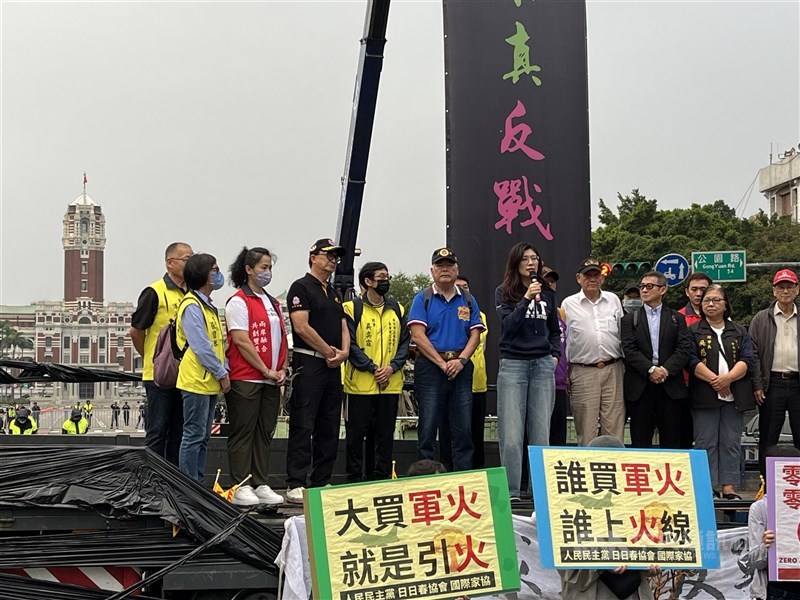
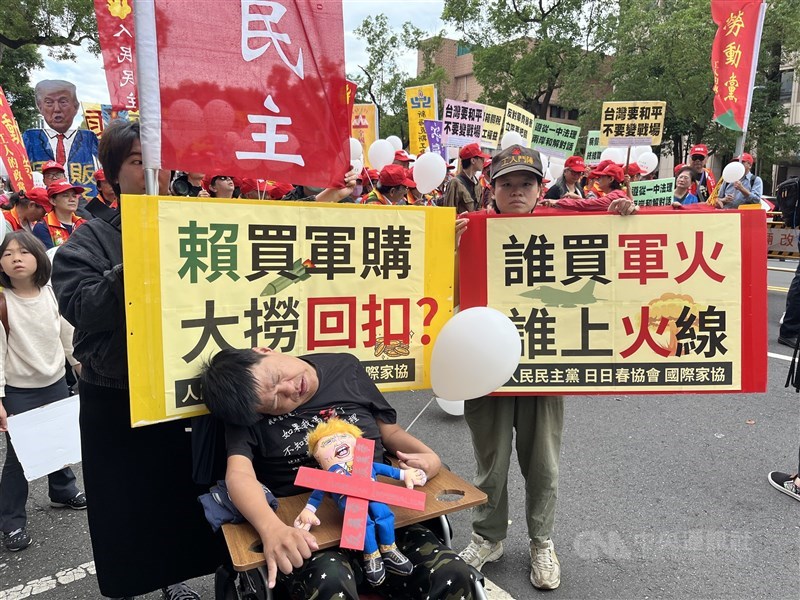
Autumn Struggle marchers slam Lais NT$1.25 trillion defense plan.
.
 .
.
.
 Taiwan Approves NT$1.25 Trillion Special Defense Budget
Taiwan’s Defense Ministry has endorsed a special defense budget of NT$1.25 trillion to enhance military capabilities, modernize forces, and strengthen national security amid regional tensions..
.
Taiwanese leader William Lai Ching-te’s plan to push through a NT$1.2 trillion (US$37 billion) special military spending package has been thrown into limbo as political clashes escalate over fiscal reform and a controversial court ruling.
Taiwan’s opposition-controlled legislature has blocked the cabinet-proposed “Special Act on Strengthening Defence Resilience and Asymmetric Warfare Capabilities” from committee review four times since Lai unveiled the plan in late November..

.
Taiwan firms target defense surge as NT$1.25 trillion budget nears approval.
國防部指出,戰略層面上不僅強調科技建軍,加速情研、指令下達與精準打擊效能之擊殺鏈,以強化防衛韌性;更著重國防自主產業發展,藉由自主研發、技術轉移等方式,打造安全可靠之非紅供應鏈,建構全方位防衛能力。 另一方面,特別預算所採購之相關項量均依敵情威脅研判,前瞻未來戰場景況與科技發展,經過嚴密分析,籌獲後將達成空中重層攔截網、指管與決策輔助、多層次削弱、遠距精準打擊、強化作戰韌性、提升軍備量能、國防帶動經濟效益等7大目標。
籌購品項,包括:
一、 「精準火砲」:籌購M109A7自走砲60門,精準彈藥4,080發,彈藥車60輛、救濟車13輛、榴彈及附屬裝備。
二、 「遠程精準打擊飛彈」:籌購海馬士多管火箭飛彈系統82套,精準火箭1,203箱,戰術區域飛彈420枚。
三、 「無人載具及其反制系統」:
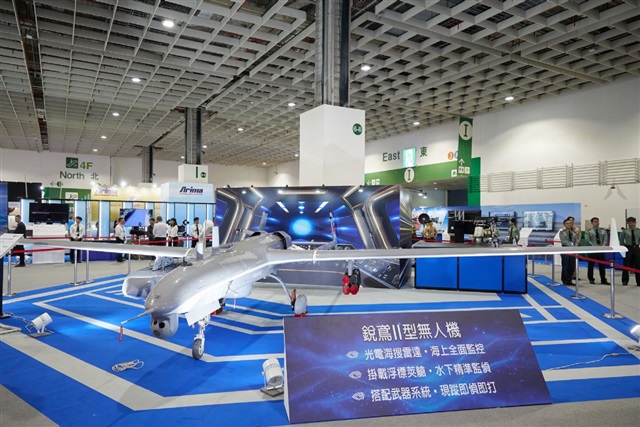
(一)反甲型無人機飛彈系統,ALTIUS-700M 1,554 架、 ALTIUS-600ISR 478 架。
(二)濱海監偵型、濱海攻擊型(沉浸、投彈、自殺)等各類無 人機20餘萬架、無人艇1,000餘艘。
(三)各類無人機反制系統。
四、 「防空、反彈道及反裝甲飛彈」:標槍反裝甲飛彈70套1,050枚、拖式2B反裝甲飛彈24套1,545枚及各式防空飛彈系統(含彈藥)。
五、 「AI輔助與C5ISR系統」:
(一)人工智慧決策支援系統。
(二)戰術網路及部隊快速情資分享應用套件。
六、 「強化作戰持續量能相關裝備」:
(一)因應戰時高消耗,擴增軍備產線:籌建各類型彈藥、發射藥產線、各式槍彈底火生產線、各式新型甲車組裝線、 高能炸藥生產線、化學防護面具生產線、夜視鏡生產線等。
(二)機動阻絕器材:提升戰場阻絕能力。
(三)產線未建立前,為滿足戰備存量提升與基本訓耗需求,籌購重要急缺彈藥項目:120公厘戰車彈、105公厘戰車彈、30 公厘機砲彈、155公厘榴彈發射藥包及強力高能炸藥。
七、 「臺美共同研發及採購合作之裝備、系統」:採購臺美共同研發及採購合作之裝備、系統,以獲取新興科技系統,俾強化作戰韌性及提升不對稱戰力。

國防部並說明,目前軍購執行進度,本次特別預算規劃向美籌購武器裝備,目前已獲「M109A7 自走砲」、「海馬士多管火箭飛彈系統」、「ALTIUS反甲型無人機飛彈系統」、「標槍反裝甲飛彈」及「拖式2B反裝甲飛彈」等5項進行知會國會程序。餘案項,美國防部 刻正加速內部審查作業。鑑於軍售案知會國會金額為美 方同意釋出之最大可能供售範圍及額度。國防部雖已先 期與美方針對作戰需求,完成軍購項量、金額等確認,後續將視大院核定額度做適度調整。
國防部強調,中共近年持續擴增軍力,並逐漸升級灰色地帶威脅,更經常以對臺作戰想定,進行針對性軍演,以驗證其作戰計畫,意圖採取「由訓轉演」、「由演轉戰」的犯臺模式,加劇台海局勢的不穩定。特別預算可兼顧經費完整性及預算規模穩定,在短期內獲得財源,以因應敵情威脅驟增,快速提升戰力。
「投資國防就是投資和平」,國防部指出,國軍必須立即編製特別預算,完備應變能力,以維持台海和平。 .
.
Who could shield Taiwan from China? A new answer is emerging.
The island is making leaps in military spending and acting with greater focus than ever before.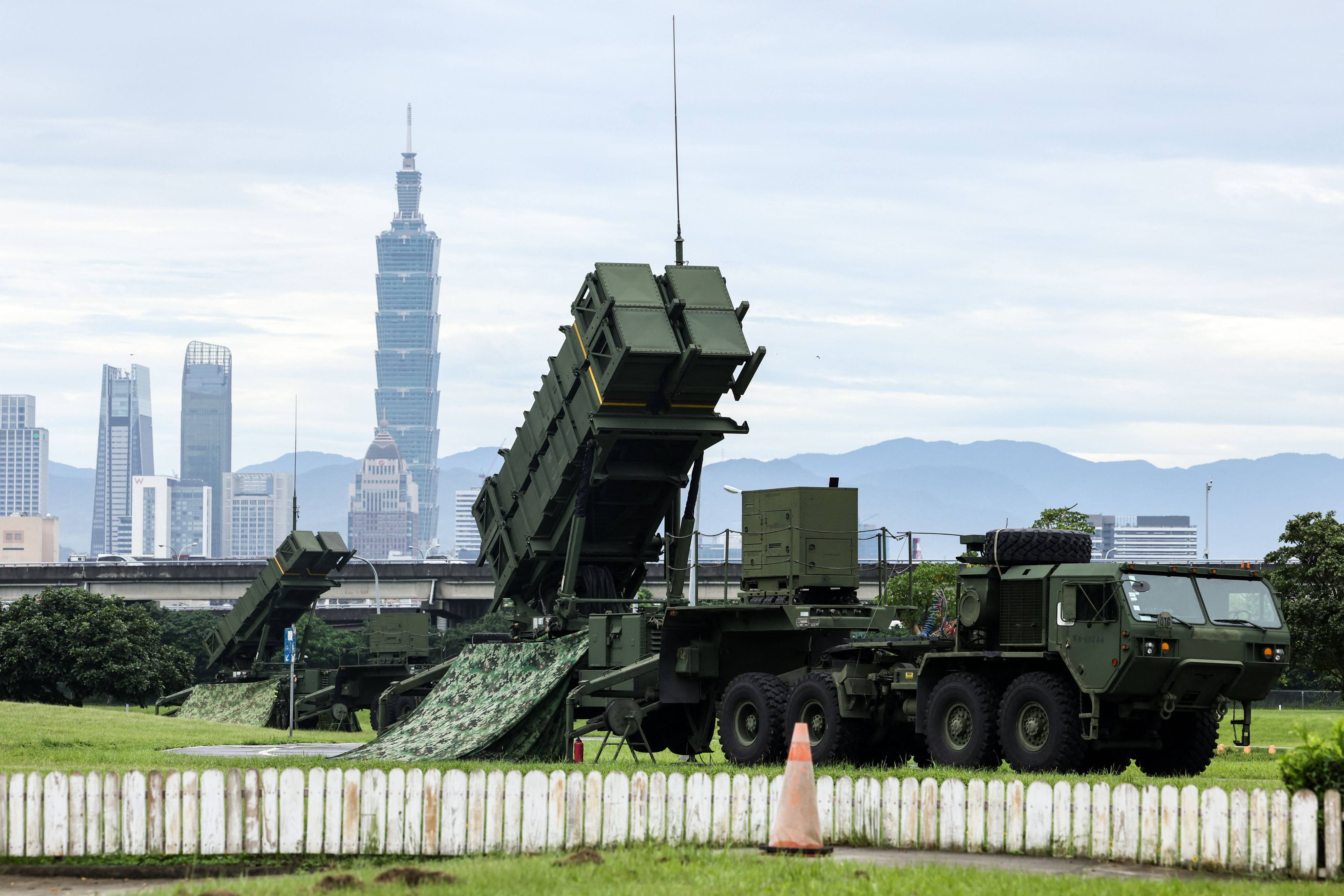
2025.On November 26, Taiwan President Lai Ching-te announced a historic eight-year, NT$1.25 trillion (US$40 billion) special defense budget covering both major U.S. arms purchases and expanded asymmetric capabilities through 2033. .
This supplementary package, distinct from the annual general budget, aims to establish the “Taiwan Dome” (T-Dome) air defense network and reinforces Lai’s pledge to raise defense spending to 5 percent of GDP by 2030.
The announcement also coincided with an op-ed by President Lai in The Washington Post on November 25, as well as the nationwide distribution of a civil defense handbook to 9.8 million households.
ㅤ
Why It Matters :This investment directly addresses long-standing U.S. calls for greater burden-sharing and self-reliance from its democratic partner. The package prioritizes Taiwan’s asymmetric capabilities, such as drones, mobile missiles, and mines, while the rollout builds on the concept of “Whole-of-Society Defense.”
Crucially, President Lai specifically and publicly cited Beijing’s goal of having the PLA ready to invade Taiwan by 2027, underscoring the urgency to close the window of vulnerability before the PLA achieves full readiness. This demonstrates that Taiwan is taking proactive steps to maintain peace and stability across the Taiwan Strait, aligning its security timeline with American strategic assessments.
ㅤ
Congressional Attention :The announcement aligns with bipartisan efforts on Capitol Hill to modernize the U.S.-Taiwan security partnership. The PORCUPINE Act (S.1744), spearheaded by Senators Pete Ricketts (R-NE) and Chris Coons (D-DE), seeks to elevate Taiwan to “NATO-plus” status, slashing notification thresholds to match the urgency of Lai’s new budget.
Additionally, Representatives Zach Nunn (R-IA) and Jill Tokuda (D-HI) have introduced the U.S.-Taiwan Defense Innovation Partnership Act (H.R.4860). This legislation is essential for facilitating the technology transfers required for Taiwan’s new AI and drone initiatives. These proposed bills ensure that American defense industries remain central to Taiwan’s modernization efforts while deepening interoperability between the two nations.
ㅤ
Implications:The special budget represents a critical investment in mutual security, a reality underscored by American Institute in Taiwan Director Raymond Greene. In response to Lai’s op-ed, former Indo-Pacific defense officials Ely Ratner and Randall Schriver urged Washington to fully utilize already-appropriated funds. While potential domestic political hurdles exist in Taiwan (Ryan Hass, Brookings), the increase in defense spending is a “step in the right direction” (Wilson Beaver, Heritage).
Congress now has a unique opportunity. Passing these pending bills will enable the U.S. to capitalize on Taiwan’s investment and lock in the security partnership for the next decade.


你可能會有興趣的文章:
限會員,要發表迴響,請先登入


