.
.Taiwan Strait Risk Report」的數據指出,未來5年侵台機率約30%,而中共對台實施海空封鎖的可能性為60%。..
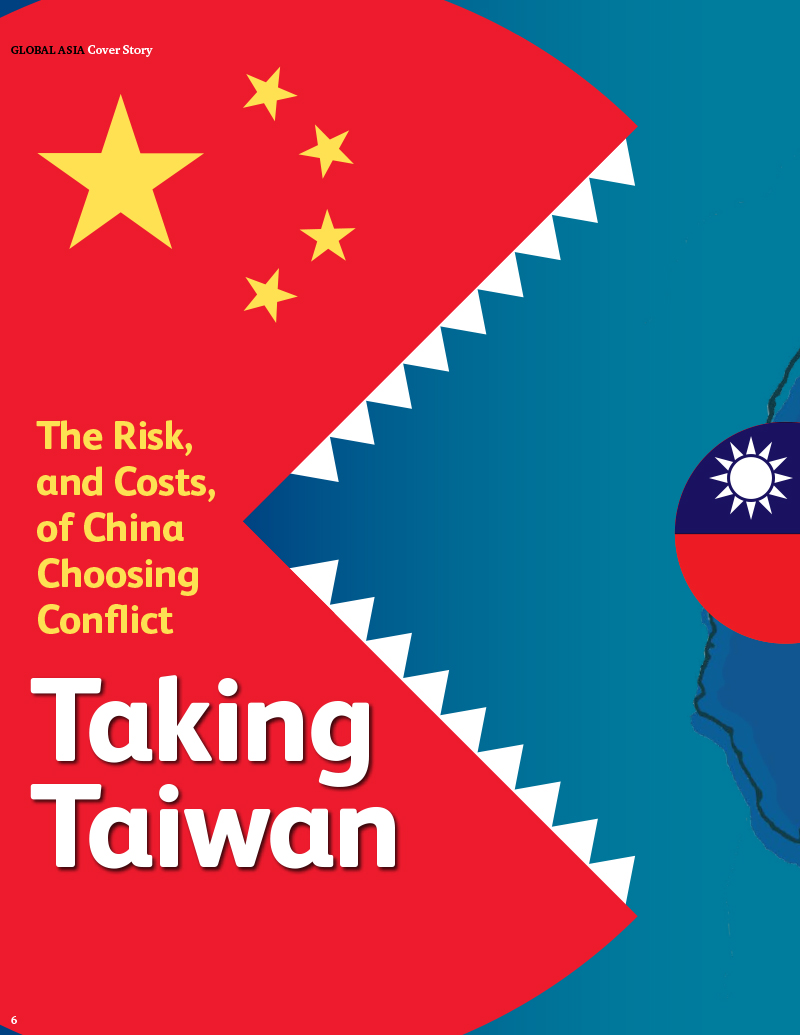
"The Taiwan Strait Risk Report, a consultancy, coresees a 30 percent chance of a Chinese invasion in the next five years, and a 60 percent possibility of an air and naval blockade of the island.".
\.
nuary 17, 2026..
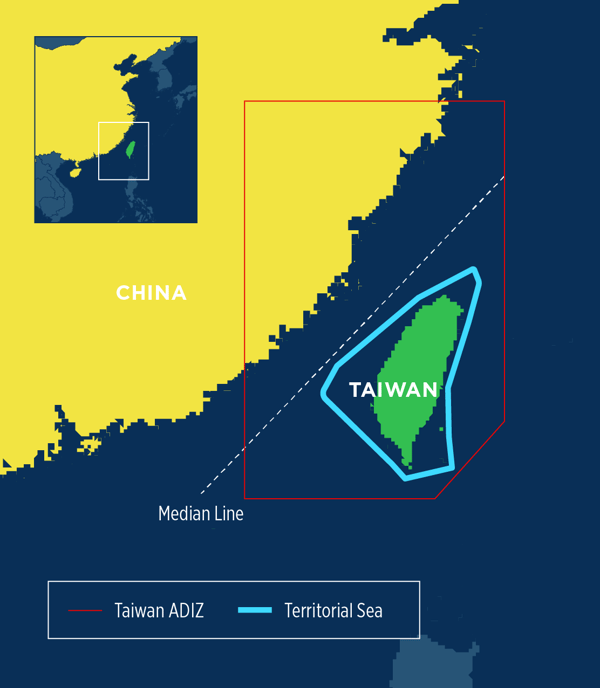
.Tensions across the Taiwan Strait have increased in recent months. China is applying greater pressure on Taiwan, while the government in Taipei is emphasising the island’s de facto sovereignty and taking measures to counter Beijing’s infiltration and influence operations. As the renewed friction puts the decades-old cross-strait status quo under additional stress, the U.S. government is sending mixed signals toward both China and Taiwan, injecting new uncertainty into the Indo-Pacific security order. .
Growing Cross-strait Tensions
The delicate status quo across the Taiwan Strait has been fraying since Tsai Ing-wen of the pro-sovereignty Democratic Progressive Party (DPP) became Taiwan’s president in 2016. Tsai’s tenure coincided with that of the first Trump administration, during which Washington stepped up its engagement with Taipei, in the form of higher-level interactions and arms sales. These developments alarmed Beijing, which disapproves of the DPP’s stance on Taiwan’s status and cross-strait relations, and is always on the lookout for signs that the U.S. is hollowing out the “one China” policy – ie, the position that there is only one China and the government in Beijing is its sole representative. ..
The Taiwanese president has also taken action against alleged Chinese influence operations on the island. In March, he introduced a series of seventeen measures to counter Chinese infiltration and espionage, ranging from reinstating military courts to more heavily scrutinising residents who come from China, Hong Kong or Macau. These developments came after at least 64 Taiwanese individuals were charged with “suspicion of spying for China” in 2024, and at least two former government employees were investigated for allegedly conducting espionage for Beijing.
In the immediate term Beijing’s increasing military activity around [Taiwan] heightens the risk of inadvertent collisions with craft from Taiwan or other countries
..
.
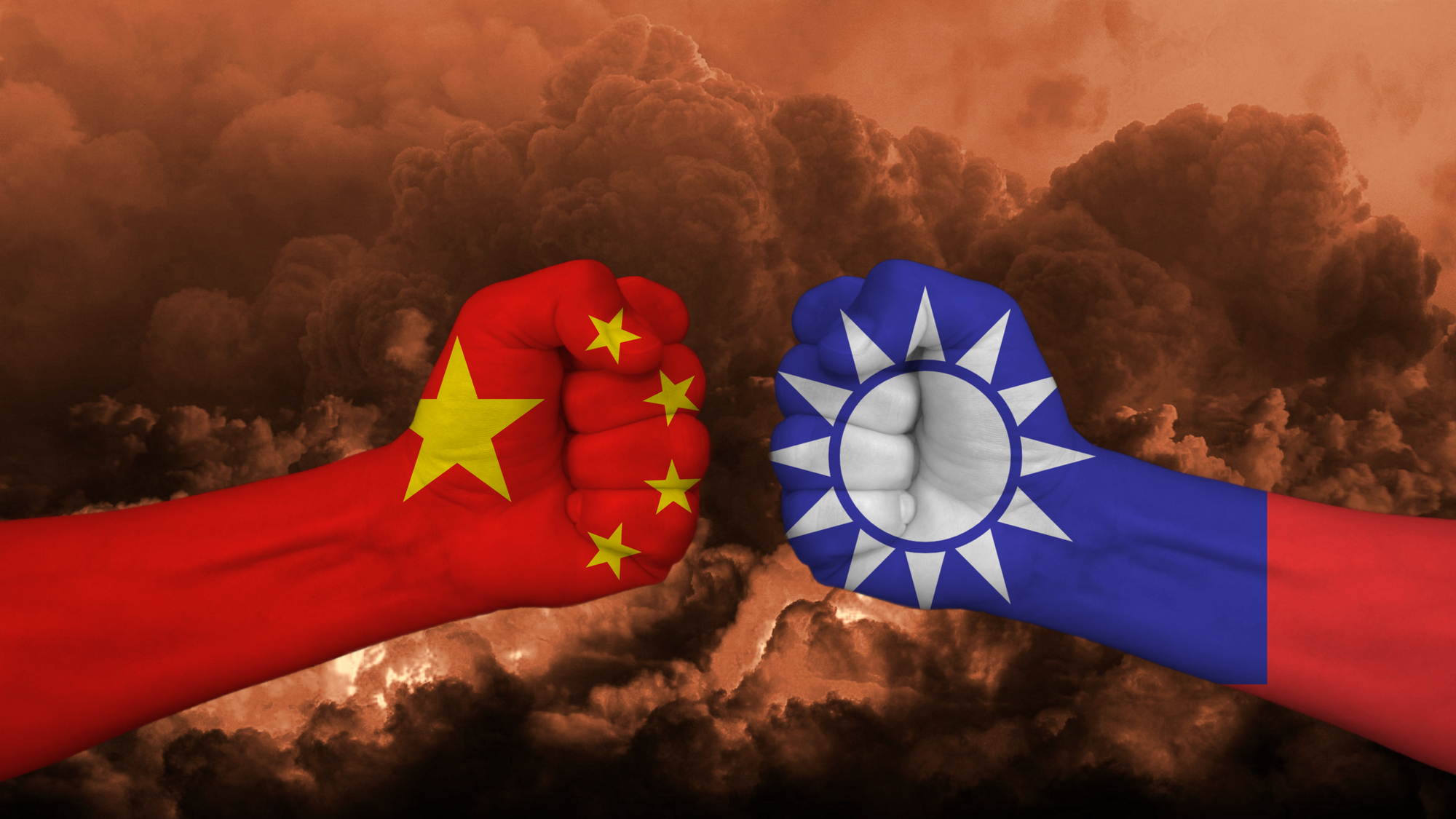
美國知名專欄作家(Nicholas Kristof)近日在紐時發表文章.,若中國對台採取軍事行動,初期警訊可能不是飛彈或登陸,而是北京悄悄將資產撤離西方國家,以避免戰爭爆發後遭凍結;另一個可能訊號則是中國境內掀起愛國宣傳,號召民眾捐血。
接下來可能伴隨部隊調動與外界對「是真威脅還是虛張聲勢」的爭論,同時透過網路攻擊癱瘓台灣部分電網與銀行系統。台灣網路也可能因海底電纜遭破壞而變得遲緩。
更激烈的情境,包括飛彈攻擊台灣總統府及軍事、情治目標,意圖進行「斬首」;甚至也可能打擊日本與關島的美軍基地,藉此阻止美軍馳援。文中提到,中國艦艇可能對台實施封鎖,並特別針對美國與日本的支援進行阻截,防止外部援助進入台灣。
他表示,這種「初期攻擊版本」的推演,是綜合與軍事規劃人士的對話,以及史丹佛大學學者(Eyck Freymann)即將出版的《Defending Taiwan》一書內容而來。.................................................
全面入侵可能失敗 ? 中國在灰色地帶已採取包括網路攻擊、切斷網路電纜、派遣軍機與軍艦靠近台灣等行動,同時也舉行實彈軍演,試圖迫使台灣接受在中國監督下成為某種「自治區」。
比「海上隔離」更嚴重的升級是「封鎖」,尤其若針對油與天然氣,可能導致全面戰爭 ?
:若台灣人不清楚願意為自我防衛付出多大代價,美國為何要冒著生命風險、花費數十億美元去保護台灣? 然而美國壓迫台編列 1.25. 兆新台幣的國防預算 購買美國的軍事武器裝備 令人又驚又喜.
中國也可能取得台積電(TSMC)這類高度先進晶圓廠,並稱其在戰略角度是「全世界最重要的公司」。美國外交關係協會(Council on Foreign Relations)2023 年報告指出,若晶圓廠因戰爭癱瘓,可能引發「全球經濟大蕭條」。.........
 .The Economist has called Taiwan “the most dangerous place on earth.” Its judgment was based not only on the intense volatility of the region – a volatility that has been underscored by China’s continuing military activity in and around the Taiwan Strait - but also because of its immense importance to the global economy:
-
Ninety percent of cutting-edge semiconductors are produced in Taiwan
-
Fifty percent of the world’s container traffic passes through the Taiwan Strait on an annual basis
-
The center of gravity for China’s economic miracle lies perilously close to key Taiwan shipping lanes
-
Any conflict in or around Greater China would have devastating consequences for the free flow of hydrocarbons from Middle Eastern producers to the dynamic economies of Northeast Asia.
In assessing geopolitical and military risk across the Taiwan Strait and adjacent waters, we address, among other pressing .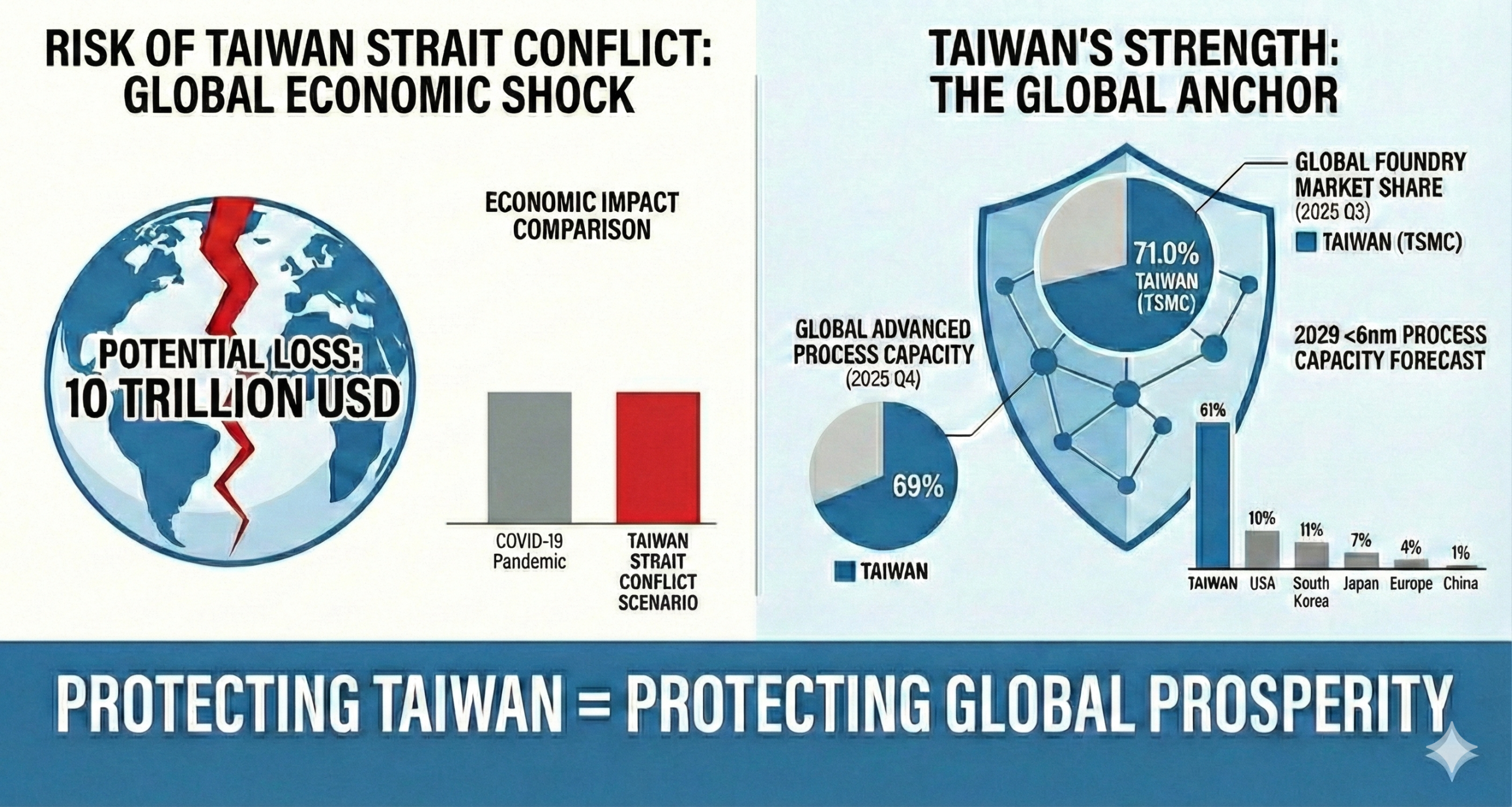 issues:
-
The policies and decision-making process of the Chinese Communist Party and the People’s Liberation Army
-
The consequences of the changing political situation in the United States on the open-ended continuation of Taiwan’s de facto independence
-
Taiwan’s ability to develop a credible military deterrent
-
China’s increasingly assertive maritime posture in the South China Sea
-
The risk of an accidental confrontation


限會員,要發表迴響,請先登入


