...
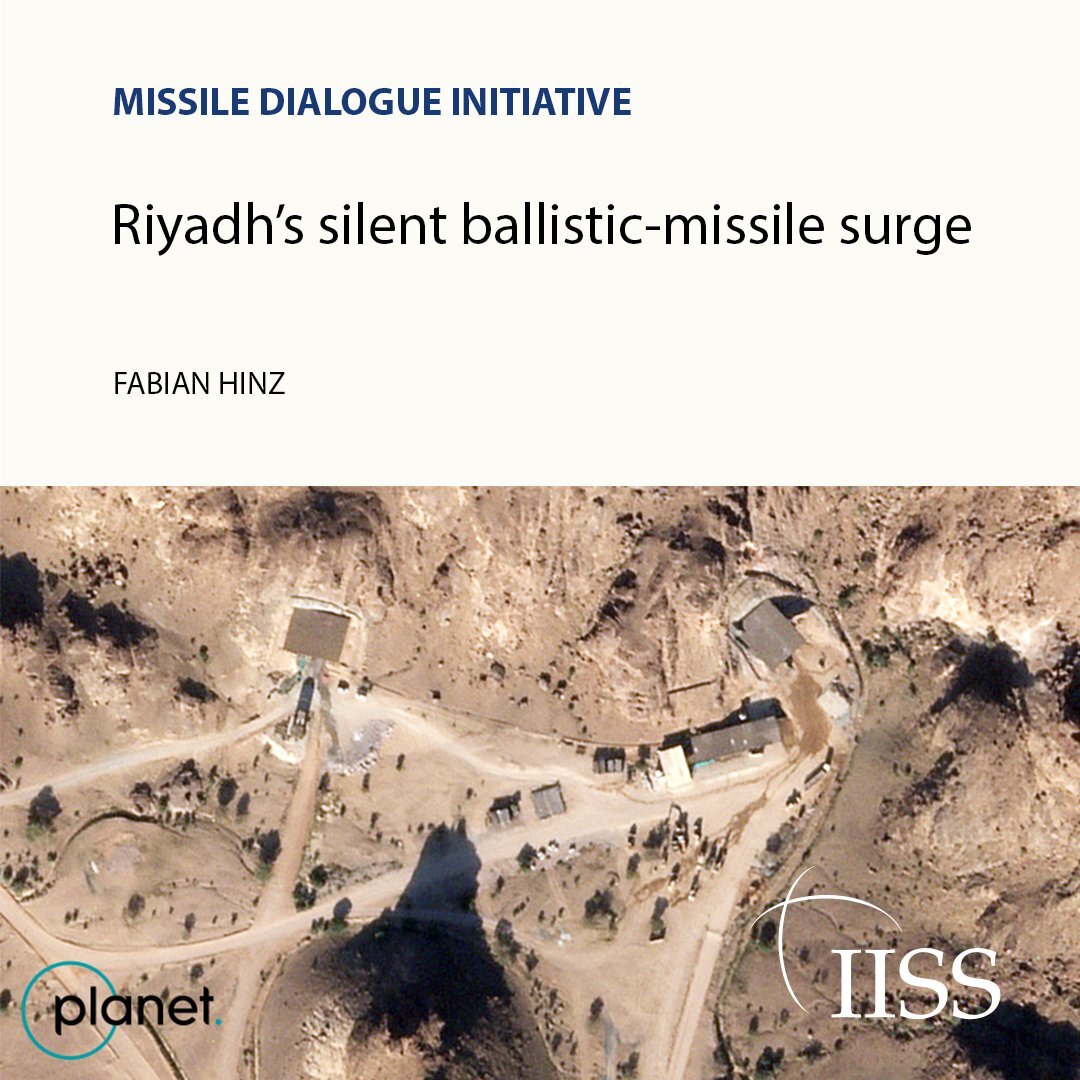
Riyadh’s silent ballistic-missile surge.
While the details surrounding Saudi Arabia’s missile capabilities remain largely elusive, recent satellite imagery indicates the country may be quietly modernising or expanding its ballistic-missile force.
Saudi Arabia established its long-range surface-to-surface missile capability in the 1980s in response to regional missile proliferation and use, particularly during the Iran–Iraq War, as well as Israel’s demonstrated ability to conduct highly effective long-range aerial strikes. In 1988, Riyadh acquired DF-3 (CH-SS-2) intermediate-range ballistic missiles from China. To support the deployment of these systems, the Royal Saudi Strategic Missile Force (RSSMF) constructed four underground bases at al-Hariq, al-Sulayyil, Raniyah and al-Watah.
While the liquid-propellant DF-3 missiles provided substantial range, their operational limitations were readily apparent even at the time of purchase. The DF-3 required complex and time-consuming launch preparations and its inaccuracy further diminished its operational value. By the 2000s, various sources suggested that Saudi Arabia was seeking to procure more-accurate solid-propellant missiles from China, with later reporting claiming that Saudi Arabia had purchased the DF-21 (CH-SS-5) in 2007. Memorabilia (missile models) associated with the RSSMF also suggest that the country may have acquired missile systems other than the DF-3.
In 2014, Saudia Arabia displayed the DF-3 in public for the first time, sparking speculation that Riyadh might adopt a more open posture regarding its ballistic-missile capabilities. While no such increased openness has followed, geospatial analysis points towards significant development activity related to the RSSMF since the late 2010s.
.

Riyadh’s silent ballistic-missile surge.
英國智庫倫敦國際戰略研究所(IISS)通過衛星照片判讀,認為沙烏地阿拉伯最新建造的,規模可能不亞於一座小型城鎮的地下導彈基地已完工,目前可能已投入使用.
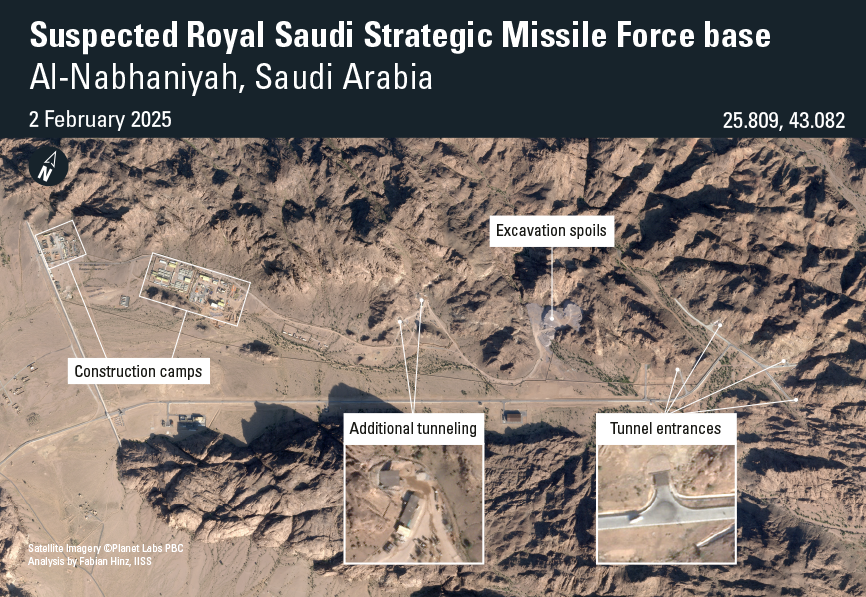
沙烏地阿拉伯在中部的納布哈尼亞鎮建設了新的導彈基地,是自 20 世紀 80 年代以來建造的第一個新的此類設施,開工時間大約是 2019 年,2024 年初基本完工,但其中一些隧道可能仍在進行施工。
英國軍情局長MI-6.情報分析認為,該基地的地下坑道及地下防禦設施的土木建築工程項目,極為可能性由中國廠商承包興建施工,採用中國TBM.機械等設備施工?
.
承包商的記錄也顯示這些建築項目,由沙烏地阿拉伯國防部負責管轄,因此基本可以確認納布哈尼亞山區這些工程是新的導彈基地。納布哈尼亞的新地下導彈基地與沙特皇家戰略導彈部隊(RSSMF)基地基本相同.
沙烏地阿拉伯1988年從中國引進東風-3,ICBM(無核彈頭),原因是兩伊戰爭加劇了中東地區導彈擴散,以及以色列在第五次中東戰爭中展現出了長途空襲的能力,讓同為阿拉伯國家的沙烏地阿拉伯認為潛在威脅日益增加,所以向中國購買東風-3來保護自己。
這些跡象都說明,在 2010 年代後期,沙烏地阿拉伯很有可能在中國的幫助下對導彈基地設施進行了一定擴建和修理。
.
1988年兩伊戰爭期間,沙烏地阿拉伯向中國購買DF-3.(ICBM)無核彈頭,尋求自衛,同時秘密引進中國軍事顧問集團及工兵部隊,協助興建地下堡壘導向飛彈基地.
如今納布哈尼亞鎮建設了新的導彈基地,令人懷疑是否扔有中國軍事顧問支援,指導地下軍事基本興建工程項目,2024年底傳聞沙烏地阿拉伯有意核准,在首都利雅德郊區某地區,同意中國開發5 平方公里的商業城,並且同意中國派遣軍隊駐守?
目前英國與美國情報得知,沙烏地阿拉伯已經完成6處導向飛彈基地,是否有其他的導向飛彈基地正在興建中,不得而知,國際軍事戰略學者專家分析認為,沙烏地阿拉伯未雨籌謀,防範未來的中東地區可能性爆發大規模的戰爭,提前準備,有被無患的戰略思想謀略(幕後極為可能性由中國軍顧問指導參與導向飛彈基地敵建設項目).因為1964-2024.美國與沙烏地阿拉伯簽署的合作防禦條約已經期滿終止,不再續約,即將上任的新國王小撒熱曼親王,早已黯中求助於中國,協助沙烏地阿拉伯的國防建設,除此之外沙烏地阿拉伯已經向中國採購大量的軍火武器設備,用來更新替換美國的軍事武器,由此看來美國與英國在沙烏地阿拉伯吃香喝辣的好日子,已經結束由,中國取取代已經有部份的沙烏地阿拉伯的軍隊改為中國武器列裝使用....
The Saudi Foreign Minister’s responded to a question about Saudi Arabia’s interest in purchasing Chinese missile systems..
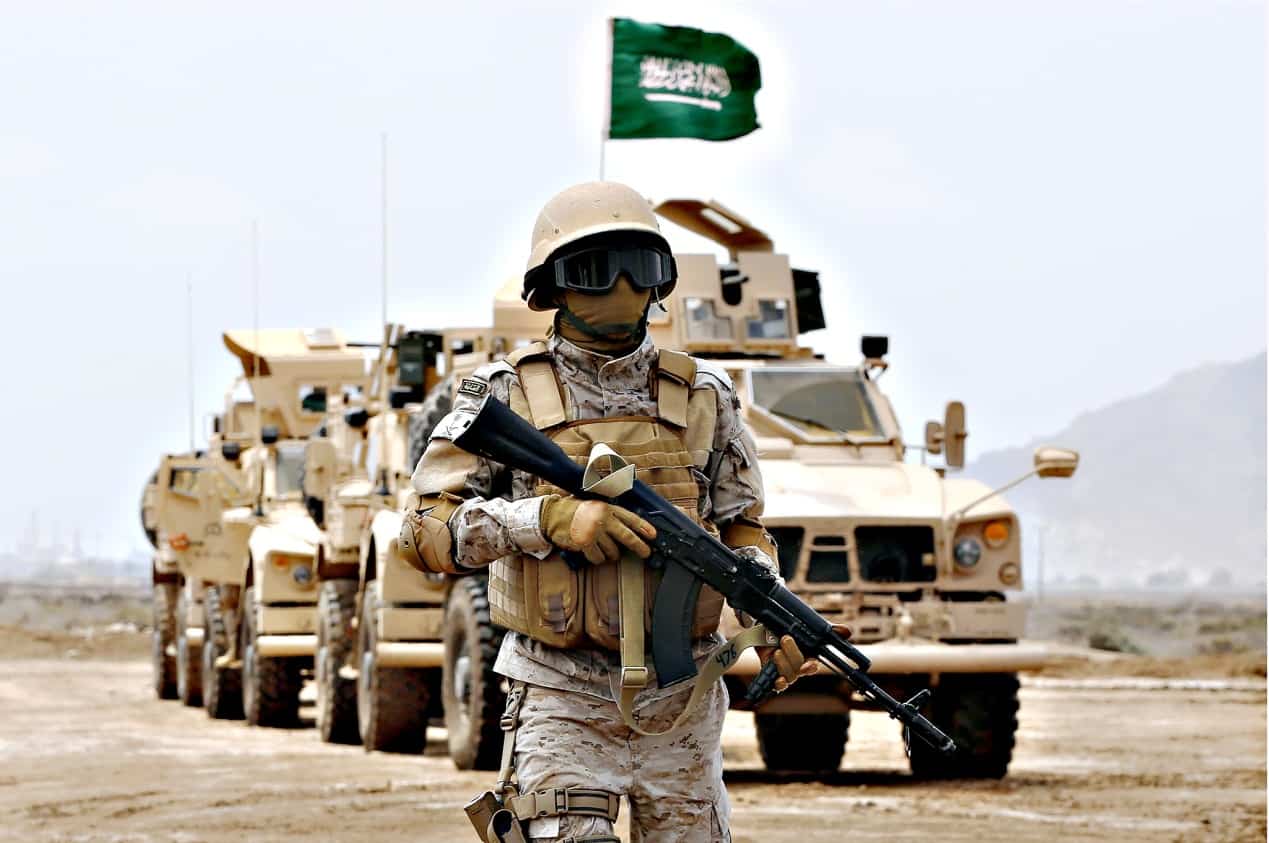
Why the Chinese Dragon Saudi Arabia Is Producing Ballistic Missiles With Chinese Help [Infographics].
Saudi Arabia may use China as a source of weapons in replacement for US
 .
.
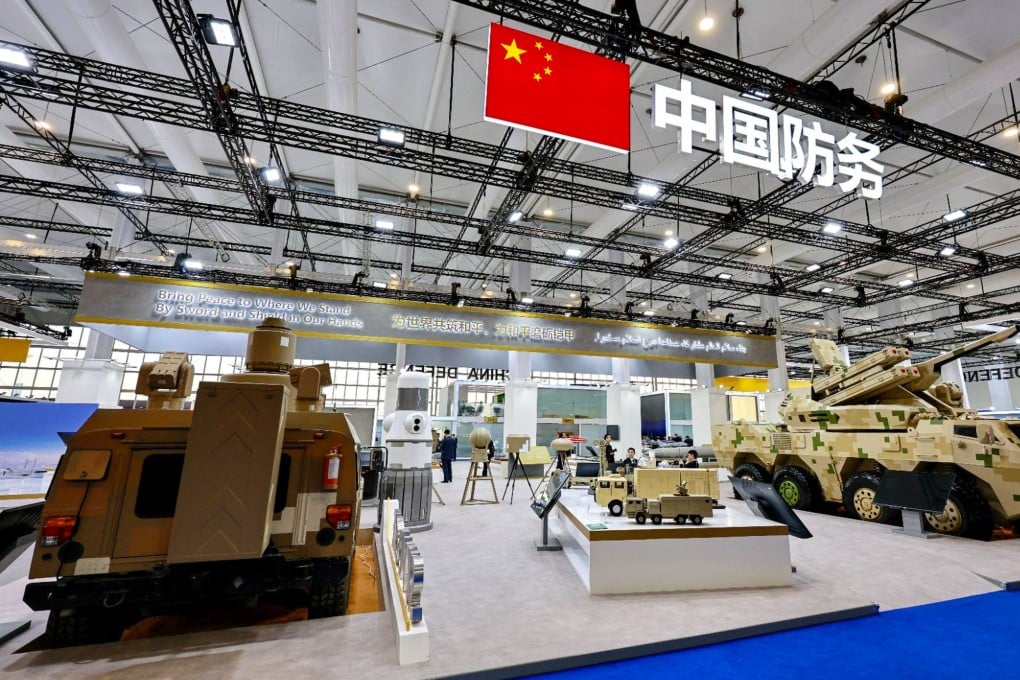
Saudi gets huge arms deal from China worth $4 billion.


Saudi Arabia, led by Crown Prince Mohammad bin Salman, is previously known to have purchased missiles from China

Saudi Arabia is building its own fleet of ballistic missiles with assistance from China, CNN reported Thursday, citing US intelligence sources. While it was known that the kingdom had purchased missiles from China, satellite images obtained by the network purportedly show that Saudi Arabia is manufacturing the weapons in at least one facility as well.US intelligence officials have been briefed on the issue and shown evidence of “multiple large-scale transfers of sensitive ballistic missile technology” between the Saudis and the Chinese,
If confirmed, the news could throw a wrench in the Biden administration’s goal of restraining Iran’s weapons manufacturing with the help of Tehran’s longtime rivals in Riyadh.

.Chinas Ministry of Foreign Affairs acknowledged working with Saudi Arabia but denied the involvement of weapons of mass destruction
A suspected new missile base
Most notably, Saudi Arabia appears to have constructed an underground missile base near the town of al-Nabhaniyah, marking the first new facility built since the 1980s. Construction began in 2019 and appeared to be largely completed by the beginning of 2024, although some tunnel work continued.Multiple indicators point to the site’s function as a missile base. The style of the administrative buildings aligns with other known RSSMF facilities, as does the geographical separation between the underground complex and the overground residential and administrative areas.
Tunnel entrances follow the same design seen at the RSSMF base at al-Sulayyil, and contractor records confirm the project falls under the purview of the Ministry of Defense. Additionally, RSSMF commander Jarallah Alaluwayt was reported to be in al-Nabhaniyah (engaged in charitable activities) shortly before construction began..

.
New facilities at the RSSMF Center and School
New construction is also visible at the RSSMF Center and School in Wadi al-Dawasir. The site includes an approximately 29 metre-tall high-bay building, likely built in the late 1980s to support the DF-3 force, possibly as a training or maintenance facility. In the early 2000s, an approximately 17 metre-tall high-bay building was added, likely linked to the reported acquisition of a newer, more compact missile system. Most recently, between 2019 and 2021, a third large high-bay building was constructed at the site. While its exact function remains unclear, its design and placement suggest it serves an operational or support role within the RSSMF infrastructure.
.
.
Further activities
Similar signs of modernisation or expansion are visible at other RSSMF sites. Two new annexes were constructed at the RSSMF headquarters in Riyadh between 2017 and 2019. In the same time span, the number of covered parking spaces at the headquarters increased from around 511 to 688.
.
.In the second half of the 2010s, new tunnels were constructed at the RSSMF missile bases in al-Hariq and Raniyah. An additional underground section was also constructed at the al-Sulayyil base between 2019 and 2023.
.
.
Unanswered questions
While the above activities point towards a potential modernisation or expansion of RSSMF capabilities, details about the nature and scope of these developments remain largely elusive. One exception to the general secrecy surrounding the Saudi missile programme was a 2022 report by Intercept. Citing a United States intelligence source, the article claimed that Saudi Arabia was planning new imports of Chinese ballistic missiles under a programme named ‘Crocodile’. While these plans reportedly raised concerns in Washington, their specifics – including whether they were eventually implemented – remain unclear.


限會員,要發表迴響,請先登入


