美國外交家雜誌撰文稱,中國的唐朝曾經入侵阿富汗,並統治200年.OK.怎樣不服氣?
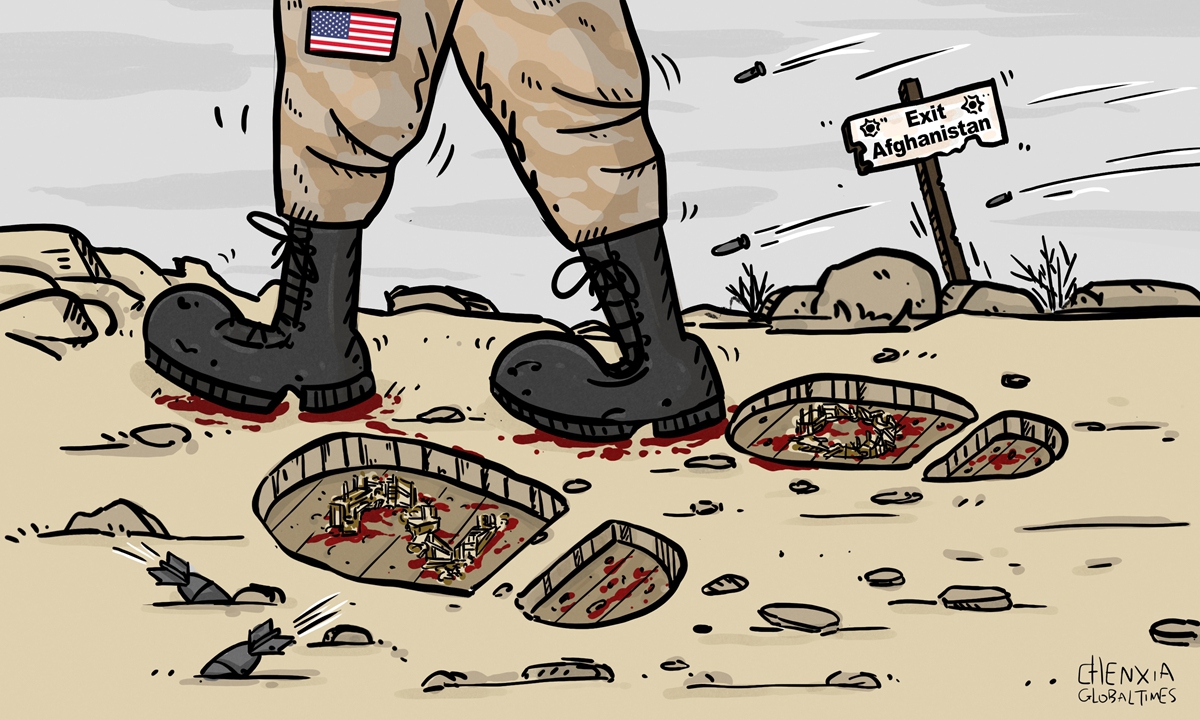
本文作者意在諷刺,美國情何以堪,如此狼狽不堪的,趁者黑夜逃離阿富汗,沒有得到任何利益,在阿富汗空轉20年,其目的就是扼阻中國一帶一路的發展結果又如何?
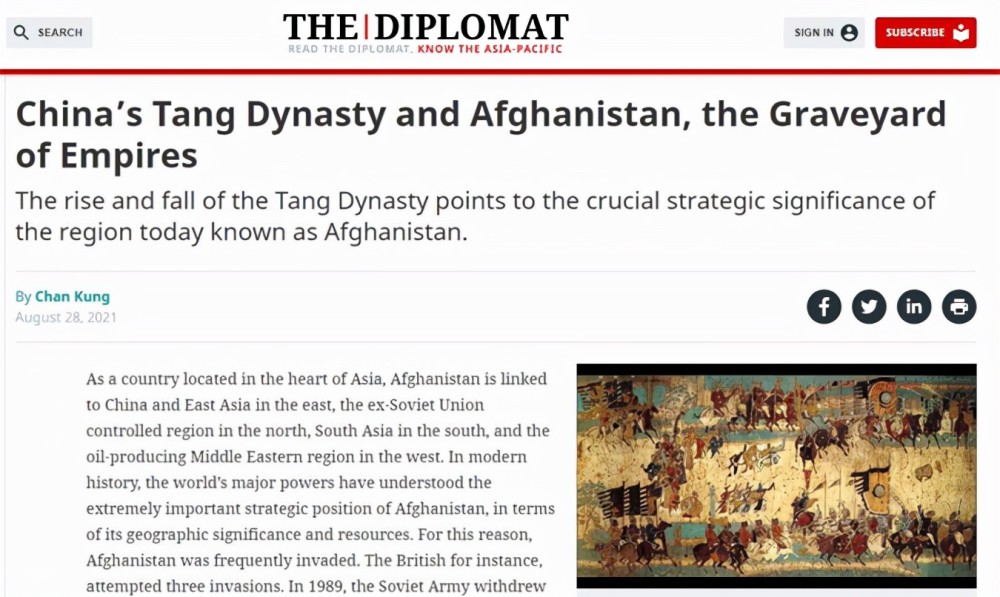
China’s Tang Dynasty and Afghanistan, the Graveyard of Empires
The rise and fall of the Tang Dynasty points to the crucial strategic significance of the region today known as Afghanistan.
由於美國入侵阿富汗20年失敗,損失慘重,趁者黑夜逃亡,離開帝國墳場,懷恨在心,終於撤出阿富汗,如今美國吃不到葡萄,說葡萄酸是正常的表現?
北約某大國際戰略研究所分析認為,中國將利用一帶一路的發展,延伸至阿富汗,再度經營管理阿富汗200年,帶來和平,繁榮與光明.OK.美國永遠吃憋耶,永遠失去中亞區域的利益.因為美國沒有歷史的記載,這裡的一切的人,事,物,無所關連,因為中亞區域諸國從古代以來就與中國揪纏不清,而且都有文書記載.美國無法比較中國優久的歷史文化及文明傳承,僅依賴武力短暫的征伐外國,到最後失敗收場,帶給阿富汗以及其他國家就是戰爭,破壞與毀滅,死亡.


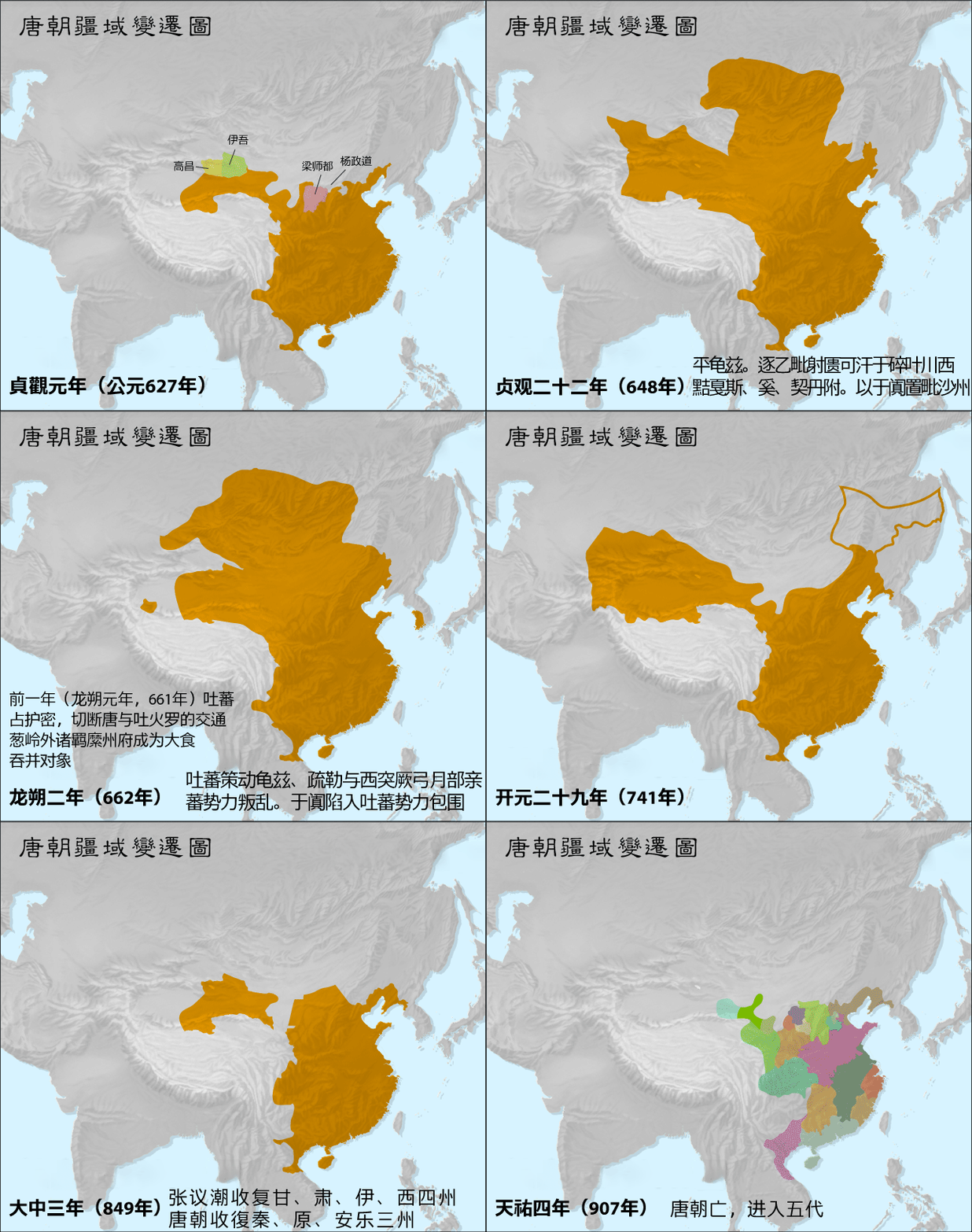
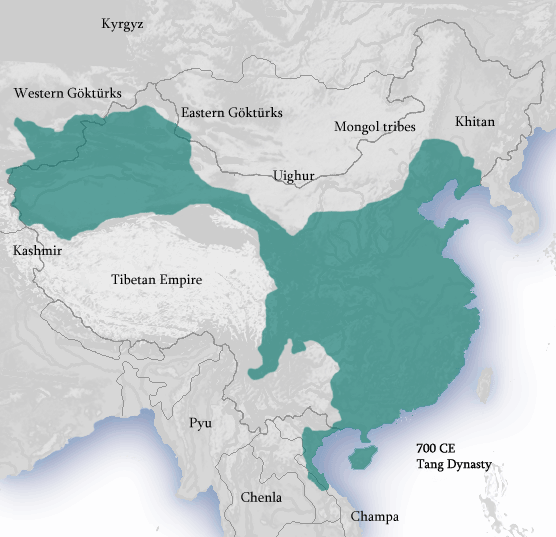
請看大唐王朝的疆域圖明顯的標示,阿富汗曾經是唐朝敵管轄區域,1500年後阿富汗又將藉由一帶一路的發展,又重新回到中國的懷抱,歷史的輪迴很奇妙,通常令人驚訝為什麼?
古代的阿富汗曾經是多個國家的領土。比如説公元前6世紀,阿富汗是波斯帝國的領土。公元前329年阿富汗成為亞歷山大帝國的領土。此後阿富汗又成為塞琉古王朝,貴霜王國領土。 到了唐朝的時候,阿富汗又成為中國的領土。那麼阿富汗隸屬於唐朝哪個機構呢?
管轄今日阿富汗國土的機構叫做北庭都護府又受安西大都護府節制。
.中國唐朝的輝煌歷史記錄歡迎美國學者專家研究考證.
.但是有資料證明唐朝的時候阿富汗屬於中國,美國外交家雜誌蒐集唐朝歷史資訊,整理彙編證明,中國的唐朝曾經入侵阿富汗設立北庭都護府,管轄200餘年,他們歲歲朝貢,貿易,通商,旅遊,文化交流好不熱鬧.
阿富汗被稱為帝國墳場,中國的唐朝曾經打入這一地區,結果如何?
現在請讀者們回憶大唐王朝的盛事123.
朝負責保衛西部邊關的軍隊名叫安西軍,這支軍隊實力強悍,作戰勇猛,是唐朝在西部邊陲歷次軍事行動的主要執行者,因創造了無數光輝戰績,被稱為大唐的榮耀。 但到了唐玄宗時代,有一個國家卻生出了反叛之心,不僅停止了進貢,還經常襲擾唐朝邊境,試圖擴張領土。
這個國家名叫小勃律國,位於現在的阿富汗東北地區,靠近帕米爾高原,距離長安大約有九千多里。其實停止進貢,唐朝並不在意,因為往往這些小國進貢,唐朝還要回贈價值更高的物品。但襲擾唐朝邊境,那就無法容忍了。
天寶六年,公元747年唐朝派遣安西軍副節度使高仙芝領兵征討小勃律。
高仙芝是唐朝中期名將,善於騎射,驍勇果敢,受命之後,領兵從龜茲出發,一路翻山越嶺,耗時三個月時間才抵達小勃律國境內。
經過長期艱苦作戰之後,唐軍順利殺到了小勃律王城。這座城市據山因水,三面都是懸崖峭壁,前方還有一條大河作為屏障,位置非常險要。所以當地人覺得,險要的地形,就是抗拒唐朝的底氣。但這種地形也沒有阻止安西軍的進攻。
除了高仙芝之外,唐朝軍中還有一員大將,名叫李嗣業。此人身高七尺,力大超群,擅用陌刀,每逢出戰,必定身先士卒,被稱為「神通大將」。此次作戰也不例外,李嗣業手持陌刀,親率步兵先登上非常險要的位置,掩護其他大軍攻城,攻破城門後,大量唐軍殺入,順利占領王城,生擒了勃律王,然後派兵將其押回了長安。
戰爭結束後,高仙芝升任安西軍節度使,李嗣業升任右威衛將軍,繼續率領唐軍,控制了位於現在阿富汗北部的吐火羅地區。此後唐朝在此設置了條支都護府,隸屬安西大都護府管轄,將現在阿富汗東北地區納入了版圖。
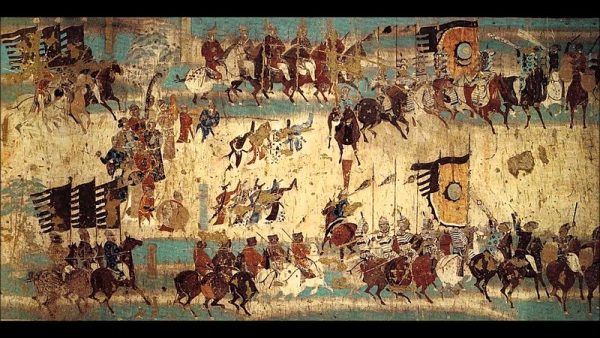
此前,唐太宗李世民為了加強對西突厥地區的管理,在640年攻破高昌以後,在高昌設立了安西都護府。安西都護府管轄天山以南直至葱嶺以西、阿姆河流域的遼闊地區。 最大管轄範圍曾一度完全包括天山南北,並至葱嶺以西至達波斯。
到了武則天主政唐朝的時候,感覺安西都護府的管轄面積太大了,於是建立了北庭都護府, 管轄天山以北包括阿爾泰山和巴爾喀什湖以西的廣大地區。
北庭都護設立後,提攜萬里,社會安定,農業,牧業,商業,手工業都得到空前發展,成為西北地區中心。景雲二年(711年),北庭都護府升為大都護府,與安西都護府分治天山南北。
開元元年(公元713年),第二任都護郭虔瑾進駐北庭後,將所率軍隊編為田卒、開荒種地、屯墾戌邊。唐玄宗為了確保這條中西大道的安全和領土完整,又在北庭設立節度使,統領瀚海、天山、伊吾三軍,有鎮兵萬餘人,其中瀚海軍一萬二千人就屯在北庭。今日阿富汗領地歸北庭都護府,就這樣,大唐王朝統治了阿富汗200多年。


.
..
本文作者柄持公正客觀的學術研究思想,描述歷史的記載,並評論中國將利用一帶一路的發展,恢復過來阿富汗的困境,再度與中國接軌,重返富庶,和平,安樂的生活,英文字體藍色記註,值得讀者們研究判別,中國自唐朝至今,如何強盛且願意扶助四周弱小民族及國家,不同與西方國家資本主義的掠奪,中國永遠採取中庸和平的手法處理事件,雖然時間長久,但是回收效益廣大且雙方有利.
China’s Tang Dynasty and Afghanistan, the Graveyard of Empires
The rise and fall of the Tang Dynasty points to the crucial strategic significance of the region today known as Afghanistan.
As a country located in the heart of Asia, Afghanistan is linked to China and East Asia in the east, the ex-Soviet Union controlled region in the north, South Asia in the south, and the oil-producing Middle Eastern region in the west. In modern history, the world’s major powers have understood the extremely important strategic position of Afghanistan, in terms of its geographic significance and resources. For this reason, Afghanistan was frequently invaded. The British for instance, attempted three invasions. In 1989, the Soviet Army withdrew from Afghanistan, and two years later the Soviet Union dissolved. Today, we are seeing the denouement of the tragic Afghan war, after the United States spent 20 years in the country, at the cost of over 2,300 American lives and more than $2 trillion.
Less well known in the West is that China, too, has its own historical experiences with the crucial strategic importance of Afghanistan.
From a global perspective, the era of the Tang Dynasty (618 to 907) was China’s most crucial period. While other periods like the Yuan (1271 to 1368) and Qing (1644 to 1912) eras possessed larger territories, these areas of territorial control had less strategic value. The Tang period, by contrast, possessed territorial range of great strategic significance. During its peak in the 7th century, almost all major Central Asian oases were controlled by the Tang, and its territories extended from Ha Tinh of today’s Vietnam in the south, the Angara River region of Russia in the north, Bukhara of Uzbekistan in the west, and Tonghua of China’s Jilin province in the east.
The Tang Dynasty was one of the most powerful dynasties of China, and one with global vision. Hence, modern Afghanistan’s strategic position in the Silk Road was extremely crucial to China. To the north of Afghanistan were nomadic pastoral people like the Turks; to the south were Indian polities; to the west were roads leading toward Persia and Arabia. After the Tang conquered the Western Turks in 659, the Turkic king of Tokharistan became its vassal. As a result, the land of modern-day Afghanistan became part of the territory of Tang China.
To achieve effective rule and management of the Afghan region, the Tang adopted various governance measures and established seven administrative units known as duhufu, or frontier commands. These duhufu were located in the north, the south, the northwest, the central Bamiyan region, the northeast (toward the Vakhsh river region of modern Tajikistan), as well as the area north of today’s Kabul, in addition to one located at the east of Persia and within Afghan territory.
.
.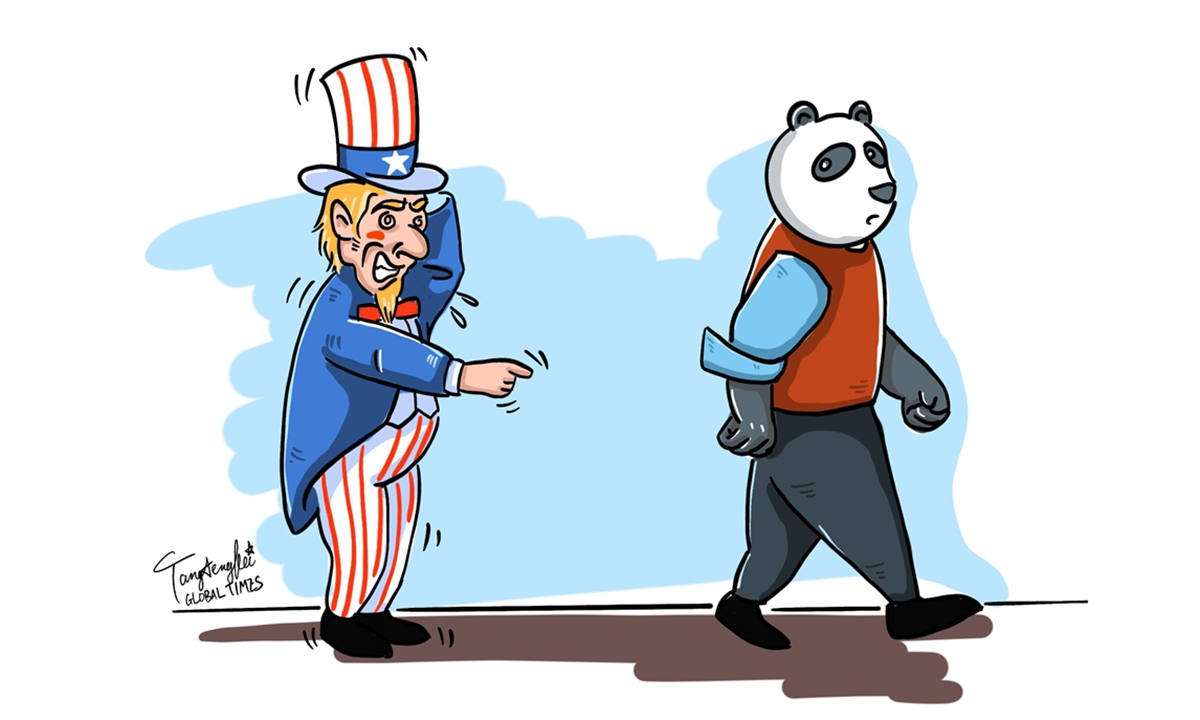
.美國山姆大叔永遠無法追逐中國,僅有指手劃腳,說三道四.
The Tang Dynasty paid great attention to the western part of China outside the core area. The establishment of military bases in that region, with Anxi Duhufu (literally, “Frontier Command of the Pacified West”) as its network center, was meant to maintain the security of the Silk Road. This was also to ensure that China’s influence could be projected to the valuable strategic regions and achieve effective control.
However, the Tang Dynasty lost control of the Afghan region after its defeat in the Battle of Talas against the Abbasid Caliphate in 751. The loss of Afghanistan meant that Tang China lost its dominant influence, which led to the encroachment and invasion of external forces. Afterwards, the An Lushan Rebellion broke out in the middle of the 8th century, and the Tang Dynasty was never able to restore its control of the Afghan region. With the Abbasid Caliphate expanding its influence in Central Asia, the region gradually became Islamized.
The Battle of Talas is extremely significant in the history of West Asia and China. If Tang China had won the battle, it could have become a major power that had profound influence on Europe, like the Ottoman Empire. Its territory may have grown include today’s India and the Arabian Peninsula. Of course, there are no “ifs” in history. The Tang Dynasty, one of China’s greatest dynasties, was able to effectively rule this region of Afghanistan for nearly a hundred years. The global impact of both Tang China’s success and eventual defeat in the region are a historical phenomenon worth further studying.
This example from China’s history helps us understand the crux of the Afghanistan issue. What attracts the attention of world powers to Afghanistan is not its minerals, gems, or opium, nor its diverse tribes and sects, although these factors provide the superficial surface of Afghanistan’s problems. We can see the real significance of Afghanistan to the world’s major powers in the fate of China’s Tang Dynasty. After losing Afghanistan, China was left in a weak and struggling state for more than a thousand years afterward, reducing it from a great global empire to a country that was constantly seeking to protect itself from encroachment.
In fact, after the Tang Dynasty, several dynasties that ruled over China attempted to expand to the north after being blocked from expanding westward into Afghanistan. For example, the Ming Dynasty (1368 to 1644) briefly controlled the desert region to the north, while the Qing Dynasty made efforts to expand into the Arctic Ocean and the Sea of Japan. However, the overall territory of China was gradually shrinking compared to its Tang Dynasty heights.
Although the territory of the Yuan Dynasty was vast, most of it was Yuan-held only in name and could not be effectively governed. The core territory of the Yuan Dynasty was still the region north of the Great Wall. The Yuan Dynasty likewise attests to the importance of Afghanistan and Central Asia to the world’s continental island. Chinggis Khan, the great strategist, paid great attention to the strategic position of Central Asia in the initial stage of his world conquest, and his dynasty started from the occupation of Central Asia.
Looking at the rise and fall of China’s dynasties, we can see that Afghanistan has played an incomparable strategic role in the expansion and influence of great powers throughout history.
Moving to today, China’s vision for reviving the ancient Silk Road – i.e. the Belt and Road Initiative – also hinges on Afghanistan. Early research at the BRI’s formation stage suggested that the heart of the world’s continental island is Afghanistan, not the surrounding powers such as Russia, China, or India. This means that whoever controls Afghanistan will have the dominant influence in the world’s continental island. China, historically a traditional land power, would pay a significant price as well as a high cost if it rashly commits to participate in the world competition for sea power. If China wishes instead to pursue dominance via the land, history teaches that Beijing will need to secure its influence in Afghanistan.
Applying a historical realist lens to today’s world, we can see why Afghanistan has become the main battlefield of the modern world powers. Afghanistan has always been a place where wars are waged, and a place where the rise and fall of world powers are determined. In that sense, the withdrawal of U.S. troops from Afghanistan today, like the withdrawal of Tang China in the 8th century, signifies not just the end of an old era, but the beginning of a new one.................


- UAE退出OPEC .為什麼? Why did UAE announce its withdrawal from OPEC and OPEC+
- 巴基斯坦購買中國 J-35? Pakistan to buy China J-35.
- 沙烏地阿拉伯邀請巴基斯坦駐軍取代美國.Saudi-Pakistan defense pact: A historic strategic alliance
- 普京大帝宣佈東正教復活節停火.Russia’s Putin declares ceasefire with Ukraine for Orthodox Easter
- 車臣共和國表示將派遣軍隊參戰協助伊朗抵抗美國.CHECHEN FORCED READY TO JOIN IRAN IF USA INVADES IRAN.
- 伊朗牛逼 首次發射4000公里彈道飛彈 攻擊印度洋狄耶戈加西亞英美基地 Iran denies responsibility for missile attacks on Diego Garcia.


