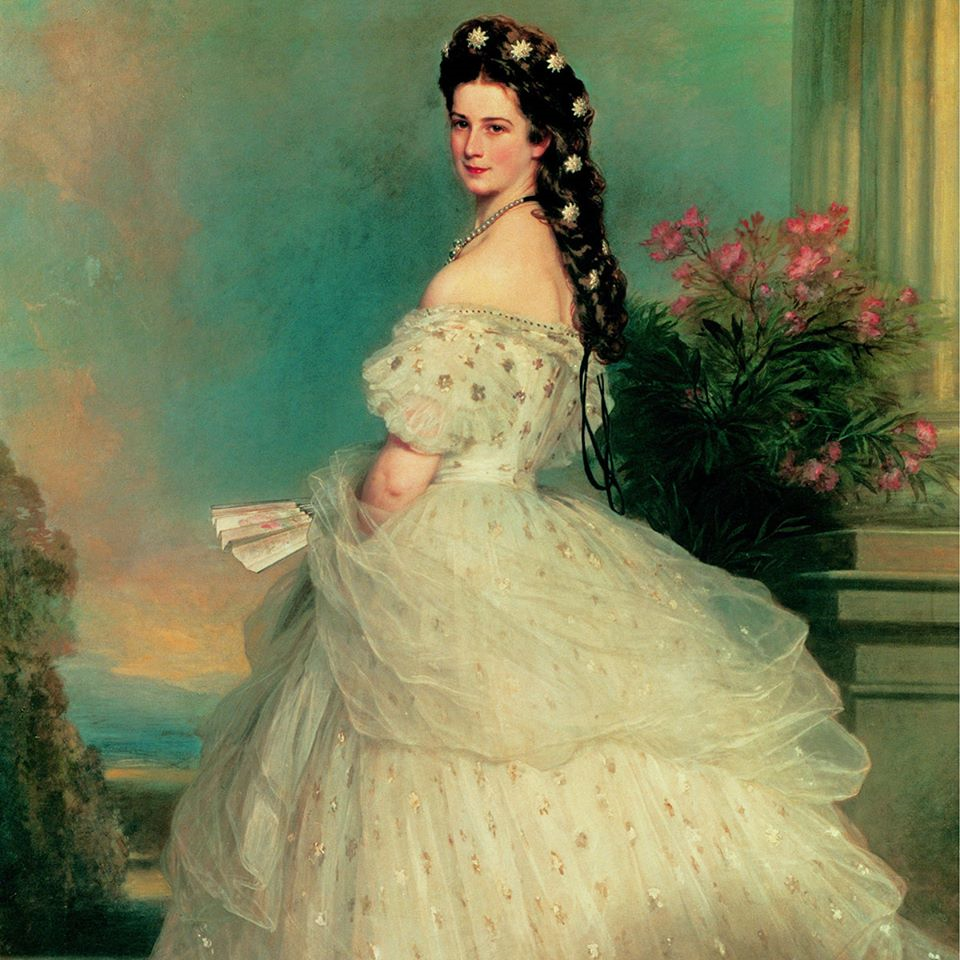
A deeper insight into Elisabeths life .
Since 2004 the Sisi Museum has been housed in the Stephan apartments, so named after Archduke Stephan Viktor. Here numerous personal items that once belonged to Elisabeth are used to help illustrate the true personality of the frequently misunderstood Empress. The sensitively designed exhibits, created by renowned set designer Prof. Rolf Langenfass, are inspired by the monarchs poetry.
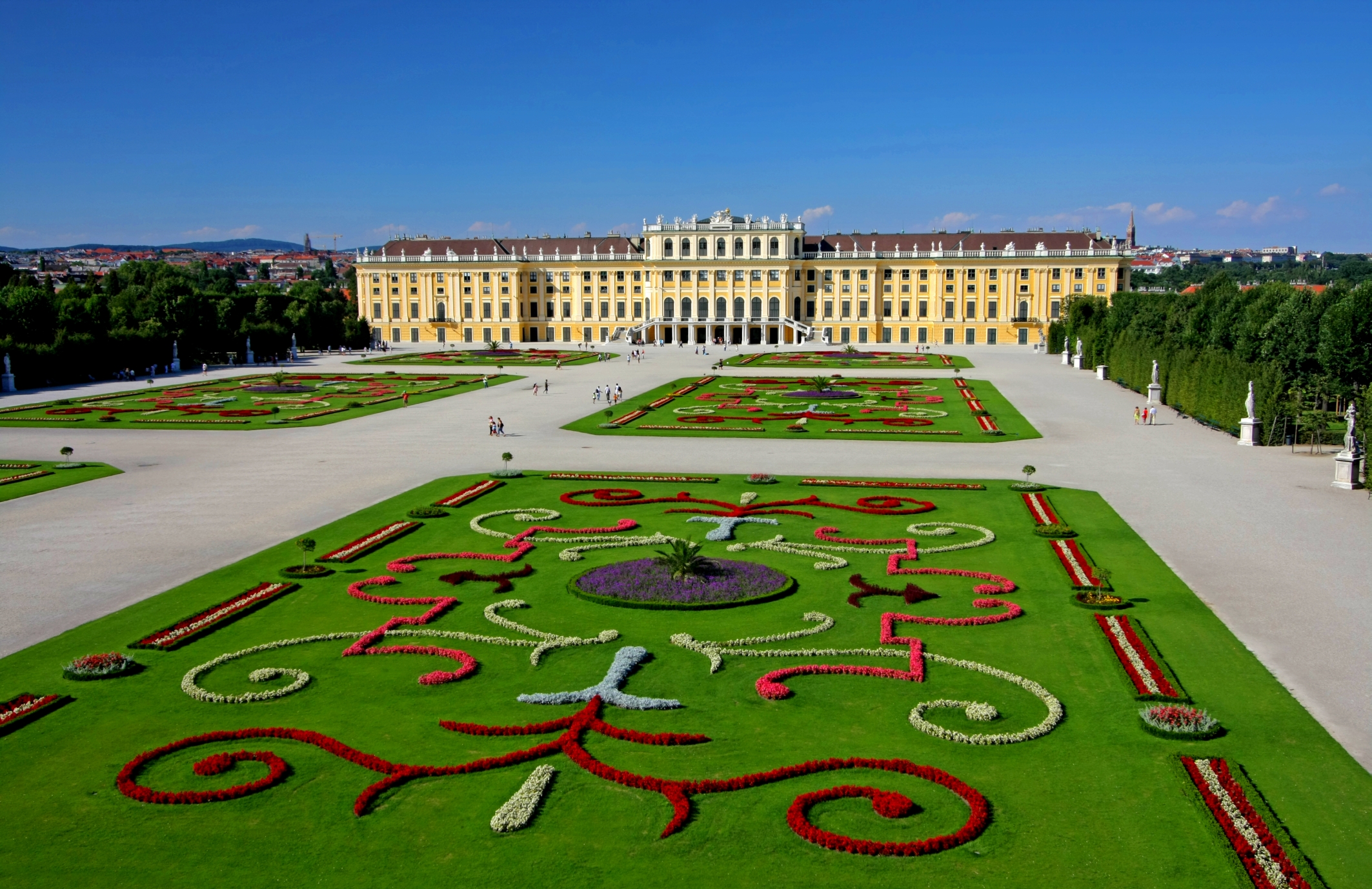
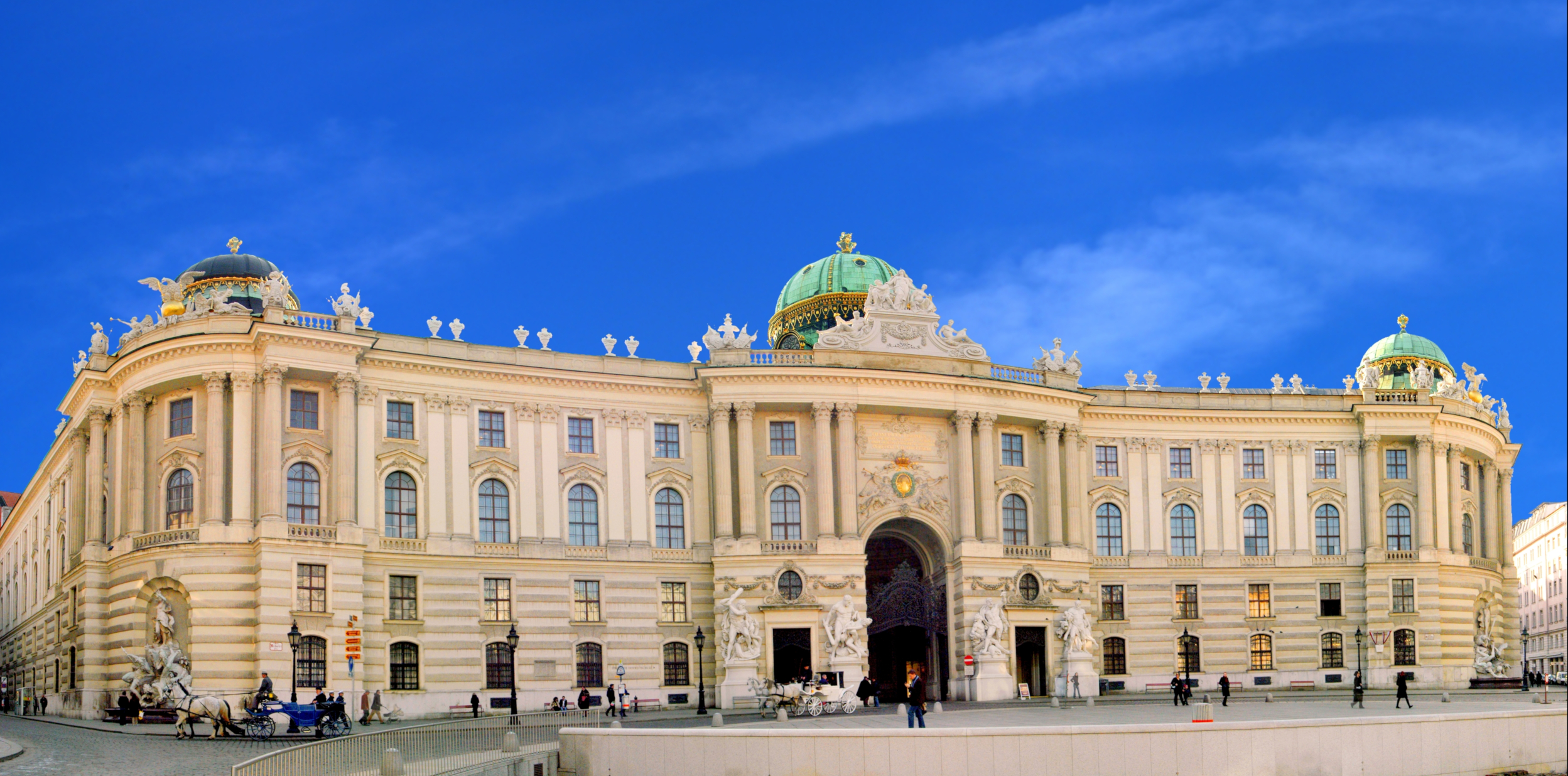
容華貴,高貴氣質,典雅美麗的茜茜公主,淒美的愛情故事令人懷念.
伊莉莎白·亞美莉·歐根妮(:Elisabeth Amalie Eugenie,1837年12月24日-1898年9月10日),通稱「奧匈帝國的伊麗莎白」(德語:Elisabeth von Österreich-Ungarn)或「奧地利的伊莉莎白」,是弗朗茨·約瑟夫一世之妻子1],即奧地利帝國皇后兼匈牙利王后以及波希米亞及克羅埃西亞王后,她的美貌和魅力征服了整個歐洲,被世人稱為「世界上最美麗的皇后」。
伊莉莎白出生在巴伐利亞的一個貴族家庭,通常被家人與朋友暱稱為茜茜(Sisi)。
雖然伊莉莎白身為女公爵,在她16歲遇見弗朗茨之前,卻享受著自然的貴族式教育生活模式。婚姻將她推入了正式的哈布斯堡王朝宮廷生活中,讓她始料不及且感到志趣相異。婆婆蘇菲公主在伊莉莎白女兒出生後即接管了她們,甚至在伊莉莎白不知曉的情況下為她們洗禮。因此在婚姻初期,她因女兒的撫養權與婆婆不和。雖然伊莉莎白在奧匈帝國的政治影響上有限,但她已經儼然成為一個文化偶像。伊麗莎白如同其在電影和戲劇製作一樣,被認為是一位在自由精神和傳統宮廷規矩徘徊的悲劇人物。
在西方王公貴族封閉觀念及保守的宗教法令,那時期的女人是不允許自由戀愛的,茜茜公主就是昔時包辦式婚姻制度下的犧牲品.尤其是王公貴族政權式的婚姻.


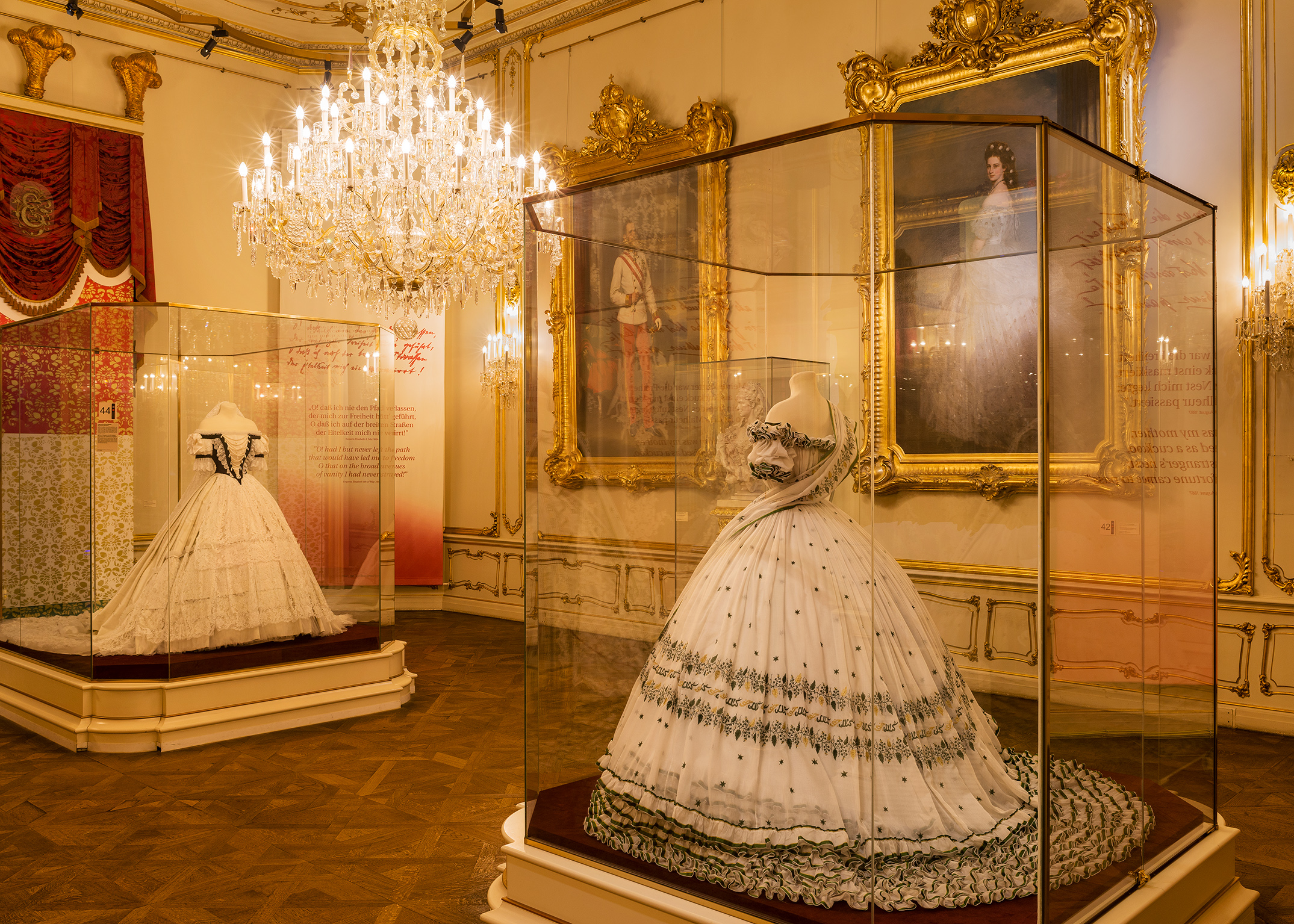
In 2006 the SKB bought the so-called Klauda Collection of approximately 240 items. Elisabeths travelling medical chest, her games case, a wash set and other items from the collection now feature in the exhibition. Other objects, such as her christening robes and milk tooth, are only displayed on special occasions.
In 2009, after 5 years in service and having welcomed over 3 million visitors, the Sisi Museum was closed for renovation and partial remodelling. The display was extended to include some spectacular exhibits, including the reconstructed Hungarian coronation dress, the black coat used to cover Elisabeth after the assassination, mourning jewellery and the young Sisi on her swing.
1837年12月24日伊莉莎白出生於德國慕尼黑。伊莉莎白是巴伐利亞的馬科西米利安·約瑟夫公爵(維特爾斯巴赫家族一個旁支)與同宗的露多維卡公主(巴伐利亞國王馬克西米利安一世的女兒)的次女。她的童年大多在施塔恩貝格湖畔的帕薩霍森城堡長大。父親馬克思公爵在宮廷中沒有任何職務,他喜好旅遊和馬戲,不拘小節,喜歡自由自在,被人稱為「瘋子麥斯」,因此茜茜的童年沒有受到太多拘束,並且馬克思的性格也深深影響了茜茜。童年的茜茜就表露出了憂鬱,多愁善感的特質,這種性格伴隨她一生。.
1853年,奧地利的蘇菲大公夫人希望她的兒子奧地利皇帝弗蘭茨·約瑟夫一世迎娶一名同是維特爾斯巴赫王朝出身的妻子。蘇菲是伊莉莎白母親的姐姐,所以她是蘇菲的侄女。蘇菲打算讓伊莉莎白的姐姐海倫妮和弗蘭茨·約瑟夫結婚。於是伊莉莎白隨她母親與18歲的姐姐海倫妮赴上奧地利的度假村巴德伊舍。原定計劃是海倫應當在那裡引起其23歲的表親弗蘭茨·約瑟夫一世的注意,並與之訂婚。但出乎意外的是弗蘭茨·約瑟夫竟然愛上了15歲的伊莉莎白。[3]
弗蘭茨違拗了他母親索菲的意見,指出若他不能娶伊莉莎白的話,他終身不婚。兩人最終於1年後的4月24日在維也納奧古斯丁教堂結婚。弗蘭茨·約瑟夫將伊舍的行宮作為結婚禮物送給了伊莉莎白,此後這座行宮改建成了一個E字形。


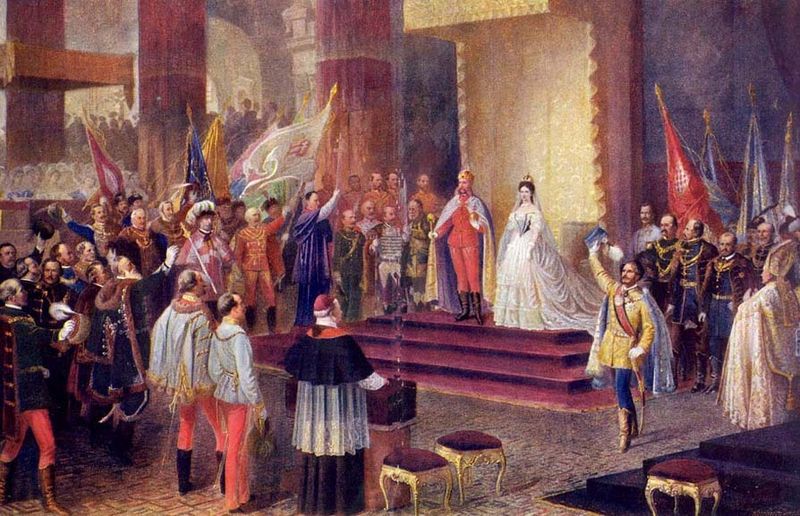
伊麗莎白亦會寫詩,如〈Nordseelieder〉和〈Winterlieder〉等,兩者的靈感都來自她最喜愛的德國詩人海因里希·海涅,她曾提到自己是莎士比亞所指的童話女王Titania。她的詩大多涉及到她的行程、古典希臘和其他浪漫主題,以及對哈布斯堡王朝具有諷刺意味的評論。在她沉迷住詩的這幾年,伊麗莎白深入研究古代及現代的希臘語,並沉浸在荷馬的《伊利亞特》和《奧德賽》中。許多研究希臘的講師皆曾陪同皇后散步長達一小時,進而彼此討論對希臘的心得。據19世紀的當代學者指出,伊麗莎白比任何出生於巴伐利亞的希臘王后更了解希臘。

1898年9月10日在瑞士日內瓦,伊莉莎白和施塔雷伯爵夫人沿著日內瓦湖邊的勃朗峰濱湖路步行,準備登上日內瓦號輪船前往蒙特勒,被義大利年輕的無政府主義者路易吉·盧切尼用一把磨尖的銼刀刺傷心臟。她遭到襲擊後,不知道她的受傷嚴重程度,還繼續登船。直到除去緊身衣,周圍人才意識到問題的嚴重。終因流血過多身亡,時年60歲。她的最後一句話是:「出了什麼事?」.
Elisabeth of Bavaria (24 December 1837 – 10 September 1898) was Empress of Austria and Queen of Hungary by marriage to Emperor Franz Joseph I.
Elisabeth was born into the royal Bavaria house of Wittelsbach. Nicknamed Sisi, she enjoyed an informal upbringing before marrying Emperor Franz Joseph I at the age of sixteen. The marriage thrust her into the much more formal Habsburg court life, for which she was unprepared and which she found uncongenial. Early in the marriage she was at odds with her mother-in-law, Archduchess Sophie, who took over the rearing of Elisabeths daughters, one of whom, Sophie, died in infancy. The birth of the heir apparent, Crown Prince Rudolf improved her standing at court, but her health suffered under the strain, and she would often visit Hungary for its more relaxed environment. She came to develop a deep kinship with Hungary, and helped to bring about the dual monarchy of Austria–Hungary in 1867.
 .
.
Allison Pataki’s Empress Elisabeth of Austria Novels Being Developed as Series.
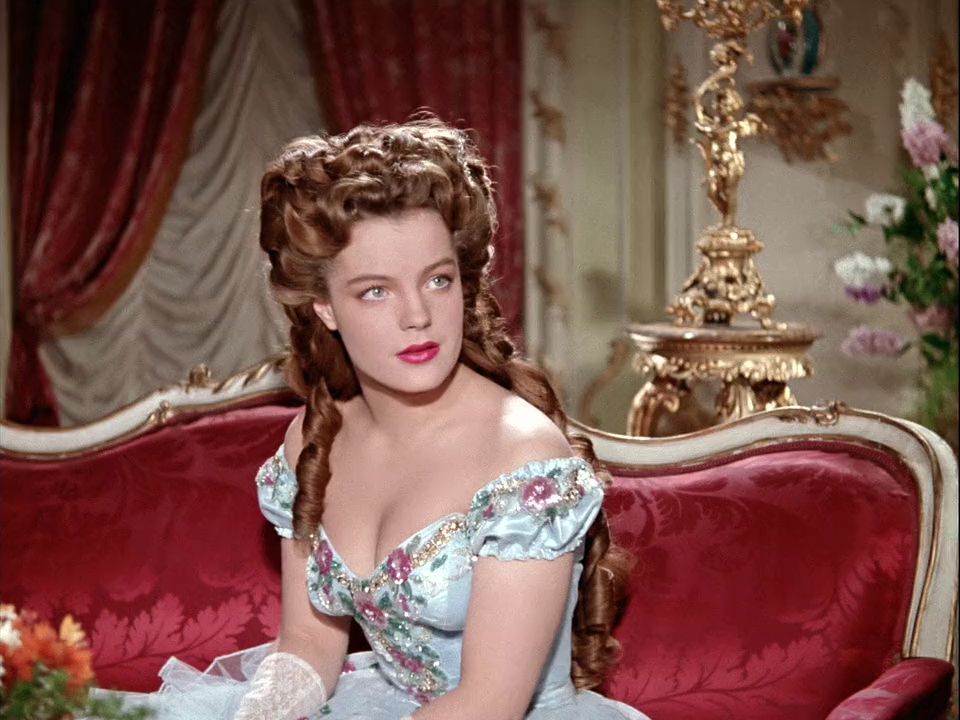
.茜茜公主》電影三部曲,就是取材自Elisabeth傳奇的一生,片名取自她的乳名「茜茜」,甫上映就有極高的票房,在歐洲造成轟動,是影史上最成功的德語電影之一。
Elisabeth的一生傳奇濃縮為三小時又18分鐘的精華,紀錄她從初嚐戀愛滋味的少女,入宮後經歷一連串的苦難與轉折,蛻變成一位成熟美麗的女人,除了與皇帝的羅曼史外,劇情也聚焦在Elisabeth出色的外交手腕,幫助建立奧匈帝國,成功贏得歐洲大陸的心。《茜茜公主》三部曲陪著歐洲人度過二戰後的重建期,Romy Schneider迷人的笑容一掃人們的陰霾,還因此受封「戰後歐洲第一美人」。
《茜茜公主》(Sissi)是奧地利拍攝的歷史題材的德語三部曲電影。第一部公映於1955年,電影講述了奧地利皇后伊莉莎白(1837年—1898年)的早年生活,故事改編自1952年出版的瑪麗·布蘭克-艾斯曼(Marie Blank-Eismann)的同名小說。由於第一部《茜茜公主》在票房收入上獲得了巨大成功,1956年和1957年又相繼拍攝並公映了續集《茜茜公主2:年輕的皇后》(Sissi – Die junge Kaiserin)和《茜茜公主3:皇后的命運》(Sissi – Schicksalsjahre einer Kaiserin)。

19th Century Slave to Beauty: Empress Sissi’s Bizarre Hair, Cosmetics and Diet Rituals


 1樓. red square 1232019/11/20 23:01
 red square 123 於 2019/11/20 23:01回覆


