.
置頂精選
中國海軍秘密籌建太平洋艦隊
2026/05/29 19:00
瀏覽434
迴響0
推薦10
引用0
.
 https://youtu.be/XaTtj8LlycY?si=XamPRVdynG_XBCao
.
.China’s Naval Buildup Exposes U.S. Shipbuilding Gaps and Fleet Weakness
.China has unleashed a decades-long naval-building program unlike any in modern times. Beijing has done this on the back of a commercial shipbuilding industry, nurtured and rapidly expanded after its embarrassing performance during the Third Taiwan Strait Crisis of 1996.
Its intent is to dominate maritime trade and the seas.The reality for the U.S. Navy today is that it lacks the commercial base to confront China’s naval forces, as evidenced by persistent delays in shipbuilding and labor shortages. The nation urgently needs a larger, sustainable fleet and a modern, globally competitive commercial shipbuilding sector. The Navy’s recently announced Golden Fleet must contribute to this revival.A recent report on the Navy’s Golden Fleet makes this case, lays out the challenges ahead and explains how to overcome them while avoiding past mistakes in naval shipbuilding, such as those with the Littoral Combat Ship and Zumwalt destroyer. Let’s hope these warnings will be heeded and that the Navy, with Congress, seizes the fading opportunity to revive the nation’s strategically important maritime industry.>>>
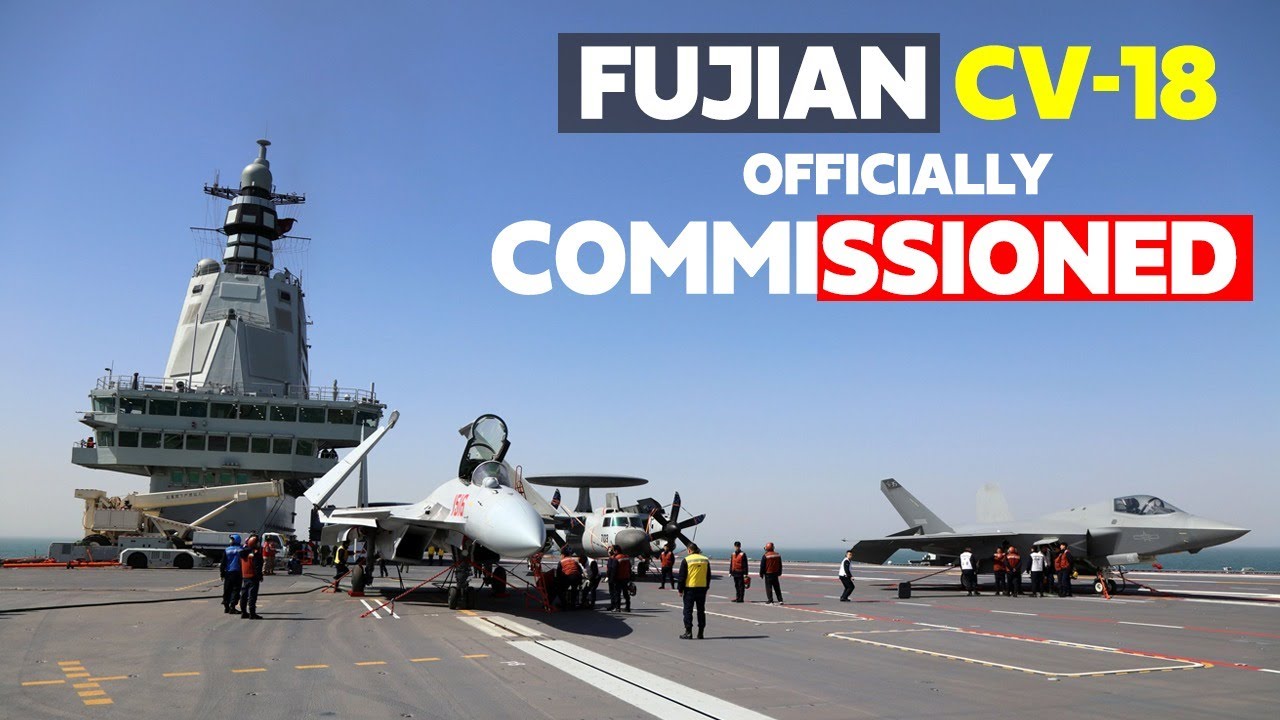
To Build the Golden FleetTop of the list is the need to get firepower to sea. Given the challenge from a belligerently confident China, that means quickly building large, unmanned platforms. These should be sent to the Philippine Sea, based out of Guam, with manned warships providing overwatch, far from interfering with shipping but within striking range of China and able to defend Guam from missile attacks.We don’t have the luxury of time, but only large warships can take the fight to China across the expanse of the Pacific Ocean. For too long, the Navy has failed to replace its aging Ticonderoga-class cruisers, which are important for defending aircraft carriers. Given the danger from China’s long-range anti-ship ballistic missiles and air defense weapons, i
t is necessary to provide long-range suppressing fires in support of carrier-launched strikes, something a modern battleship can provide.Moreover, the lessons of the Red Sea and the fight over access through the Strait of Hormuz make clear that modern naval armor is needed to force opposed straits. We need a technological sprint to develop effective armor to defend against modern weapons. Merging cutting-edge material sciences with 3D printing technology could greatly increase the survivability of warships, aircraft and tanks on the battlefield.However, the Navy faces more than a few challenges, and time and budgets will be unkind to its Golden Fleet plans.First, the need for greater shipbuilding capacity, which will require a national effort aided by key treaty allies such as South Korea and Japan. Second, a comprehensive shipbuilding program that aligns limited resources across various agencies, all dependent on domestic shipbuilding; the Army (yep, they have ships too) and the U.S. Coast Guard are also facing urgent and sizable shipbuilding requirements.
Third, filling gaps in the Navy’s current fleet requires delivery of frigates, submarine tenders, submarines, oilers (see Project Tidalwave) and a new class of destroyer tender to remain viable in a Pacific War.For too long, the Navy’s shipbuilding and fleet design has been focused on budgets and short-term business decisions, considerations that have neither delivered capacity nor resiliency against a formidable foe in Beijing. The threat is real. Shipbuilding takes time (even the unmanned types), and failing to act has placed the nation in a precarious situation.


 ...
...
中國海軍秘密籌建太平洋艦隊
.中國人民解放軍海軍並未設有獨立的「太平洋艦隊」。中國海軍的戰略投射是將太平洋劃分為三大遠洋艦隊防區,分為三大艦隊管轄:
- 北海艦隊:司令部駐地位於山東省青島市,負責渤海與黃海的防務,並延伸至部分太平洋地區。
- 東海艦隊:司令部駐地位於浙江省寧波市,負責東海及台灣海峽區域。
- 南海艦隊:司令部駐地位於廣東省湛江市,負責南海及西太平洋、印度洋的防務。
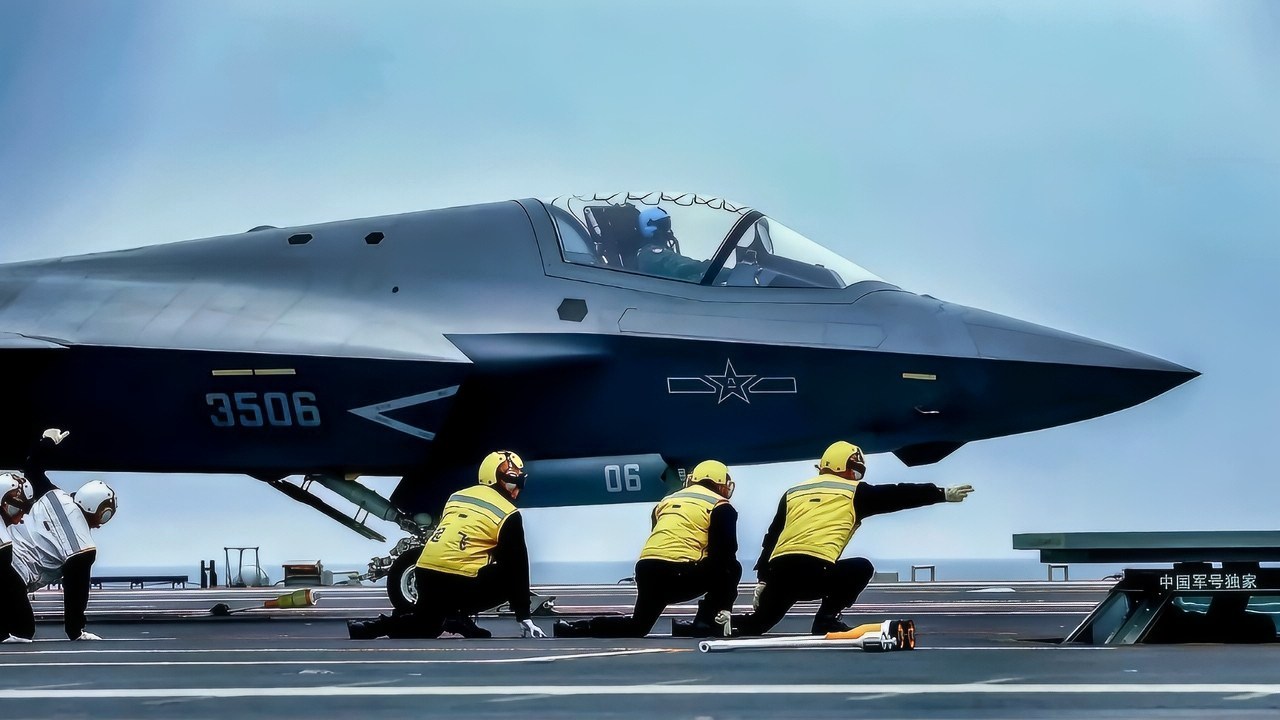
針對西太平洋與遠洋作戰,中國海軍近年積極進行遠海戰術、實彈射擊與跨島鏈訓練(例如近期遼寧號等航艦編隊赴西太平洋演訓),主要由這三大艦隊的艦艇輪替或聯合編組執行任務。...
中国全力发展海军,在太平洋与美国争霸
With Ships and Missiles, China Is Ready to Challenge U.S. Navy in Pacific.
A modernization program focused on naval and missile forces has shifted the balance of power in the Pacific in ways the United States and its allies are only beginning to digest.
That means a growing section of the Pacific Ocean — where the United States has operated unchallenged since the naval battles of World War II — is once again contested territory, with Chinese warships and aircraft regularly bumping up against those of the United States and its allies.
.To prevail in these waters, according to officials and analysts who scrutinize Chinese military developments, China does not need a military that can defeat the United States outright but merely one that can make intervention in the region too costly for Washington to contemplate. Many analysts say Beijing has already achieved that goal.
To do so, it has developed “anti-access” capabilities that use radar, satellites and missiles to neutralize the decisive edge that America’s powerful aircraft carrier strike groups have enjoyed. It is also rapidly expanding its naval forces with the goal of deploying a “blue water” navy that would allow it to defend its growing interests beyond its coastal waters.
.
... .
.

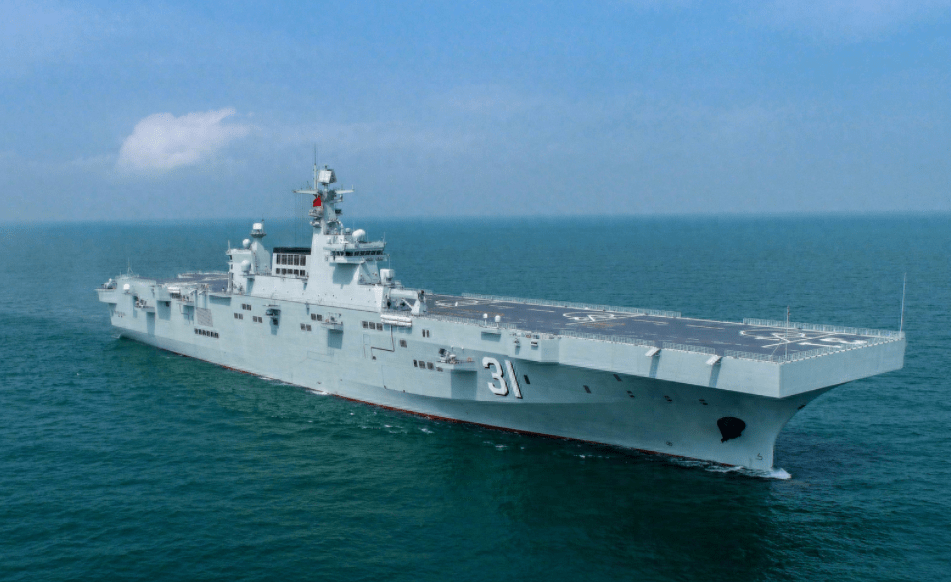
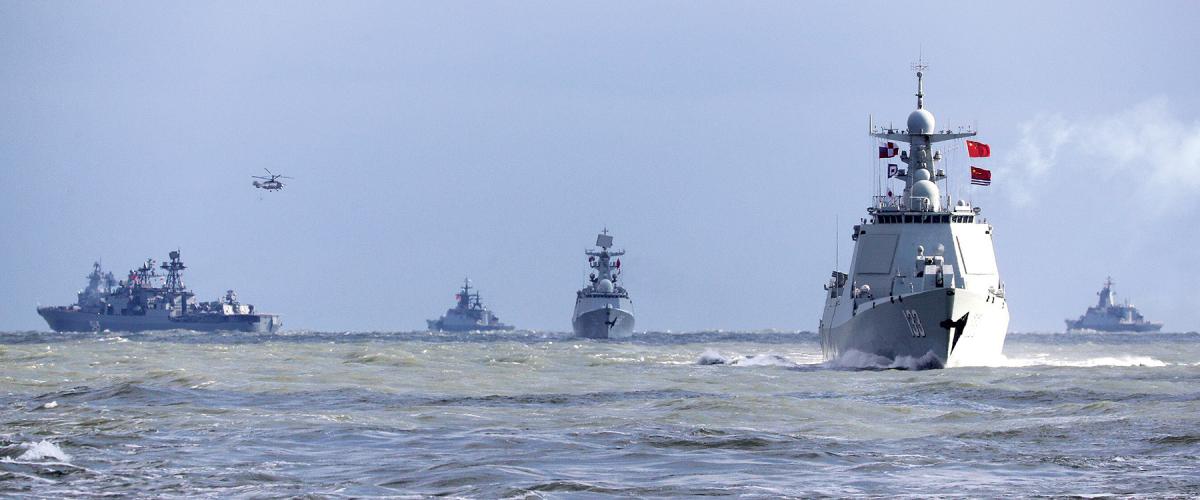
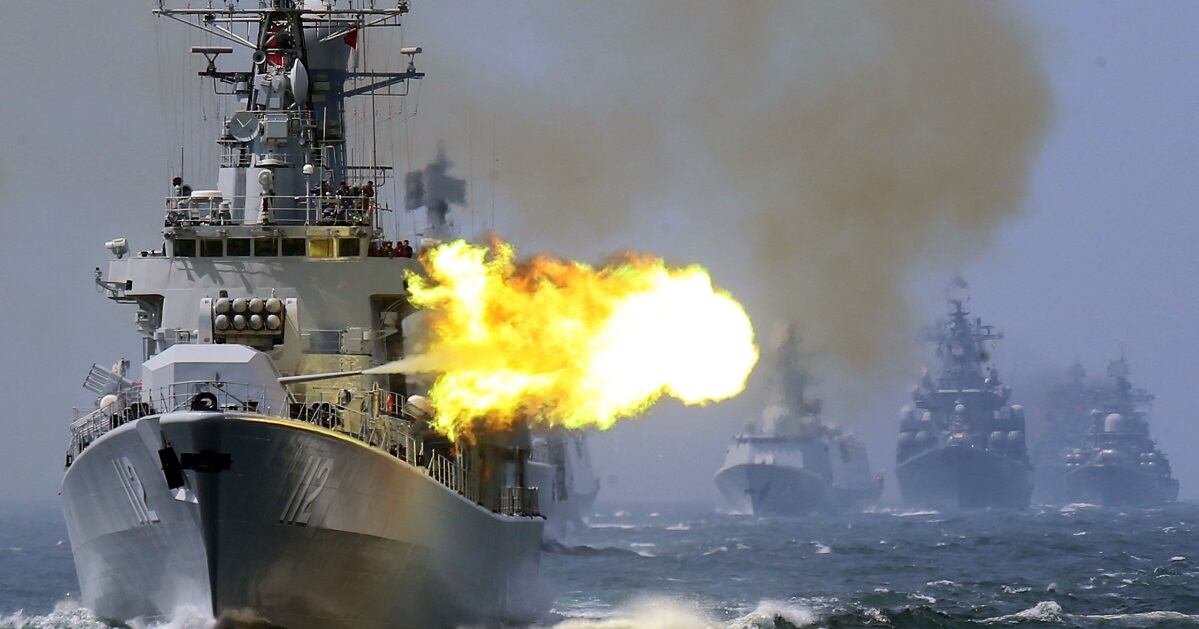
.China is strengthening its navy with large destroyers to deter the US in the Pacific..
紅星照耀太平洋書中描述的情節已經出現,預期2030年,中國海軍太平洋艦隊將與美國海軍太平洋艦隊,進行大決戰.鹿死誰手?
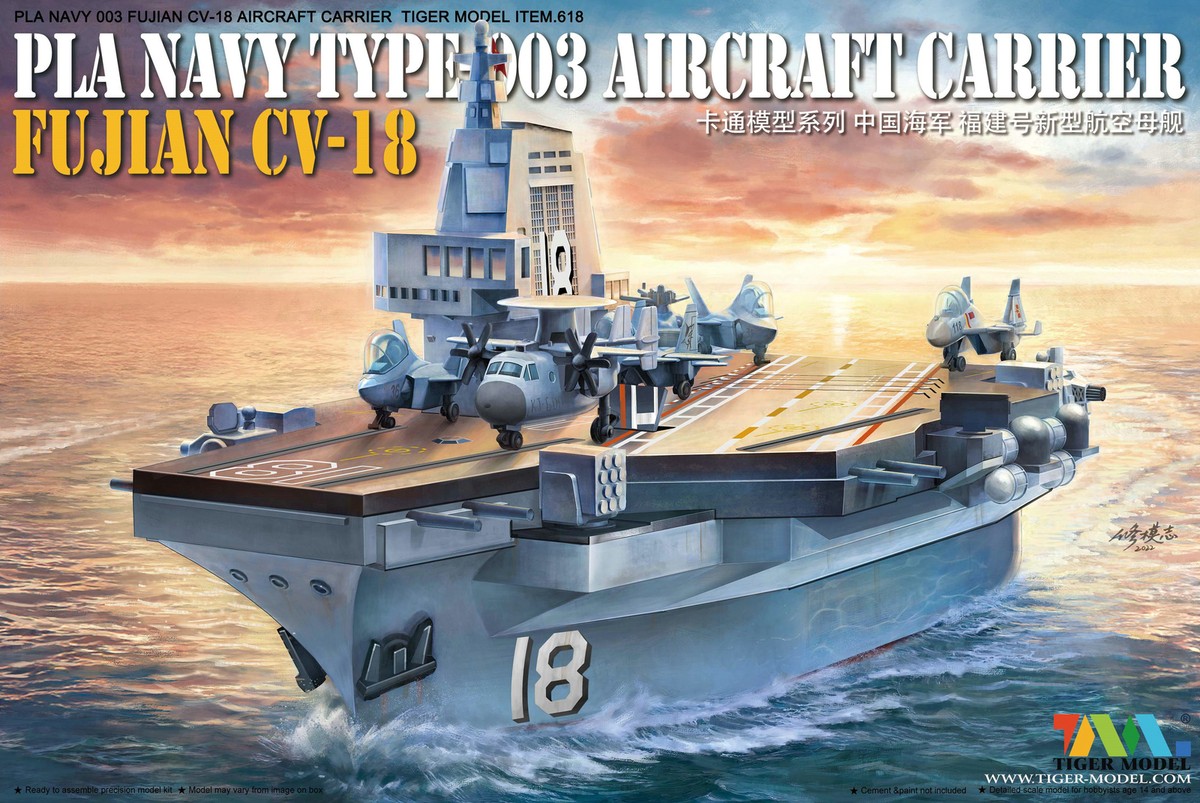
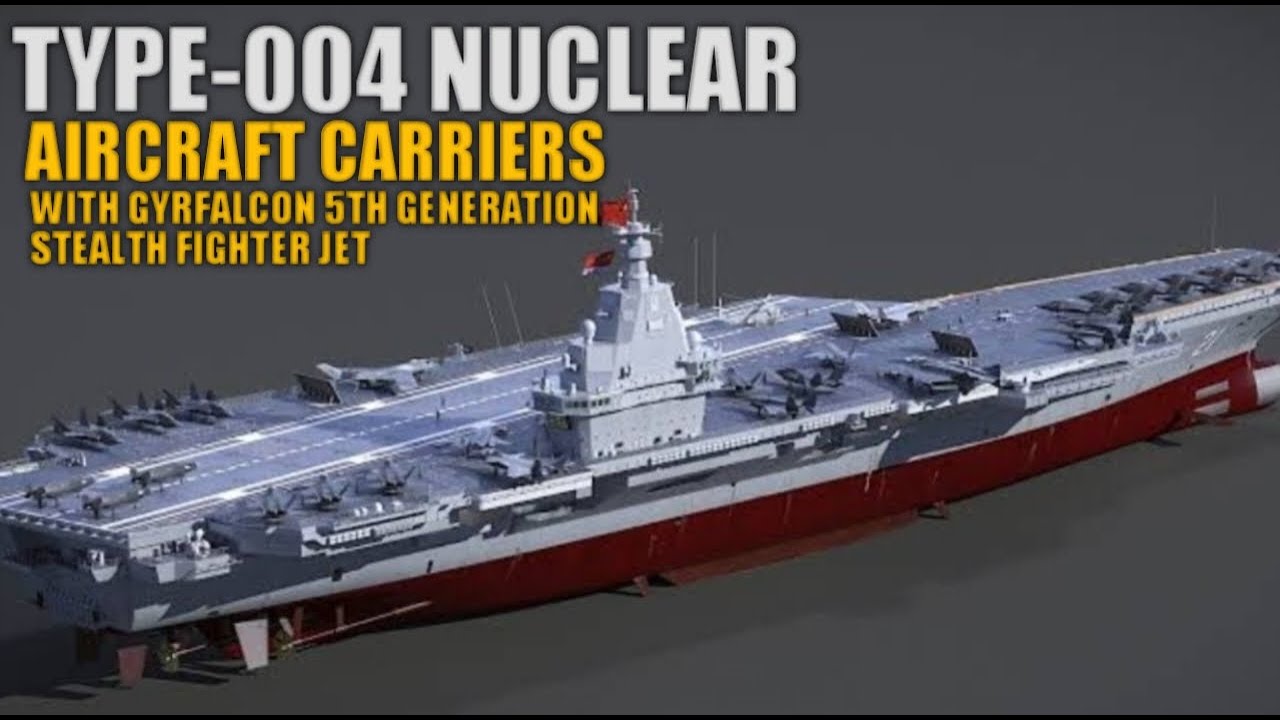
.中國人民解放軍海軍(PLAN)目前正在打造其首艘核動力航空母艦(CVN),該艦暫定稱為 Type 004(或 CVN-19)。這艘劃時代的超級航母正在大連造船廠加速建造中,預計將採用電磁彈射系統(EMALS),排水量高達 \(110,000\) 噸到 \(120,000\) 噸,規模可能超越美國海軍的福特級航母
.The Type 004 is planned to be larger than the Type 003, and also to feature nuclear propulsion.[55] Construction possibly started in 2024, at the latest in September 2025.[57][58][59] Like the Type 003 Fujian, it will feature an integrated electric propulsion system that will allow the operation of electromagnetic catapults. Based on the details of the Type 004 aircraft carrier, it is expected to be 10–20% larger than the USs Ford-class supercarriers, making it the largest aircraft carrier in the world, and its specifications indicate that it is being built to match or even rival the capabilities of the Ford-class supercarriers. In December 2025, the US Defense Department revealed that China was planning on constructing 6 Type 004 carriers by 2035, which would give them a total fleet size of 9 aircraft carriers, outnumbering the 6 carriers currently deployed in the US Pacific Fleet.
.
.The Type 004 will have a displacement of 110,000 tons and use the electromagnetic aircraft launch system (EMALS), Which is the same size as the US Navy Ford-class aircraft carrier.
- General characteristics of Type 004 -
Propulsion : 4 x Shafts and 4 x Propeller
Aircraft launch system : 4 x EMALS
Displacement : 100,000 Tons
Length : 338 m
Beam : 78 m
Height : 72.45 m
Draft : 12 m
Speed : In excess of 30 Knots
Range : Unlimited
Endurance : 50 -year service life
Installed power : Two Molten salt reactor
Sensors and processing systems : Type 346A radar active electronically scanned array (AESA) and Type 382B Radar
Armament : 4 × Type 1130 CIWS, 3 × HQ-10 (short-range SAM 24-cell) and 4 × Type 726-4 Decoy launcher
Aircraft carried : 80+
Carrier-based aircrafts :
27 × J-15T
40 × J-35C
3 × KJ-600 (AEW)
4 × Z-8J/JH
4 × Z-20F Naval helicopter (ASW)
2 × CH-7 Naval stealth combat drone.


自訂分類:不分類
上一則: 高速鐵路重慶東站牛逼.123 .HSR Chongqing East railway station下一則: 彼得霍夫宮2026.開放 .2026.Peterhof Palace St. Petersburg
你可能會有興趣的文章:
- 中國為何向太平洋發射遠程彈道導彈? Why China Fired a Long-Range Missile Into the Pacific ?
- .2026.中國與俄羅斯海軍聯合演習. Chinese and Russian navies "Joint Sea-2026" naval exercise
- 法國凡爾賽宮夏季景象123.
- 夏至.123
- 中國海軍095-SSN 海試成功入列服役. China begins outfitting first Type 095 nuclear attack submarine
- 賀中國足球小將 贏得 2026. 國際青少年盃冠軍."Chinese teenagers’ championship win reflects the spirit of the times.2026
限會員,要發表迴響,請先登入


