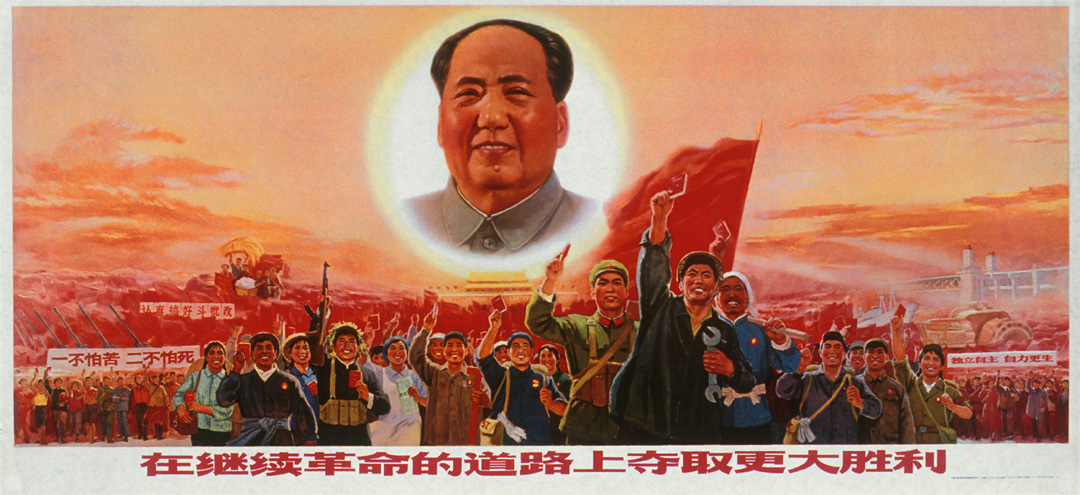
台灣應該學習毛澤東的「積極防禦」!美國軍事專家:軍費要花在「豪豬戰略」和「海上阻絕」戰略上.
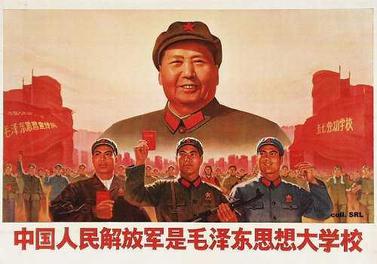
中國領導人毛澤東曾提出「積極防禦」戰略概念,即透過持久戰,逐步消耗敵人優勢力量,化被動為主動,經過防禦、相持到反攻並取得勝利,
 .
.
 .
.
JH.並不瞭解中國的國共內戰雙方的策略為何?
他以為只有表面的把酒言歡就可以定局搞定江山?

「成為毛主義者吧。」《外交政策》(Foreign Policy)20191017日刊登霍姆斯(James R. Holmes)觀點,表示中國軍事開支龐大,對台灣而言是望塵莫及,是時候考慮小型又有心機的戰略。該篇文章以《台灣需要毛主義戰略》為題,強調中國從未表明放棄武力統一台灣,且只給台灣2個選擇:投降或被征服。霍姆斯稱:「我呼籲台北當局採取毛主義策略,不是建議投降。」

「積極防禦」就是狡猾招數,讓居於下風的劣勢變強「『積極防禦』就是狡猾招數,讓居於下風的劣勢變強,弱化站在上風處的優勢者」,霍姆斯直言,「『積極防禦』就是抱持攻擊想法的防禦戰略」。他還提到「豪豬戰略」(porcupine strategy),
該戰略由美國海軍戰爭學院戰略執行教授莫瑞(William S. Murray)2008年提出,主張台灣應配置陸基飛彈(land-based missile)和其他戰備設施,像隻全身是刺的豪豬,抵禦兩棲登陸和空襲。
WM.將台灣比喻是織豪豬野獸,那麼中國就是獵人,如此不成熟的心態,難怪無法成功,美國人的研究員,無論如何都將台灣與中國作為試驗品,在理論與實際中玩弄.

霍姆斯指出,中國擁有龐大數量的艦艇,不過技術和人才部分仍不足,「換句話說,以前台灣軍事質量勝過中國軍事數量」,直言當中國還沒錢投資高科技時,台灣從美國獲得大量軍援,但隨著中國經濟起飛,有錢開發新武器,而美國政府及國會對台灣的軍售愈來愈嚴格,使得「美國支持」和「中國落後」2個假設都受到質疑。


霍姆斯說,他與美國智庫「戰略暨預算評估中心」(CSBA)高級研究員吉原俊井(Toshi Yoshihara)2010、2011年均提出類似「豪豬戰略」的策略,因為台灣無法在海戰中獲勝,加上海戰成本龐大,台灣無法負擔,能做的則是採取「海上阻絕」(sea denial)戰略,讓裝載反艦飛彈的小型艦艇成為主力,快速巡邏艇則可部署在漁港。

 .
.
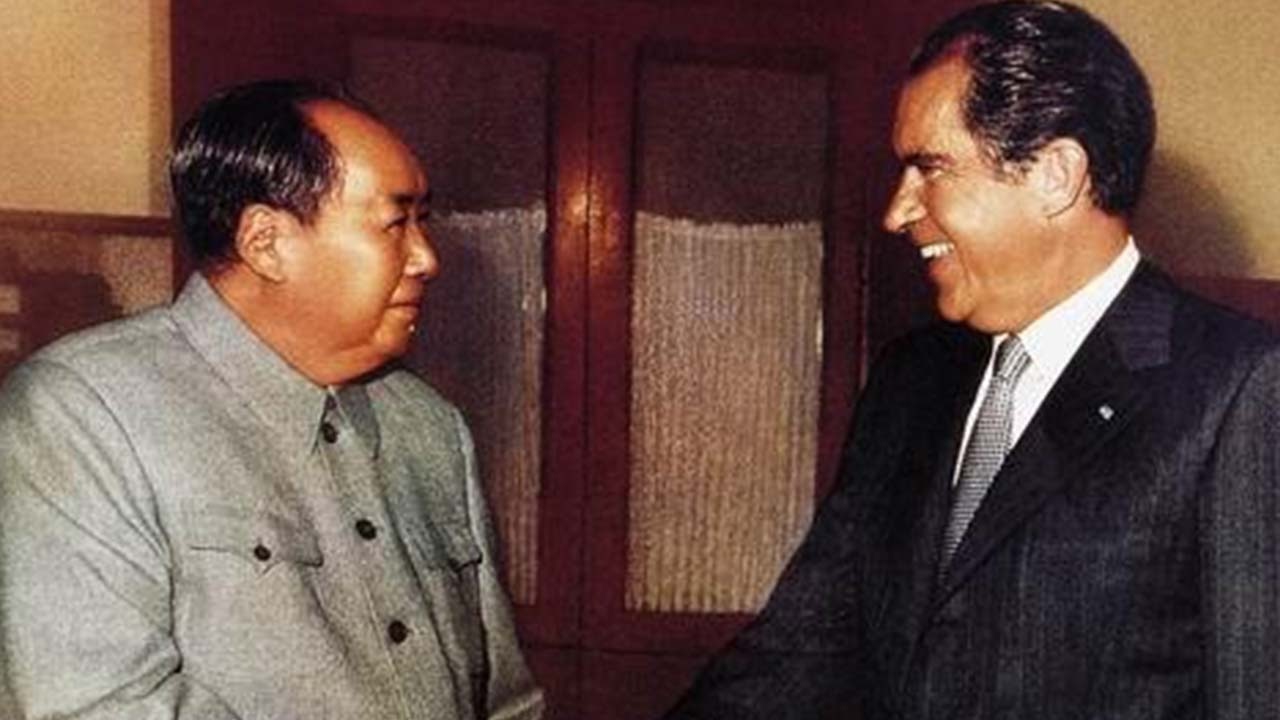
JH.搞不好不瞭解為什麼中國與美國建交?
JH.始終也搞不清楚什麼是社會主義? 資本主義又如何?
The guerilla tactics of Mao Zedong could help Taiwan offset China’s military superiority, James R. Holmes writes.
Taiwan Needs a Maoist Military.Beijing can always outspend Taipei. It’s time to think small and mean..
Give up and become Maoists.
That’s my counsel to Taiwan’s government and armed forces as they fret about the titan rousing itself across the Taiwan Strait. And an increasingly wrathful titan it is. In recent years, China’s People’s Liberation Army (PLA) has stepped up the pace of military maneuvers near the island even as Chinese Communist Party (CCP) grandees mutter balefully about how Beijing has never renounced the use of armed force to bring Taipei under mainland rule.
Not only has the leadership never renounced force, it also vows regularly that it will use force to settle the dispute on its terms if Taiwan doesn’t buckle. In fact, Beijing transcribed its threat into law via its Anti-Secession Law back in 2005.
Surrender or conquest: Like a certain mob boss of Hollywood lore, the CCP supremo has made the islanders an offer they can’t refuse.
Now, I am not counseling surrender when I urge Taipei to embrace Maoism. Just the opposite. Taiwanese need not and must not give up their independence or their liberal
democratic way of life. Rather, they must adapt Mao Zedong’s war-making methods—techniques meant to empower the weak to prevail over the strong in a trial of arms. Once military commanders accept—and come to feel in their guts—that Taiwan is now the weaker contender in the Taiwan Strait, they will learn to think in Maoist terms. Strategy, operational concepts, and weaponry for turning the tables on the strong will come naturally to them.
The island’s political and military leadership must abandon the offensive mindset of the strong. That demands a cultural revolution of sorts. For decades, Taiwanese military folk cherished the conceit that they would best PLA hosts in a pitched battle and rule sea and sky afterward. The military regarded itself as a plucky, skilled, high-tech force. Aviators and mariners would venture forth in times of trouble and overcome the lumbering PLA, which was stronger by weight of numbers but remained backward in technological and human terms.
In other words, the idea was that Taiwan’s quality would trump China’s quantity. And it made perfect sense—so long as the island remained a beneficiary of U.S. military largesse while China remained a poor country with little to invest in high-tech armaments. The qualitative offset endured. But U.S. presidential administrations and Congress have been stingier and stingier with arms sales over the years, even as China opened itself to the world economically, made itself rich, and sluiced some of its wealth into new weaponry for PLA naval, air, and missile forces. Both assumptions—U.S. support and mainland backwardness—are now suspect.


