Few coffee-growing countries demonstrate the relationship between geography and flavor as dramatically as Guatemala. In a relatively compact Central American nation, volcanic landscapes, high mountain ranges, tropical forests, distinct microclimates, and centuries of agricultural tradition create an extraordinary diversity of coffee.

Guatemalan coffee is consequently difficult to reduce to a single flavor profile. One coffee may display elegant floral aromas and bright citrus acidity, while another can offer chocolate, caramel, dried fruit, or rich spice. These differences are not accidental. They reflect the interaction of variety, altitude, climate, soil, processing, farming practices, and roasting.
For the professional coffee practitioner, Guatemala offers an especially fascinating case study. Its coffees demonstrate how terroir can influence the character of a bean while showing how producers can preserve regional identity through careful processing and quality control.
The story of Guatemalan coffee is therefore much larger than tasting notes. It is a story about landscapes, communities, agricultural knowledge, craftsmanship, and the continuing evolution of specialty coffee.
The caffeine content of Guatemala coffee depends on several factors, including coffee species, bean variety, roast level, brewing method, and serving size. Most specialty coffee from Guatemala is produced from Arabica varieties, which naturally contain less caffeine than Robusta. An 8-ounce (240 ml) cup of brewed Guatemalan coffee will typically contain approximately 80–120 mg of caffeine, although the actual amount can vary considerably with preparation.
Guatemalan coffee is grown across diverse highland regions, where factors such as altitude, climate, soil, and cultivar contribute to distinctive flavor profiles. These growing conditions influence acidity, sweetness, aroma, and body, but they do not necessarily mean that Guatemalan coffee has unusually high or low caffeine compared with other Arabica coffees.
Roast level can also create confusion. Dark-roasted Guatemalan beans often taste stronger and more bitter, but roasting does not dramatically eliminate caffeine. Brewing variables—including coffee dose, grind size, water temperature, and extraction time—usually have a greater effect on the caffeine delivered in the final cup.
A caffeine calculator can help estimate the caffeine content more precisely. By considering serving size, coffee dose, brewing method, and bean type, a caffeine calculator provides a practical estimate for comparing Guatemalan coffee with other coffees and managing daily caffeine consumption.
The Historical Roots of Coffee in Guatemala
Coffee became an important agricultural crop in Guatemala during the nineteenth century, when producers and agricultural entrepreneurs began expanding coffee cultivation as an alternative to declining export industries.
The country's geography proved remarkably favorable for coffee. Mountainous terrain created numerous high-altitude growing areas, while volcanic soils and diverse climatic conditions offered ideal environments for Arabica production.
As coffee exports expanded, the crop became deeply connected to Guatemala's economy and rural communities.
Over generations, coffee cultivation developed into a sophisticated agricultural system. Producers refined planting, harvesting, processing, and drying techniques while building regional identities around their coffees.
Today, Guatemalan coffee represents an important part of the country's agricultural heritage and remains one of its most recognizable specialty products.
Guatemala's Extraordinary Coffee Geography
The country's most important advantage may be its geographical diversity.
Guatemala contains numerous mountain ranges and volcanic landscapes. Coffee farms are frequently situated at significant elevations, where cooler temperatures can slow cherry maturation.
This extended maturation period can encourage the development of complex sugars and organic acids.
Volcanic soils can also provide favorable growing conditions, although soil alone should never be treated as a simple explanation for flavor. Coffee character emerges from the interaction of many environmental and agricultural variables.
Among the best-known coffee-producing regions are:
Antigua Huehuetenango Atitlán Cobán Fraijanes Nuevo Oriente San Marcos
Each region possesses its own environmental personality.
Antigua: Elegant and Structured
Antigua is perhaps Guatemala's most internationally recognized coffee-growing region.
Located in a valley surrounded by volcanoes, the area combines high elevation, distinct dry and wet seasons, and volcanic soils.
Antigua coffees are often associated with:
Chocolate Caramel Citrus Spice Balanced acidity Elegant body
A well-developed Antigua coffee can offer remarkable structure, combining sweetness and acidity without allowing either characteristic to dominate.
For espresso, these characteristics can provide a particularly attractive foundation. For filter brewing, careful extraction can reveal layers of citrus, cocoa, and subtle spice.
Huehuetenango: High-Altitude Complexity
Huehuetenango occupies a mountainous region in northwestern Guatemala.
Its elevation and complex topography create numerous microclimates, allowing producers to cultivate coffee with distinctive sensory characteristics.
Huehuetenango coffees frequently display:
Bright acidity Stone fruit Citrus Floral notes Cocoa Wine-like complexity
The region is particularly interesting for specialty coffee professionals because neighboring farms can produce surprisingly different sensory profiles.
This demonstrates an important principle of coffee terroir: geographic labels provide useful context, but individual farm conditions can be equally significant.
The relationship between Guatemala coffee and French press coffee is based on how the brewing method enhances the distinctive characteristics of Guatemalan beans. Guatemala coffee is widely recognized for its balanced flavor profile, often featuring notes of chocolate, caramel, citrus, nuts, and subtle floral aromas. Because French press brewing uses full immersion and a metal filter, it preserves natural coffee oils and fine particles, allowing these complex flavors and rich textures to become more noticeable.
The french press coffee ratio plays an important role in highlighting the qualities of Guatemala coffee. A common starting point is around 1:15, meaning one gram of coffee for every fifteen grams of water. This ratio provides a balanced extraction that emphasizes sweetness, body, and aroma without overpowering the coffee’s natural acidity. A stronger ratio, such as 1:12, can create a heavier and more intense cup, while a lighter ratio, such as 1:16, may reveal brighter and more delicate flavor notes.
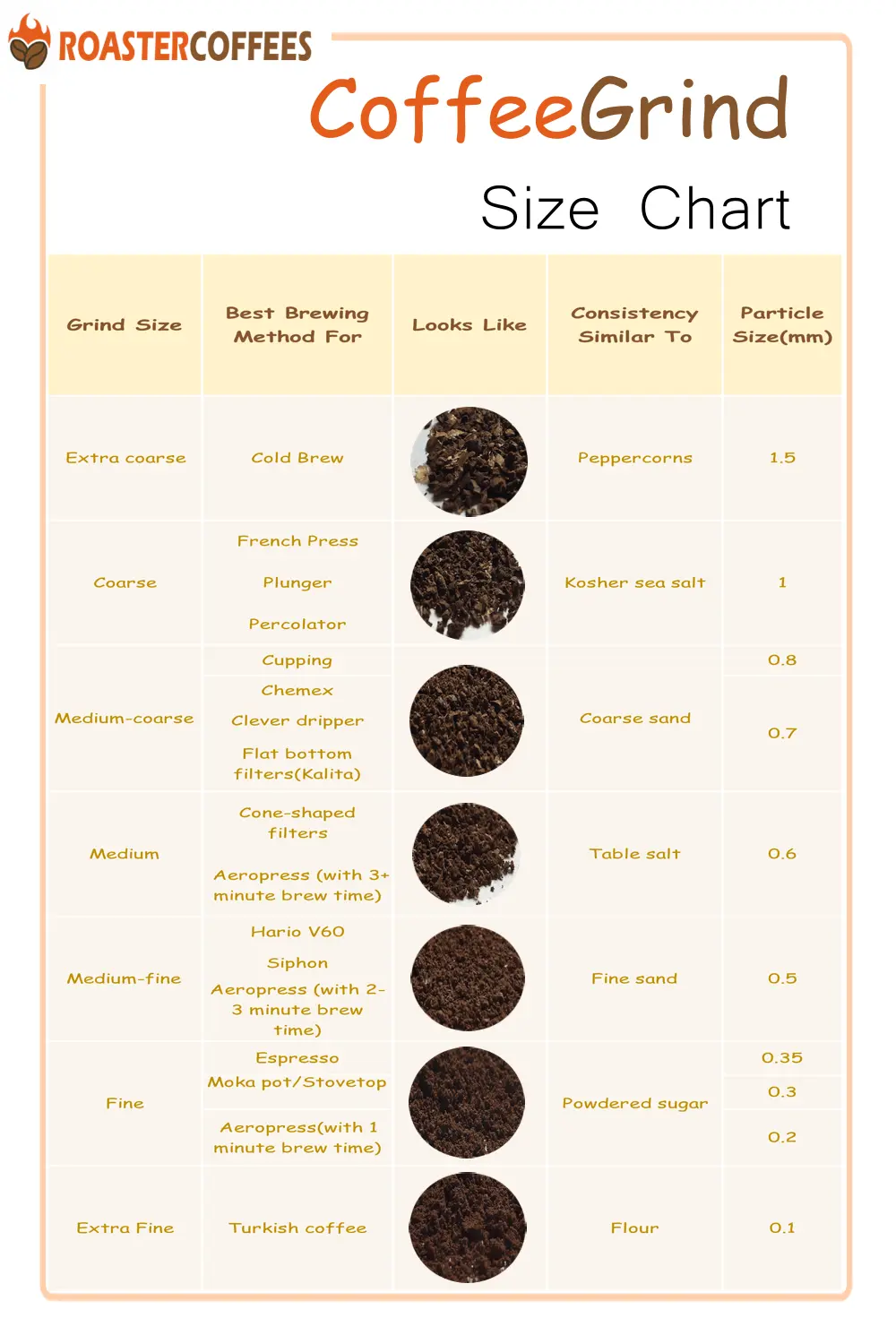
Grind size and steeping time also influence the final result. A coarse grind is typically recommended for French press brewing because it allows controlled extraction during the immersion process. When combined with the proper french press coffee ratio, Guatemala coffee can produce a full-bodied, smooth, and flavorful cup that showcases the unique characteristics of its origin.
Lake Atitlán: Coffee Surrounded by Volcanoes
The Atitlán region is located around the famous volcanic lake.
Coffee farms benefit from mountainous terrain, fertile soils, and a distinctive climatic environment.
Atitlán coffees are often recognized for lively acidity and aromatic complexity, with sensory characteristics that can include:
Citrus Chocolate Floral notes Stone fruit Spices
The landscape itself contributes to the region's identity. Coffee cultivation exists alongside forests, villages, and the lake, creating a farming environment where coffee is closely connected to local culture and ecology.
Cobán: A Different Expression of Guatemala
Cobán in the Alta Verapaz region offers a notably different growing environment.
The area receives abundant rainfall and is characterized by cloud forests and humid conditions.
These environmental differences can contribute to coffees with softer acidity and a distinctive aromatic profile.
Depending on the producer and processing approach, Cobán coffees may display:
Cocoa Caramel Fruit Floral characteristics Gentle acidity Rounded body
The region demonstrates why it is misleading to describe all Guatemalan coffee using a single flavor vocabulary.
Coffee Varieties Grown in Guatemala
Guatemala has a long history of cultivating Arabica varieties.
Common varieties include:
Bourbon Caturra Catuai Typica Pache Pacamara Geisha
Each variety contributes different genetic characteristics to the cup.
Bourbon
Bourbon is historically important throughout Central America and is often valued for its sweetness and balanced sensory structure.
Caturra
Caturra is a mutation of Bourbon that became popular because of its relatively compact growth and productivity.
Catuai
Catuai was developed from Mundo Novo and Caturra and became widely cultivated in Latin America.
Pacamara
Pacamara is particularly intriguing for specialty coffee. Known for its large seeds and potential for complex sensory expression, it can produce coffees with remarkable floral, fruit, and structured characteristics.
Geisha
Although most famously associated with Panama, Geisha has also been cultivated in Guatemala. Under suitable conditions, it can express floral, citrus, and tea-like characteristics.
The presence of these varieties reinforces Guatemala's genetic and sensory diversity.
The Importance of Coffee Processing
Variety and terroir provide the foundation, but processing can significantly influence how those characteristics appear in the cup.
Guatemalan producers use several major processing methods.
Washed Coffee
Washed processing remains highly important in Guatemala.
After harvesting, the outer fruit is removed, and fermentation is used to break down remaining mucilage before washing and drying.
This method can produce coffees with:
High clarity Defined acidity Clean sweetness Distinct regional character
For professionals interested in evaluating terroir, washed Guatemalan coffees can be particularly revealing.
Natural Processing
Natural processing allows whole coffee cherries to dry before the fruit is removed.
This approach can increase the perception of fruit sweetness and body.
Natural Guatemalan coffees may show:
Berry Tropical fruit Dried fruit Wine-like characteristics Heavy sweetness Honey Processing
Honey processing removes the outer skin while allowing some mucilage to remain during drying.
It can create a balance between the clarity of washed coffee and the sweetness associated with natural processing.
Modern producers increasingly experiment with these methods to create differentiated sensory profiles.

The Human Element Behind Guatemalan Coffee
Coffee production is not solely a story of geography.
Thousands of farming families contribute to Guatemala's coffee industry, and agricultural knowledge is often passed from one generation to the next.
Farmers must make decisions about:
Shade Pruning Fertilization Harvest timing Processing Drying Storage
Harvesting is particularly important.
Selective picking allows producers to separate ripe cherries from underdeveloped or overripe fruit. Because coffee cherries on the same tree do not necessarily ripen simultaneously, achieving consistent maturity can require repeated harvesting passes.
This labor directly affects cup quality.
The Importance of Altitude
Altitude is frequently mentioned when discussing Guatemalan coffee, but its influence deserves a more nuanced explanation.
Higher elevations generally provide cooler temperatures, which can slow the development of coffee cherries.
This may encourage greater accumulation and balance of flavor precursors.
However, altitude does not automatically guarantee superior coffee.
A high-altitude farm with poor agricultural management can produce inferior coffee, while a carefully managed farm at a somewhat lower elevation can produce exceptional results.
For professionals, altitude should therefore be viewed as one component of terroir rather than a quality guarantee.
Understanding the Flavor Architecture
One of the most fascinating characteristics of Guatemalan coffee is its ability to combine contrasting sensory elements.
A single cup may contain:
Acidity: Citrus-like brightness that provides energy.
Sweetness: Caramel, honey, brown sugar, or ripe fruit.
Body: From tea-like and delicate to creamy and substantial.
Aroma: Floral, cocoa, spice, fruit, or toasted notes.
Finish: Clean and bright or long and chocolate-driven.
The most memorable coffees often achieve balance rather than maximizing a single characteristic.
Roasting Guatemalan Coffee
Roasting plays a critical role in determining how Guatemalan coffee expresses itself.
A lighter profile may preserve:
Citrus Floral notes Stone fruit Bright acidity
A medium profile can emphasize:
Caramel Chocolate Nuts Balanced sweetness
A darker profile tends to increase roast-derived flavors while reducing the visibility of delicate origin characteristics.
Professional roasters should therefore consider the coffee's processing method, density, moisture, variety, and intended brewing method before selecting a profile.
The goal should not be to impose a predetermined flavor but to reveal the coffee's strongest attributes.
Brewing Guatemalan Coffee
Guatemalan coffees are remarkably versatile.
Pour-Over
Pour-over brewing can highlight acidity, sweetness, and aromatic clarity.
For high-altitude washed coffees with floral or citrus characteristics, this method can provide excellent transparency.
French Press
French press brewing emphasizes body and texture.
Chocolate-forward Guatemalan coffees can perform particularly well when brewed through immersion.
Espresso
Guatemalan coffee can make an excellent espresso component.
Its combination of sweetness, acidity, and body can contribute structure to both single-origin espresso and blends.
Medium-roasted Guatemalan coffee often provides attractive caramel and cocoa characteristics, while lighter profiles can create a brighter and more contemporary espresso experience.
Sustainability and the Future of Guatemalan Coffee
Coffee production faces significant environmental challenges.
Climate variability can affect:
Flowering Rainfall Ripening Disease pressure Harvest timing
Producers increasingly need strategies that improve resilience.
Shade-grown cultivation can provide several ecological benefits, while soil conservation, water management, and responsible processing can reduce environmental pressure.
Sustainable coffee production is not simply an environmental concern. It is also fundamental to the industry's long-term economic stability.
If coffee farms cannot remain productive and profitable, future generations may leave the industry.
Specialty Coffee and Traceability
The specialty coffee movement has encouraged greater transparency.
Instead of selling coffee only under a broad country designation, modern supply chains increasingly identify:
Region Municipality Farm Producer Variety Elevation Processing method Harvest information
This level of traceability allows consumers and professionals to understand how agricultural decisions influence sensory outcomes.
It also provides producers with opportunities to differentiate exceptional coffees and potentially receive greater value for quality.
How Professionals Should Taste Guatemalan Coffee
When evaluating a Guatemalan coffee, professionals should resist the temptation to search immediately for familiar tasting-note keywords.
Instead, consider the coffee as a complete sensory structure.
Begin with aroma.
Then evaluate acidity. Is it citrus-like, malic, wine-like, or soft?
Next consider sweetness. Does it resemble caramel, honey, brown sugar, or ripe fruit?
Examine body and texture.
Finally, evaluate the finish.
The objective is not merely to identify flavors but to understand relationships among them.
A coffee with moderate acidity may still feel vibrant if sweetness and aromatics are exceptionally strong.
Why Guatemalan Coffee Matters
Guatemala's significance in specialty coffee comes from its ability to demonstrate diversity within a relatively compact geographical area.
Different regions, elevations, varieties, processing methods, and farming practices produce remarkably different expressions.
This diversity makes Guatemala an invaluable educational origin.
For baristas, it provides opportunities to explore extraction.
For roasters, it provides opportunities to develop contrasting profiles.
For consumers, it offers an accessible introduction to the relationship between terroir and flavor.
For producers, quality-focused specialty markets create opportunities to distinguish their work through traceability and innovation.
The Future of Guatemala's Coffee Heritage
The future of Guatemalan coffee will depend on the industry's ability to combine heritage with adaptation.
Traditional agricultural knowledge remains extremely valuable, but changing environmental conditions require new approaches.
The next generation of Guatemalan coffee may involve greater use of:
Climate-resilient varieties Precision fermentation Improved drying technology Sustainable water management Detailed traceability Specialty processing Direct producer relationships
Innovation, however, does not need to erase tradition.
The strongest future for Guatemalan coffee may emerge when modern technology supports the knowledge accumulated by farming communities over generations.
Conclusion
Guatemalan coffee is a remarkable expression of place.
Its identity emerges from mountains, volcanoes, forests, microclimates, coffee varieties, agricultural traditions, and the skill of the people who transform cherries into green coffee.
From the elegant chocolate and spice of Antigua to the bright complexity of Huehuetenango and the distinctive character of coffees grown around Lake Atitlán, Guatemala offers an extraordinary range of sensory experiences.
For coffee professionals, the country's greatest lesson may be that origin is never a single flavor. A country, region, or farm provides a starting point, but the final cup is created through the interaction of genetics, environment, cultivation, harvesting, processing, roasting, and brewing.
That is what makes Guatemalan coffee so compelling.
Every cup invites the drinker to look beyond the tasting notes and discover the landscape, people, and craftsmanship hidden behind them. Its rich heritage is not preserved in the past; it continues to evolve with every harvest.
And that continuing evolution is precisely what makes Guatemala one of the most fascinating origins in the world of specialty coffee.
References:
The Critical Role of Coffee Roasting
From Cherry to Cup: How Coffee Processing Shapes Chemistry and Flavor


