In the expansive world of coffee brewing, few devices have managed to achieve the perfect balance of simplicity, versatility, and innovation. The AeroPress, a relatively recent addition to the coffee world, stands as a testament to the genius of combining functionality with creative coffee-making techniques. With its lightweight design, adaptability, and ability to produce exceptional coffee, the AeroPress has transformed the way coffee enthusiasts approach brewing.

From its inception to its impact on coffee culture today, the AeroPress invites a deeper exploration into what makes it such a revolutionary tool. This article unpacks the complete story—its development, technical innovations, brewing potential, and global significance.
1. The History of AeroPress: A Visionary’s Innovation
The story of the AeroPress begins with Alan Adler, an inventor and engineer who brought an aerodynamics-focused mindset into the coffee brewing process. Adler’s innovation was born out of a deep desire to simplify coffee preparation without sacrificing flavor.
1.1. The Early Days
Alan Adler’s career was rooted in science and innovation, long before he ventured into coffee. As the inventor of the Aerobie flying disc—an aerodynamic marvel—he brought the same experimental curiosity to the coffee industry. In 2004, after observing the challenges of brewing coffee consistently, Adler embarked on a mission to create a simple device that would address the bitterness, over-extraction, and brewing inefficiencies associated with traditional methods.
His experiments led to the development of a brewing device that combined immersion and pressure-based extraction. In 2005, Adler launched the AeroPress at a coffee trade show, where its compact design and ability to brew smooth, flavorful coffee piqued the interest of baristas and home brewers alike.
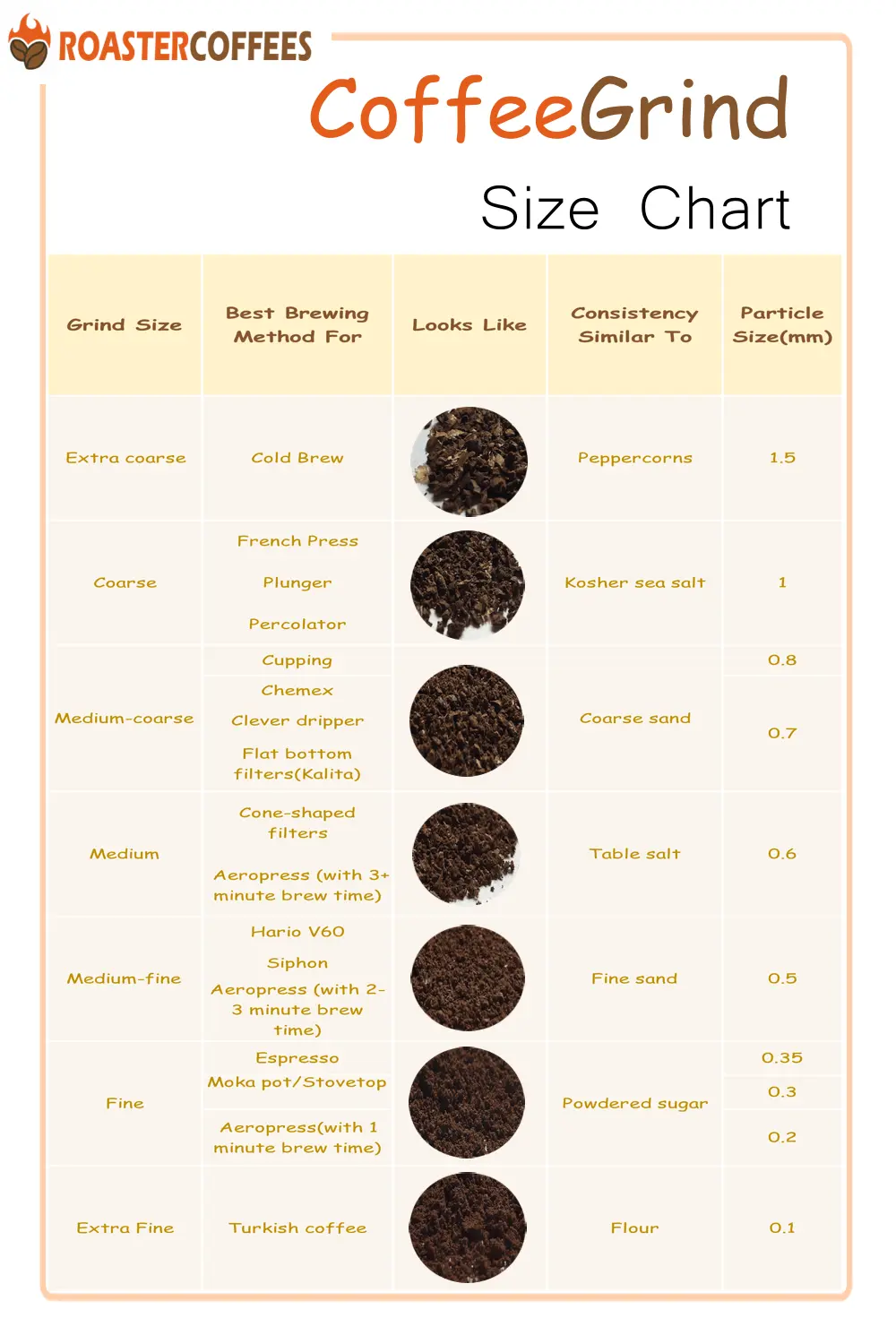
The caffeine content of AeroPress coffee typically ranges between 80-120 milligrams per 8-ounce cup, though this can vary depending on factors like coffee-to-water ratio, grind size, and brewing time. The AeroPress uses a rapid brewing process with moderate pressure, allowing for efficient extraction of caffeine and flavors. The grind size often used is finer than drip coffee but coarser than espresso, which affects the extraction rate and, consequently, the caffeine content. Compared to drip coffee, AeroPress coffee can have slightly less caffeine if brewed with a shorter steep time but still offers a rich and balanced cup with controlled caffeine levels. For either coffee, a caffeine calculator is an excellent tool to measure the caffeine content.
1.2. The Evolution of AeroPress
While the original AeroPress design has remained largely unchanged, the introduction of the AeroPress Go in 2019 brought a portable version for coffee lovers on the move. Both versions retain the same core philosophy: precision, simplicity, and the ability to craft exceptional coffee with minimal equipment.
Today, AeroPress continues to attract a loyal fanbase, with millions sold worldwide. Its success highlights the growing demand for accessible, high-quality coffee solutions that can adapt to individual tastes.
2. The Anatomy of the AeroPress
The AeroPress’s design is deceptively simple, yet each component plays a crucial role in its functionality. To understand its versatility, it’s essential to explore its anatomy in detail.
2.1. Key Components
The Chamber: The central cylindrical container where coffee grounds and water are combined. The Plunger: A rubber-tipped piston that creates the pressure needed to extract the coffee. The Filter Cap: A twistable cap that holds the filter in place and allows brewed coffee to flow into the mug. Filters: Thin paper or metal filters that remove grounds while allowing the flavors to shine. Accessories: The AeroPress often comes with a scoop for coffee, a stirrer, and a funnel for adding grounds without spillage.
2.2. How the Design Works
The AeroPress combines elements of immersion brewing, where coffee grounds are steeped in water, and manual pressure, which pushes the liquid through the filter. This hybrid design gives the user complete control over brewing time, grind size, and water temperature, resulting in a cup tailored to individual preferences.
3. Brewing Methods: The Art of AeroPress Mastery
One of the AeroPress’s most appealing qualities is its adaptability. With countless recipes and techniques to choose from, it caters to coffee drinkers with a wide range of taste preferences.
3.1. The Standard Method
The standard method is a beginner-friendly approach that emphasizes simplicity.
Steps to Brew with the Standard Method:
Assemble the AeroPress: Attach the filter cap to the chamber and place it on a sturdy mug or carafe. Rinse the Filter: Rinse a paper filter with hot water to eliminate any papery residue. Add Coffee Grounds: Use a medium grind and add 15–18 grams (1–2 scoops) of coffee into the chamber. Add Water: Pour hot water (around 92–96°C) up to the desired level. Stir and Steep: Stir the mixture and allow it to steep for 1–2 minutes. Press: Insert the plunger and press down gently but firmly. Serve: Enjoy your freshly brewed cup.
3.2. The Inverted Method
The inverted method flips the AeroPress upside down, providing more control over steeping and preventing premature dripping.
Steps for the Inverted Method:
Assemble Inverted: Insert the plunger into the chamber and place the AeroPress upside down. Add Coffee and Water: Use 15–18 grams of coffee and pour hot water over it. Stir and Steep: Stir thoroughly and let it steep for 1–3 minutes. Attach the Filter: Place a moistened filter in the filter cap and secure it. Flip and Press: Carefully flip the AeroPress onto your mug and press slowly.
3.3. Advanced Techniques
Cold Brew AeroPress: Use cold water and extend steeping time to 12–24 hours for a refreshing iced coffee. Pulse Pouring: Pour water in intervals to mimic the pour-over technique. Double Press: Press the coffee twice for a cleaner, more concentrated brew.
4. Exploring the Science of AeroPress Brewing
The AeroPress is a device where art meets science. To brew great coffee consistently, it’s important to understand the principles that govern its extraction process.
4.1. Extraction Mechanics
The AeroPress’s use of pressure expedites extraction, enabling faster brewing compared to traditional immersion methods like the French press. This pressure ensures that flavor compounds are extracted evenly, resulting in a well-balanced cup.
4.2. Water Temperature and Coffee Solubility
The ideal water temperature for AeroPress brewing ranges between 85–96°C. This range maximizes flavor extraction without drawing out excessive bitterness or acidity.
4.3. The Role of Grind Size
AeroPress brewing can accommodate a variety of grind sizes. Finer grinds result in a more concentrated brew, while coarser grinds produce a lighter, tea-like cup.
5. The Cultural Impact of AeroPress
The AeroPress has cultivated a unique cultural following that goes beyond its role as a brewing tool.
5.1. The World AeroPress Championship
What began as a small competition among coffee enthusiasts has grown into a global phenomenon. The World AeroPress Championship (WAC) celebrates creativity and skill in AeroPress brewing. Participants from around the world compete to create the best AeroPress recipe, showcasing the device’s versatility and the endless possibilities it offers.
5.2. Community Engagement
The AeroPress community thrives online and offline, with forums, social media groups, and local meetups where enthusiasts share recipes, techniques, and brewing experiments.
6. Tips for Achieving the Perfect AeroPress Brew
Mastering the AeroPress requires a blend of experimentation and attention to detail. Here are some expert tips:
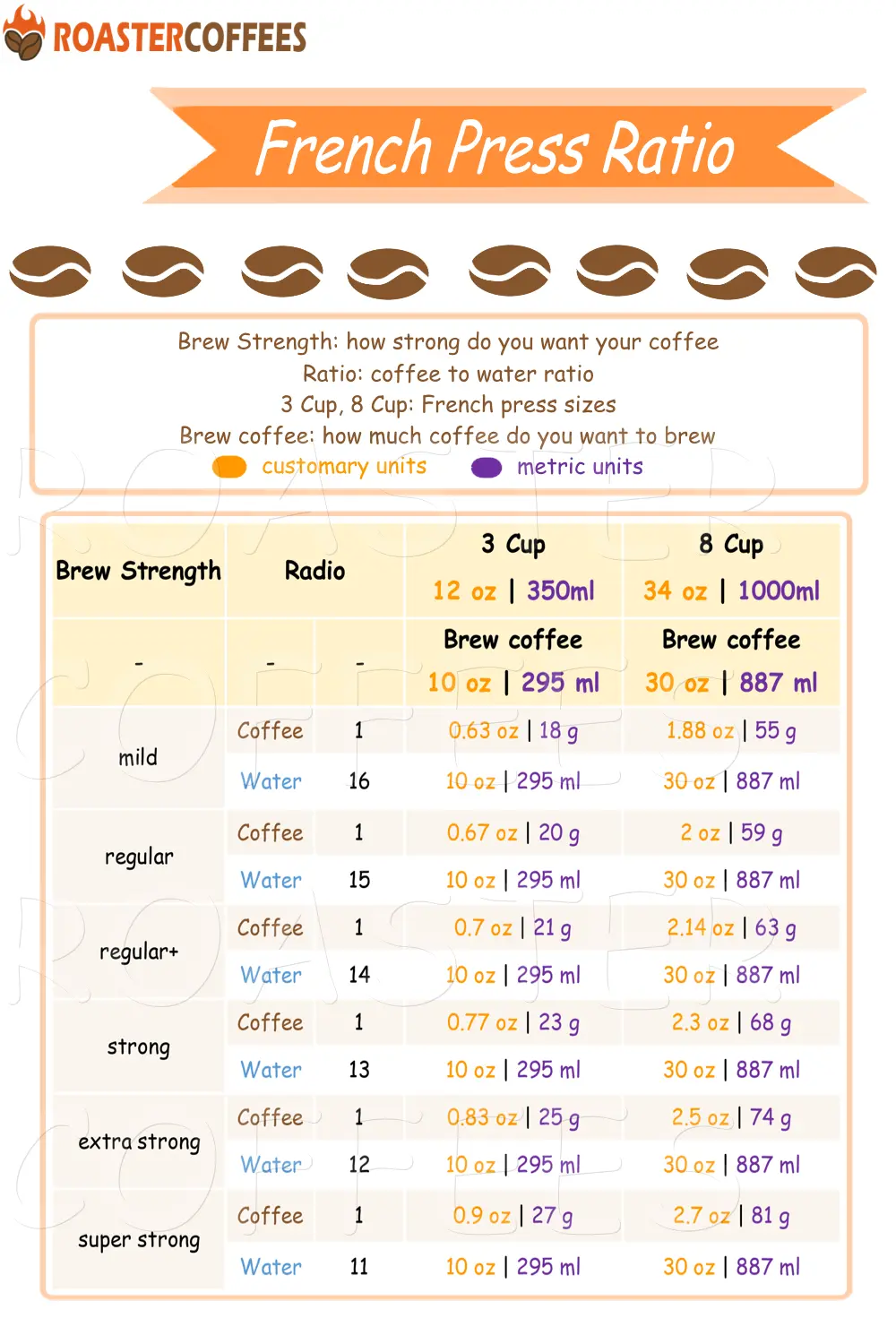
Use Fresh Beans: Always opt for freshly roasted coffee beans for the best flavor. Dial In Your Grind: Invest in a burr grinder for precise grind adjustments. Rinse Your Filter: Pre-rinsing eliminates unwanted flavors. Experiment with Ratios: Start with a 1:15 coffee-to-water ratio and adjust to your liking. Maintain Consistency: Track brewing variables like time, temperature, and grind size to refine your method.
7. Sustainability and Accessibility
The AeroPress’s eco-friendly design and affordability make it a standout choice for environmentally conscious coffee lovers. Reusable filters and minimal waste contribute to its sustainability, while its price point ensures accessibility.
Conclusion
The AeroPress is a symbol of innovation in the coffee world, bridging the gap between simplicity and sophistication. With its rich history, scientific ingenuity, and cultural impact, the AeroPress continues to inspire coffee lovers to experiment, create, and connect. By mastering its use, you can unlock endless possibilities and elevate your coffee brewing experience to new heights.
References:
The Importance of Coffee Bags
Discovering The Rich Heritage And Flavors Of Guatemalan Coffee
下一則: A Journey Through The Diverse World Of Iced Coffee
限會員,要發表迴響,請先登入


