文學作品導讀week11
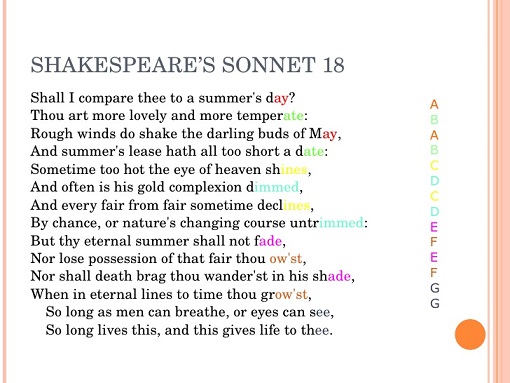
1. A rhyme scheme
A rhyme scheme is the pattern of rhymes at the end of each line
of a poem or song. It is usually referred to by using letters to
indicate which lines rhyme; lines designated with the same letter
all rhyme with each other.
For example:
2. stanza
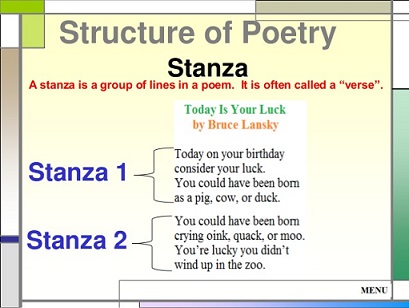
In poetry, a stanza is a grouped set of lines within a poem, usually
set off from other stanzas by a blank line or indentation.
For example:
3. Henrik Johan Ibsen
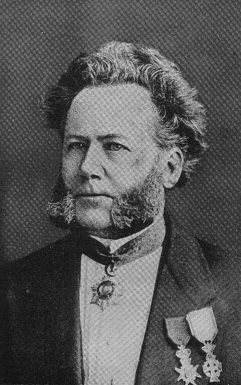
Henrik Johan Ibsen was a major 19th-century Norwegian playwright,
theatre director, and poet. He is often referred to as "the father of
realism" and is one of the founders of Modernism in theatre. He is
the most frequently performed dramatist in the world after Shakespeare,
and A Doll's House became the world's most performed play by the
early 20th century.
A Doll's House
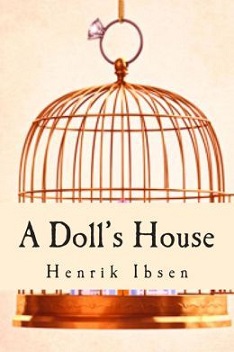
A Doll's House is a three-act play in prose by Henrik Ibsen.
The play is significant for its critical attitude toward 19th-century
marriage norms. It aroused great controversy at the time, as it
concludes with the protagonist, Nora, leaving her husband and
children because she wants to discover herself.
4.John Keats
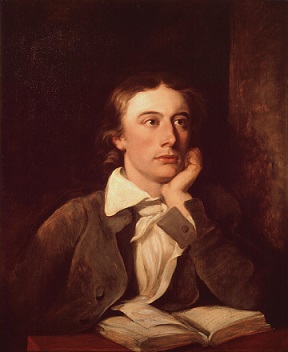
John Keats was an English Romantic poet. The poetry of Keats
is characterized by sensual imagery, most notably in the series
of odes. This is typical of romantic poets, as they aimed to
accentuate extreme emotion through the emphasis of natural imagery.
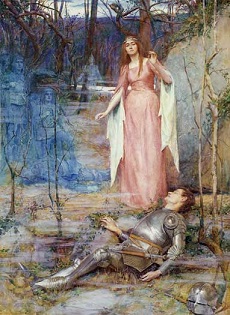
"La Belle Dame sans Merci" (French for "The Beautiful Lady Without
Mercy") is a ballad written by the English poet John Keats. He used
the title of the 15th-century La Belle Dame sans Mercy by Alain Chartier,
though the plots of the two poems are different.
The poem is considered an English classic, stereotypical of other of Keats'
works. It avoids simplicity of interpretation despite simplicity of structure.
At only a short twelve stanzas, of only four lines each, with a simple ABCB
rhyme scheme, the poem is nonetheless full of enigmas, and has been the
subject of numerous interpretations.
限會員,要發表迴響,請先登入


