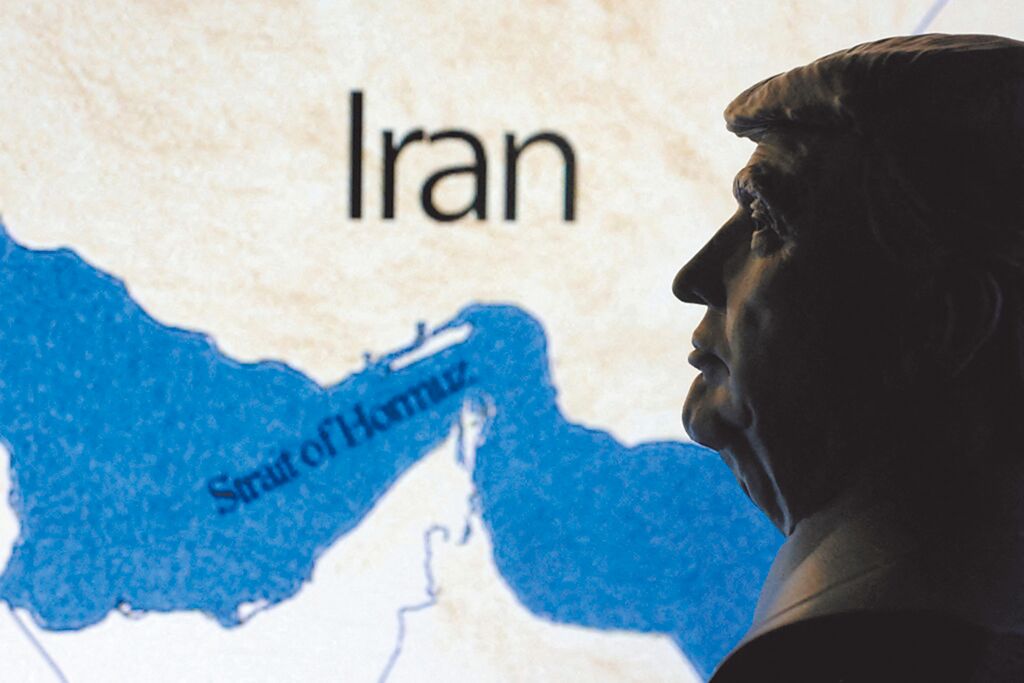
在美國與以色列於2月28日對伊朗展開軍事行動後,世界各國政府皆面臨表態的抉擇。部分國家批評美以動用武力,並呼籲立即停火。另一部分國家則將矛頭指向伊朗對本國公民人權的侵害,包括限制女權、暴力鎮壓反政府示威者、長期支持恐怖組織,以及研發核武等行徑。隨著伊朗對波斯灣國家發動報復性攻擊,更多國家加入譴責行列,並承諾向受威脅的波斯灣國家提供軍事援助,即便這些國家並未直接參與美以的軍事行動。
在台灣,部分政論節目與社群媒體的討論焦點,多聚焦於這場衝突對台灣能源供應的影響,以及天然氣與電力價格波動可能對民生及產業界帶來的衝擊。然而,更大規模的討論其實集中在:外交部針對身處受影響區域、亟欲撤離的國人所提供的協助是否確實有效。
筆者任職於一間旅行安全顧問公司,目前正協助客戶從以色列與受伊朗攻擊的波斯灣國家撤離。同時,筆者亦擔任一個代表全球約550萬海外美國公民之非政府組織的理事,並擔任該組織之領事服務工作小組主任。基於上述專業背景,筆者確信外交部仍有改進空間,方能確保其在未來面對海外天災、戰爭或內亂時,能更充分地準備並提供海外僑民必要援助。
針對賴清德總統對於此次軍事行動的回應,筆者認為台灣錯失了強化與美、以雙邊關係的絕佳機會。賴政府致力於經營川普政府關係的努力眾所周知,但在川普於2025年1月重返白宮後的第一年內,各界已多次討論賴政府是否未能達成雙邊關係目標。常見的案例包括:川普政府推遲宣布對台軍售(直到2025年12月,即川普就職近一年後才拍板)、雙邊貿易協定談判進程長期延宕,以及川普政府拒絕賴總統出訪「邦交國」時過境美國。
近幾個月來,諸多報導指出台灣希望與以色列建立更密切的聯繫。長期以來,以色列因與中國的經貿往來而與台灣保持距離;然而,中方針對以色列回應哈瑪斯行動作出的批評,讓台灣看到了改善台以關係的契機,而台灣最核心的訴求,顯然是希望以色列政府同意對台出售各類先進國防技術。正因如此,據媒體報導,包括外交部政務次長吳志中及一位國防部副部長之政府官員曾於近日訪問以色列。因此,當美以聯手對伊朗發動攻擊時,賴政府本有機會藉此宣示與兩國立場一致。
然而,在美以軍事行動首日,賴總統在X上的英文發文僅44字,內容為:「針對今日美以對伊朗的打擊,國安團隊已向我簡報最新進展。我們正密切關注局勢。台灣已採取措施確保該區域國家的安全,同時與全球夥伴保持密切聯繫。」
相較之下,瑞典首相克里斯特森(Ulf Kristersson)當日的貼文長達166字。他不僅提到協助該區的瑞典公民,更直言瑞典已對伊實施制裁、堅定支持勇敢的伊朗人民,並痛斥伊朗政權殘害同胞。他強調確保伊朗不持有核武符合瑞典與歐洲利益,且伊朗對恐怖組織的支持長期破壞區域穩定,瑞典將與盟友站在一起。歷史上,瑞典通常被視為一個中立國家,直到2024年俄羅斯入侵烏克蘭後才加入北大西洋公約組織(NATO)。然而,瑞典自1995年起便是歐盟成員國,整體而言仍被視為西歐民主國家的一員,因此通常會與法國、德國、義大利與英國等主要西歐國家保持一致立場。
儘管這些西歐大國對美國攻擊伊朗的決定頗有微詞,並更傾向持續談判。然而最終,他們在克制對美批評的同時,亦對伊朗提出強烈譴責。因此,瑞典首相的回應方式既批評了伊朗,也展現了對美國的支持。
台灣大可輕易效仿瑞典的應對模式。筆者理解有些台灣人可能並不支持這樣的做法,他們可能認為台灣不應捲入其中、應避免選邊站。但若是賴總統希望改善與川普政府及以色列的關係,那麼台灣應採取的作為其實顯而易見。
雖然外交部政務次長吳志中3月3日曾對記者表示,美國與以色列「基本上是希望把恐怖主義從當地徹底剷除」,而我國外交部的立場是「身為美國跟以色列的盟邦,也同樣對於伊朗無差別攻擊其他國家的行為表達譴責」,但這項聲明若是由賴總統本人在英文社群媒體上發布,將能達到更佳成效。
筆者先前也曾針對其他台灣可以採取的行動提出建議,以證明其確實與美國保持一致立場。例如,在2021年阿富汗政府垮台時,台灣其實可以暫時(而非長期)接收阿富汗難民,直到他們被美國或其他國家接受安置為止。此外,筆者亦曾建議,台灣可以提出派遣軍警人員前往海地協助維持秩序。這不僅因為海地仍與中華民國維持邦交關係,也因為台灣的軍警其實亟需此類實務經驗。同時,美國也會感謝台灣的協助,因為這有助於改善安全情勢,並防止來自海地的難民或毒品進入美國。
同樣地,台灣現在也可以提出派遣醫療人員或資安專家前往中東支援美國。實際上,台灣軍方對該地區並不陌生。在1980年代,台灣曾有「大漠計畫」派遣人員至沙烏地阿拉伯。此外,即使約旦與台灣已斷交多年,仍不時有報導指出雙方持續存在軍事合作,例如在台進行跳傘訓練、採購台灣製輕兵器,以及在台進行反恐訓練等。
最後,在撤僑議題上,台灣仍有機會強化與川普政府的連結。近日在一個台灣政論節目上,主持人問我,美國是否會允許台灣國人搭乘美國政府安排的撤離航班(無論是包機或軍機)。我的回答很簡單:台灣可以開口要求,前提是航班上仍有未被美國公民使用的空位,且台灣政府願意支付相關成本。若台灣連問都不問,便無從得知川普政府的意願。如美台關係真的「堅若磐石」,美國理應願意施以援手。
(作者為美國共和黨海外部前亞太區主席,翻譯:侯馨恬)
Taiwan’s Response to US and Israel Attack on Iran
By Ross Darrell Feingold
Former Asia Chairman, Republicans Abroad
@RossFeingold
After the United States and Israel initiated military action against Iran on February 28, governments around the world have had to decide how to respond. Some countries criticized the use of force by the United States and Israel and called for an immediate end to the attack. Some countries criticized Iran for the mistreatment of its own citizens including the restrictions on women’s rights and violence against anti-government protestors, Iran’s longtime support for terrorist organizations, and Iran’s development of nuclear weapons. After Iran responded by attacking targets in Persian Gulf countries, more countries began to criticize Iran, and committed to send military assistance to the Persian Gulf countries even without participating in the United States and Israel’s attacks on Iran.
In Taiwan, some of the focus of discussion on political talk shows, and on social media, has been about what this war means for Taiwan’s energy supply, and the cost of gas or electricity both for consumers and the business world.
However, most of the discussion in Taiwan was about the effectiveness of the assistance provided by the Ministry of Foreign Affairs to Taiwan nationals who are in the affected countries and are seeking to leave as quickly as possible.
This author works for a firm that advises clients on travel security, and is currently helping clients evacuate from Israel and the Persian Gulf countries that Iran is attacking. This author is also a director of a non-government organization that represents the global expatriate American citizen community (approximately 5,500,000 people), and is the chairman of its consular affairs committee. Thus, this author can say for certain that there are areas where the Ministry of Foreign Affairs can improve, so that the next time there is a natural disaster, war, or civil unrest overseas, it is better prepared to provide the necessary assistance.
As for how President William Lai responded, this author thinks Taiwan missed an opportunity to improve Taiwan’s relationship with both the United States and Israel.
Taiwan’s efforts to improve its relationship with the Trump administration are well known. Throughout the first year of Trump’s second administration after Trump returned to office in January 2025, there has been much discussion about whether the Lai administration has failed to achieve its goals in the bilateral relationship. Examples that are frequently cited include the Trump administration’s delay in announcing a weapons sales to Taiwan (not until December 2025, nearly a year after Trump took office), the long delay in reaching a bilateral trade agreement, and the Trump administration’s refusal to allow President Lai to transit the United States when visiting the “diplomatic allies”.
In recent months, it is also widely reported that Taiwan hopes for a closer relationship with Israel. For a long time, Israel has kept a distance from Taiwan, because of Israel’s trade relations with China. However, China’s criticism of Israel’s response to Hamas’ attack on Israel has given Taiwan reason to hope for better relations with Israel, and the most obvious thing Taiwan wants is for Israel’s government to agree to sell to Taiwan various kinds of defense technology from Israel. This is why, according to media reports, Taiwan government officials have recently visited Israel, including Deputy Foreign Minister François Wu and one of the Vice Ministers of National Defense.
Thus, when the United States and Israel attacked Iran, the Lai administration had an opportunity to align itself with both countries.
However, President Lai’s initial post in English on X on the first day of the United States and Israeli military action was a brief message of only 44 words, which said “Following US & Israeli strikes on Iran today, my nat'l security team has briefed me on the latest developments. We're monitoring the situation closely. Taiwan has adopted measures to ensure the safety of citizens in the region while maintaining close contact with global partners”.
This is a contrast with the post that day on X by Sweden’s Prime Minister Ulf Kristersson, which was 166 words. He wrote about assisting Sweden’s citizens who might be in the region. However, he also wrote that Sweden has imposed sanctions on Iran, Sweden stands with the brave Iranian people, the Iranian regime has killed thousands of its own citizens, that it is in Sweden’s and Europe’s interest that Iran is never able to develop nuclear weapons, Iran’s support for terrorist groups have for a long time been a destabilizing factor, and that Sweden stands by its allies.
Historically, Sweden is perceived as neutral country, and it only joined the North Atlantic Treaty Organization in 2024 in the aftermath of Russia’s invasion of Ukraine. However, Sweden is a European Union member since 1995, and generally, it is considered a member of the Western European democracies, and will thus generally align itself with the major western European countries such as France, Germany, Italy, and the United Kingdom.
The important western European countries are not happy about the United States decision to attack Iran, and would have preferred that the United States continue to negotiate with Iran. Ultimately though, these countries are restrained in their criticism of the United States, and simultaneously, made strong criticisms of Iran. Thus, the response by the Sweden prime minister is consistent with criticizing Iran, and supporting the United States.
Taiwan could have easily followed the response style of Sweden. This author understands that some in Taiwan would disagree with that approach. They would probably say that Taiwan should not get involved, and should avoid taking sides. But if President Lai wants better relations with the Trump administration, and with Israel, then it is obvious what Taiwan should have done.
Although on March 3 Deputy Foreign Minister Wu said to reporters that the United States and Israel are hoping to "eliminate terrorism from the region," and that MOFA's stance is "that as an ally of the U.S. and Israel we also condemn Iran's indiscriminate attacks on other countries”, it would be better if this statement was made by President Lai and done so on his English language social media.
This author has previously suggested other actions that Taiwan can take to prove that it truly is aligned with the United States. When the former Afghanistan government fell in 2021, Taiwan could have temporarily (not on a long term basis) accepted refugees from Afghanistan pending their acceptance for settlement in the United States or elsewhere. This author has also suggested that Taiwan could offer to send military or police forces to Haiti to help maintain order, not only because Hati still has diplomatic relations with the Republic of China (Taiwan), but also, because Taiwan’s military and police desperately need this kind of practical experience, and the United States would appreciate the assistance to improve the security situation and prevent refugees or drugs from coming into the United States from Haiti.
Similarly, Taiwan can offer now to send personnel to the middle east to support the United States effort. For example, Taiwan could offer to send medical personnel or cyber warfare experts. The Taiwan military is not a stranger to the region, having sent personnel to Saudi Arabia in the 1980s under the “Great Desert Program”, and, long after Jordan derecognized Taiwan, there continues to be periodic reports about ongoing bilateral military relations that include parachute training in Taiwan, purchases of made in Taiwan lite weapons, and anti-terrorism training in Taiwan.
Finally, as for the evacuation of Taiwan nationals, there is still another opportunity for Taiwan to improve its relationship with the Trump administration. On a political talk show in Taiwan in recent days, the host asked me whether the United States would agree to allow Taiwan nationals to travel on evacuation flights organized by the United States government, whether it is civilian charter flights or United States military aircraft. My response was simple: Taiwan can ask the United States to agree to this, assuming there are available seats not used by United States citizens, and, the Taiwan government is willing to pay relevant costs. But if Taiwan doesn’t even ask, then it will not know whether the Trump administration is willing to do this. If relations between the United States and Taiwan really are “rock solid”, the United States should be willing to do this.


