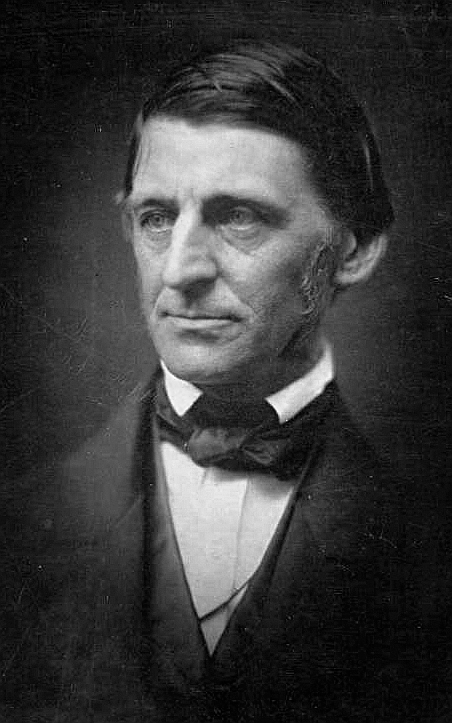
9/24
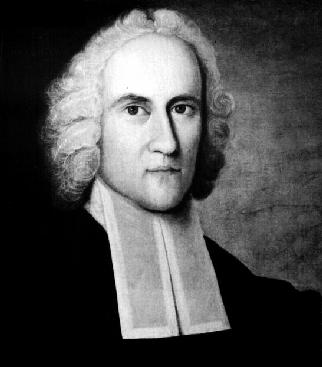
* Jonathan Edward (The religious revival)
à 1703 – 1758
à Christian preacher, philosopher, and theologian
à said to be “widely acknowledged to be America’s most important and original
philosophical theologian and the one of American’s greatest intellectuals”
à Edwards grounded his life’s work on conceptions of beauty, harmony, and ethical
fittingness, and how central The Enlightenment was to his mindset.
à Played a critical role in shaping the First Great Awakening, and over saw some of the
first revivals in 1733-35 at his church in Northampton, Massachusetts.
* The Great Awakening
à used to refer to several periods of religious revival in American religious history.
à between 3 to 4 waves of increased religious enthusiasm occurring
à occurring between the early 18th century and the late 19th century
à in late 17th century England, fighting between religious and political groups came to a
halt with the Glorious Revolution of 1688, an event which established the Church of
England as the reigning church of the country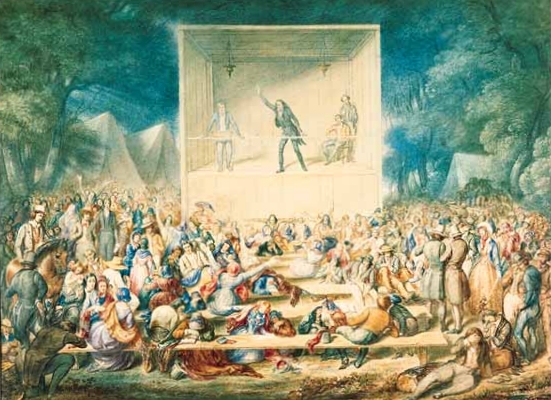
* Immigration in the 18th century
à The revolutionary era
à America has served as the destination point for a steady flow of immigrants
à During the colonial era, most migrants came form the northern European countries.
à It deals with the movement of people to the United States since the first European
settlements in about 1600s. 
* “The God that holds you over the pit of hell, much as one holds a spider or some loathsome insect over a fire, abhors you, and is dreadfully provoked.”
* Romanticism
à individualistic, emotional, humanistic (後文藝復興、後古典主義)
* Literature period (每個時期都有每個時期的反動)
1. The Classical
2. The Dark Age
3. Renaissance
4. Neoclassic
5. Romanticism
6. Victorian
7. Modernism
* The Common Sense:
à The best government is that which governs the least.
à It is a pamphlet written by Thomas Paine in 1775 – 76 that inspired people in the 13
colonies to declare and fight for independence from the Great Britain.
à Explained the advantages of and the need for immediate independence.
à It presented the American colonists with an argument for freedom from British rule at a
time when the question of whether or not to seek independence was the central issue of
the day.
* Al Gore’s Concession Speech
à Al Gore, the 45th Vice President of the United States
à On November 7th, 2000, projections indicated that Gore’s opponent, George W. Bush,
had narrowly won the election. Gore wont he national popular vote but lost the
electoral college vote after a bitter legal battle over disputed vote counts in the state of
Florida.
à “Now the U.S. Supreme Court has spoken. Let there be no doubt, while I strongly
disagree with the court’s decision, I accept it.”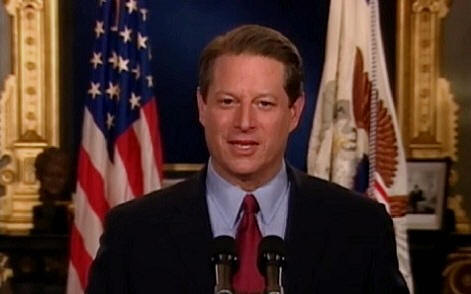
* Benjamin Franklin (The age of enlightenment)
à 1706 – 1790
à one of the founding fathers of the United States
à “the first American”
à leading author, printer, political theorist, politician, postmaster, scientist, inventor, civic
activist, statesman, and diplomat
à major figure in the American Enlightenment and the history of physics for his
discoveries and theories regarding electricity.
à 小寶的廣告富蘭克林坦伯頓 Time is money! https://www.youtube.com/watch?v=shxxHlSfc1k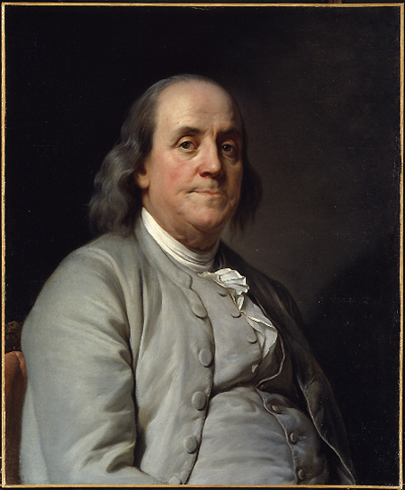
* American Enlightenment
à a period of intellectual ferment in the thirteen American colonies in period 1714 – 1818,
which led to the American Revolution, American Independence, the creation of
American Republic
* Manifest Destiny
à 19th century
à the widely held belief in the United States that American settlers were destined to
expand throughout the continent
à three basic themes:
1. The special virtues of the American people and their institutions
2. America’s mission to redeem and remake the west in the image of agrarian
America
3. An irresistible destiny to accomplish this essential duty
* Scottish referendum
à The independence referendum, 2014
à Should Scotland be an independent country? (“No” side won, with 55.3% votes)
à With some exceptions, all European Union (EU) or Commonwealth citizens resident in
Scotland aged 16 or over could vote, a total of almost 4.3 million people.
* George Eliot
à Female British author, novelist, journalist, translator
à 1819 – 1880
à Mary Anne, Marian
à one of the leading writers of Victorian era
à she used a male pen name to ensure her works would be taken seriously
à wanted to escape the stereotype of women only writing lighthearted romances
à works: Adam Bede; The Mill on the Floss; Silas Marner
* Ralph Waldo Emerson
à American essayist, lecturer, and poet
à 1803 – 1882
à led the Transcendentalist movement of the mid - 19th century
à a champion of individualism and a prescient critic of the countervailing pressures of
society
à gradually moved away from the religious and social beliefs of his contemporaries
à formulating and expressing the philosophy of transcendentalism in his essay, Nature