10/1
* American Dream in China
à It is the story talking about three ambitious college students came from different
backgrounds, but their dreams pin each other together when they met in Beijing. They
pin their fortunes on getting student visas for the United States. However, only one of
the three friends did successfully receive the visas. The two other friends decided to
build an English language school in China called “New Dream”, a school that helps to
accomplish Chinese teenagers’ dream of getting student visas and going aboard to the
states. This school teaches English to the tens of millions of Chinese teen who’s eager
for the advantages fluency brings.
* City of Glass
à It is a Hong Kong film about a car accident in London, England claims the lives of
Raphael and Vivian. “The couple was once young lovers during their days at the
University of Hong Kong in the 1970s, but had drifted apart and eventually ended up
marrying other people and raising their own families. However, they reunited in the
1990s and their love partially rekindled. After their funeral, Raphael’s son David and
Vivian’s daughter Suzie learned of their parents’ affair and embark on a journey to
discover their secret lives. Inn the end, the two fall in love.”- Wikipedia
* Transcendentalism
à The idea of: “people, men and women equally, have knowledge about themselves and
the world around them that “transcends” or goes beyong what they can see, hear, taste,
touch, or feel.”
à This knowledge “come through intuition and imagination not through logic or the
senses.”
à Transcendentalist: a person who accepts these ideas not as religious belief but as a way
of understanding life relationship.
à There are many extraordinary thinkers, but the leadership position is accored to Ralph
Waldo Emerson, the first truly “American” thinker.
à He urges American to stop looking to Europe for inspiration and imitation and be
themselves.
à He believed that people were naturally good and that everyone’s potential was limitless.
à Transcendentalism inspired a uniquely American idealism and spirit of reform.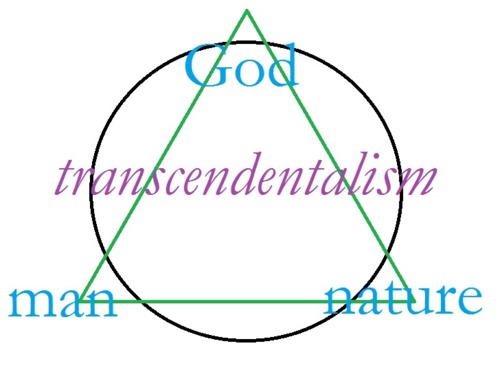
* When I was One and Twenty – A.E. Houseman
“Heart out of bosom / Was never given in vain /
‘Tis paid with sighs a plenty / And sold for endless rue.” (11 – 14)
à writing about how youth typically not heeding wise advice
à two possible reasons:
1. Did not recognized at that time until he turned older;
2. Did recognize but he couldn't do anything since he was too young
à 不要錢的最貴,不要隨便收禮
* The Declaration of Independence
à unalienable: life, liberty, pursue of happiness (沒有人是像 alien 那樣被排除在外)
à Ends: principle and power (終極目標,沒有的話人民也有 “the right to alter”)
* American Dream 2010
à 七票通過「健保案」
à 修補了兩大缺口
1. 資本主義的貧富缺口
2. 打破了「只有服務有錢人」、強調「生而平等」,超越商業社會的重利本質
* American Dream: National Ethos (19th century 美國殖民時期)
à The land of opportunity
à “a set of ideals in which freedom includes the opportunity for prosperity and success,
and an upward social mobility achieved through hard work.” -- Wikipedia
à 對更美好的家園的渴望
à 每個人都希望在這一夕致富
à “life should be better and richer and fuller for everyone with opportunity for each
according to ability or achievement” – James Truslow Adams in 1931
* Goddess of Justice
à or Lady Justice
à it is an allegorical personification of the moral force in judicial systems
* “Life is a game that one plays according to the rules.” – The Catcher in the Rye
* Colonial Period:
1. Anne-BradStreet
à writes sensitive nature observations and poetic reflections
2. Jonathan Edward
à worked out a logical system of theology designed to counter the attacks upon
Puritanism of deism and Arminianism
à “The God that holds you over the pit of hell, much as one holds a spider or
some loathsome insect over a fire, abhors you, and is dreadfully provoked.”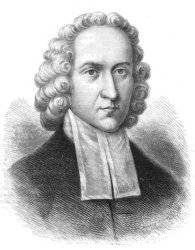
3. Edward Taylor
à his power with sustained imagery and his ability to transmit deep emotion 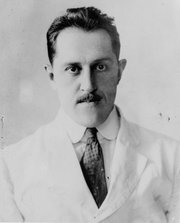
* Revolutionary Period:
1. James Madison
à “The Declaration of Independence”; expressing the dreams and aspirations of
countless millions who struggled and are yet struggling toward the
reorganization of human dignity and natural rights
à writes “The Federalist”, the most important American work on political theory,
with Alexander and Thomas Jefferson. Additionally, the purpose of which was
to secure the ratification of the new Constitution
2. Benjamin Franklin
à man of international importance
à constitutional bent was toward science and commonsense practicality: in
religion, he was an optimistic deist; in economics, an advocate of modified
individualism; in politics, a liberal who upheld the principles of English law
against the theory of the natural goodness of man; and in social matters, a
humanitarian and meliorist 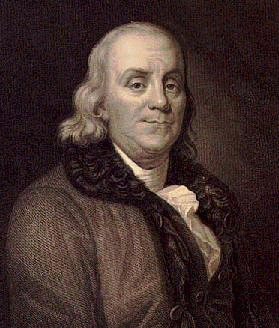
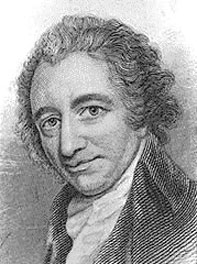
3. Thomas Paine
à English-born deist and political radical, he belonged with fiery zeal to those
eighteenth century rationalists who assumed a priori that all institutions are
corrupts and that, freed from restrictions
* Romantic Period:
1. Washington Irving
à “Rip van Winkle”
à “The Legend of Sleepy Hollow”
2. Henry Wadsworth Longfellow
à he touched the hearts of Americans in a way no other poets has, the heart of
everyday life with its simple joys and sorrows
3. Edgar Allan Poe
à one of the best known American critics, poets, and short-story writers in 19th
century
4. Ralph Waldo Emerson
à leader of transcendentalism
* Xerox Copy (影本)
* Carbon Copy (C.C. email)


