*-ium/-eum: a place which is surrounded
*spect-: to watch
ex. Olympic Stadium/auditorium-spectator/museum/aquarium
ex. perspective/spectacular/inspect
Metamorphosis form Franz Kafka

The Metamorphosis (German: Die Verwandlung, also sometimes translated as The Transformation) is a novella by Franz Kafka, first published in 1915. It has been called one of the seminal works of fiction of the 20th century and is studied in colleges and universities across the Western world.
The story begins with a traveling salesman, Gregor Samsa, waking to find himself transformed (metamorphosed) into a large, monstrous insect-like creature. The cause of Gregor's transformation is never revealed, and Kafka himself never gave an explanation. The rest of Kafka's novella deals with Gregor's attempts to adjust to his new condition as he deals with being burdensome to his parents and sister, who are repelled by the horrible, verminous creature Gregor has become.
Hephaestus
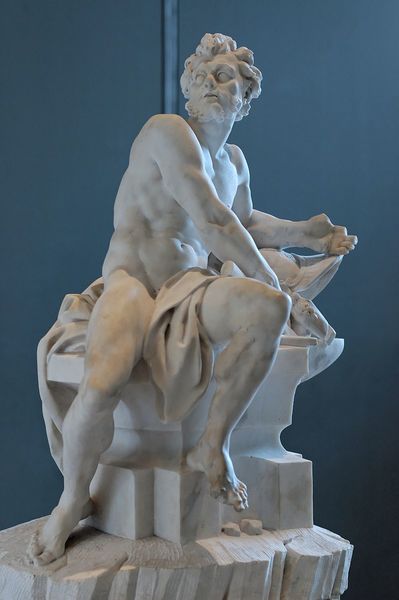
Hephaestus is the Greek god of blacksmiths, craftsmen, artisans, sculptors, metals, metallurgy, fire and volcanoes. Hephaestus' Roman equivalent is Vulcan. In Greek mythology, Hephaestus was the son of Zeus and Hera, the king and queen of the gods. In another version, he was Hera's parthenogenous child, rejected by his mother because of his deformity and thrown off of Mount Olympus and down to earth.
As a smithing god, Hephaestus made all the weapons of the gods in Olympus. He served as the blacksmith of the gods, and was worshipped in the manufacturing and industrial centers of Greece, particularly Athens. The cult of Hephaestus was based in Lemnos. Hephaestus' symbols are a smith's hammer, anvil, and a pair of tongs.
Hippocrates
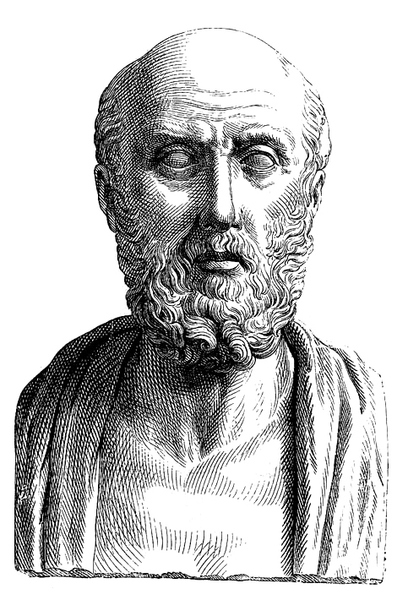
Hippocrates of Kos, also known as Hippocrates II, was a Greek physician of the Age of Pericles (Classical Greece), and is considered one of the most outstanding figures in the history of medicine. He is referred to as the "Father of Modern Medicine"in recognition of his lasting contributions to the field as the founder of the Hippocratic School of Medicine. This intellectual school revolutionized medicine in ancient Greece, establishing it as a discipline distinct from other fields with which it had traditionally been associated (theurgy and philosophy), thus establishing medicine as a profession.
Asclepius-the god of medicine
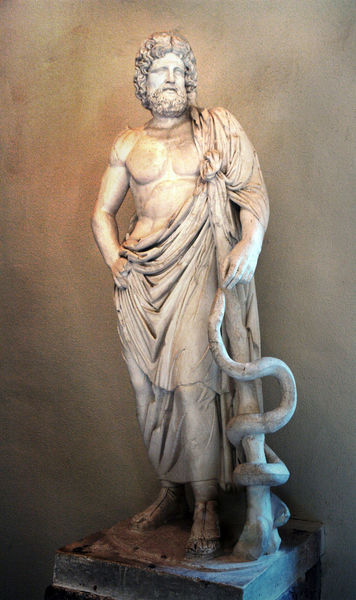
Asclepius was a hero and god of medicine in ancient Greek religion and mythology. Asclepius represents the healing aspect of the medical arts; his daughters are Hygieia ("Hygiene", the goddess/personification of health, cleanliness, and sanitation), Iaso (the goddess of recuperation from illness), Aceso (the goddess of the healing process), Aglæa/Ægle (the goddess of beauty, splendor, glory, magnificence, and adornment), and Panacea (the goddess of universal remedy). He was associated with the Roman/Etruscan god Vediovis and the Egyptian Imhotep. He was one of Apollo's sons, sharing with Apollo the epithet Paean ("the Healer"). The rod of Asclepius, a snake-entwined staff, remains a symbol of medicine today. Those physicians and attendants who served this god were known as the Therapeutae of Asclepius.
Socrates-Western Confucius
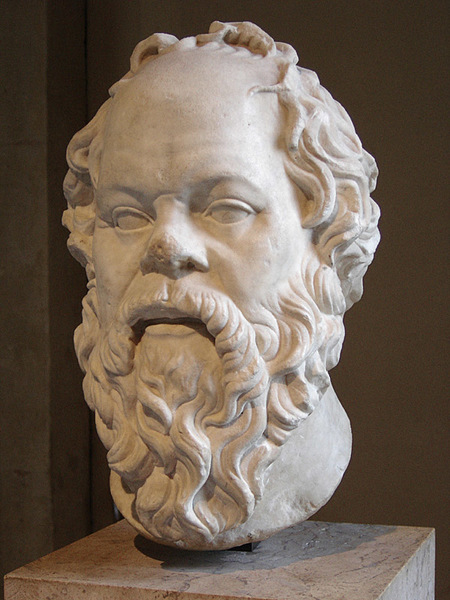
Socrates was a classical Greek (Athenian) philosopher credited as one of the founders of Western philosophy. He is an enigmatic figure known chiefly through the accounts of classical writers, especially the writings of his students Plato and Xenophon and the plays of his contemporary Aristophanes. Plato's dialogues are among the most comprehensive accounts of Socrates to survive from antiquity, though it is unclear the degree to which Socrates himself is "hidden behind his 'best disciple', Plato".
*arch : order
ex. hierarchies/anarchy
限會員,要發表迴響,請先登入


