Garden of Eden
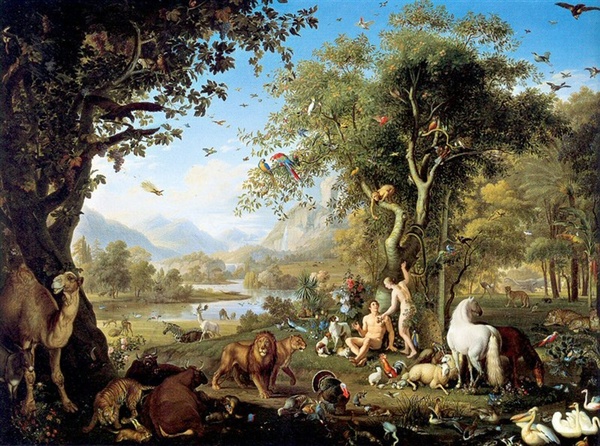
The Garden of Eden or often Paradise is the biblical "garden of God", described most notably in the Book of Genesis chapters 2 and 3, and also in the Book of Ezekiel. The "garden of God", not called Eden, is mentioned in Genesis 13, and the "trees of the garden" are mentioned in Ezekiel 31. The Book of Zechariah and the Book of Psalms also refer to trees and water in relation to the temple without explicitly mentioning Eden.
Much like records of the great flood, creation story and confusion of languages, the story of Eden echoes the Mesopotamian myth of a king, as a primordial man, who is placed in a divine garden to guard the tree of life. In the Hebrew Bible, Adam and Eve are depicted as walking around the Garden of Eden naked due to their innocence. Eden and its rivers may signify the real Jerusalem, the Temple of Solomon, or the Promised Land. It may also represent the divine garden on Zion, and the mountain of God, which was also Jerusalem. The imagery of the Garden, with its serpent and cherubs, has been compared to the images of the Solomonic Temple with its copper serpent (the nehushtan) and guardian cherubs.
Adam and Eve
Adam and Eve, according to the creation myth of the Abrahamic religions, were the first man and woman and the ancestors of all humans. The story of Adam and Eve is central to the belief that God created human beings to live in a paradise on earth, although they fell away from that state and formed the present world full of suffering and injustice. It provides the basis for the belief that humanity is in essence a single family, with everyone descended from a single pair of original ancestors. It also provides much of the scriptural basis for the doctrines of the fall of man and original sin that are important beliefs in Christianity, but which are not generally held in Judaism or Islam.
Hebrew Greek Roman(classical)
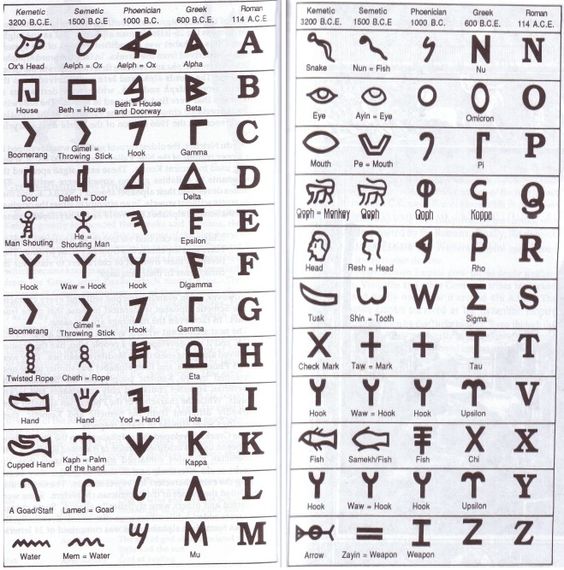
*en-: to increase
ex. enlight
Wall-E &Eve(the meaning approaches to Eva, which means the origin of life)

*fra-: fragment
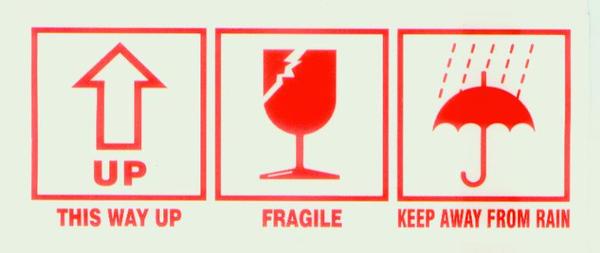
fragile(notification on the boxes)
Forbidden fruit
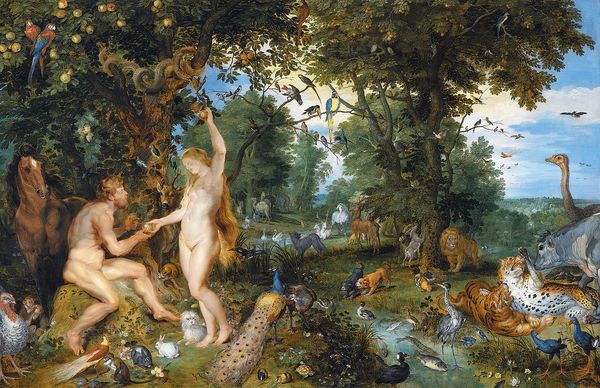
Forbidden fruit is a phrase that originates from Genesis concerning Adam and Eve in Genesis 2:16–17. In the narrative, Adam and Eve ate the fruit of good and evil in the Garden of Eden, which they had been commanded not to do by God. As a metaphor, the phrase typically refers to any indulgence or pleasure that is considered illegal or immoral.
Adam’s apple

The Adam's apple, or laryngeal prominence is a feature of the human neck, and is the lump or protrusion that is formed by the angle of the thyroid cartilage surrounding the larynx.
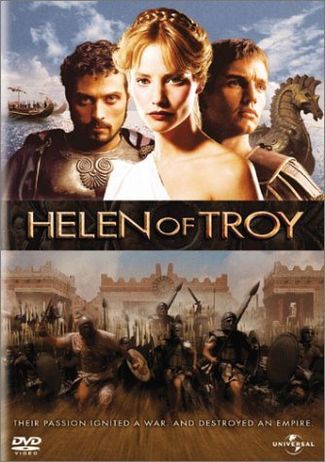
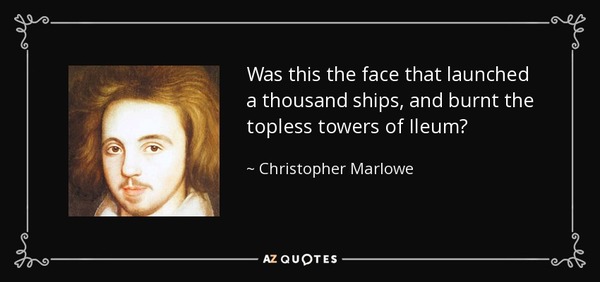
Marlowe-Helen of Troy
Was this the face that launched a thousand ships. And burnt the topless towers of Ilium?
限會員,要發表迴響,請先登入


