4/7
1. dangle (v.) /ˈdæŋɡ(ə)l/
a. if you dangle something, or if it dangles, it hangs or swings without anything stopping it
b. to offer someone something attractive as a way of persuading them to do something
ex: A single light bulb dangled from the ceiling.
2. swerve (v.) /swɜː(r)v/
a. if something such as a vehicle swerves, or if you swerve it, it changes direction suddenly in order to avoid someone or something
ex: He swerved suddenly, narrowly missing a cyclist.
3. underscore (v.) /ˌʌndə(r)ˈskɔː(r)/
a. to draw a line under a word or sentence that you have written
b. to emphasize something, or to show that it is important
c. to make evident
ex: The study underscores the importance of early diagnosis.
4. coddle (v.) /ˈkɒd(ə)l/
a. to treat someone in a way that gives them too much protection from harm or difficult experiences
b. to cook an egg with hot water that does not boil
ex: The judges were accused of coddling criminals.
5. chauffeur (v.) /ˈʃəʊfə(r)/
a. to drive (someone) around in a car as a job
b. to drive (someone) in a car to a certain place
ex: He chauffeurs for a millionaire.
4/8
1.thorny (adj.) /ˈθɔː(r)ni/
a. a thorny issue, problem, subject etc is one that is difficult to deal with
b. covered with thorns
ex: Now we come to the thorny question of cost.
2.impending (adj.) /ɪmˈpendɪŋ/
a. an impending event or situation, especially an unpleasant one, is one that will happen very soon
ex: He was unaware of the impending disaster.
3. succession (n.) /səkˈseʃ(ə)n/
a. a series of people or things of the same type
b. the process by which one person comes after another as a king, queen, or leader
ex: The story brought an endless succession of journalists to the city.
4. presumably (adv.) /prɪˈzjuːməbli/
a. used for saying that you think something is true based on what you know, although you are not really certain
b. by reasonable assumption
ex: They are students, so presumably they won't have a lot of money.
5. unravel (v.) /ʌnˈræv(ə)l/
a. to understand something complicated by thinking about it for a long time
b. if a process or project unravels, it begins to fail
c. if a piece of clothing unravels, or if you unravel it, its fibers become separated from each other
ex: There were worries that the peace process was beginning to unravel.
4/9
1.skirmish (n.) /ˈskɜː(r)mɪʃ/
a. a fight, especially one that is away from the main fighting in a war
b. an argument or a disagreement, especially a political one
ex: An officer was killed in a skirmish with guerillas.
2. encroach (v.) /ɪnˈkrəʊtʃ/
a. to gradually take something such as power or authority from someone else
b. to cover more land gradually
c. to gradually reduce the amount of time that someone has available to do what they want to do
ex: I didn't want work to encroach any more on my spare time.
3. ominous (adj.) /ˈɒmɪnəs/
a. making you think that something bad will happen
b. being or exhibiting an omen
ex: There was an ominous silence.
4. precedent (n.) /ˈpresɪdənt/
a. an action or event in the past that is used as an example or reason for a present action or event
b. a decision by a court on which future decisions are based
ex: There are good precedents for this sort of cooperation between organizations.
5. onset (n.) /ˈɒnˌset/
a. the beginning of something, especially something bad
ex: The claim that if you take enough vitamin C at the onset of a cold, you'll often recover faster
4/10
1. castaway (n.) /ˈkɑːstəˌweɪ/
a. someone whose ship has sunk and who is left on an island or beach where there are no other people
b. thrown out or left without friends or resources
ex: Lily had the doomed sense of the castaway who has signaled in vain to fleeing sails .
2. embrace (v.) /ɪmˈbreɪs/
a. to put your arms around someone in order to show love or friendship
b. to completely accept something such as a new belief, idea, or way of life
c. to use (an opportunity) eagerly
ex: Most countries have enthusiastically embraced the concept of high-speed railways.
3. stifle (v.) /ˈstaɪf(ə)l/
a. to stop someone from breathing
b. to stop something from developing normally
c. to stop yourself from doing something that shows how you feel
ex: Businesses are being stifled by a lot of new laws.
4. faze (v.) /feɪz/
a. to make someone feel confused, shocked, or upset
b. to disturb the composure of
ex: You'll never succeed as a writer if you let a little bit of criticism faze you.
5. tattered (adj.) /ˈtætə(r)d/
a. something that is tattered looks in very bad condition because parts of it have been torn
b. wearing ragged clothes
c. being in a shattered condition
ex: Ann arrived at the refugee camp tattered and exhausted
4/11
1. dredge (v.) /dredʒ/
a. to remove dirt and sand from the bottom of a river or lake
b. to shake something such as sugar or flour over something
ex: They are dredging for the dead body
2. iconic (adj.) /aɪˈkɒnɪk/
a. very famous and well known, and believed to represent a particular idea
ex: His photographs have become iconic images of war.
3. attorney (n.) /əˈtɜː(r)ni/
a. one who is legally appointed to transact business on another's behalf
ex: Andy finally finished law school and became an attorney
4. liability (n.) /ˌlaɪəˈbɪləti/
a. legal responsibility for causing damage or injury, or for paying something
b. the amount of money that a company owes
c. someone or something that causes problems for someone
ex: The company accepts no liability for delays caused by bad weather.
5. array (n.) /əˈreɪ/
a. a large group of people or things that are related in some way
b. a group of numbers, symbols, etc., that are arranged in rows and columns
c. a way of organizing pieces of information in the memory of a computer so that similar kinds of information are together
d. beautiful or impressive clothes
ex: An array of solar panels supplies the site with electricity.
4/11英文上課筆記
1. trend (n.)
a. a gradual change or development that produces a particular result
ex: We've seen a trend towards more violent films this year.
2. dietary (adj.)
a. related to the foods that someone eats
ex: You'll have to change your dietary habits.
3.re- again
a. restock
to provide a place or container with a new supply of something
ex: Our guests restocked the fridge with food for us when they left.
b. reshape (v.)
to change the way that something operates or develops
ex: They're reshaping the accounts department.
4. SARS
Severe acute respiratory syndrome (SARS) is a viral respiratory disease of zoonotic origin caused by the SARS coronavirus.
5. chronic
a. a chronic illness or chronic pain is serious and lasts for a long time.
b. a chronic problem is always happening or returning and is very difficult to solve
c. doing something again and again, especially something harmful that you are unable or unwilling to stop doing
ex: The film was pretty chronic, but we had a good laugh.
6. asparagus (n.)
a. a long thin green vegetable whose stems and tips are eaten
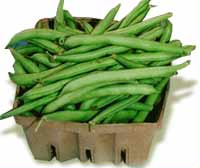
7. French fries

French bean

French bread
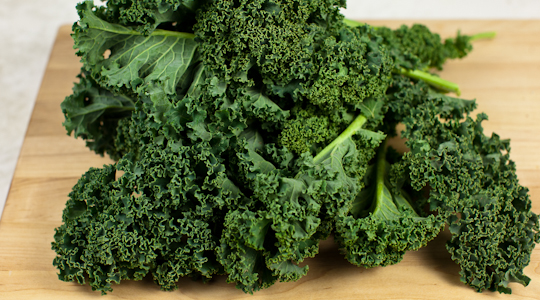
8. kale
a vegetable with large curly dark-green leaves. Kale is a type of cabbage.
9. The sleeping fox has no duck
10. Time is money
11. A penny saved is a penny earned
12. provision (n.)
a. the act of providing something that someone needs
b. plans or preparation for future needs
c. a part of an agreement or law that deals with a particular problem
ex: There is no provision for expanding classroom space.
13. Yum
used for saying that you like the taste or smell of something
14.Thomas Paine
Thomas Paine was an English-American political activist, author, political theorist and revolutionary. As the author of two highly influential pamphlets at the start of the American Revolution, he inspired the Patriots in 1776 to declare independence from Britain.
Common Sense
Common sense is a basic ability to perceive, understand, and judge things, which is shared by nearly all people, and can be reasonably expected of nearly all people without any need for debate.
15. The Federalist
The Federalist Papers are a series of 85 articles and essays written by Alexander Hamilton, James Madison, and John Jay promoting the ratification of the United States Constitution.
16. affirm (v.)
a. to state that something is true or that you agree with it, especially in public
b. to support something or make it stronger
c. to show respect for and approval of someone, especially in public
ex: The school affirmed its commitment to its students.
17. idle, dissolute, insolent
18. industry, frugality, sobriety
19. -cide
a. homicide
the crime of killing someone
b. pesticide
a chemical used for killing insects, especially those that damage crops


