Introduction – Company Background
GuangXin Industrial Co., Ltd. is a specialized manufacturer dedicated to the development and production of high-quality insoles.
With a strong foundation in material science and footwear ergonomics, we serve as a trusted partner for global brands seeking reliable insole solutions that combine comfort, functionality, and design.
With years of experience in insole production and OEM/ODM services, GuangXin has successfully supported a wide range of clients across various industries—including sportswear, health & wellness, orthopedic care, and daily footwear.
From initial prototyping to mass production, we provide comprehensive support tailored to each client’s market and application needs.
At GuangXin, we are committed to quality, innovation, and sustainable development. Every insole we produce reflects our dedication to precision craftsmanship, forward-thinking design, and ESG-driven practices.
By integrating eco-friendly materials, clean production processes, and responsible sourcing, we help our partners meet both market demand and environmental goals.

Core Strengths in Insole Manufacturing
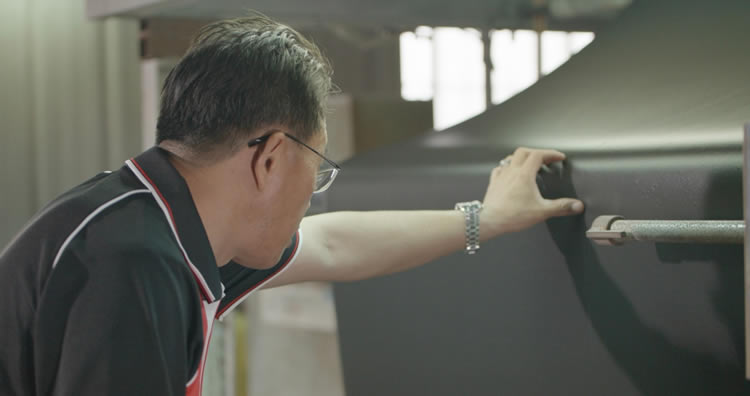
At GuangXin Industrial, our core strength lies in our deep expertise and versatility in insole and pillow manufacturing. We specialize in working with a wide range of materials, including PU (polyurethane), natural latex, and advanced graphene composites, to develop insoles and pillows that meet diverse performance, comfort, and health-support needs.
Whether it's cushioning, support, breathability, or antibacterial function, we tailor material selection to the exact requirements of each project-whether for foot wellness or ergonomic sleep products.
We provide end-to-end manufacturing capabilities under one roof—covering every stage from material sourcing and foaming, to precision molding, lamination, cutting, sewing, and strict quality control. This full-process control not only ensures product consistency and durability, but also allows for faster lead times and better customization flexibility.
With our flexible production capacity, we accommodate both small batch custom orders and high-volume mass production with equal efficiency. Whether you're a startup launching your first insole or pillow line, or a global brand scaling up to meet market demand, GuangXin is equipped to deliver reliable OEM/ODM solutions that grow with your business.
Customization & OEM/ODM Flexibility
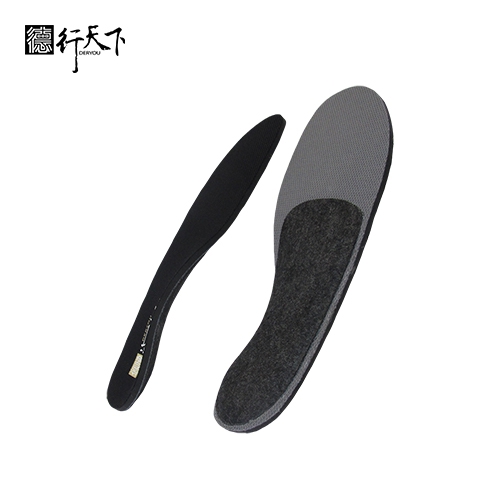
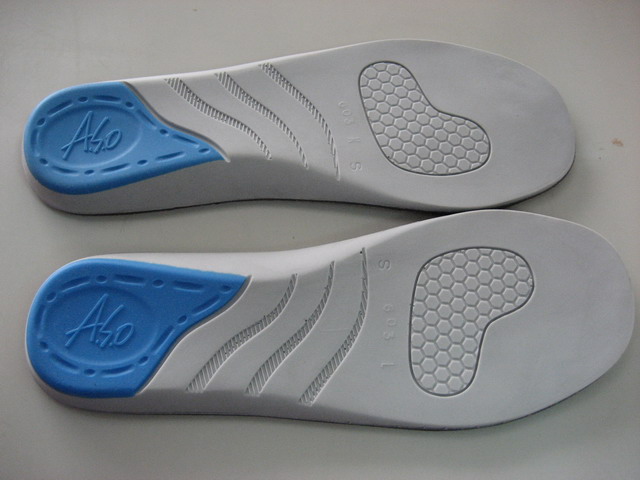
GuangXin offers exceptional flexibility in customization and OEM/ODM services, empowering our partners to create insole products that truly align with their brand identity and target market. We develop insoles tailored to specific foot shapes, end-user needs, and regional market preferences, ensuring optimal fit and functionality.
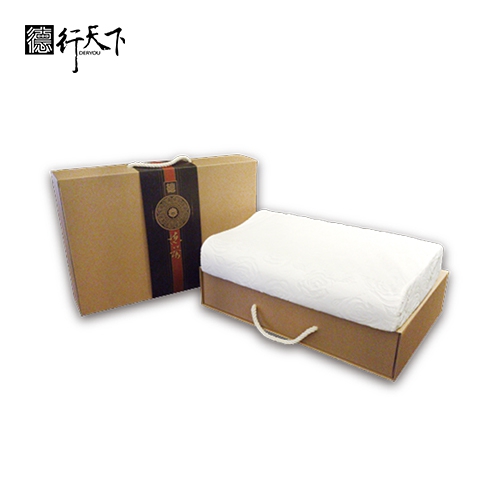
Our team supports comprehensive branding solutions, including logo printing, custom packaging, and product integration support for marketing campaigns. Whether you're launching a new product line or upgrading an existing one, we help your vision come to life with attention to detail and consistent brand presentation.
With fast prototyping services and efficient lead times, GuangXin helps reduce your time-to-market and respond quickly to evolving trends or seasonal demands. From concept to final production, we offer agile support that keeps you ahead of the competition.
Quality Assurance & Certifications
Quality is at the heart of everything we do. GuangXin implements a rigorous quality control system at every stage of production—ensuring that each insole meets the highest standards of consistency, comfort, and durability.
We provide a variety of in-house and third-party testing options, including antibacterial performance, odor control, durability testing, and eco-safety verification, to meet the specific needs of our clients and markets.
Our products are fully compliant with international safety and environmental standards, such as REACH, RoHS, and other applicable export regulations. This ensures seamless entry into global markets while supporting your ESG and product safety commitments.
ESG-Oriented Sustainable Production
At GuangXin Industrial, we are committed to integrating ESG (Environmental, Social, and Governance) values into every step of our manufacturing process. We actively pursue eco-conscious practices by utilizing eco-friendly materials and adopting low-carbon production methods to reduce environmental impact.
To support circular economy goals, we offer recycled and upcycled material options, including innovative applications such as recycled glass and repurposed LCD panel glass. These materials are processed using advanced techniques to retain performance while reducing waste—contributing to a more sustainable supply chain.
We also work closely with our partners to support their ESG compliance and sustainability reporting needs, providing documentation, traceability, and material data upon request. Whether you're aiming to meet corporate sustainability targets or align with global green regulations, GuangXin is your trusted manufacturing ally in building a better, greener future.
Let’s Build Your Next Insole Success Together
Looking for a reliable insole manufacturing partner that understands customization, quality, and flexibility? GuangXin Industrial Co., Ltd. specializes in high-performance insole production, offering tailored solutions for brands across the globe. Whether you're launching a new insole collection or expanding your existing product line, we provide OEM/ODM services built around your unique design and performance goals.
From small-batch custom orders to full-scale mass production, our flexible insole manufacturing capabilities adapt to your business needs. With expertise in PU, latex, and graphene insole materials, we turn ideas into functional, comfortable, and market-ready insoles that deliver value.
Contact us today to discuss your next insole project. Let GuangXin help you create custom insoles that stand out, perform better, and reflect your brand’s commitment to comfort, quality, and sustainability.
🔗 Learn more or get in touch:
🌐 Website: https://www.deryou-tw.com/
📧 Email: shela.a9119@msa.hinet.net
📘 Facebook: facebook.com/deryou.tw
📷 Instagram: instagram.com/deryou.tw
Taiwan ODM expert for comfort products
Are you looking for a trusted and experienced manufacturing partner that can bring your comfort-focused product ideas to life? GuangXin Industrial Co., Ltd. is your ideal OEM/ODM supplier, specializing in insole production, pillow manufacturing, and advanced graphene product design.
With decades of experience in insole OEM/ODM, we provide full-service manufacturing—from PU and latex to cutting-edge graphene-infused insoles—customized to meet your performance, support, and breathability requirements. Our production process is vertically integrated, covering everything from material sourcing and foaming to molding, cutting, and strict quality control.Insole ODM factory in Thailand
Beyond insoles, GuangXin also offers pillow OEM/ODM services with a focus on ergonomic comfort and functional innovation. Whether you need memory foam, latex, or smart material integration for neck and sleep support, we deliver tailor-made solutions that reflect your brand’s values.
We are especially proud to lead the way in ESG-driven insole development. Through the use of recycled materials—such as repurposed LCD glass—and low-carbon production processes, we help our partners meet sustainability goals without compromising product quality. Our ESG insole solutions are designed not only for comfort but also for compliance with global environmental standards.Taiwan graphene material ODM factory
At GuangXin, we don’t just manufacture products—we create long-term value for your brand. Whether you're developing your first product line or scaling up globally, our flexible production capabilities and collaborative approach will help you go further, faster.Thailand high-end foam product OEM/ODM
📩 Contact us today to learn how our insole OEM, pillow ODM, and graphene product design services can elevate your product offering—while aligning with the sustainability expectations of modern consumers.China OEM factory for footwear and bedding
Setting up soil microcosms for herbicide exposure experiment. Credit: Liao Hanpeng The use of weed killers can increase the prevalence of antibiotic resistant bacteria in soil, a new study from the University of York shows. Herbicides are one of the most widely used chemicals in agriculture and while these compounds are used to target weeds, they can cause damage to soil microbes, such as bacteria and fungi, potentially changing the ecological properties of microbial communities. Scientists from China and the UK studied the effect of three widely used herbicides called glyphosate, glufosinate, and dicamba on soil bacterial communities. Using soil microcosms, researchers discovered that herbicides increased the relative abundance of bacterial species that carried antibiotic resistance genes. This was because mutations that improved growth in the presence of herbicides also increased bacterial tolerance to antibiotics. Herbicide exposure also led to more frequent movement of antibiotic resistance genes between bacteria. Similar patterns were found in agricultural fields across 11 Chinese provinces where herbicide application history, and the levels of herbicide residues in soils, were linked to increased levels of antibiotic resistance genes. Low-Level Exposure, High-Level Impact Dr. Ville Friman from the Department of Biology said: “Our results suggest that the use of herbicides could indirectly drive antibiotic resistance evolution in agricultural soil microbiomes, which are repeatedly exposed to herbicides during weed control. “Interestingly, antibiotic resistance genes were favored at herbicide concentrations that were not lethal to bacteria. This shows that already very low levels of herbicides could significantly change the genetic composition of soil bacterial populations. Such effects are currently missed by ecotoxicological risk assessments, which do not consider evolutionary consequences of prolonged chemical application at the level of microbial communities. “While antibiotic resistance genes are not harmful per se, they will reduce the efficiency of antibiotics during clinical treatments. Keeping the frequency of resistance genes low will hence prolong the long-efficiency of antibiotics. As resistance genes can easily move between environments, agricultural fields could be globally important source for resistance genes” The study concludes that the effects of these herbicide concentrations on microbial communities should be re-evaluated to fully understand the associated risks for the prevalence of antibiotic resistance genes. Reference: “Herbicide selection promotes antibiotic resistance in soil microbiomes” by Hanpeng Liao, Xi Li, Qiue Yang, Yudan Bai, Peng Cui, Chang Wen, Chen Liu, Zhi Chen, Jiahuan Tang, Jiangang Che, Zhen Yu, Stefan Geisen, Shungui Zhou, Ville-Petri Friman and Yong-Guan Zhu, 16 February 2021, Molecular Biology and Evolution. DOI: 10.1093/molbev/msab029
Infants’ visual experiences are distinctively characterized by high-contrast, simple patterns, as revealed by research using head-mounted cameras to document the daily life visual inputs of young infants. This early visual “diet” is crucial for developing human vision and has implications for addressing visual deficiencies and training AI visual systems. Research shows that infants primarily see high-contrast, simple patterns, forming an essential visual foundation for later development and influencing both human vision and AI training. What do infants see? What do they look at? The answers to these questions are very different for the youngest babies than they are for older infants, children, and adults. Characterized by a few high-contrast edges in simple patterns, these early scenes also contain the very materials needed to build a strong foundation for human vision. That is the finding of a new study which was recently published in Science Advances by IU researchers Erin Anderson, Rowan Candy, Jason Gold, and Linda Smith. “The starting assumption for everybody who thinks about the role of experience in visual development has always been that at the scale of everyday experience, visual input is pretty much the same for everyone,” explains principal investigator Linda Smith, a professor in the Department of Psychological and Brain Sciences. “Yet, this study says, no, visual input changes with development. It’s not the same for everybody. The daily life input for very young infants appears to be unique to that age.” To see what young babies see and look at, Smith’s Lab put head cameras on infants to wear in the home during daily life activities. Credit: Photo courtesy of Indiana University’s Department of Psychological and Brain Sciences Prior studies in the laboratory and clinic had shown that young infants prefer to look at simple, high-contrast scenes of big black stripes and checkerboards. The current study is the first to ask to what extent these preferences make up their daily life input. “To see what young babies see and look at,” says Anderson, a former postdoctoral researcher in Smith’s Cognitive Development Lab, she and her colleagues put head cameras on infants to wear in the home during daily life activities. “You can buy ‘baby flash cards’ for newborns that show these simple, high-contrast images,” she explains. “What the head-camera videos show, what this work shows, is that young infants find these types of images all around them in their daily life, just by looking at things like lights and ceiling corners.” Linda Smith is a Distinguished Professor in Indiana University’s Department of Psychological and Brain Sciences. Credit: Photo courtesy of Indiana University’s Department of Psychological and Brain Sciences “What we found is a very special, early ‘diet’ for visual development,” adds Smith. “As with food, young infants do not start with rich, complex meals or pizza, but rather with simple, developmentally specific nourishment.” Previous work has recognized the critical nature of this early period to the future development of human vision. For example, infants born with visual abnormalities such as cataracts or those in orphanages with limited visual experiences have been shown to have lifelong visual deficiencies. The current study offers some preliminary data for addressing these deficiencies. It also has important implications for the makings of AI visual systems, which likewise acquire stronger visual skills when training begins with the same simple, high-contrast visual content. “The massive scale of daily-life input” To identify the properties of visual input in infants at approximately three to 13 months old, the researchers placed head-mounted video cameras on 10 infants and 10 of their adult caregivers, collecting and analyzing 70 hours of visual documentation of at-home daily life. Clear differences emerge between the contents of the infants and adults’ images with a higher concentration of simple patterns and high-contrast edges within the views of infants than in those of adults. Smith infers that the reason for these views is not only that infants will turn their heads to look at the features of the world they can see, but that parents or caregivers are likely to put them in places where they like to look at things. “You have to think why they are where they are. There is probably some natural knowledge implicit on the part of parents to leave infants where like to look at things. Mom’s not gonna bother you if you’re not fussing,” she observes. Yet, is this small group of participants from Bloomington, Indiana representative of infants more broadly around the world? To answer this question Smith’s lab conducted the same experiment with a collaborator in a small, crowded fishing village in Chennai, India where electricity is minimal and much of daily life occurs outdoors. And while images from the head cameras of 6-month-olds and 12-month-olds looked very different from their Bloomington counterparts, the youngest infants share a common “diet” of high-contrast edges and simple patterns in both Chennai and Bloomington. Bigger pictures, past and future Smith and her collaborators have also shown that the same sequence of images improves the training of AI visual systems. In a follow-up to the current study, published in the 2023 Neural Information Processing Systems Conference Proceedings, they found that if you train an AI system by first feeding it images characteristic of early infancy, it has greater success learning to identify visual images than if you feed it images in a random developmental order or simply provide images typical of an adult’s daily life. The more precise developmental sequence produced the best results. Their work opens up new avenues for evolutionary speculation. As Smith explains, “One of the things I always used to ask as a grad student – and maybe we’re getting a chance to answer it – is why do human babies have such slow motor development. They spend about three months just listening and looking and another six months with a little bit of posture and head control. Why are they so slow? Horses come out and run races.” This research suggests that “over evolutionary time these slow, incremental, and optimized biases work to build up a very smart visual and auditory system,” she says. “That’s a story that could be told.” In the meantime, their work raises new questions on the visual content of early infancy and its role in the developing visual system, whether human or AI. Reference: “An edge-simplicity bias in the visual input to young infants” by Erin M. Anderson, T. Rowan Candy, Jason M. Gold and Linda B. Smith, 10 May 2024, Science Advances. DOI: 10.1126/sciadv.adj8571 The study was funded by the National Institutes of Health and the U.S. National Science Foundation.
Duke University biomedical engineers have developed a new synthetic method for controlling cellular processes. The approach involves directing cells to build compartments that regulate biomolecular functions, rather than directly interacting with cellular machinery. This method can impact genetic instructions spreading among bacteria and protein circuits in mammalian cells, potentially leading to new strategies for understanding and combating disease and antibiotic resistant pathogens. Emerging field of synthetic condensates isolates or traps together biomolecules to control cellular processes. Biomedical engineers at Duke University have demonstrated a new synthetic approach to controlling cellular biochemical processes. Rather than creating particles or structures that directly interact with cellular machinery through traditional “lock and key” mechanisms, cells are directed to build compartments that physically stop — or encourage — biomolecular functions. The researchers demonstrate that their approach can affect two cellular processes, one responsible for spreading genetic instructions amongst bacteria and the other for modulating protein circuits in mammalian cells. The results could prove invaluable to developing new strategies to understand and fight disease or to stop the spread of antibiotic resistant pathogens. The results appear online today (February 6, 2023) in the journal Nature Chemical Biology. These red splotches are fluorescent, synthetic compartments built within a living cell by its own biological machinery to control its biomolecular behaviors. Credit: Yifan Dai, Duke University “A living cell is like a dense noodle soup, the density of the biomolecules in the cell is sometimes described as putting every human on the planet into the Great Salt Lake,” said Yifan Dai, a postdoctoral researcher working in the laboratory of Ashutosh Chilkoti, the Alan L. Kaganov Distinguished Professor of Biomedical Engineering and the laboratory of Lingchong You, the James L. Meriam Distinguished Professor of Biomedical Engineering at Duke. “Amber formation sometimes locks and preserves animals for thousands of years because of its distinct material properties compared to the surrounding environment,” Dai said. “Scientists thought that maybe cells can do the same thing with information.” Biological micromachinery generally relies on so-called “lock and key” mechanisms, where a protein, genetic strand or other biomolecule is just the right shape and size to interact with its target structure. Because these are the easiest and most obvious processes to study and recreate, nearly all biomedical research has been focused on its vast, complex web of machinery. Harnessing Phase Separation and Condensates But because cells are so densely packed with this biomolecular machinery, and they need to control activity to respond to different needs throughout their lifetime, scientists have long suspected they must have ways of dialing activities up and down. But it wasn’t until 2009 that researchers discovered the mechanism of one such method, called phase separation mediated biological condensates. Biological condensates are small compartments that cells can build to either separate or trap together certain proteins and molecules, either hindering or promoting their activity. Researchers are just beginning to understand how condensates work and what they could be used for. Creating a platform that can tell cells to create synthetic versions of these biomolecular cages is a large step toward both goals. “To me, what’s most remarkable is the effectiveness of the rules emerging from past studies in guiding the rational engineering of the physical properties of these condensates, which in turn work effectively in living cells despite the many confounding factors associated with the intracellular environment,” Lingchong You said. Synthetic Genetic Instructions for Cellular Control In the paper, Dai, Chilkoti, You, and their colleagues from the laboratory of Rohit V. Pappu, the Gene K. Beare Distinguished Professor of Biomedical Engineering and the director of the Center for Biomolecular Condensates at Washington University in St. Louis, demonstrate the creation of a synthetic set of genetic instructions that causes cells to create different types of condensates that trap various biomolecular processes. In one example, they build condensates that stop small packets of DNA called plasmids from traveling between bacteria in a process called horizontal gene transfer. This process is one of the primary methods pathogens use to spread resistance to antibiotics, and stopping it from happening could be a key step toward fighting the creation and proliferation of “superbugs.” The researchers also show that they can use this approach to control the transcription of DNA into RNA in E. coli, effectively amplifying the expression of a specific gene by bringing different factors together. They further demonstrate this approach to modulate protein circuits in mammalian cells. Modulating the activity of specific genes and protein activities could be a useful way of combatting a wide variety of diseases, especially genetic diseases. “This paper shows that we, as biomedical engineers, can design new molecular parts from the ground up, convince the cell to make them, and assemble these parts inside the cell to make a new machine,” said Chilkoti. “These synthetic condensates can then be turned on inside the cell to control how the cell functions. This paper is part of an emerging field that will allow us to reprogram life in new and exciting ways.” Reference: “Programmable Synthetic Biomolecular Condensates for Cellular Control” by Yifan Dai, Mina Farag, Dongheon Lee, Xiangze Zeng, Kyeri Kim, Hye-in Son, Xiao Guo, Jonathon Su, Nikhil Peterson, Javid Mohammad, Max Ney, Daniel Mark Shapiro, Rohit V. Pappu, Ashutosh Chilkoti and Lingchong You, 6 February 6, 2023, Nature Chemical Biology. DOI: 10.1038/s41589-022-01252-8 This research was supported by the Air Force Office of Scientific Research (FA9550-20-1-0241) and the National Institutes of Health (MIRA R35GM127042 and R01EB031869).
DVDV1551RTWW78V
One-stop OEM/ODM solution provider Taiwan 》your go-to partner for comfort-focused OEM/ODM solutionsInsole ODM production factory in Taiwan 》your competitive edge in product performance and speedChina ergonomic pillow OEM supplier 》built to serve both niche and mass production needs
下一則: Taiwan anti-bacterial pillow ODM design 》meeting y
- One-stop OEM/ODM solution provider Thailand 》trust
- Thailand sustainable material ODM solutions 》deliv
- Custom foam pillow OEM in Thailand 》a trusted OEM/
- ESG-compliant OEM manufacturer in China 》elevating
- Flexible manufacturing OEM & ODM Vietnam 》preferre
- Eco-friendly pillow OEM factory Taiwan 》supporting
限會員,要發表迴響,請先登入


