Introduction – Company Background
GuangXin Industrial Co., Ltd. is a specialized manufacturer dedicated to the development and production of high-quality insoles.
With a strong foundation in material science and footwear ergonomics, we serve as a trusted partner for global brands seeking reliable insole solutions that combine comfort, functionality, and design.
With years of experience in insole production and OEM/ODM services, GuangXin has successfully supported a wide range of clients across various industries—including sportswear, health & wellness, orthopedic care, and daily footwear.
From initial prototyping to mass production, we provide comprehensive support tailored to each client’s market and application needs.
At GuangXin, we are committed to quality, innovation, and sustainable development. Every insole we produce reflects our dedication to precision craftsmanship, forward-thinking design, and ESG-driven practices.
By integrating eco-friendly materials, clean production processes, and responsible sourcing, we help our partners meet both market demand and environmental goals.
Core Strengths in Insole Manufacturing
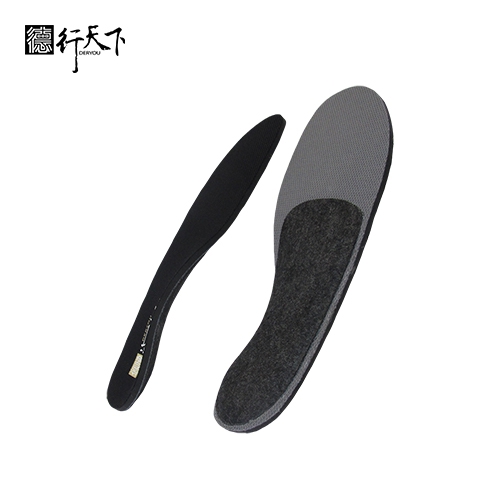
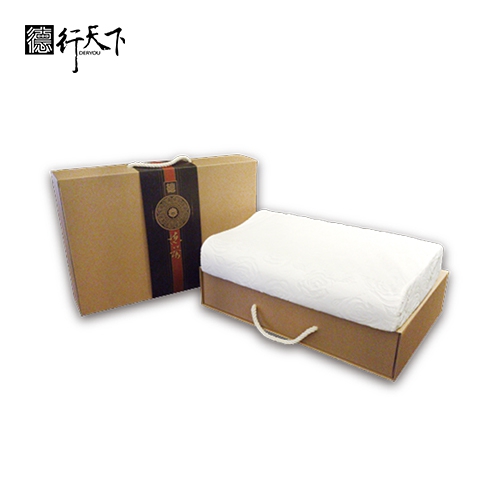
At GuangXin Industrial, our core strength lies in our deep expertise and versatility in insole and pillow manufacturing. We specialize in working with a wide range of materials, including PU (polyurethane), natural latex, and advanced graphene composites, to develop insoles and pillows that meet diverse performance, comfort, and health-support needs.
Whether it's cushioning, support, breathability, or antibacterial function, we tailor material selection to the exact requirements of each project-whether for foot wellness or ergonomic sleep products.
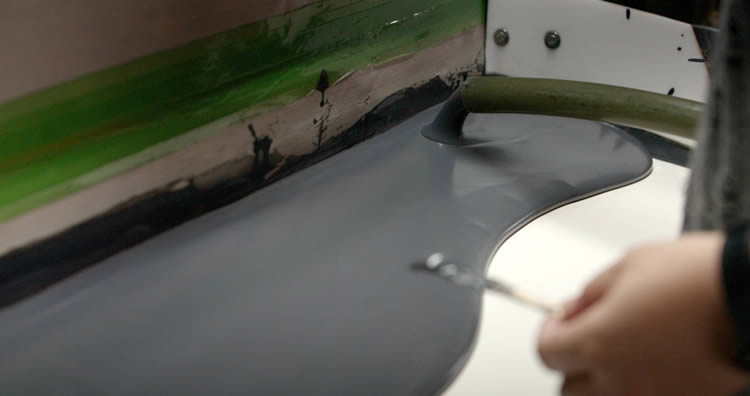
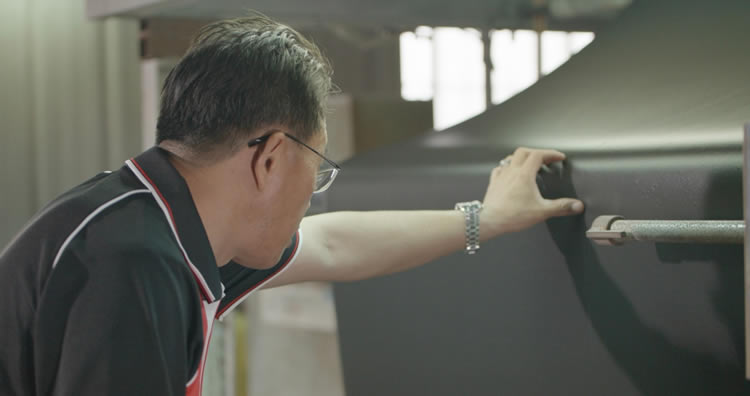
We provide end-to-end manufacturing capabilities under one roof—covering every stage from material sourcing and foaming, to precision molding, lamination, cutting, sewing, and strict quality control. This full-process control not only ensures product consistency and durability, but also allows for faster lead times and better customization flexibility.
With our flexible production capacity, we accommodate both small batch custom orders and high-volume mass production with equal efficiency. Whether you're a startup launching your first insole or pillow line, or a global brand scaling up to meet market demand, GuangXin is equipped to deliver reliable OEM/ODM solutions that grow with your business.
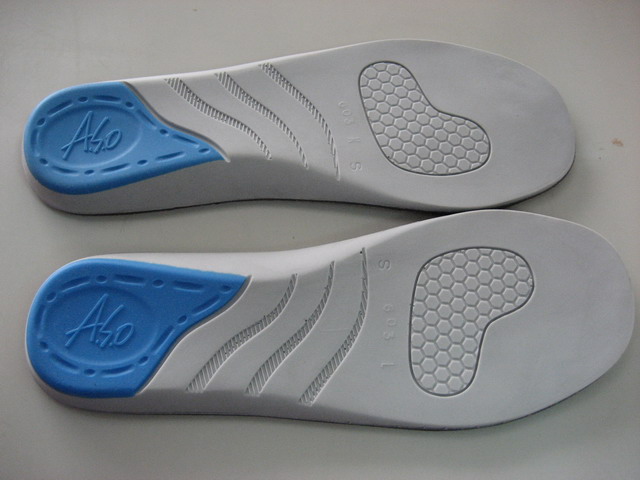
Customization & OEM/ODM Flexibility
GuangXin offers exceptional flexibility in customization and OEM/ODM services, empowering our partners to create insole products that truly align with their brand identity and target market. We develop insoles tailored to specific foot shapes, end-user needs, and regional market preferences, ensuring optimal fit and functionality.
Our team supports comprehensive branding solutions, including logo printing, custom packaging, and product integration support for marketing campaigns. Whether you're launching a new product line or upgrading an existing one, we help your vision come to life with attention to detail and consistent brand presentation.
With fast prototyping services and efficient lead times, GuangXin helps reduce your time-to-market and respond quickly to evolving trends or seasonal demands. From concept to final production, we offer agile support that keeps you ahead of the competition.
Quality Assurance & Certifications
Quality is at the heart of everything we do. GuangXin implements a rigorous quality control system at every stage of production—ensuring that each insole meets the highest standards of consistency, comfort, and durability.
We provide a variety of in-house and third-party testing options, including antibacterial performance, odor control, durability testing, and eco-safety verification, to meet the specific needs of our clients and markets.
Our products are fully compliant with international safety and environmental standards, such as REACH, RoHS, and other applicable export regulations. This ensures seamless entry into global markets while supporting your ESG and product safety commitments.
ESG-Oriented Sustainable Production
At GuangXin Industrial, we are committed to integrating ESG (Environmental, Social, and Governance) values into every step of our manufacturing process. We actively pursue eco-conscious practices by utilizing eco-friendly materials and adopting low-carbon production methods to reduce environmental impact.
To support circular economy goals, we offer recycled and upcycled material options, including innovative applications such as recycled glass and repurposed LCD panel glass. These materials are processed using advanced techniques to retain performance while reducing waste—contributing to a more sustainable supply chain.
We also work closely with our partners to support their ESG compliance and sustainability reporting needs, providing documentation, traceability, and material data upon request. Whether you're aiming to meet corporate sustainability targets or align with global green regulations, GuangXin is your trusted manufacturing ally in building a better, greener future.
Let’s Build Your Next Insole Success Together
Looking for a reliable insole manufacturing partner that understands customization, quality, and flexibility? GuangXin Industrial Co., Ltd. specializes in high-performance insole production, offering tailored solutions for brands across the globe. Whether you're launching a new insole collection or expanding your existing product line, we provide OEM/ODM services built around your unique design and performance goals.
From small-batch custom orders to full-scale mass production, our flexible insole manufacturing capabilities adapt to your business needs. With expertise in PU, latex, and graphene insole materials, we turn ideas into functional, comfortable, and market-ready insoles that deliver value.
Contact us today to discuss your next insole project. Let GuangXin help you create custom insoles that stand out, perform better, and reflect your brand’s commitment to comfort, quality, and sustainability.
🔗 Learn more or get in touch:
🌐 Website: https://www.deryou-tw.com/
📧 Email: shela.a9119@msa.hinet.net
📘 Facebook: facebook.com/deryou.tw
📷 Instagram: instagram.com/deryou.tw
China neck support pillow OEM
Are you looking for a trusted and experienced manufacturing partner that can bring your comfort-focused product ideas to life? GuangXin Industrial Co., Ltd. is your ideal OEM/ODM supplier, specializing in insole production, pillow manufacturing, and advanced graphene product design.
With decades of experience in insole OEM/ODM, we provide full-service manufacturing—from PU and latex to cutting-edge graphene-infused insoles—customized to meet your performance, support, and breathability requirements. Our production process is vertically integrated, covering everything from material sourcing and foaming to molding, cutting, and strict quality control.Insole ODM factory in Taiwan
Beyond insoles, GuangXin also offers pillow OEM/ODM services with a focus on ergonomic comfort and functional innovation. Whether you need memory foam, latex, or smart material integration for neck and sleep support, we deliver tailor-made solutions that reflect your brand’s values.
We are especially proud to lead the way in ESG-driven insole development. Through the use of recycled materials—such as repurposed LCD glass—and low-carbon production processes, we help our partners meet sustainability goals without compromising product quality. Our ESG insole solutions are designed not only for comfort but also for compliance with global environmental standards.Taiwan graphene product OEM factory
At GuangXin, we don’t just manufacture products—we create long-term value for your brand. Whether you're developing your first product line or scaling up globally, our flexible production capabilities and collaborative approach will help you go further, faster.PU insole OEM production in Thailand
📩 Contact us today to learn how our insole OEM, pillow ODM, and graphene product design services can elevate your product offering—while aligning with the sustainability expectations of modern consumers.Soft-touch pillow OEM service in Taiwan
Researchers at UC Riverside have discovered Steinernema adamsi, a new nematode species that kills insects, offering a promising biological control option for crop pests in challenging climates. This discovery adds a valuable tool to sustainable agriculture and pest management, with potential applications in understanding ecological and evolutionary dynamics. Steinernema adamsi being released from the body of a deceased host. Credit: Adler Dillman / UCR A new species of nematode has the potential to safeguard crops without the need for pesticides. Scientists at UC Riverside have identified a new species of tiny worms capable of infecting and eliminating insects. Known as nematodes, these worms offer a potential solution for managing crop pests in warm and humid regions where other beneficial nematodes struggle to survive. This new species is a member of a family of nematodes called Steinernema that have long been used in agriculture to control insect parasites without pesticides. Steinernema are not harmful to humans or other mammals and were first discovered in the 1920s. Contributions to Agricultural Pest Control “We spray trillions of them on crops every year, and they’re easy to buy,” said UCR nematology professor Adler Dillman, whose lab made the discovery. “Though there are more than 100 species of Steinernema, we’re always on the lookout for new ones because each has unique features. Some might be better in certain climates or with certain insects.” Hoping to gain a deeper understanding of a different Steinernema species, Dillman’s laboratory requested samples from colleagues in Thailand. “We did DNA analysis on the samples and realized they weren’t the ones we had requested. Genetically, they didn’t look like anything else that has ever been described,” Dillman said. Dillman and his colleagues have now described the new species in the Journal of Parasitology. They are nearly invisible to the naked eye, about half the width of a human hair and just under 1 millimeter long. “Several thousand in a flask looks like dusty water,” Dillman said. They’ve named the new species Steinernema adamsi after the American biologist Byron Adams, Biology Department chair at Brigham Young University. New nematode species Steinernema adamsi close up under a microscope. Credit: Adler Dillman / UCR “Adams has helped refine our understanding of nematode species and their important role in ecology and recycling nutrients in the soil,” Dillman said. “He was also my undergraduate advisor and the person who introduced me to nematodes. This seemed a fitting tribute to him.” Adams, who is currently doing research on nematodes in Antarctica, said he is honored to have such a “cool” species bear his name in the scientific literature. Unique Features and Future Research “The biology of this animal is absolutely fascinating,” Adams said. “Aside from its obvious applications for alleviating human suffering caused by pest insects, it also has much to teach us about the ecological and evolutionary processes involved in the complex negotiations that take place between parasites, pathogens, their hosts, and their environmental microbiomes.” Learning about these worms’ life cycles as an undergraduate is what hooked Dillman on studying them. As juveniles, nematodes live in the soil with sealed mouths, in a state of arrested development. In that stage, they wander the soil looking for insects to infect. Once they find a victim, they enter the mouth or anus and defecate highly pathogenic bacteria. “A parasite that poops out pathogenic stuff to help kill its host, that’s unusual right out of the gate,” Dillman said. “It’s like something out of a James Cameron movie.” Within 48 hours of infection, the insect dies. “It essentially liquefies the insect, then you’re left with a bag that used to be its body. You might have 10 or 15 nematodes in a host, and 10 days later you have 80,000 new individuals in the soil looking for new insects to infect,” Dillman said. The researchers are certain that S. adamsi kills insects. They confirmed this by putting some of them in containers with wax moths. “It killed the moths in two days with a very low dose of the worms,” Dillman said. Going forward, the researchers hope to discover the nematode’s unique properties. “We don’t know yet if it can resist heat, UV light, or dryness. And we don’t yet know the breadth of insects it is capable of infecting. However, S. adamsi are members of a genus that can infect hundreds of types of insects. Therefore, the researchers are confident it will be beneficial on some level whether it turns out to be a specialist or a generalist parasite of multiple types of insects. “This is exciting because the discovery adds another insect killer that could teach us new and interesting biology,” Dillman said. “Also they’re from a warm, humid climate that could make them a good parasite of insects in environments where currently, commercially available orchard nematodes have been unable to flourish.” Reference: “Steinernema adamsi n. sp. (Rhabditida: Steinernematidae), a new entomopathogenic nematode from Thailand” by Anil Baniya, Chanakan Subkrasae, Jiranun Ardpairin, Kyle Anesko, Apichat Vitta and Adler R. Dillman, 9 February 2024, Journal of Parasitology. DOI: 10.1645/23-60
Researchers have revealed the brain mechanisms in animals as they learn from subconscious visual stimuli. Dopamine enables subconscious learning—key to future treatments for Parkinson’s and brain injury recovery. Researchers uncovered for the first time what happens in animals’ brains when they learn from subconscious, visual stimuli. In time, this knowledge can lead to new treatments for a number of conditions. The study, a collaboration between KU Leuven, Massachusetts General Hospital, and Harvard was published in Neuron. An experienced birdwatcher recognizes many more details in a bird’s plumage than the ordinary person. Thanks to extensive training, he or she can identify specific features in the plumage. This learning process is not only dependent on conscious processes. Previous research has shown that when people are rewarded during the presentation of visual stimuli that are not consciously perceivable, they can still perceive these stimuli afterward. Although this is a known phenomenon, researchers were unsure as to how exactly this unconscious perceptual learning comes about. To find out, Professor Wim Vanduffel and colleagues studied the brains of two rhesus monkeys before and after they were exposed to subconscious visual stimuli. Dopamine The researchers activated part of the reward system at the base of the brain stem, the ventral tegmental area. This includes cells that produce dopamine, a molecule that is also released when you receive a reward. “Dopamine is a crucial messenger molecule of our motor and reward systems, and is extremely important for learning and enjoyment,” says Vanduffel. Activating the ventral tegmental area released dopamine, among other things. “By stimulating the brain area directly, we can causally link the activity in that area to perception or complex cognitive behavior,” explains Vanduffel. The ventral tegmental area contains, among others, cells that produce dopamine. Credit: Neuron While the brain area was activated, the monkeys were shown virtually invisible images of human faces and bodies. Because the images were very blurry and the monkeys had to perform a very different and difficult task at the same time, they could not consciously perceive these images. The same process was followed during the control tests, but the brain was not stimulated. When the monkeys received subconscious visual stimuli while the ventral tegmental area was stimulated, they knew details about those images afterward. For example, they knew whether the bodies shown were turned to the left or to the right. This was not the case when there had been no brain stimulation. “Thanks to this experiment, we can demonstrate for the first time a direct causal relationship between this brain region and, as a result, also the likely link between dopamine and the subconscious learning of complex visual stimuli.” The researchers also made a brain scan of the animals before and after the test. “We can see the blood flow in the brain, which gives an indication of which neurons are active. The more blood flow, the more activity,” explains Vanduffel. The scans showed that the task caused activity in the visual cortex of the brain and in areas important for memory. “With this data, we can zoom in to find out what is happening exactly at a neuronal level in these brain areas, in future experiments.” “Since Freud’s insights in the 20th century, the scientific community has been wondering how subconscious sensations can affect us. Thanks to the present awareness that there is a strong resemblance between humans and monkeys, and new and advanced technologies, we can finally map such processes physiologically.” Parkinson’s Disease Disturbances in the dopaminergic system can lead to numerous psychiatric and motor disorders, such as depression, addiction, and Parkinson’s disease. A better understanding of how this system works, in various forms of learning, is therefore crucial to developing targeted therapies for these conditions. “You have to know how a car’s engine works before you can fix a problem with it.” “Parkinson’s is a motor disorder and is caused by dopamine-producing neurons dying off. However, current dopamine treatments may produce side effects because they also trigger the entire reward system, which not only reduces motor symptoms but can also lead to addictive behavior.” Fundamental research into the functioning of these brain areas will eventually lead to more targeted treatments with fewer side effects. Plasticity This insight is also useful in situations such as trauma, aging, or oncological problems where an increase in brain plasticity, i.e. the ability to change, could be very useful. “By stimulating areas of the brain that produce dopamine, we could, for example, enable people to regain their speech more quickly or improve their motor skills after an accident or illness. This could even be done through medication, although we are still a long way from that,” explains Vanduffel. Insights about our brain and the conditions under which we and other primates visually shape our world are therefore crucial, because, as Vanduffel concludes: “you have to know how a car’s engine works before you can fix a problem with it.” Reference: “Electrical stimulation of the macaque ventral tegmental area drives category-selective learning without attention” by Sjoerd R. Murris, John T. Arsenault, Rajani Raman, Rufin Vogels and Wim Vanduffel, 4 March 2021, Neuron. DOI: 10.1016/j.neuron.2021.02.013
Illustration of how GBP1 proteins (blue and purple) attach to the membrane of a bacterium (yellow), zoomed in from an image taken with an electron microscope (in grayscale). Credit: TU Delft New research reveals how our immune system uses Guanylate Binding Proteins to combat bacterial infections by forming a destructive coat around bacteria, offering potential pathways for innovative treatments. The protein GBP1 is a crucial component of our body’s natural defense against pathogens. It combats bacteria and parasites by encasing them in a protein coat. Until recently, the mechanism behind this protective action remained a mystery. Researchers at Delft University of Technology have now deciphered how this protein functions. Their findings, published in Nature Structural & Molecular Biology, could pave the way for developing new medications and therapies, especially for individuals with compromised immune systems. Role of GBPs in Innate Immunity Guanylate Binding Proteins (GBPs), as biophysicist Arjen Jakobi explains, are essential to our innate immune system. “GBPs form the first line of defense against various infectious diseases caused by bacteria and parasites. Examples of such diseases include dysentery, typhoid fever caused by Salmonella bacteria, and tuberculosis. The protein also plays a significant role in the sexually transmitted infection chlamydia as well as in toxoplasmosis, which is particularly dangerous during pregnancy and for unborn children.” GBP1: The Bacterial Coat In their publication, Jakobi and his colleagues describe for the first time how the innate immune system fights against bacteria using GBP1 proteins. “The protein surrounds bacteria by forming a sort of coat around them,” explains Tanja Kuhm, PhD candidate in Jakobi’s research group and the lead author of the article. “By pulling this coat tighter, it breaks the membrane of the bacteria—the protective layer surrounding the intruder—after which immune cells can clear the infection.” Decoding GBP’s Defensive Strategy To decode the defense strategy of GBPs, the researchers examined how GBP1 proteins bind to bacterial membranes using a cryogenic electron microscope. This allowed them to see the process in great detail down to the scale of molecules. Jakobi: “We were able to obtain a detailed three-dimensional image of how the protein coat forms. Together with biophysical experiments conducted in Sander Tans’ research group at research institute AMOLF, which enabled us to manipulate the system precisely, we succeeded in deciphering the mechanism of the antibacterial function.” Potential for Medicinal Applications According to Jakobi, this research helps us understand better how our body is capable of combating bacterial infections. “If we can grasp this well, and we can specifically activate or deactivate the involved proteins through medication, it may offer opportunities to speed up getting rid of certain infections.” Reference: “Structural basis of antimicrobial membrane coat assembly by human GBP1” by Tanja Kuhm, Clémence Taisne, Cecilia de Agrela Pinto, Luca Gross, Evdokia A. Giannopoulou, Stefan T. Huber, Els Pardon, Jan Steyaert, Sander J. Tans and Arjen J. Jakobi, 11 October 2024, Nature Structural & Molecular Biology. DOI: 10.1038/s41594-024-01400-9
DVDV1551RTWW78V
Taiwan graphene material ODM solution 》tailored support for growing product linesThailand orthopedic insole OEM manufacturer 》dedicated to product consistency, material innovation, and fast lead timeODM pillow for sleep brands Vietnam 》the ideal partner for high-performance, eco-friendly product lines
下一則: Indonesia insole ODM design and production 》commit
限會員,要發表迴響,請先登入


