Introduction – Company Background
GuangXin Industrial Co., Ltd. is a specialized manufacturer dedicated to the development and production of high-quality insoles.
With a strong foundation in material science and footwear ergonomics, we serve as a trusted partner for global brands seeking reliable insole solutions that combine comfort, functionality, and design.
With years of experience in insole production and OEM/ODM services, GuangXin has successfully supported a wide range of clients across various industries—including sportswear, health & wellness, orthopedic care, and daily footwear.
From initial prototyping to mass production, we provide comprehensive support tailored to each client’s market and application needs.
At GuangXin, we are committed to quality, innovation, and sustainable development. Every insole we produce reflects our dedication to precision craftsmanship, forward-thinking design, and ESG-driven practices.
By integrating eco-friendly materials, clean production processes, and responsible sourcing, we help our partners meet both market demand and environmental goals.
Core Strengths in Insole Manufacturing
At GuangXin Industrial, our core strength lies in our deep expertise and versatility in insole and pillow manufacturing. We specialize in working with a wide range of materials, including PU (polyurethane), natural latex, and advanced graphene composites, to develop insoles and pillows that meet diverse performance, comfort, and health-support needs.
Whether it's cushioning, support, breathability, or antibacterial function, we tailor material selection to the exact requirements of each project-whether for foot wellness or ergonomic sleep products.
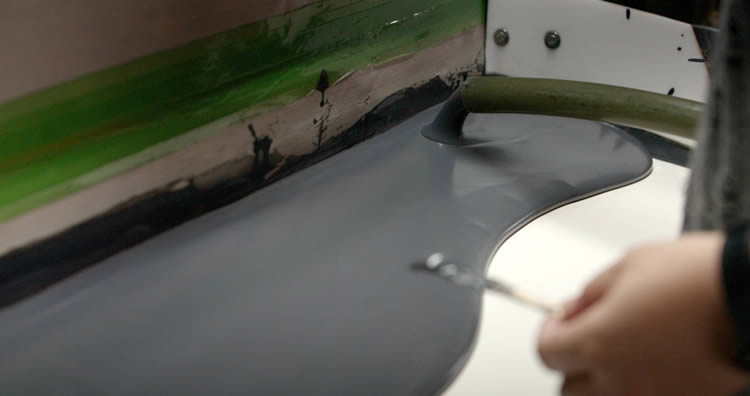
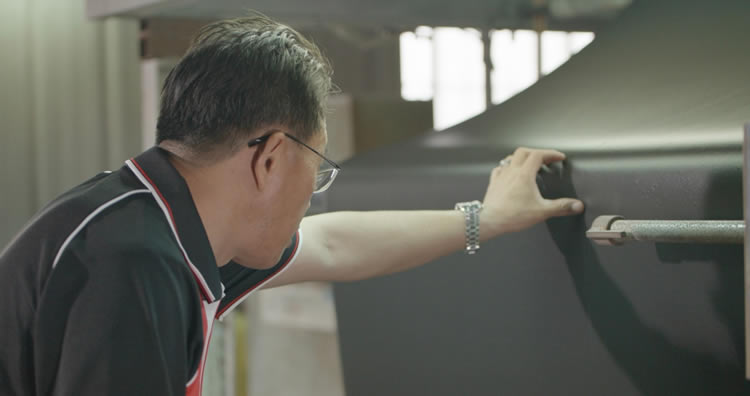
We provide end-to-end manufacturing capabilities under one roof—covering every stage from material sourcing and foaming, to precision molding, lamination, cutting, sewing, and strict quality control. This full-process control not only ensures product consistency and durability, but also allows for faster lead times and better customization flexibility.
With our flexible production capacity, we accommodate both small batch custom orders and high-volume mass production with equal efficiency. Whether you're a startup launching your first insole or pillow line, or a global brand scaling up to meet market demand, GuangXin is equipped to deliver reliable OEM/ODM solutions that grow with your business.
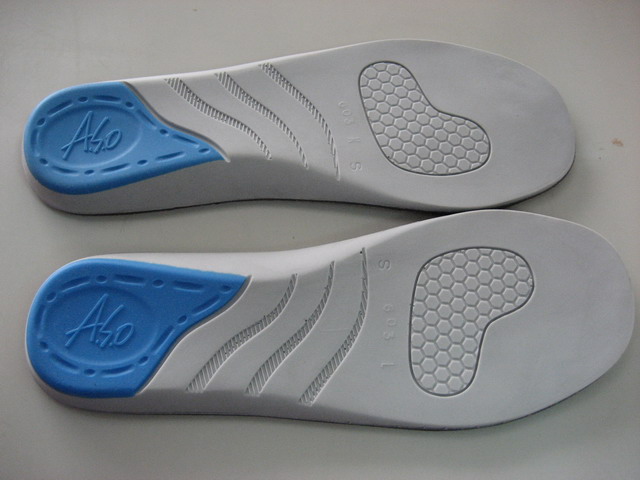
Customization & OEM/ODM Flexibility
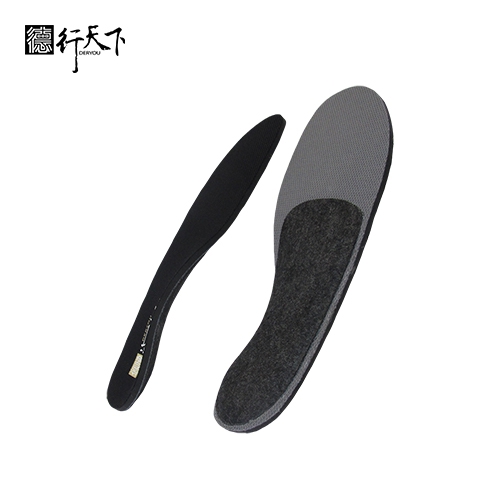
GuangXin offers exceptional flexibility in customization and OEM/ODM services, empowering our partners to create insole products that truly align with their brand identity and target market. We develop insoles tailored to specific foot shapes, end-user needs, and regional market preferences, ensuring optimal fit and functionality.
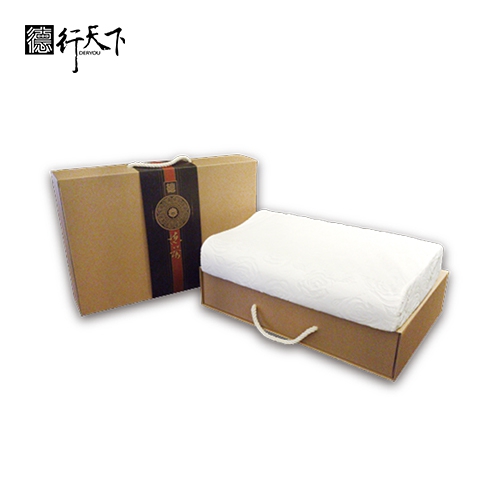
Our team supports comprehensive branding solutions, including logo printing, custom packaging, and product integration support for marketing campaigns. Whether you're launching a new product line or upgrading an existing one, we help your vision come to life with attention to detail and consistent brand presentation.
With fast prototyping services and efficient lead times, GuangXin helps reduce your time-to-market and respond quickly to evolving trends or seasonal demands. From concept to final production, we offer agile support that keeps you ahead of the competition.
Quality Assurance & Certifications
Quality is at the heart of everything we do. GuangXin implements a rigorous quality control system at every stage of production—ensuring that each insole meets the highest standards of consistency, comfort, and durability.
We provide a variety of in-house and third-party testing options, including antibacterial performance, odor control, durability testing, and eco-safety verification, to meet the specific needs of our clients and markets.
Our products are fully compliant with international safety and environmental standards, such as REACH, RoHS, and other applicable export regulations. This ensures seamless entry into global markets while supporting your ESG and product safety commitments.
ESG-Oriented Sustainable Production
At GuangXin Industrial, we are committed to integrating ESG (Environmental, Social, and Governance) values into every step of our manufacturing process. We actively pursue eco-conscious practices by utilizing eco-friendly materials and adopting low-carbon production methods to reduce environmental impact.
To support circular economy goals, we offer recycled and upcycled material options, including innovative applications such as recycled glass and repurposed LCD panel glass. These materials are processed using advanced techniques to retain performance while reducing waste—contributing to a more sustainable supply chain.
We also work closely with our partners to support their ESG compliance and sustainability reporting needs, providing documentation, traceability, and material data upon request. Whether you're aiming to meet corporate sustainability targets or align with global green regulations, GuangXin is your trusted manufacturing ally in building a better, greener future.
Let’s Build Your Next Insole Success Together
Looking for a reliable insole manufacturing partner that understands customization, quality, and flexibility? GuangXin Industrial Co., Ltd. specializes in high-performance insole production, offering tailored solutions for brands across the globe. Whether you're launching a new insole collection or expanding your existing product line, we provide OEM/ODM services built around your unique design and performance goals.
From small-batch custom orders to full-scale mass production, our flexible insole manufacturing capabilities adapt to your business needs. With expertise in PU, latex, and graphene insole materials, we turn ideas into functional, comfortable, and market-ready insoles that deliver value.
Contact us today to discuss your next insole project. Let GuangXin help you create custom insoles that stand out, perform better, and reflect your brand’s commitment to comfort, quality, and sustainability.
🔗 Learn more or get in touch:
🌐 Website: https://www.deryou-tw.com/
📧 Email: shela.a9119@msa.hinet.net
📘 Facebook: facebook.com/deryou.tw
📷 Instagram: instagram.com/deryou.tw
One-stop OEM/ODM solution provider China
Are you looking for a trusted and experienced manufacturing partner that can bring your comfort-focused product ideas to life? GuangXin Industrial Co., Ltd. is your ideal OEM/ODM supplier, specializing in insole production, pillow manufacturing, and advanced graphene product design.
With decades of experience in insole OEM/ODM, we provide full-service manufacturing—from PU and latex to cutting-edge graphene-infused insoles—customized to meet your performance, support, and breathability requirements. Our production process is vertically integrated, covering everything from material sourcing and foaming to molding, cutting, and strict quality control.One-stop OEM/ODM solution provider Vietnam
Beyond insoles, GuangXin also offers pillow OEM/ODM services with a focus on ergonomic comfort and functional innovation. Whether you need memory foam, latex, or smart material integration for neck and sleep support, we deliver tailor-made solutions that reflect your brand’s values.
We are especially proud to lead the way in ESG-driven insole development. Through the use of recycled materials—such as repurposed LCD glass—and low-carbon production processes, we help our partners meet sustainability goals without compromising product quality. Our ESG insole solutions are designed not only for comfort but also for compliance with global environmental standards.Taiwan sustainable material ODM production base
At GuangXin, we don’t just manufacture products—we create long-term value for your brand. Whether you're developing your first product line or scaling up globally, our flexible production capabilities and collaborative approach will help you go further, faster.Taiwan insole ODM full-service provider factory
📩 Contact us today to learn how our insole OEM, pillow ODM, and graphene product design services can elevate your product offering—while aligning with the sustainability expectations of modern consumers.Pillow OEM for wellness brands Vietnam
Human liver is composed of cells with different amounts of DNA. Most of the cells have just two copies of DNA, as the cell indicated with a white arrow. Some cells accumulate more sets of DNA, like the ones indicated with yellow arrows. Those various types of cells renew differently. Credit: Paula Heinke Using retrospective radiocarbon birth dating, an international team of scientists shows that the human liver stays young throughout life and is on average less than three years old. As one of the major organs of the body, the liver performs many essential biological functions. Almost all the blood in a person’s body passes through the liver, where waste products, worn-out cells, and toxins are filtered. It also produces bile, a solution that helps digest fats and eliminate waste products. Those are just a couple of the major duties it performs — more ore than 500 vital functions have been identified with the liver. The liver is an essential organ that takes care of detoxifying our bodies. It is prone to injury because it is constantly exposed to toxic substances. To overcome this, the liver has a unique capacity among organs to regenerate itself after damage. Because a lot of the body’s ability to heal and regenerate itself decreases as we age, scientists were wondering if the liver’s capacity to renew also diminishes with age. The nature of liver renewal in humans also remained a mystery. The animal models provided contradictory answers. “Some studies pointed to the possibility that liver cells are long-lived while others showed a constant turnover. It was clear to us that if we want to know what happens in humans, we need to find a way to directly assess the age of human liver cells,” says Dr. Olaf Bergmann, research group leader at the Center for Regenerative Therapies Dresden (CRTD) at TU Dresden. The Human Liver Remains a Young Organ The interdisciplinary team of biologists, physicists, mathematicians, and clinicians led by Dr. Bergmann analyzed the livers of multiple individuals who died at ages between 20 and 84 years old. Surprisingly, the team showed that the liver cells of all subjects were more or less the same age. Location of the liver in the human body. “No matter if you are 20 or 84, your liver stays on average just under three years old,” explains Dr. Bergmann. The results show that the adjustment of liver mass to the needs of the body is tightly regulated through the constant replacement of liver cells and that this process is maintained even in older people. This ongoing liver cell replacement is important for various aspects of liver regeneration and cancer formation. Liver Cells with More DNA Renew Less However, not all the cells in our liver are that young. A fraction of cells can live up to 10 years before renewing itself. This subpopulation of liver cells carries more DNA than the typical cells. “Most of our cells have two sets of chromosomes, but some cells accumulate more DNA as they age. In the end, such cells can carry four, eight, or even more sets of chromosomes,” explains Dr. Bergmann. “When we compared typical liver cells with the cells richer in DNA, we found fundamental differences in their renewal. Typical cells renew approximately once a year, while the cells richer in DNA can reside in the liver for up to a decade,” says Dr. Bergmann. “As this fraction gradually increases with age, this could be a protective mechanism that safeguards us from accumulating harmful mutations. We need to find out if there are similar mechanisms in chronic liver disease, which in some cases can turn into cancer.“ Lessons from the Nuclear Fallout Determining the biological age of human cells is a massive technical challenge, as methods commonly used in animal models cannot be applied to humans. Dr. Bergmann’s group specializes in retrospective radiocarbon birth dating and uses the technique to assess the biological age of human tissues. Carbon is a chemical element that is ubiquitous and forms the backbone of life on Earth. Radiocarbon is one of a variety of types of carbon. It appears naturally in the atmosphere. Plants incorporate it through photosynthesis, in the same way as typical carbon, and pass it on to animals and humans. Radiocarbon is weakly radioactive and unstable. These characteristics are taken advantage of in archeology to determine the age of ancient samples. Human liver model. “Archeologists have used the decay of radiocarbon successfully for many years to assess the age of specimens, one example being dating of the shroud of Turin,” says Dr. Bergmann. “The radioactive decay of radiocarbon is very slow. It provides enough resolution for archeologists but it is not useful for determining the age of human cells. Nevertheless, we can still take advantage of the radiocarbon in our research.” The aboveground nuclear tests carried out in the 1950s introduced massive amounts of radiocarbon into the atmosphere, into the plants, and into the animals. As a result, cells formed in this period have higher amounts of radiocarbon in their DNA. Following the official ban of aboveground nuclear testing in 1963, the amounts of atmospheric radiocarbon started to drop and so did the amounts of radiocarbon incorporated into the animal DNA. The values of atmospheric and cellular radiocarbon correspond to each other very well. “Even though these are negligible amounts that are not harmful, we can detect and measure them in tissue samples. By comparing the values to the levels of atmospheric radiocarbon, we can retrospectively establish the age of the cells,” explains Dr. Bergmann. Unparalleled Insights Directly From the Source The Bergmann group also explores the mechanisms that drive the regeneration of other tissues considered as static, such as the brain or the heart. The team has previously used their expertise in retrospective radiocarbon birth dating to show that the formation of new brain and heart cells is not limited to prenatal time but continues throughout life. Currently, the group is investigating whether new human heart muscle cells can still be generated in people with chronic heart disease. “Our research shows that studying cell renewal directly in humans is technically very challenging but it can provide unparalleled insights into the underlying cellular and molecular mechanisms of human organ regeneration,” concludes Dr. Bergmann. Reference: “Diploid hepatocytes drive physiological liver renewal in adult humans” by Paula Heinke, Fabian Rost, Julian Rode, Palina Trus, Irina Simonova, Enikő Lázár, Joshua Feddema, Thilo Welsch, Kanar Alkass, Mehran Salehpour, Andrea Zimmermann, Daniel Seehofer, Göran Possnert, Georg Damm, Henrik Druid, Lutz Brusch and Olaf Bergmann, 31 May 2022, Cell Systems. DOI: 10.1016/j.cels.2022.05.001
Researchers found that a unique human variant of the NOVA1 gene, which is absent in Neanderthals and Denisovans, alters vocalization patterns in mice. This suggests that the mutation may have played a key role in the evolution of human speech and could be linked to language-related developmental disorders. Credit: SciTechDaily.com A human-specific NOVA1 gene variant may have influenced the emergence of spoken language. When introduced into mice, it altered their vocal patterns, hinting at its role in speech development. The origins of human language remain mysterious. Are we the only animals truly capable of complex speech? Were Homo sapiens the only hominids who could give detailed directions to a distant freshwater source or describe the nuanced purples and reds of a dramatic sunset? Close relatives such as the Neanderthals likely possessed anatomical features in the throat and ears that could have enabled them to speak and hear spoken language. They also share with us a variant of a gene linked to speech ability. Yet, only in modern humans do we find expanded brain regions critical for language production and comprehension. Now researchers from The Rockefeller University have unearthed intriguing genetic evidence: a protein variant found only in humans that may have helped shape the emergence of spoken language. In a study published in Nature Communications, researchers in the lab of Rockefeller researcher Robert B. Darnell discovered that when they put this exclusively human variant of NOVA1—an RNA-binding protein in the brain known to be crucial to neural development—into mice, it altered their vocalizations as they called to each other. The study also confirmed that the variant is not found in either Neanderthals or Denisovans, archaic humans that our ancestors interbred with, as is evidenced by their genetic traces that remain in many human genomes today. “This gene is part of a sweeping evolutionary change in early modern humans and hints at potential ancient origins of spoken language,” says Darnell, head of the Laboratory of Molecular Neuro-Oncology. “NOVA1 may be a bona fide human ‘language gene,’ though certainly it’s only one of many human-specific genetic changes.” Three decades in the making Anatomical adaptations of the vocal tract and intricate neural networks enable our language capabilities. But the genetics behind them isn’t well understood. One theorized genetic language driver is FOXP2, which codes for a transcription factor involved in early brain development. People with mutations in this gene exhibit severe speech defects, including the inability to coordinate lip and mouth movements with sound. Humans have two amino acid substitutions in FOXP2 that aren’t found in other primates or mammals—but Neanderthals had them too, suggesting that the variant arose in an ancestor of both human lineages. But some findings on FOXP2 have been disputed, and its role in human language development remains unclear. Now NOVA1 has arisen as a candidate. The gene produces a neuron-specific RNA binding protein key to brain development and neuromuscular control that was first cloned and characterized by Darnell in 1993. It’s found in virtually identical form across a wide swath of the biosphere, from mammals to birds—but not in humans. Instead, we have our own unique form characterized by a single change of an amino acid, from isoleucine to valine, at position 197 (I197V) in the protein chain. Expression pattern of NOVA1 in the brain of amouse. NOVA1 in green, nuclei (DAPI) in blue. Credit: Laboratory of Molecular Neuro-oncology at The Rockefeller University I197V isn’t the only amino acid substitution that distinguishes modern humans from other organisms, points out first author Yoko Tajima, a postdoctoral associate in Darnell’s lab. Several of them may be integral to brain development. “Such changes may have played important roles in the acquisition of characteristics that have contributed to the emergence, expansion, and survival of Homo sapiens,” she says. A specialist in how RNA binding proteins modulate gene expression, Darnell has been researching NOVA1 since the early 1990s, when he and his colleagues first identified it as the trigger of a neurologic autoimmune disorder called POMA that can cause extreme motor dysfunction. Recently they have begun to identify cases in which NOVA1 genetic variants are associated with developmental language and motor difficulties. “Understanding NOVA1 has been a career-long effort for me,” he says. The current study, led by Tajima, used CRISPR gene editing to replace the common NOVA1 protein found in mice with the human variant I197V. They then used advanced techniques such as cross-linking immunoprecipitation (CLIP) analysis, a method developed by Darnell, to identify the RNA binding sites of NOVA1 in the mouse midbrain. The big reveal The first notable discovery was that the human variant had no impact on RNA binding related to neural development or motor control. It operated exactly as the one it had replaced. So what was it doing? The second significant finding gave them a hint: binding sites that were substantially affected by the human variant were located at genes that coded for RNAs related to vocalization. “Moreover, many of these vocalization-related genes were also found to be binding targets of NOVA1, further suggesting the involvement of NOVA1 in vocalization,” says Tajima. “We thought, wow. We did not expect that,” Darnell says. “It was one of those really surprising moments in science.” Darnell’s lab then joined forces with Rockefeller’s Laboratory of Neurogenetics of Language, headed by Erich D. Jarvis, who studies the molecular and genetic mechanisms underlying vocal learning. Altered communications Over the next few years, the collaborators investigated the impact on vocalizations among mice of various ages in different contexts. They found altered vocal patterns among both pups of both sexes and adult males. “All baby mice make ultrasonic squeaks to their moms, and language researchers categorize the varying squeaks as four ‘letters’—S, D, U, and M,” Darnell notes. “We found that when we ‘transliterated’ the squeaks made by mice with the human-specific I197V variant, they were different from those of the wild-type mice. Some of the ‘letters’ had changed.” They found similar patterns when they studied the hopeful mating calls of male adult mice exposed to female adult mice in estrus. “They ‘talked’ differently to the female mice,” he says. “One can imagine how such changes in vocalization could have a profound impact on evolution.” The human element The potential influence of I197V on human evolution became their next focus. To confirm that it wasn’t found in our nearest human relatives—the Neanderthals, who largely lived in Europe, and the Denisovans, named after the central Asian cave where they were discovered—the researchers compared eight human genomes with three high-coverage Neanderthal genomes and one high-coverage Denisovan genome. As expected, our archaic relatives—from whom we are thought to have split about 250,000-300,000 years ago—had the same NOVA1 protein as all non-human animals. They then combed through 650,058 modern human genomes in the dbSNP database, a catalog of short sequence variations drawn from people around the world. If an alternative to I197V existed, it would be found here. Of those 650,058 people, all but six had the human variant. Those six had the archaic variant; because the samples are de-identified, details about them are unknown. “Our data show that an ancestral population of modern humans in Africa evolved the human variant I197V, which then became dominant, perhaps because it conferred advantages related to vocal communication,” he suggests. “This population then left Africa and spread across the world.” Disease and disorders In the future, Darnell’s lab will investigate how NOVA1 regulates language function with an eye on language or developmental disorders. “We believe that understanding these issues will provide important insights into how the brain operates during vocal communications—and how its misregulation leads to certain disorders,” says Tajima. Its neural pathways may come into play, for example, when various disorders renders someone unable to speak. Perhaps it influences the development of nonverbal autism; NOVA1 is one of the many genes linked to autism spectrum disorder. And in 2023, the lab reported on a patient with a NOVA1 haploinsufficiency whose neurological symptoms included a speech delay. Adds Darnell: “Our discovery could have clinical relevance in many ways, ranging from developmental disorders to neurodegenerative disease.” Reference: “A humanized NOVA1 splicing factor alters mouse vocal communications” by Yoko Tajima, César D. M. Vargas, Keiichi Ito, Wei Wang, Ji-Dung Luo, Jiawei Xing, Nurdan Kuru, Luiz Carlos Machado, Adam Siepel, Thomas S. Carroll, Erich D. Jarvis and Robert B. Darnell, 18 February 2025, Nature Communications. DOI: 10.1038/s41467-025-56579-2
Paroedura manongavato, a newly described gecko species native to Madagascar, is distinguished by its rock-climbing abilities and critical endangerment due to habitat confinement. Its identification enhances understanding of the P. bastardi group’s taxonomy and emphasizes the necessity of biodiversity preservation. Credit: Javier Lobón-Rovira Researchers have identified Paroedura manongavato, a rock-climbing gecko endemic to Madagascar, now classified as Critically Endangered due to its limited habitat. Named after its habitat preference, Paroedura manongavato, from the Malagasy words “manonga” (to climb) and “vato” (rock), is a bouldering expert. Part of its “home range” is also very well-known to rock climbers for its massive granitic domes. “Its description represents another step into the crux (in climbing jargon, the most difficult section of a bouldering problem) of resolving the taxonomy of the recently revised P. bastardi group, where the new species belongs, and reaching a total of 25 described species in this genus, all exclusively living in Madagascar and Comoros,” says C. Piccoli from CIBIO – Research Center in Biodiversity and Genetic Resources, Portugal. She and her team just published a paper describing the new gecko. Gecko’s Habitat and Conservation Status Thus far, this species has only been found in Anja Reserve and Tsaranoro, both of which are isolated forest patches in the arid south-central plateau of Madagascar. These sites, at a distance of ca. 25 km (16 mi), have a peculiar conformation, with huge granitic boulders close to rocky cliffs and surrounded by vegetation. The survival of P. manongavato, defined as microendemic for being restricted to a very narrow distributional range, thus depends on the preservation of these small forest patches. Habitat of Paroedura manongavato at Anja Reserve. Credit: Javier Lobón-Rovira Subsequently, the authors proposed an evaluation of its conservation status as Critically Endangered, a category designated for species threatened with extinction by the International Union for Conservation of Nature. Discovery Journey Its discovery history is long, starting during the Malagasy summer of 2010, when the first evidence of another Paroedura species was found in Anja, together with the recently described P. rennerae in 2021. Distinguishing these two species on the field is a difficult task. Both species have prominent dorsal-enlarged keeled scales and a similar dorsal pattern, although adults of P. manongavato have an overall less spiky appearance, less contrasted dorsal markings, and a smaller body size compared to P. rennerae. The newly described Paroedura manongavato. Credit: Javier Lobón-Rovira The need to collect more samples brought researchers A. Crottini, F. Andreone, and G. M. Rosa to return to Anja in 2014, and collect the future holotype (i.e. the name-bearing and description reference individual) of this new species. Later in 2018, F. Belluardo, J. Lobón-Rovira, and M. Rasoazanany, visited Anja and Tsaranoro again and were able to collect several tissue samples and high-resolution photos of the reptiles living in the area, including the new gecko species. This cumulative data collection was fundamental to advancing its description. Study Publication and Importance Published in the open-access journal ZooKeys, this study highlights the importance of conducting herpetological inventories in Madagascar to improve our understanding of species diversity and progress with species conservation assessments. “The description of this species shows the importance of collaborative efforts when documenting biodiversity, especially for those range-restricted and isolated species at greatest risk of disappearing,” points out the leading author of this study C. Piccoli. Reference: “Another step through the crux: a new microendemic rock-dwelling Paroedura (Squamata, Gekkonidae) from south-central Madagascar” by Costanza Piccoli, Francesco Belluardo, Javier Lobón-Rovira, Ivo Oliveira Alves, Malalatiana Rasoazanany, Franco Andreone, Gonçalo M. Rosa and Angelica Crottini, 4 October 2023, ZooKeys. DOI: 10.3897/zookeys.1181.108134
DVDV1551RTWW78V
Soft-touch pillow OEM manufacturing factory in Taiwan 》offering full-service support from design to deliveryVietnam pillow OEM manufacturer 》your go-to partner for comfort-focused OEM/ODM solutionsTaiwan high-end foam product OEM/ODM factory 》customized solutions that grow with your business
下一則: China high-end foam product OEM/ODM 》driving your
限會員,要發表迴響,請先登入


