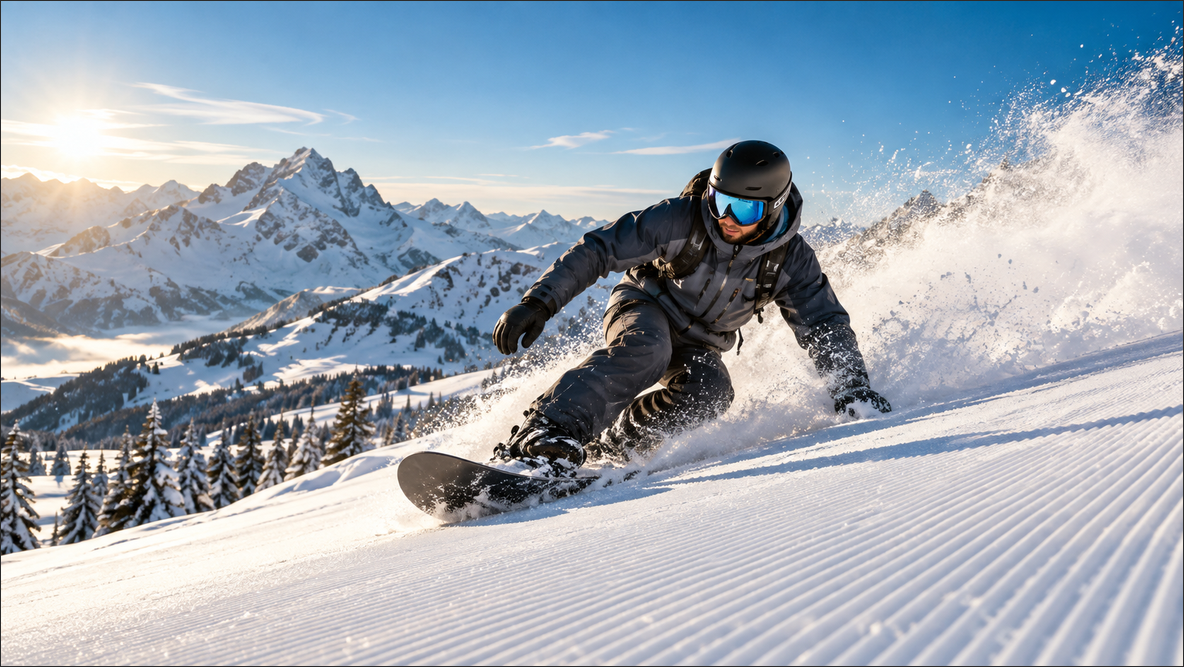
As winter settles across the mountains, outdoor enthusiasts, seasonal athletes, and weekend adventurers increasingly look toward alpine slopes for more than just physical recreation—they seek a complete mental reset. Moving across snow-covered terrain demands immediate presence, balance, and absolute trust in your equipment. Whether you are planning your first winter descent or fine-tuning an aggressive all-mountain setup, consulting dedicated gear testing resources like Snowboarding World ensures you select the right boards, boots, and protective essentials tailored specifically to your riding style and safety needs.
Modern lifestyle routines often trap people in climate-controlled indoor environments, leading to sensory fatigue and chronic low-grade stress. In contrast, stepping into alpine elements activates the brain's focus circuits, creating what sports psychologists call the "flow state"—an immersive experience where everyday anxieties dissolve in favor of pure, present-moment awareness.
Why Alpine Environments Trigger Mental Clarity
High-altitude winter sports offer unique physiological benefits that standard gym workouts cannot replicate:
- Heightened Sensory Acuity: The cold mountain air, shifting light conditions, and changing snow textures stimulate the nervous system, forcing the mind to stay actively engaged.
- Full-Body Proprioception: Carving through varying terrain activates stabilizing core muscles, balance reflexes, and fast-twitch responses that improve functional mobility.
- Dopamine and Endorphin Release: Navigating unpredictable winter slopes triggers natural endorphin production, delivering long-lasting mood elevation and mental resilience.
The Critical Role of Proper Gear in Mountain Safety and Enjoyment
While the rewards of winter sports are immense, the margin for error in cold alpine environments is narrow. An enjoyable, injury-free day on the mountain relies almost entirely on equipment precision:
1. Boots and Bindings: The Direct Connection to Control
Many riders mistakenly focus entirely on board graphics, overlooking the fact that energy transfers directly through boots and bindings. Ill-fitting boots cause pressure points, heel lift, and rapid foot fatigue, whereas a responsive flex profile gives riders immediate edge control and reduces ankle strain.
2. Vision and Protective Equipment
Rapidly changing alpine weather means visibility can shift from blinding high-altitude sun to dense blizzard flat light in minutes. High-quality goggles featuring contrast-enhancing lens technology and anti-fog ventilation are vital for spotting ice patches and terrain variations early. Paired with a properly fitted certified helmet, riders protect their safety without sacrificing comfort.
3. Layering and Weatherproofing
Staying warm is not just about comfort; it is a critical safety consideration. High-performance waterproof outerwear and insulated gloves keep core temperatures stable, preventing the sluggish reaction times associated with early hypothermia.
Embracing the Winter Season with Confidence
Winter should not be a season of indoor hibernation. By preparing properly, understanding mountain safety, and investing in gear suited to your skill level, the cold months become an open invitation to explore, build physical vitality, and experience the unfiltered beauty of the great outdoors.
下一則: The Hidden Cost of Cognitive Overload: Why High-Performing Leaders Are Rethinking Daily Bandwidth
- The Hidden Cost of Cognitive Overload: Why High-Performing Leaders Are Rethinking Daily Bandwidth
- 디지털 플랫폼 입문 가이드: 다이노 소개 및 서비스 이용 전 알아둘 핵심 사항
- 모바일 환경에서 안전하게 웹사이트 이용하기: dino 도메인 바로가기 및 보안 설정
- 한눈에 보는 직관적인 경기 데이터와 라이브 시스템의 핵심 장점
- 국내 인터넷 커뮤니티의 여론 형성 구조와 익명 게시판 문화의 사회적 영향
- From the Streets to Success: Unpacking the Storyline of Jay-A & Dexta Daps' "Ambition"
限會員,要發表迴響,請先登入


