The physical environment of a commercial space communicates something about the organization before a single conversation takes place. Spatial design elements account for approximately 25 percent of overall job satisfaction metrics, and the furniture that defines a space shapes how clients calibrate trust and how employees perform every day. Colorado mountain modern furniture occupies a distinctive position in the commercial design landscape, balancing natural warmth and rustic authenticity with the clean lines and contemporary sophistication that modern businesses require. Heres why it has become a serious strategic investment rather than just an aesthetic preference.
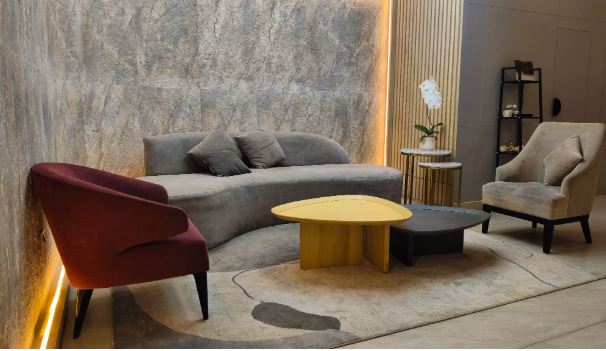
What the Mountain Modern Aesthetics Actually Communicates
Mountain Modern design is not a log cabin update. It deliberately moves past that reference to achieve something more refined and commercially viable, a hybrid that holds regional character and contemporary clarity in balance.
The material vocabulary is central to this. Natural stone, including marble, travertine, and granite, appears frequently, valued for inherent durability and the visual richness that develops as a natural patina forms over time. Wood species popular in commercial applications include reclaimed and distressed options such as Circular Sawn Pine and Old Growth Distressed Pine, materials that communicate historical depth and resilience while delivering warmth that softens the atmosphere of a professional space.
The color palette draws from the Colorado landscape itself: off-whites, soft greens, mineral grays, and deep blues that create calming atmospheric effects without sacrificing visual lightness. Contemporary applications of this style also incorporate color drenching, applying deep, moody tones to walls and millwork to create dramatic contrast while maintaining a timeless overall character. Handcrafted pieces and mixed-material elements such as textured grasscloth wallcoverings or hair-on-hide rugs signal quality and attention to detail in a way that mass-produced furnishings simply cannot replicate.
Together, these elements function as a brand communication tool. A client who walks into a space furnished with evident intentionality develops immediate psychological associations between the physical environment and the organizations professional standards, before any formal discussion begins.
The Business Case: Biophilic Design and Employee Performance
The productivity and wellness argument for Mountain Modern design is grounded in a growing body of research on biophilic design, the practice of deliberately bringing natural elements into indoor spaces.
Workplaces incorporating strong biophilic features report creativity improvements of 15 percent compared to conventional office environments. Employees with good access to natural light report 18 percent fewer sick days. Approximately 86 percent of workers report discomfort from their current office furniture setup, a figure that underscores how much headroom exists for improvement in most commercial spaces. Ergonomically optimized, high-quality furniture can increase baseline performance by up to 15 percent, with some studies documenting productivity gains of up to 40 percent following comprehensive ergonomic and environmental improvements.
Mountain Modern design addresses the biophilic dimension directly. Organic wood textures and soft layered lighting counteract the coldness of traditional corporate metal and glass interiors. Expansive windows and open spatial configurations maximize natural light, supplemented by artificial lighting designed to provide both functional illumination and atmospheric warmth. These are not incidental aesthetic choices but measurable contributors to how people feel and perform in a space over time.
According to the UK Green Building Council, the connection between workplace design, access to natural light, and employee health outcomes is well-documented, with natural environments in the workplace consistently associated with reduced stress and improved cognitive function. For organizations where talent retention and daily output directly affect business outcomes, these numbers translate into a concrete return on design investment.
Quality as a Financial Decision
The initial capital outlay for premium Mountain Modern furniture typically exceeds mass-market alternatives by 30 to 50 percent. That gap looks different when measured across the full lifecycle of the investment.
Inexpensive, mass-produced furniture constructed from low-durability materials frequently requires complete replacement within three to five years. Premium furniture built from solid wood, quality stone, and durable metal fixtures maintains its functional integrity and aesthetic appeal for 15 to 25 years. Over a typical commercial occupancy period, the total cost of ownership for high-quality furniture is substantially lower than the cumulative cost of repeated replacement cycles with budget alternatives.
Sustainable sourcing adds another financial dimension. Colorado-based manufacturers eliminate dependence on volatile global shipping networks, reduce transportation-related costs and carbon footprint, and generate a multiplier effect within the regional economy. High-quality Mountain Modern pieces also retain meaningful material resale value, partially transforming a capital expenditure into a recoverable asset rather than a pure depreciation line.
For organizations with active sustainability commitments, locally sourced and reclaimed-material furniture supports those commitments in a visible, client-facing way. Contemporary consumer and business decision-making shows a measurable preference for organizations exhibiting genuine environmental responsibility, and the materials inherent to Mountain Modern design make that commitment legible in the physical space.
Where Mountain Modern Works Across Industries
The versatility of Mountain Modern design is one of its underappreciated commercial advantages. It performs well across a wider range of business contexts than its regional associations might suggest.
In professional services and technology environments, where sustained concentration and creative problem-solving are core operational requirements, the organic elements of Mountain Modern design soften high-tech spaces and support cognitive performance in documented ways. In competitive labor markets where skilled worker recruitment and retention are material cost drivers, a thoughtfully designed workspace is a tangible differentiator.
In hospitality and retail settings, Mountain Modern creates a distinctive, comfortable environment that appeals to consumers seeking experiences rather than transactions. Colorado-based boutique environments frequently use locally made products and eclectic design curation to foster dwell time and customer loyalty in ways that standard retail interiors cannot achieve.
For executive suites and high-visibility client areas, Mountain Modern commands authority without coldness. It signals professional seriousness while remaining genuinely welcoming, a balance that standard corporate design often fails to strike. Contemporary commercial trends also reflect demand for functional diversity within a single floor plan, incorporating quiet retreats and intimate lounge spaces alongside larger collaborative zones. Mountain Moderns natural material palette and layered spatial approach support this kind of variety without losing visual cohesion.
Implementing Mountain Modern in a Commercial Space
The most successful commercial implementations of this aesthetic are those where the design choices are intentional and consistent rather than assembled piecemeal. A few practical considerations are worth keeping in mind.
Partnering with an interior design professional who has demonstrated Mountain Modern experience makes the process significantly more efficient. These professionals translate organizational values into spatial environments while managing procurement logistics, trade coordination, and spatial planning in ways that reduce the burden on internal stakeholders.
Sourcing from Colorado-based manufacturers and artisans brings material authenticity that imports and mass-market alternatives lack. The story of where a piece was made and by whom is part of what the space communicates to the people who use it. That story is only credible when the materials and craftsmanship actually support it.
Building in elements of functional diversity, quiet zones alongside collaborative spaces, natural light maximization alongside intimate artificial lighting, ensures the environment serves the full range of activities and moods that characterize a working day. Mountain Moderns design vocabulary is flexible enough to accommodate that range without requiring a complete departure from a unified aesthetic.
An Investment With Multiple Returns
Quality Colorado mountain modern furniture delivers returns across several dimensions simultaneously: brand perception, employee performance, client confidence, and long-term financial efficiency. For businesses operating in Colorado or seeking to establish a genuine regional identity, it is also an expression of connection to place that mass-market design cannot replicate. The initial investment is higher than budget alternatives, but the case for it holds up across every category that matters to a well-run enterprise.
下一則: Top 10 Reasons You Need Fire Watch Guards on Your Construction or Industrial Site
- Summer Plans with Fencing Upgrades
- How to Modernize an Older Hotel Property
- How to Choose a Denver SEO Company in 2026: A Practical Guide
- Mesureur de Rapport de Transformation : Contrôler les Performances des Transformateurs
- Comprobación de Aislamiento 10 kV y Prueba de Capacidad de Baterías en Sistemas Eléctricos
- Stylish Garden Tables for Outdoor Dining and Entertaining
限會員,要發表迴響,請先登入


