Word Information
♦ pri- ; prim- : main
a. prim : very careful about your behaviour and appearance, and easily shocked by what other people do or say
b. prime : most important e.g. prime time(黃金八點檔)
c. primal : relating to something very basic, especially very basic needs or emotions
d. primary : most important
e. primacy : the fact of being more powerful or important than anything else
♦ character :
l the qualities that make up someone’s personality
l the qualities that make something clearly different from anything else
l someone’s reputation, especially when this shows how honest or reliable they are
e.g. My client is a man of good character.
l a person in a book, play, film etc
l a person of a particular type
e.g. Jake used to be pretty wild, but he’s a reformed character now.
l a letter, number, or symbol that is written, printed, or used in computer programs
e.g. The password may be up to 12 characters long.
l a part of a play, book, film etc. in which events happen in the same place or period of time
e.g. film /shoot /rehearse a scene
l a view that you can see in a picture or from the place where you are
e.g. She stood in the doorway surveying the scene.
l a place where something happens, usually something bad
e.g. The paramedics will be at the scene within a few minutes.
( paramedic: a person who is trained to do medical work, especially in an emergency, but who is not a doctor or nurse )
l a noisy argument or a strong show of feelings in a public place
e.g. Stop making such a scene!
♦ obs- : negative (歐巴桑)
a. obscure :
l not known about, or not well known
l not clearly expressed, or not easy to understand
b.obscurity :
l a state in which a person or thing is not well known or not remembered
in obscurity: He was a famous poet, but he died in obscurity.
l something that it is difficult to understand
c.obsequies : a funeral ceremony
d. obstacle : a difficulty or problem that prevents you from achieving something
e.obstinate : not willing to be reasonable and change your plans, ideas, or behavior
Jude the Obscure
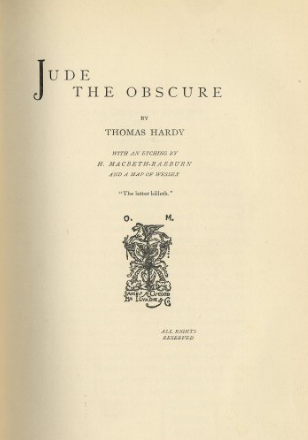
Jude the Obscure, the last completed of Thomas Hardy's novels, began as a magazine serial in December 1894 and was first published in book form in 1895. Its protagonist, Jude Fawley, is a working-class young man, a stonemason, who dreams of becoming a scholar. The other main character is his cousin, Sue Bridehead, who is also his central love interest. The novel is concerned in particular with issues of class, education, religion and marriage.
Tess of the d'Urbervilles
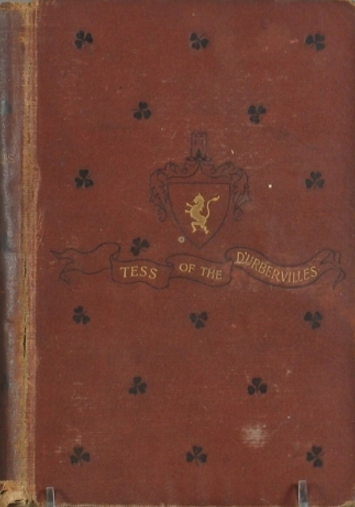
Tess of the d'Urbervilles: A Pure Woman Faithfully Presented is a novel by Thomas Hardy. It initially appeared in a censored and serialised version, published by the British illustrated newspaper The Graphic in 1891 and in book form in 1892. Though now considered a major nineteenth-century English novel and possibly Hardy's fictional masterpiece, Tess of the d'Urbervilles received mixed reviews when it first appeared, in part because it challenged the sexual morals of late Victorian England.
An important theme of the novel is the sexual double standard to which Tess falls victim; despite being, in Hardy's view, a truly good woman, she is despised by society after losing her virginity before marriage. Hardy plays the role of Tess's only true friend and advocate, pointedly subtitling the book "a pure woman faithfully presented" and prefacing it with Shakespeare's words from The Two Gentlemen of Verona: "Poor wounded name! My bosom as a bed/ Shall lodge thee." However, although Hardy clearly means to criticize Victorian notions of female purity, the double standard also makes the heroine's tragedy possible, and thus serves as a mechanism of Tess's broader fate.
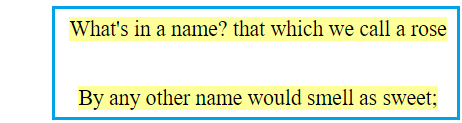
This quote suggests Shakespeare's belief that a name means little - it is the worth of the individual that counts.
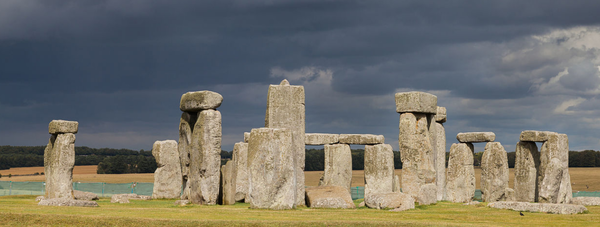
Because of the numerous pagan and neo-Biblical references made about her, Tess has been viewed variously as an Earth goddess or as a sacrificial victim. For example, early in the novel, she participates in a festival for Ceres, the goddess of the harvest, and when she baptizes her dead child she chooses a passage from Genesis, the book of creation, rather than the more traditional New Testament verses. Then at the end, when Tess and Angel come to Stonehenge, which was commonly believed in Hardy's time to be a pagan temple, she willingly lies down on a stone supposedly associated with human sacrifice.
Thomas Hardy
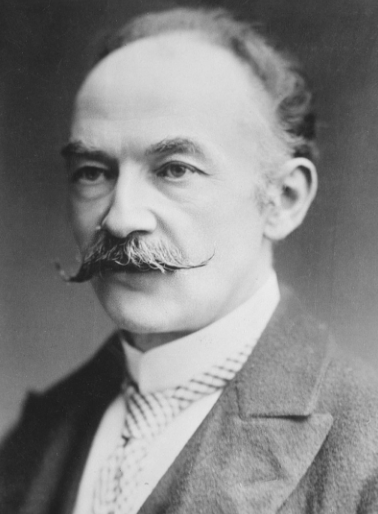
Thomas Hardy, OM (2 June 1840 – 11 January 1928) was an English novelist and poet. A Victorian realist in the tradition of George Eliot, he was influenced both in his novels and in his poetry by Romanticism, especially William Wordsworth. Charles Dickens was another important influence. Like Dickens, he was highly critical of much in Victorian society, though Hardy focused more on a declining rural society.
In 1898 Hardy published his first volume of poetry, Wessex Poems, a collection of poems written over 30 years. While some suggest that Hardy gave up writing novels following the harsh criticism of Jude the Obscure in 1896, the poet C. H. Sisson calls this "hypothesis" "superficial and absurd". In the twentieth century Hardy published only poetry.
Didacticism
Didacticism describes a type of literature that is written to inform or instruct the reader, especially in moral or political lessons. While they are also meant to entertain the audience, the aesthetics in a didactic work of literature are subordinate to the message it imparts. In modern times, “didactic” has become a somewhat pejorative way to describe a work of literature, as contemporary authors generally do not attempt to teach moral lessons through their writing. However, the original definition of didacticism did not carry this negative connotation.
Imagery v.s. Symbol
Imagery in literature is used to paint a mental image of something. The techniques used are descriptive and paint a picture that allows the reader to visualize the setting, person, or image that is intended to be conveyed.
Symbols are when a writer uses an object or idea to represent something else. It is usually something that the author feels is significant in the life of the person or central to the stories theme.
simile v.s. metaphor
A simile is where two things are directly compared because they share a common feature. The word AS or LIKE is used to compare the two words.
Eg. As cold AS a dog's nose
A metaphor also compares two things, but it does so more directly WITHOUT using as or like.
Eg. The shop was a little gold-mine.
To Kill a Mockingbird
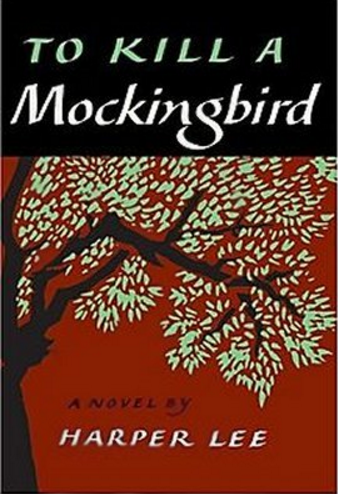
To Kill a Mockingbird is a novel by Harper Lee published in 1960. The plot and characters are loosely based on the author's observations of her family and neighbors, as well as on an event that occurred near her hometown in 1936, when she was 10 years old. The novel is renowned for its warmth and humor, despite dealing with the serious issues of rape and racial inequality.
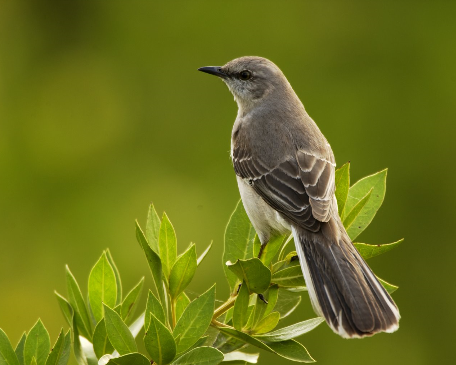
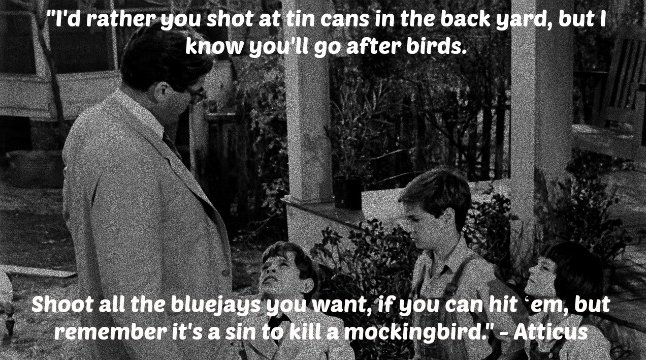
♦ The mockingbird is a bird that sings sweetly and does no harm to any other creature. The mockingbird represents the idea of innocence, and thus, to kill a mockingbird is to destroy innocence. There are a number of characters who may be considered “mockingbirds”, namely, Tom Robinson.
↓ mockingbird
Cast Away is a 2000 American epic survival drama film. The film depicts a FedEx employee stranded on an uninhabited island after his plane crashes in the South Pacific and his Robinsonade attempts to survive on the island using remnants of his plane's cargo.
*Robinsonade is a literary genre that takes its name from the 1719 novel Robinson Crusoe by Daniel Defoe. The success of this novel spawned so many imitations that its name was used to define a genre, which is sometimes described simply as a "desert island story".

限會員,要發表迴響,請先登入


