☀ When learning, ask yourself,
“What’s that?”
“What’s that for?”
“Why should we care?”
to 英文系 or not to 英文系 ???
English is a tool of communication. However, we will learn not only the skills of listening, speaking, reading and writing in the English department, but the abilities of logical and systematic thinking, objective points of view and appreciation toward literature and history contained in English.
click here ⇨ What is Literature for?
⇧ Intro to American Literature
Genre
Genre is any category of literature, music or other forms of art or entertainment, whether written or spoken, audio or visual, based on some set of stylistic criteria. Genres are formed by conventions that change over time as new genres are invented and the use of old ones are discontinued.
Classics
Classics (also Classical Studies) is the study of the languages, literature, laws, philosophy, history, art, archaeology and other material culture of Ancient Greece and Ancient Rome; especially during Classical Antiquity (ca. BCE 600 – AD 600). Traditionally, the study of Classical literature (Greek and Roman) was the principal study of the humanities.
Before studying the book required in class, it is necessary to learn how to read and use
the Roman numbers.
Roman numbers
Rules:
1. decimal
2. Tens and ones are separated to discuss.
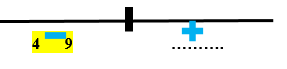
3. code
|
I |
V |
X |
L |
C |
D |
M |
|
1 |
5 |
10 |
50 |
100 |
500 |
1000 |
For example:
4 – IV 2015 – MMXV
9 – IX 999 – CM XC X
The Old Testament is mainly written in Hebrew.
The New Testament is mainly written in Greek.
Literature Line
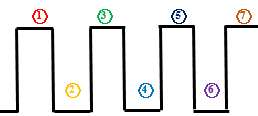
①Classicism
a. Classicist believed that the lows of nature could be rationally understood and explained purely by reason.
b. Style is known by its simplicity and clarity
②Medieval Age
a. The literature of this time was composed of religious writings as well as secular works.
③Renaissance
a. Renaissance literature can be viewed as a return to the literary forms of antiquity, such as satire, epic poetry, and theatrical dramas or comedies.
b. Many literary scholars, however, point out that Renaissance literature also reflected many of the new ideas spreading through European culture at that time.
④Neoclassicism
a. Neoclassicism developed as a reaction to the Renaissance.
b. The writings of this time included a variety of genres, including novels, diaries, essays and satires.
c. Grammar and word study became more formalized, with authors preferring simplicity.
d. Its main characteristic is an emphasis on logic, common sense, properness and adequate performance in society.
⑤Romanticism
a. The characteristics of Romanticism include a focus on strong emotion, awe of nature, and a break from following rigid structure.
⑥Victorian Literature
a. Books, and novels in particular, became ubiquitous, and the "Victorian novelist" created a legacy of works with continuing appeal.
b. Many novels were published in serial form, along with short stories and poetry.
⑦Modernism
a. Writers of this period tend to pursue more experimental and usually more highly individualistic forms of writing.
Vocabulary
a. orientation : the particular interests, aims, and emphasis of a business, political group, or other organization
▲sexual orientation : the fact of someone preferring to have sexual relationships either with men, or with women, or with both
b. objective :
noun something that you plan to achieve, especially in business or work
adjective based only on facts and not influenced by personal feelings or beliefs
限會員,要發表迴響,請先登入


