
 .
.
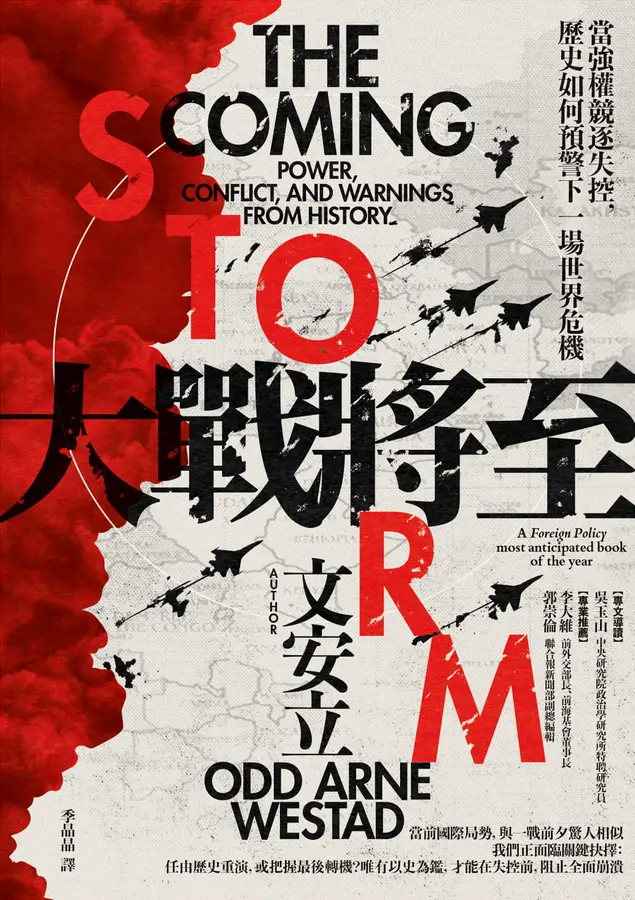
在冷戰結束後的數十年間,人類習慣了由少數強權主導的國際秩序。然而,當大國在核武、人工智慧、太空與貿易戰場全面競逐,世界正迅速變得脆弱而危險。全球史專家文安立警告:一場規模與破壞力前所未見的大國戰爭,已不再是遙遠的假設。
《大戰將至》以十九世紀末、二十世紀初的歷史為鏡,揭示當年民族主義高漲、全球化失靈、恐懼與仇恨蔓延,如何一步步將世界推向第一次世界大戰的深淵。文安立指出,當下的國際局勢與那個時代存在令人不安的相似性。
本書犀利挑戰傳統外交思維,提出全新的妥協邏輯、核威懾觀念與外交語言,提醒我們:唯有正視歷史的警訊,避免沙文主義、恐懼與宿命論的致命結合,人類才可能阻止下一場大國浩劫的降臨。
這不只是一本國際政治的警世之書,更是一份寫給二十一世紀的緊急歷史備忘錄。
.

. .
.
Odd Arne Westad, Elihu Professor of History and Global Affairs at Yale University, was joined by former Ambassador of the U.S. to China Nicholas Burns at Yale Center Beijing on February 10 for a talk about Westad’s forthcoming book, The Coming Storm.
.Do rising international tensions across regions and domains signal a heightened risk of global war? On February 10, Odd Arne Westad, the Elihu Professor of History and Global Affairs at Yale University, addressed this question at Yale Center Beijing in a discussion of his forthcoming book, The Coming Storm: Power, Conflict, and Warnings from History.
More than 140 attendees joined the event, including over 80 Yale alumni and friends onsite and 62 online. Co-hosted by the Royal Asiatic Society, Beijing (RASBJ), the Yale Club of Beijing, and Yale Center Beijing, the event was moderated by Nicholas Burns, former Ambassador of the U.S. to China and the Roy and Barbara Goodman Family Professor of the Practice of Diplomacy and International Relations at Harvard Kennedy School.
As one of the world’s foremost historians of the Cold War and great power relations, Professor Westad was inspired to write this new book after completing his three award-winning works—The Global Cold War, Restless Empire, and The Cold War: A World History. He observed that today’s world increasingly resembles that of a century ago, prompting him to explore historical parallels and their implications for our time.
“This is not just a book about death, doom, and destruction,” Westad emphasized, noting that historical comparison should serve not as predictions, but as warning. “It’s also a book about what people can do and should do today to avoid that kind of scenario that we were looking at in the early part of the 20th century.”
.

.
20260210 耶魯大學教授文安立..Odd Arne Westad, Elihu Professor of History and Global Affairs at Yale University.已經於耶魯北京中心舉辦新書發表會暨學術討論會贏得許多國際關係學者與學生們熱烈反應,文安立教授將於20260627.聯合台灣中研院院士吳玉山,前外交部長李大維,從全球史,政治學,外交實務,國際新聞出發,理解地緣政治的深層邏輯。論壇由聯合報新聞部副總編輯郭崇倫主持,提出關鍵提問,文安立教授利用電腦視會議模式,在美國耶魯大學與台灣學者專家線上立即舉辦學術討論會.筆者因故無法出席線上論壇,預祝台灣與美國耶魯大學雙方合作成功..
 ..
..
 While acknowledging that today’s challenges differ from those of the Cold War era, Westad cautioned that exceptional care is needed to avoid repeating past mistakes. The current landscape, he noted, reflects “a set of rivalries and conflicts that could easily lead to something that all of us want to avoid—and that is a Great Powers war.”
He suggested several stabilizing factors that could help mitigate risks, including engagement between top leaders in China and the United States, military-to-military communication, sustained diplomacy, strengthened trade and communication channels, careful management of regional flashpoints, and the rebuilding of international institutions.
Moderating the discussion, Ambassador Burns underscored the book’s relevance in today’s highly competitive global environment and reflected on his experience managing U.S.-China relations. “I don’t think war is inevitable,” Burns said. “Individuals can make a difference in the way they approach these problems, and that does give me some hope that with a lot of work and with connectedness between the two countries, we can avoid the worst.”
This event marked Professor Westad’s fifth engagement—both onsite and virtually—at Yale Center Beijing, and the first of two visits to China this spring. He is scheduled to return to China in March to lead students from Yale’s Jackson School of Global Affairs in the Yale-Renmin Student Dialogue. As Yale University’s only university-wide physical center outside the United States, Yale Center Beijing continues to serve as a convening space for intellectual exchanges, connecting Yale faculty and students with alumni and broader communities in China and beyond.
.
這本書的核心論點是:我們面臨的世界,令人不安地愈來愈像一百多年前,也就是一九一四年全球大戰爆發前那個年代。如今多個強權並存,競逐影響力與主導地位。民族主義幾乎在各地升溫抬頭。過去兩代人逐步走向自由化的貿易,如今愈來愈受到限制。各國領導人一邊宣稱渴望和平,一邊卻在為衝突做準備。與此同時,我們還有一系列領土與政治爭端——台灣正是其中最危險的核心。在誤判與恐懼交錯催化之下,完全可能引爆一場誰也不想要的戰爭。我不是在危言聳聽,說這場戰爭無可避免。歷史從來不是宿命。但眼下浮現的種種跡象,確實讓我深感憂心。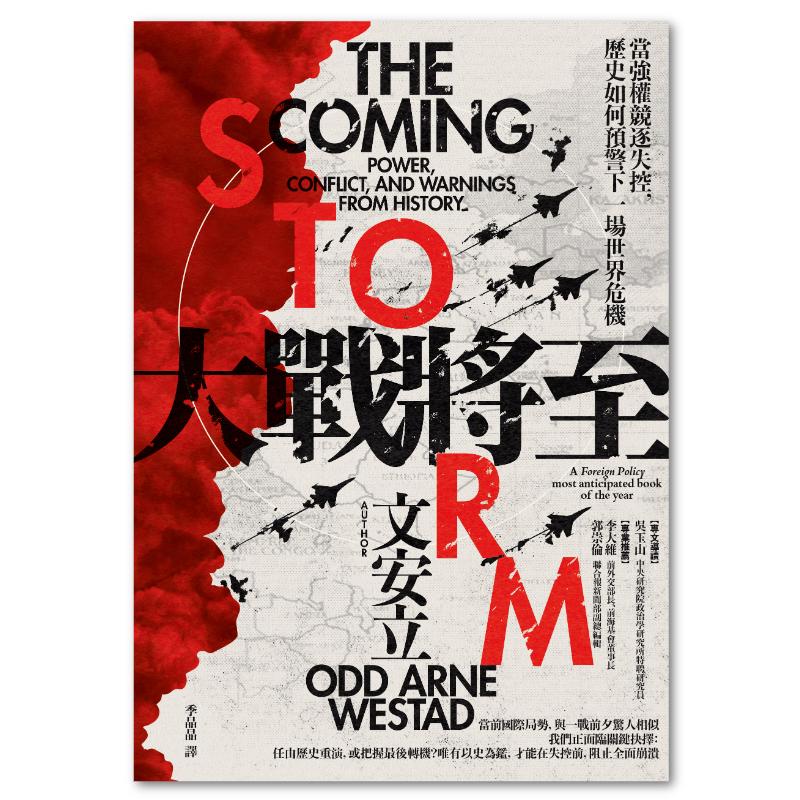
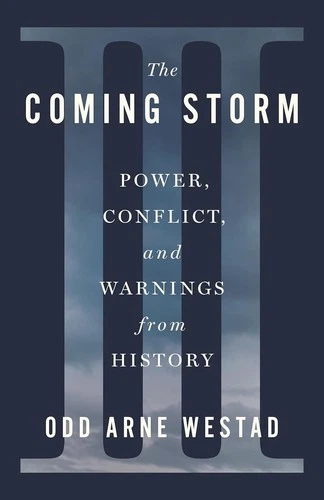
The Coming Storm: Power, Conflict, and Warnings from History.
.A Foreign Policy most anticipated book of the year
From a renowned Yale historian comes a chilling look at the looming threat of the next Great Power war and the urgent interventions necessary to avoid it in the twenty-first century.
The vast majority of people alive today have come of age in a world of remarkable stability, presided over by either one or two Superpowers. This is not to say the world has been peaceful; but it has, to a great extent, been predictable. As an increasing number of Great Powers jostle for regional supremacy, as well as competitive advantage in nuclear technology, artificial intelligence, space exploration, and trade, our world has become more fragile, unpredictable―and combustible. The outbreak of global war among today’s Great Powers seems increasingly likely. Such war, as Odd Arne Westad powerfully argues in this urgent book, would be of a magnitude and devastation never before seen.
To understand the threats that face us in this complex new terrain, we must look to the lessons of the past, and especially the late nineteenth and early twentieth century―a time when Great Powers clashed and sought regional dominance, nationalism and populism were on the rise, and many felt that globalization had failed them; a time when tariffs increased, immigration and terrorism were among the biggest issues of the day, and a growing number of people blamed the citizens of other countries for their problems. A time, in other words, that carries eerie parallels with our own.
 .
.


限會員,要發表迴響,請先登入


