. .
.
 ..
..
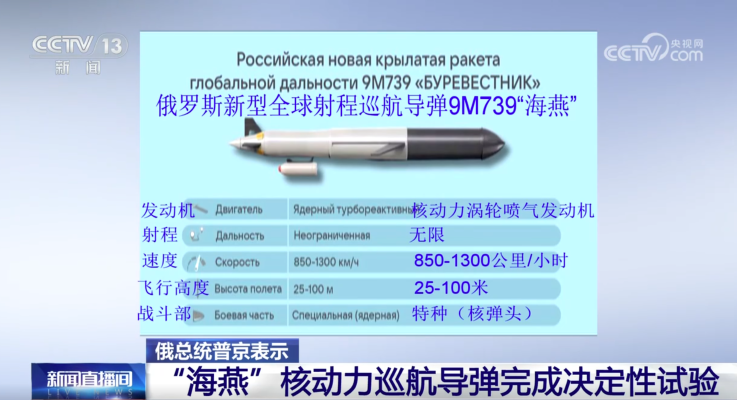
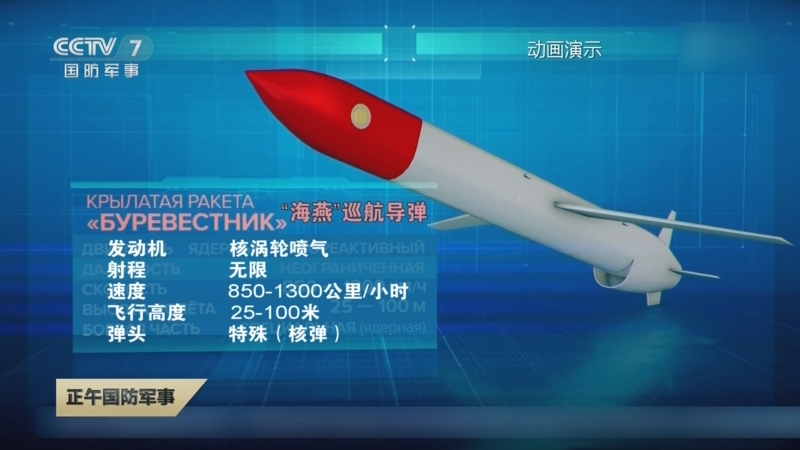

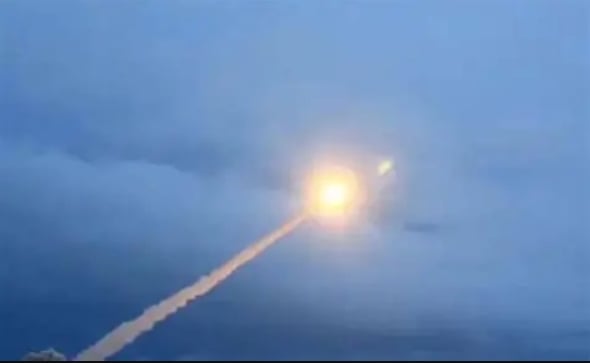
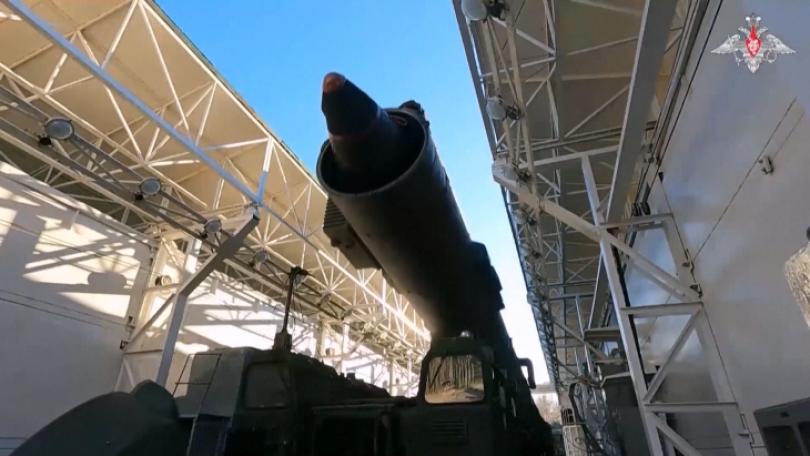
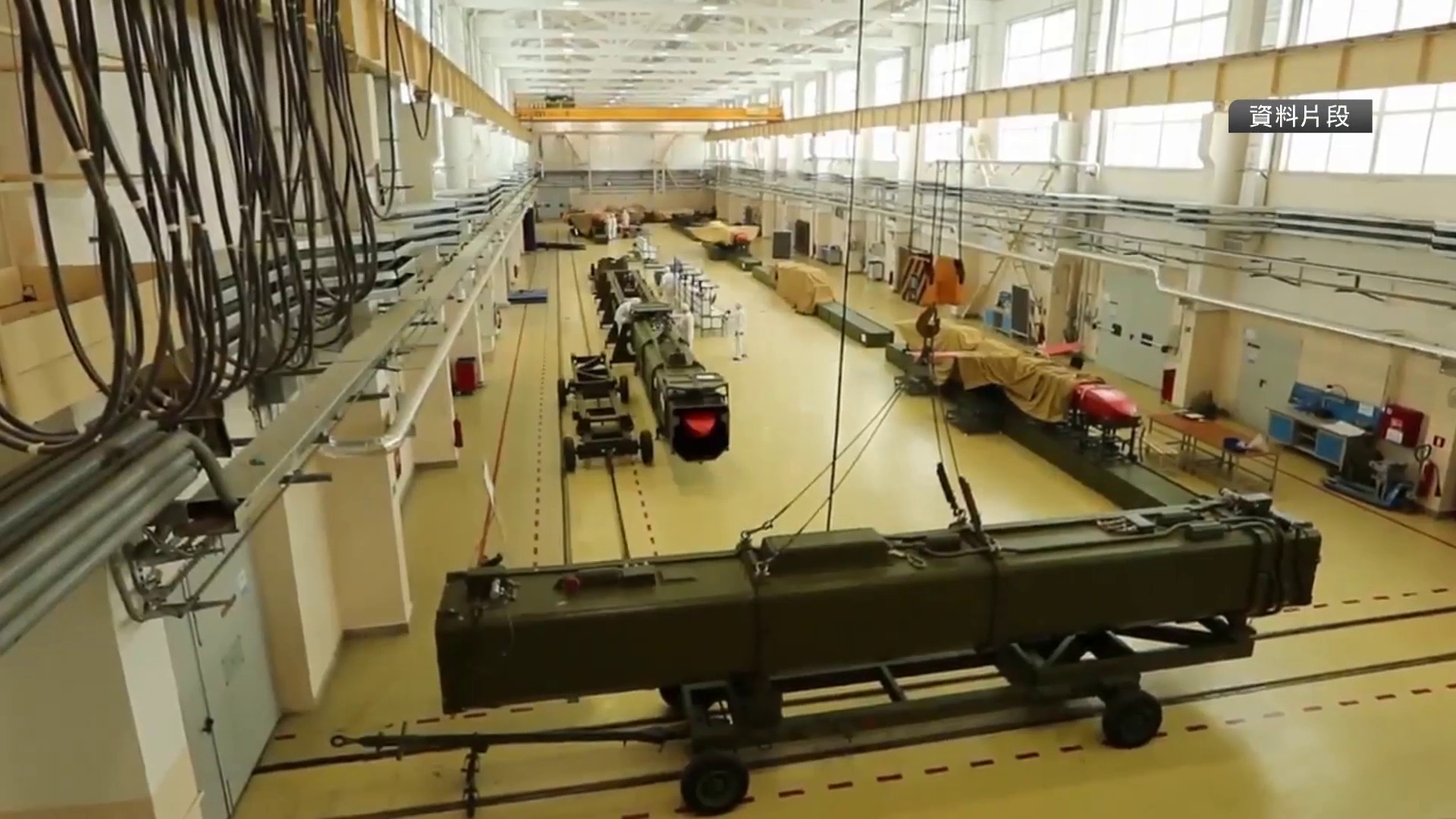
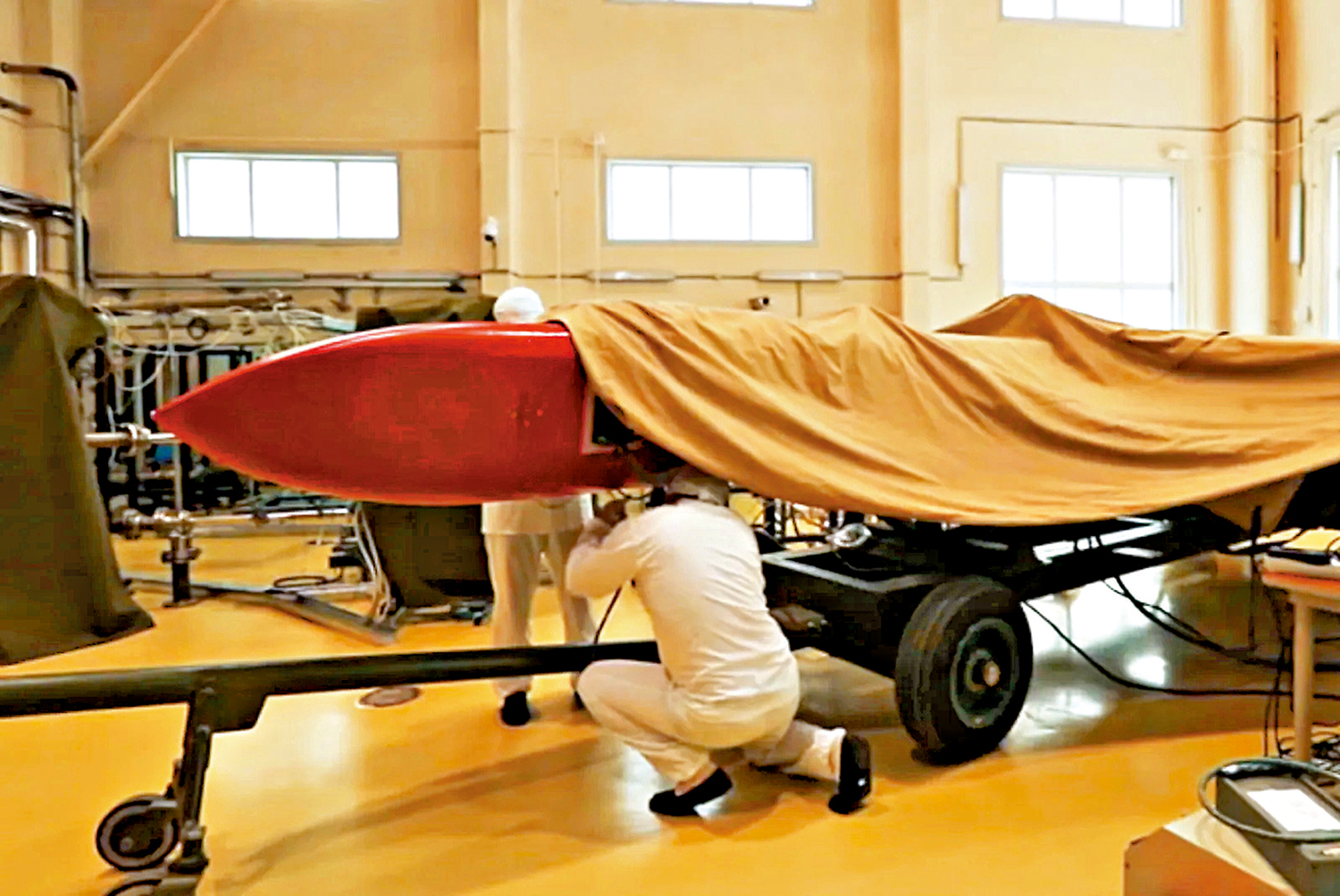
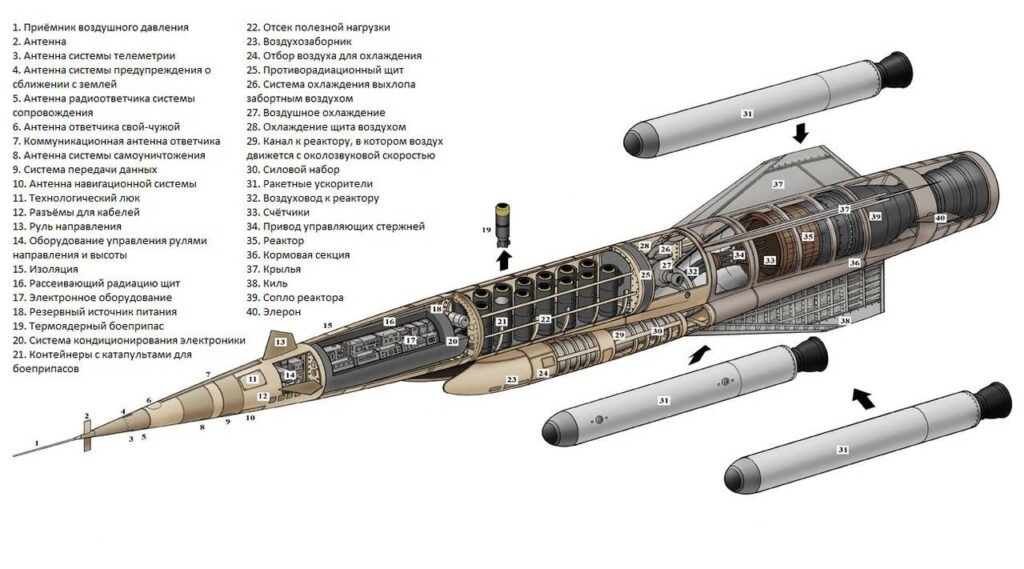
..海燕核動力巡弋飛彈(9M730 Burevestnik)是一款俄羅斯研發中的核動力巡弋飛彈,北約代號SSC-X-9 Skyfall ..
.«Буреве́стник» (Индекс ГРАУ — 9М730, кодовое обозначения НАТО — SSC-X-9 Skyfall[]) — межконтинентальная крылатая ракета глобальной дальности[К 1] с ядерной энергетической установкой[3][4][5][6].
Впервые о появлении данного ракетного оружия сообщил президент Российской Федерации Владимир Путин в послании Федеральному собранию 1 марта 2018 года. В ходе выступления президента были показаны видеокадры испытания ракетного комплекса[]. 22 марта 2018 года крылатая ракета получила наименование «Буревестник» по результатам открытого голосования на сайте Министерства обороны России[].
https://youtu.be/Xr7alYwCznQ?si=YtDGuWxTAypxzoqQ
По информации газеты «Аргументы и факты» «Буревестник» будет принят на вооружение не ранее 2027 года. Его боевой потенциал не учитывается в продлённом до 5 февраля 2026 года российско-американском Договоре о стратегических наступательных вооружениях (СНВ-III).
Буревестник (крылатая ракета).

.


.
..
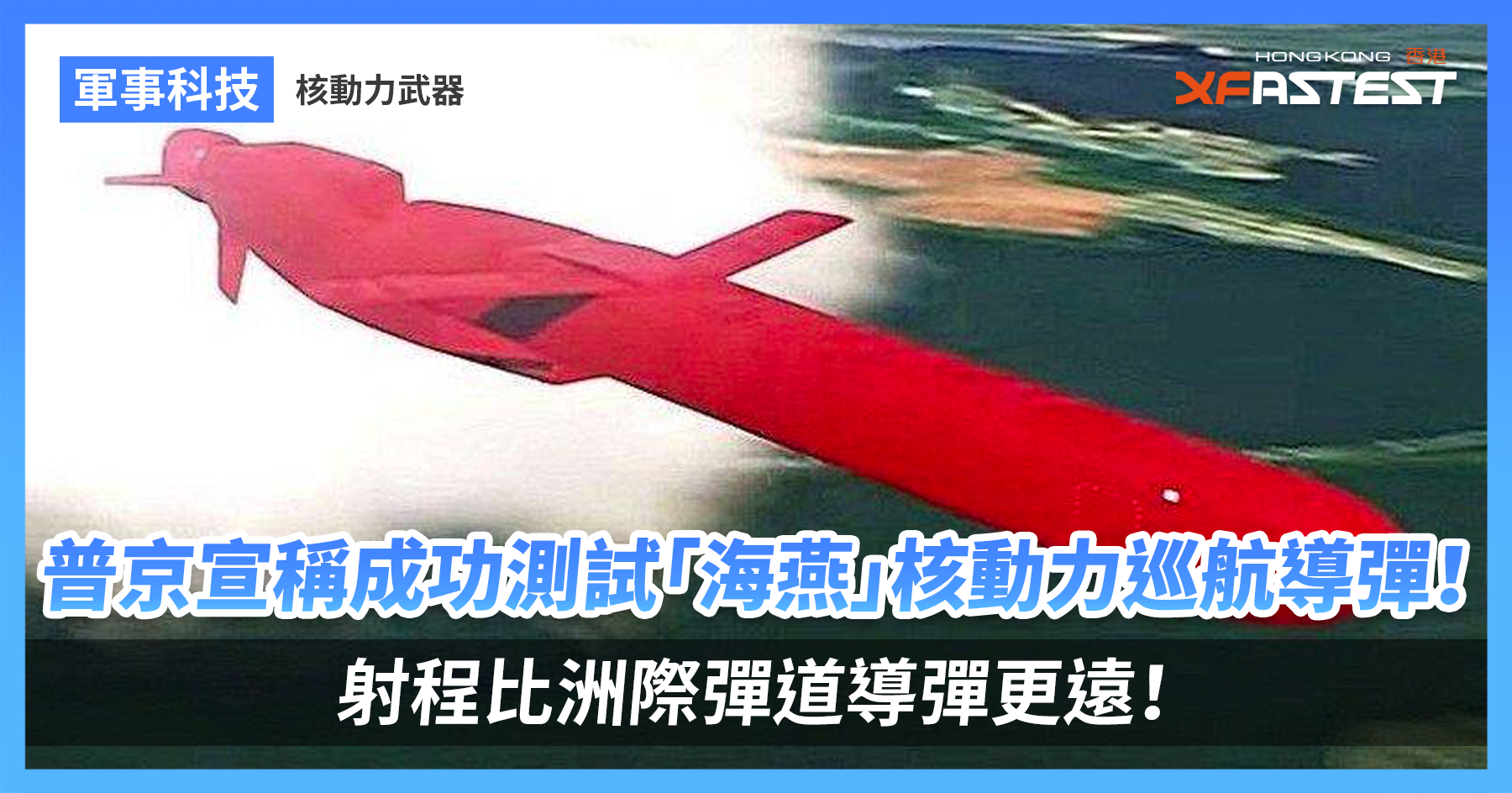
俄羅斯稱成功測試具備無限射程的核動力導彈「海燕」..
Russia claims to have successfully tested its nuclear-powered missile "Burevestnik," which has an unlimited range..
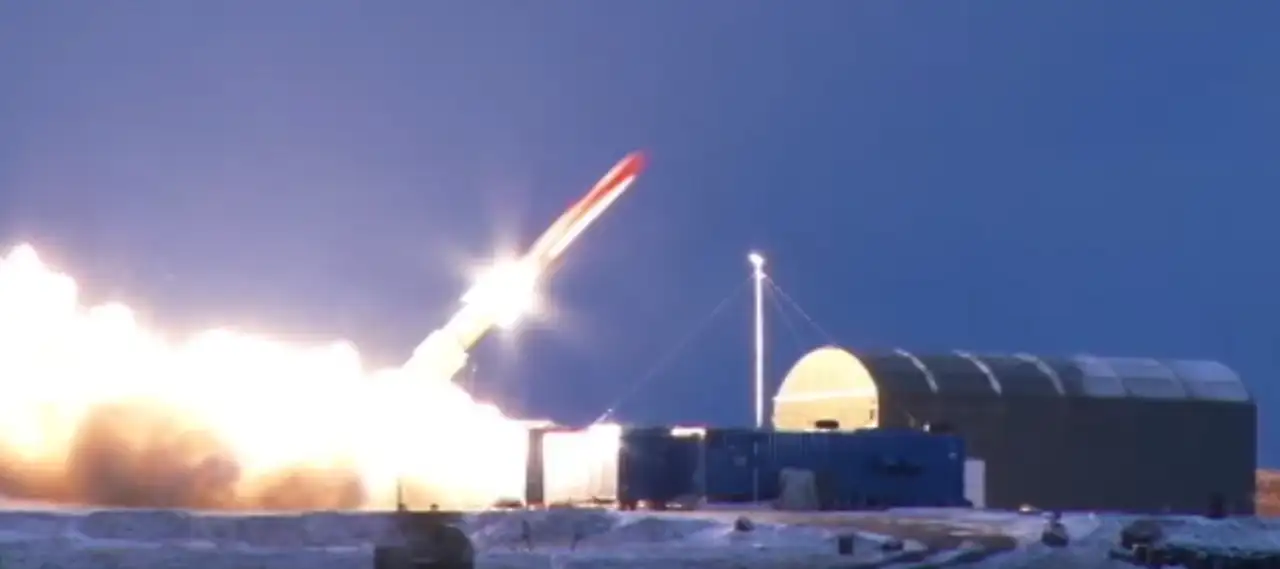
「海燕」是俄羅斯軍方於 2001 年 12 月決定開始研發的核動力巡航飛彈,飛彈的北約代號為 SSC-X-9 「天殞」(Skyfall),是為了避開美國反導系統而專門設計的。


俄羅斯軍方表示,近日測試了備受外界關注的「海燕」(Burevestnik)核動力巡航導彈。
「我們已發射一枚核動力導彈,進行了數小時的飛行,飛行距離達14,000公里(8,700英里),而這還不是極限。」美國空軍國家空天情報中心(National Air and Space Intelligence Center)2021年的一份報告指出:「核動力巡航導彈將賦予俄羅斯一種具洲際射程能力的獨特武器。」
然而,國際戰略研究所(IISS)同年指出,俄羅斯在該武器的實用性方面還面臨重大挑戰。
「該武器能否列入俄羅斯軍備庫,或許不僅取決於是否能克服核動力推進系統可靠運作的技術難題。」IISS分析師寫道。.
.Moscow Tests Nuclear-Capable Burevestnik As Putin Warns West Over Ukraine.
Russia announced this week that it had successfully tested its nuclear-powered, nuclear-capable Burevestnik cruise missile, a move President Vladimir Putin framed as proof that Moscow will not “bow to Western pressure” over the war in Ukraine, A.P. News reports. In a televised briefing, General Valery Gerasimov stated that the missile flew approximately 14,000 kilometers and remained airborne for 15 hours during an October 21 test. Powered by a nuclear propulsion system that the Kremlin claims enables virtually unlimited range and the ability to evade current and future missile-defense systems, the weapon represents a significant escalation in Russia’s long-term strategic ambitions. Known to N.A.T.O. as the SSC-X-9 Skyfall, Reuters reports that Russian leadership has promoted the missile as capable of penetrating any “defense shield,” sending a clear message as the United States lifts restrictions on Ukrainian long-range strikes and intensifies diplomatic pressure for a ceasefire.
The launch follows a series of nuclear-force drills overseen by Putin last week, during which he warned that any further Ukrainian attacks inside Russia with Western-supplied missiles would prompt a “very serious, if not overwhelming” response. According to The Guardian, the announcement drew immediate international concern, as U.S. President Donald Trump called the test “not appropriate,” and arms-control experts cautioned that the Burevestnik’s reported capabilities remain unverified.
Such demonstrations of strategic capability accelerate a security logic that prioritizes coercion over dialogue, placing communities and ecosystems at the front line of geopolitical brinkmanship. A missile that may disperse radioactive material in flight, and could fail or crash unpredictably in foreign or domestic territory, raises profound humanitarian and environmental concerns. These systems threaten not only adversaries but also populations, ecosystems, and future generations in their path, magnifying the long-term human cost of nuclear competition.
This test also reflects the broader unraveling of arms-control architecture that helped restrain nuclear competition for decades. Russia has justified the Burevestnik program as a response to the United States’ withdrawal from the 1972 Anti-Ballistic Missile Treaty and the expansion of Western missile-defense systems, arguing that strategic imbalance forced Moscow to pursue unconventional capabilities.

.


- UAE退出OPEC .為什麼? Why did UAE announce its withdrawal from OPEC and OPEC+
- 賀中國海軍東海艦隊.2艘055D.服役..PLA delivers two guided-missile destroyers to the East Sea Fleet
- 金瓶梅. Chinese novel Jinpingmei.Golden Lotus
- 普羅旺斯的春季降臨001 (Provence & French )
- 日本2026年版《外交藍皮書》澈底顯露出帝國主義及軍國主義.Japan’s 2026 Diplomatic Bluebook
- 車臣共和國表示將派遣軍隊參戰協助伊朗抵抗美國.CHECHEN FORCED READY TO JOIN IRAN IF USA INVADES IRAN.
限會員,要發表迴響,請先登入


