
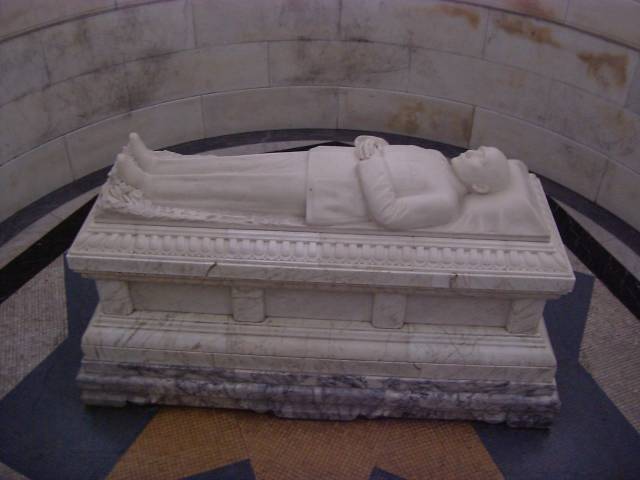
 ..
..
.1925年3月12日,廣州各界在東較場舉行追悼孫大會.100 年前
 ..
..


19250312-20250312.1929年6月1日,孫靈柩奉安中山陵,傳聞抗日戰爭期間日本攻下南京,由中國國民黨副總理汪精衛與日本協商,保護中山陵及名孝陵完整,孫中山的遺囑亦由汪精衛起草與書寫.日後汪某在南京另行成立"國民政府"與蔣介石互不相讓,各行其是...
 ..
..

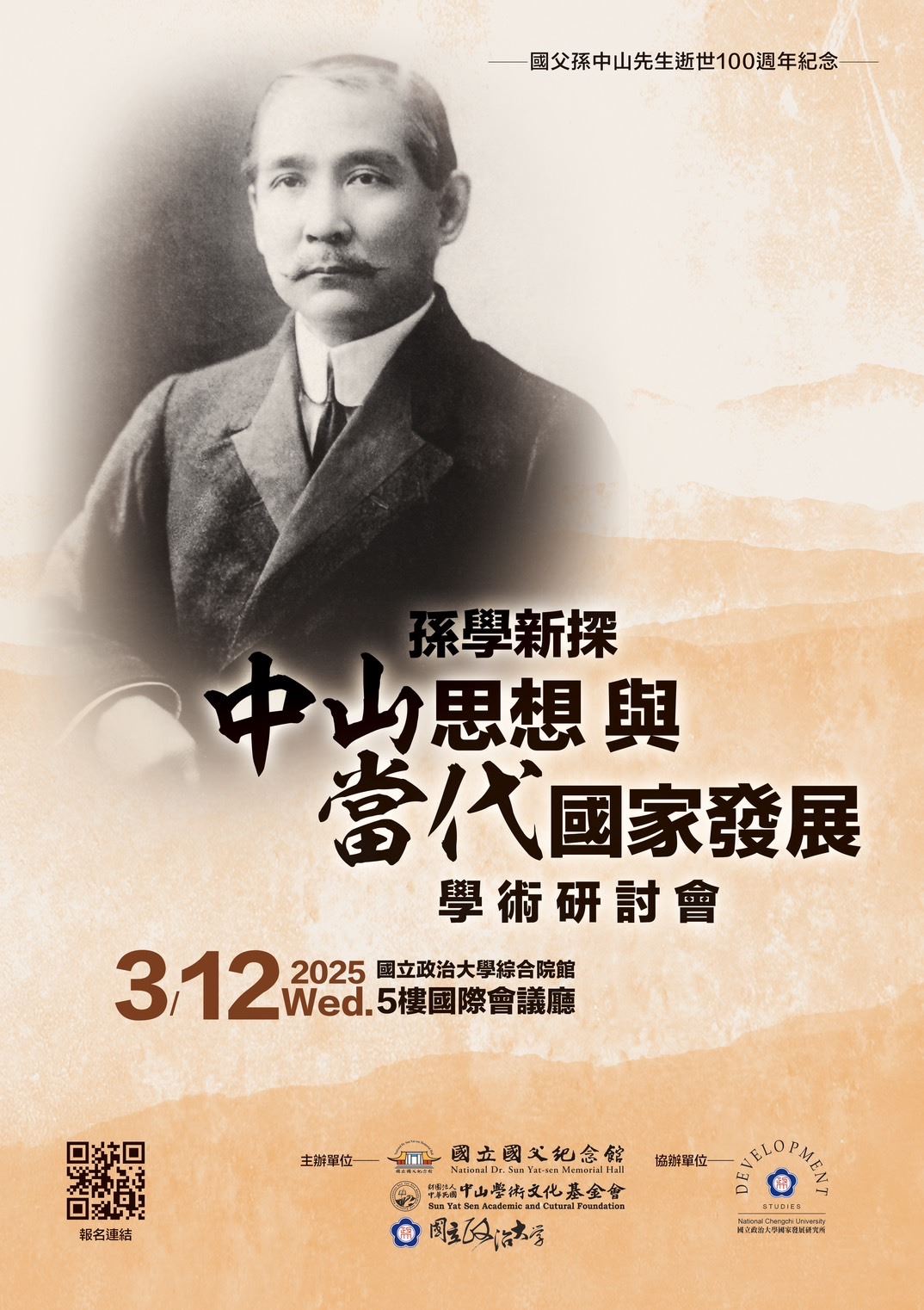
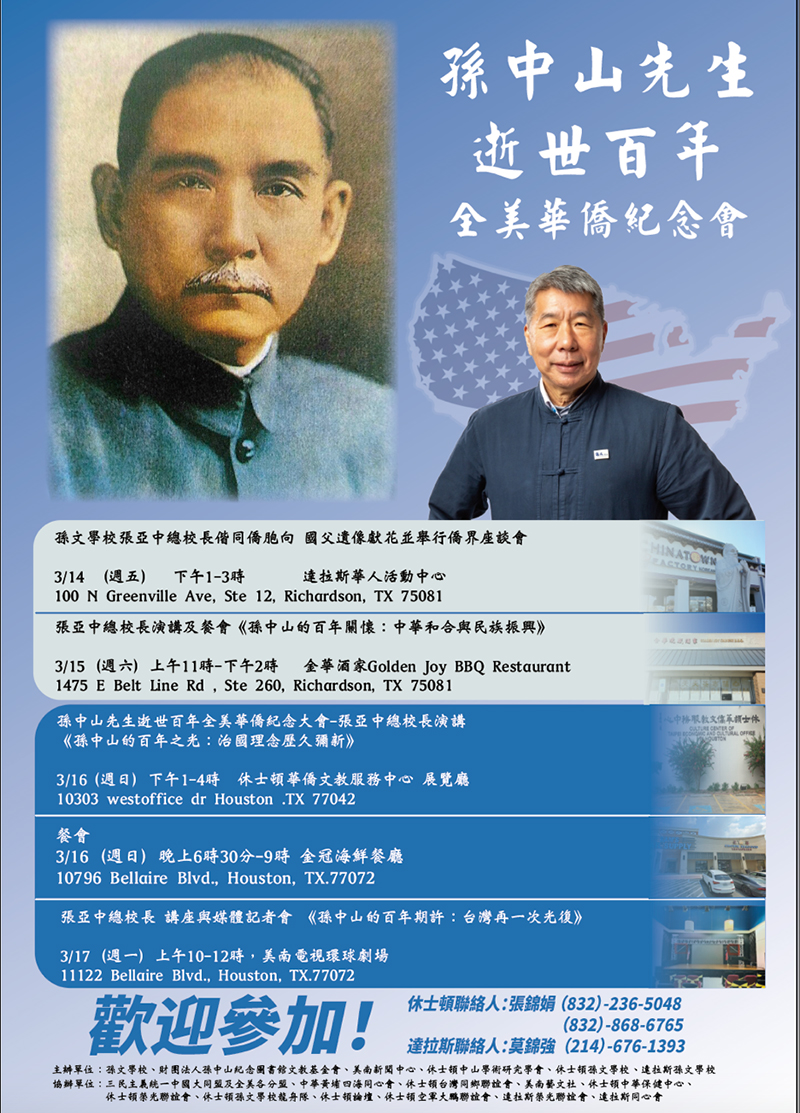
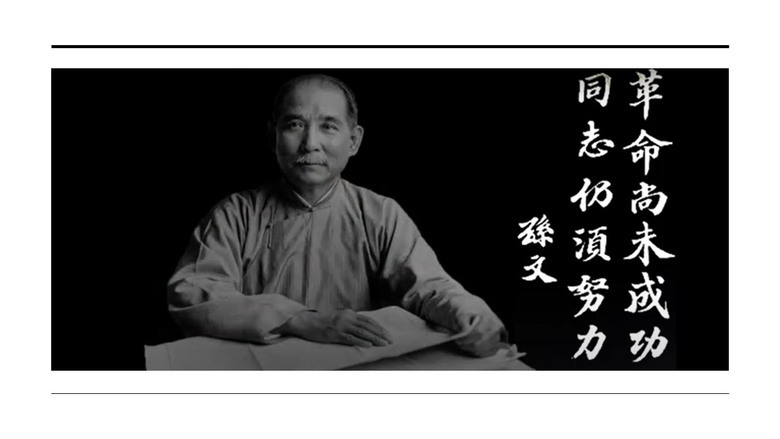
悼念 國父孫中山先生 逝世100 周年紀念日.
.海內外,中國國民黨黨員,同心同德,紀念總理同志,恪守其遺志,
.和平,奮鬥,救中國,中國共產黨黨員同志,亦步亦趨.
1925年3月12日9時30分,中國國民黨總理暨中國前臨時大總統,孫中山先生,於善後會議期間在北平市鐵獅子胡同行轅,因患肝膽癌症而逝世享年59歲。.19250312-20250312
 .
.

.汪精衛南京的故居客廳 懸掛 孫中山 先生 遺照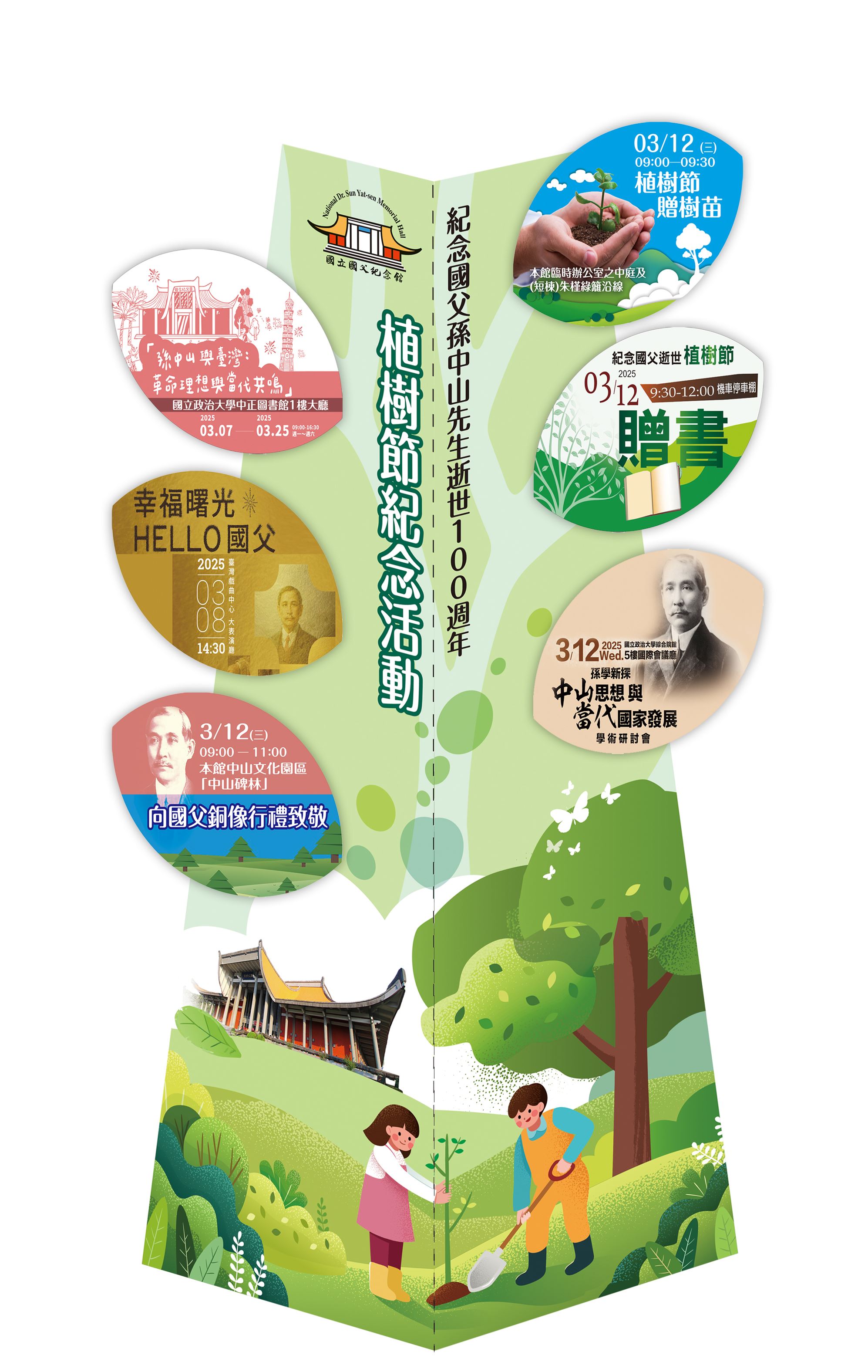
 .
.
..
.
孫中山逝世100周年 中國多地緬懷紀念
.《孫中山與中華民族發展的新時代“紀念孫中山先生逝世100周年”,辛亥志士後裔與文史學者座談會》在南京中山陵八號東苑賓館舉行。來自北京,南京,上海,蘇州,無錫,山東,國等地的海內外辛亥革命志士後裔及眾多近代史學者研究專家齊聚一堂,共同紀念孫中山逝世100周年。
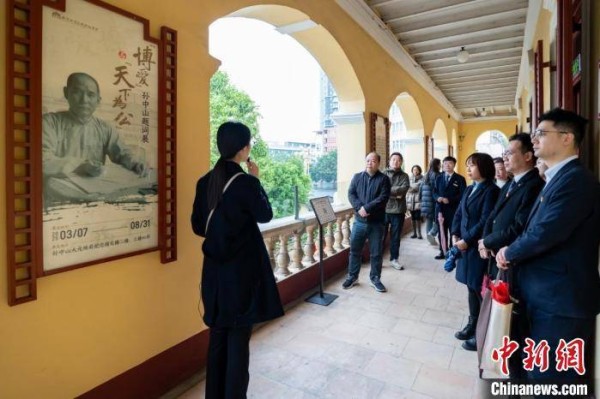
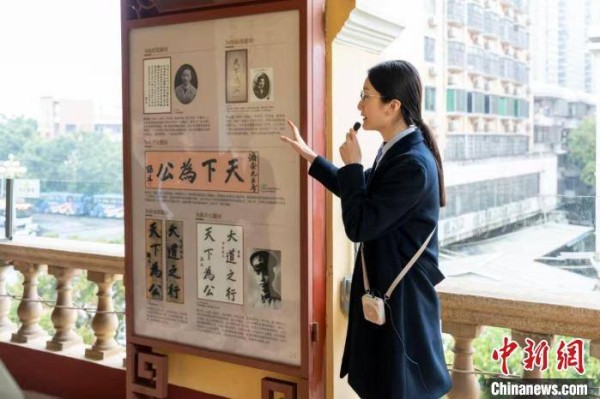
20250311日,部分辛亥後裔參加孫中山紀念館組織的拜謁中山陵,參觀明孝陵,梅花山活動。“在大革命的洪流中廣州大元帥府裡的紅色文物,”展覽11日在廣州孫中山大元帥府紀念館開幕。該展覽分為“報刊”,“函電”,“書籍”,“證章與委任狀”,四大部分,共展出128件館藏珍貴文物。大型原創音樂劇《青年孫中山》20250312日上午在廣州中山紀念堂首演。該劇主要講述了孫中山17歲至28歲青年時代的故事,劇情跨越了孫中山從國外歸來試圖啟蒙鄉民,創辦教育,救火救人,學習武術,最終立志醫學救國及政治革命的多個重要階段。同日由孫中山故鄉廣東中山及香港,澳門三地共同推出的“‘從醫人到醫國’孫中山與粵港澳文物展”,在中山市的孫中山故居紀念館開幕。展覽匯集上百件珍貴文物文獻,其中14件來自香港,11件來自澳門。
1866年11月12日,孫中山出生於廣東省香山縣(今中山市)翠亨村的一個普通農家。孫中山一生創立興中會,中國同盟會,締造了中華民國和中國國民黨,倡導“三民主義”(民族主義、民權主義和民生主義),是中國“起共和而終兩千年封建帝制”的先驅.

 .
.
.
.
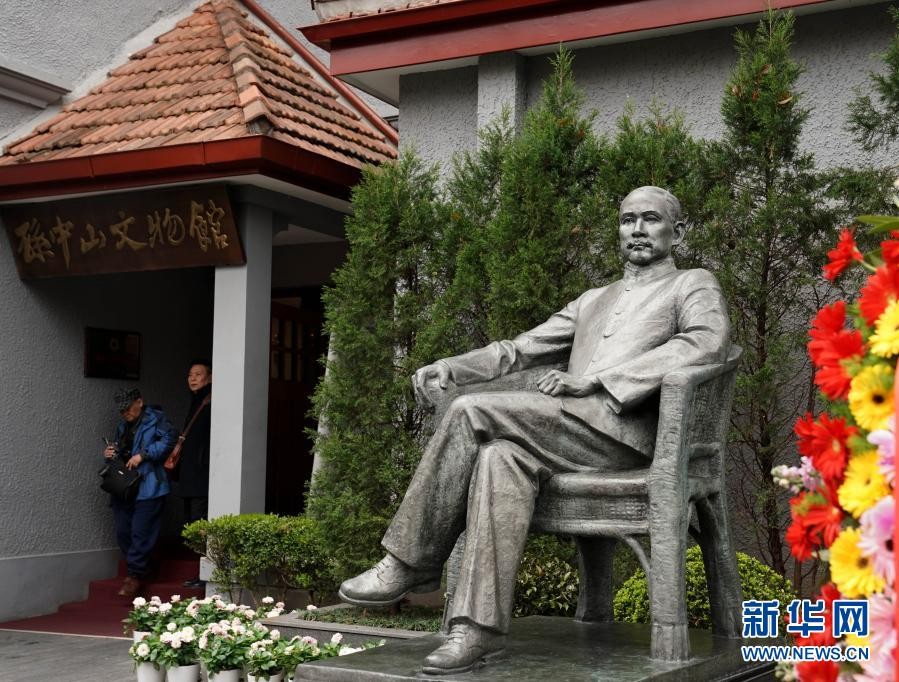
.20250312.上海孫中山故居已經佈置悼念花卉許多上海居民在斜風細雨中前往紀念
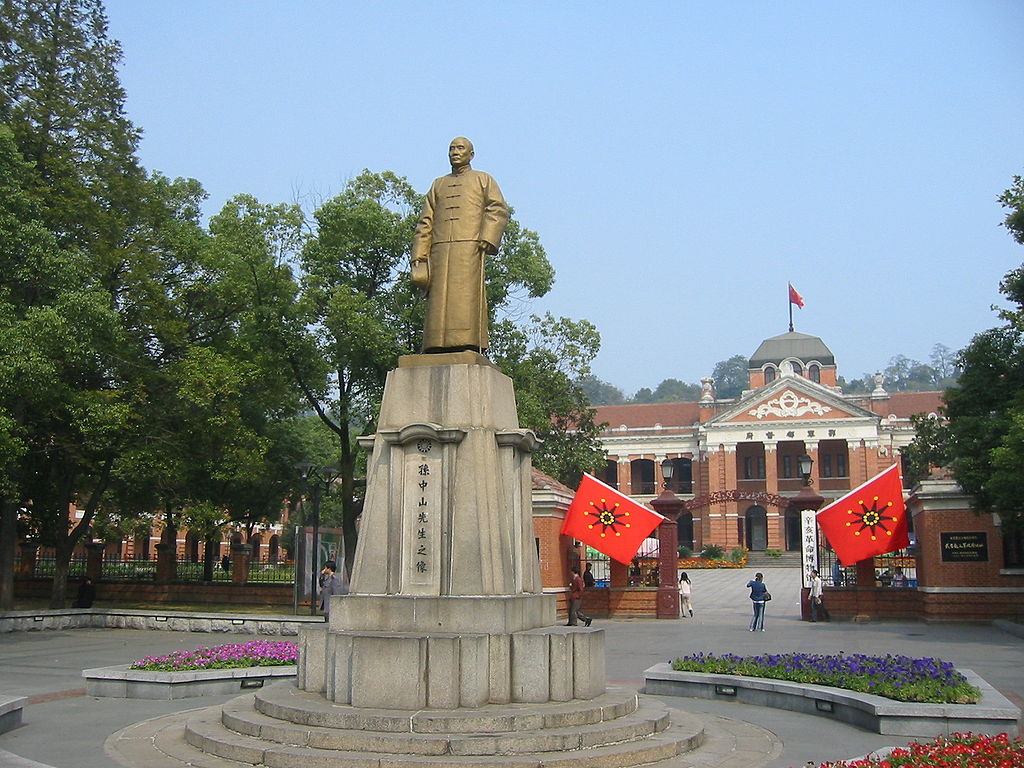
上海市黄浦区香山路 上海中山故居.

.
.
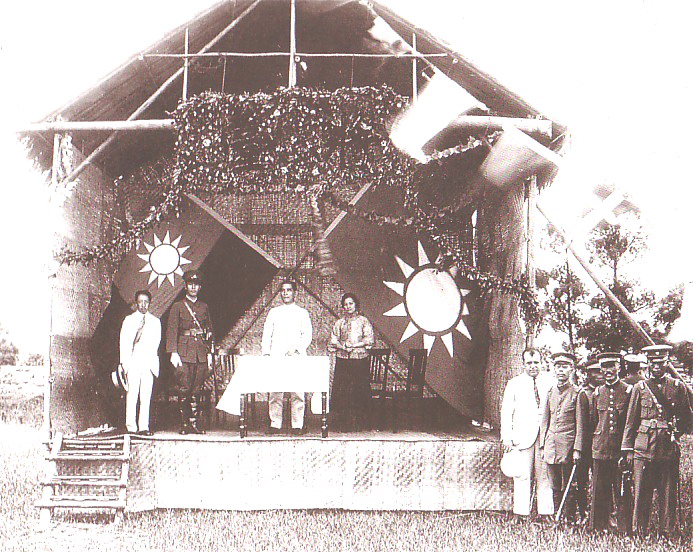 .孫中山在黃埔軍校開學禮演講,在場有宋慶齡、蔣介石、廖仲愷,
台下身著白色西裝的歐洲人為蘇聯代表
 .
.
1917年9月10日,孫中山就任海陸軍大元帥時的留影
 .1912年2月15日,孫中山祭明孝陵


.
Sun Yat-sen[ 12 November 1866 – 12 March 1925) was a Chinese physician, revolutionary, statesman, and political philosopher who founded the Republic of China (ROC) and its first political party, the Kuomintang (KMT). As the paramount leader of the 1911 Revolution, Sun is credited with overthrowing the Qing imperial dynasty and served as the first president of the Provisional Government of the Republic of China (1912) and as the inaugural leader of the Kuomintang.[]
Born to a peasant family in Guangdong, Sun was educated overseas in Hawaii and returned to China to graduate from medical school in Hong Kong. He led underground anti-Qing revolutionaries in South China, the United Kingdom, and Japan as one of the Four Bandits and rose to prominence as the founder of multiple resistance movements, including the Revive China Society and the Tongmenghui. Although he is considered one of the most important figures of modern China, his political life campaigning against Manchu rule in favor of a Chinese republic featured constant struggles and frequent periods of exile.
After the success of the 1911 Revolution, Sun proclaimed the establishment of the Republic of China but had to relinquish the presidency to general Yuan Shikai who controlled the powerful Beiyang Army, ultimately going into exile in Japan. He later returned to launch a revolutionary government in southern China to challenge the warlords who controlled much of the country following Yuans death in 1916. In 1923, Sun invited representatives of the Communist International to Guangzhou to reorganize the KMT and formed the First United Front with the Chinese Communist Party (CCP). He did not live to see his party unify the country under his successor, Chiang Kai-shek, in the Northern Expedition. While residing in Beijing, Sun died of gallbladder cancer in 1925.
Uniquely among 20th-century Chinese leaders, Sun is revered in both Taiwan (where he is officially the "Father of the Nation") and in the Peoples Republic of China (where he is officially the "Forerunner of the Revolution") for his instrumental role in ending Qing rule and overseeing the conclusion of the Chinese dynastic system. His political philosophy, known as the Three Principles of the People, sought to modernise China by advocating for nationalism, democracy, and the livelihood of the people in an ethnically harmonious union (Zhonghua minzu).[3] The philosophy is commemorated as the National Anthem of the Republic of China, which Sun composed.


- 立夏
- UAE退出OPEC .為什麼? Why did UAE announce its withdrawal from OPEC and OPEC+
- 賀中國海軍東海艦隊.2艘055D.服役..PLA delivers two guided-missile destroyers to the East Sea Fleet
- 金瓶梅. Chinese novel Jinpingmei.Golden Lotus
- 普羅旺斯的春季降臨001 (Provence & French )
- 日本2026年版《外交藍皮書》澈底顯露出帝國主義及軍國主義.Japan’s 2026 Diplomatic Bluebook
限會員,要發表迴響,請先登入
 1樓. red square 1232025/03/14 23:39
 red square 123 於 2025/03/14 23:45回覆


