中國成功試射洲際飛彈到太平洋警告美國切勿輕舉妄動? China test-fired an DF-31AG.ICBM.into the Pacific Ocean.
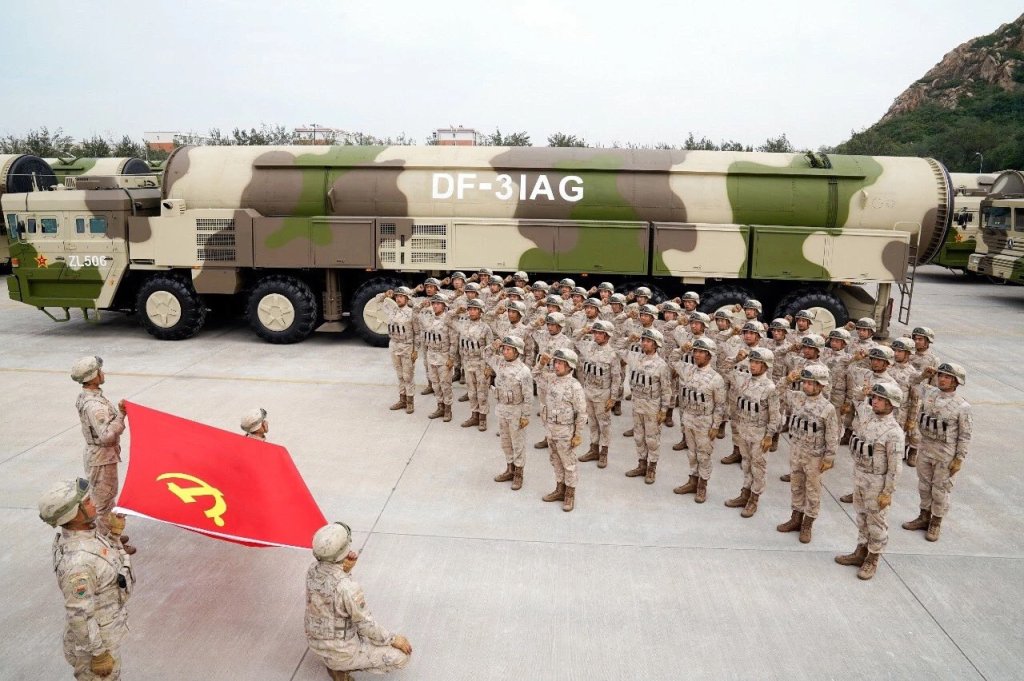
 China’s secret garrison for DF-31AG missile that can hit most parts of the world.
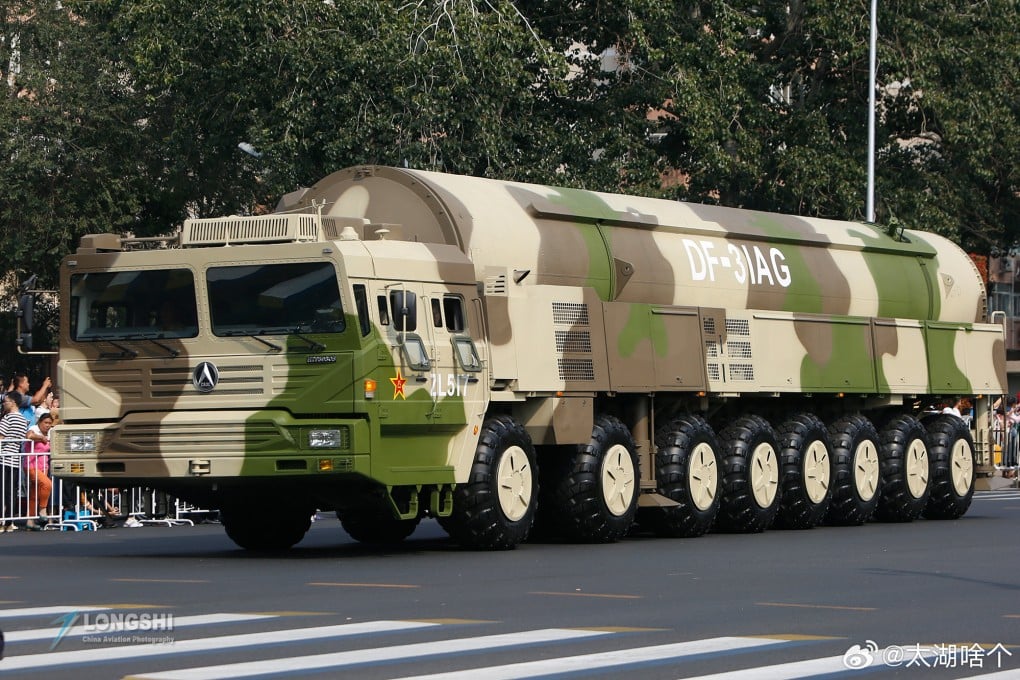
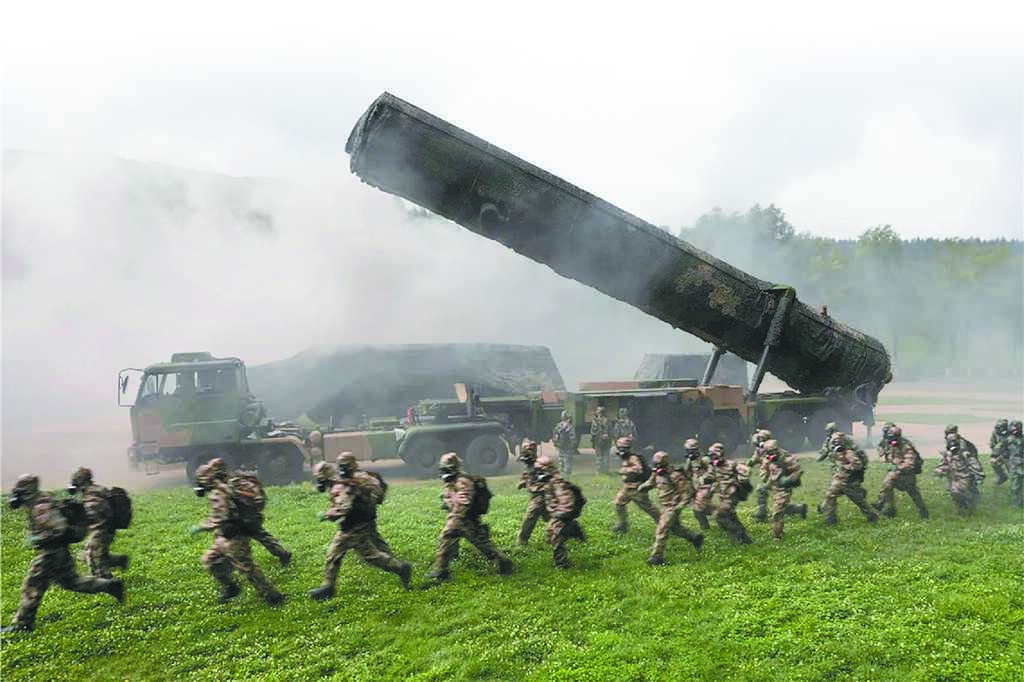
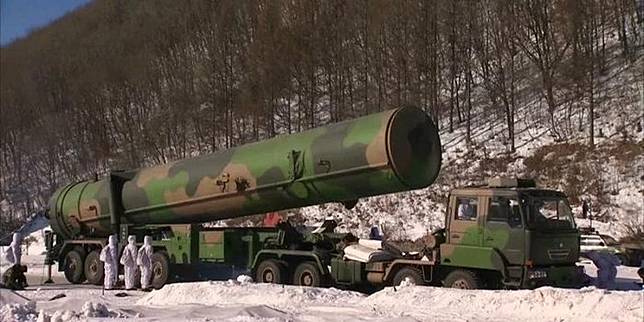
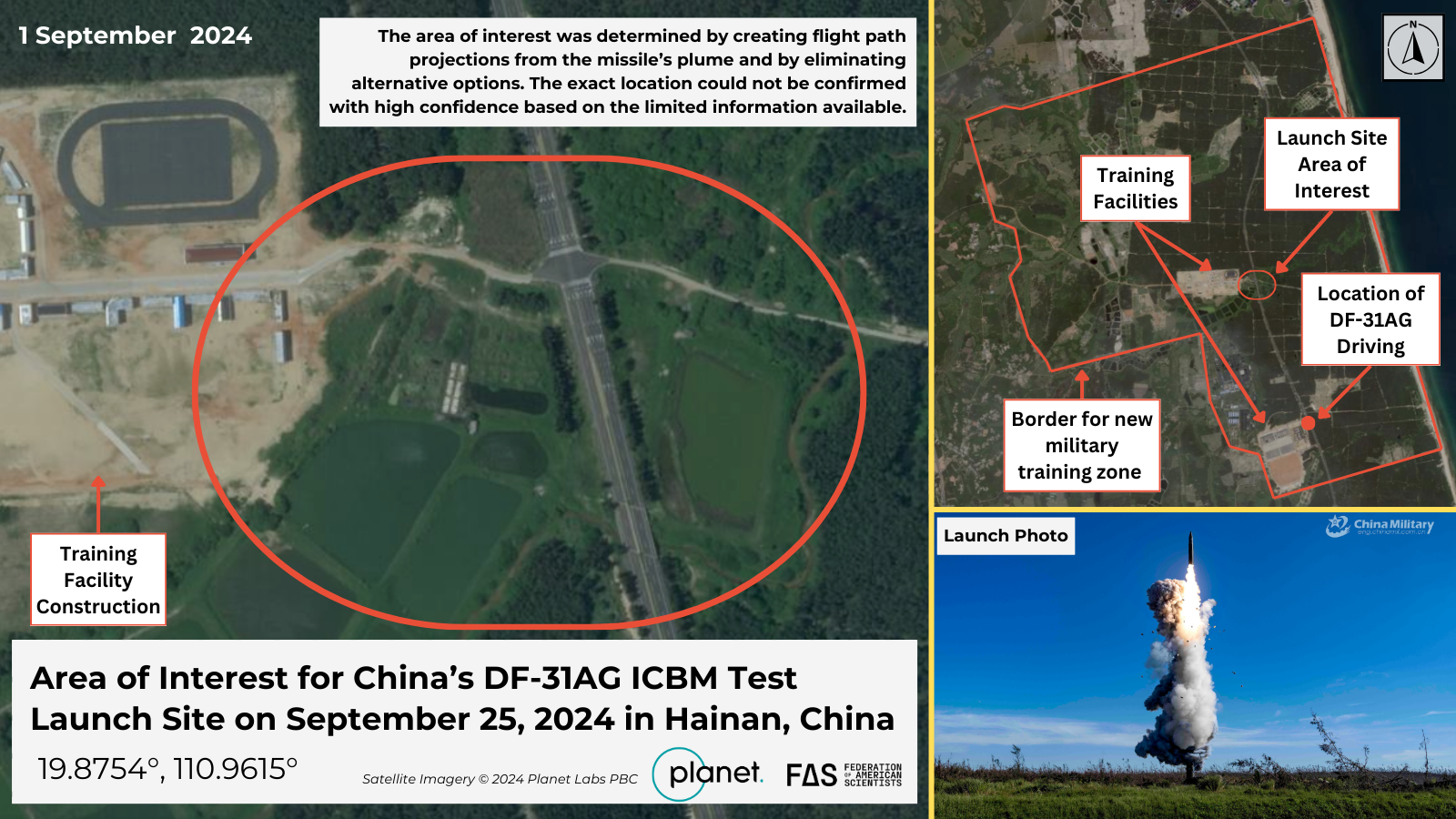
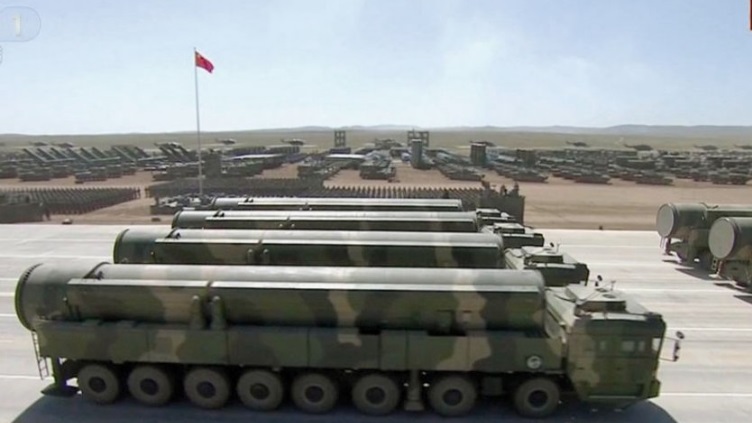
.Images circulated on Chinese social media shortly after the test showed a DF-31AG missile launcher driving on the island of Hainan. This road-mobile system adds a layer of flexibility to China’s nuclear deterrent, given its ability to be relocated before launch. Capable of striking vast distances, the DF-31 AG missile can target the continental United States.
.China test-fires an intercontinental ballistic missile into the Pacific Ocean.CHINA SO GREAT.
.
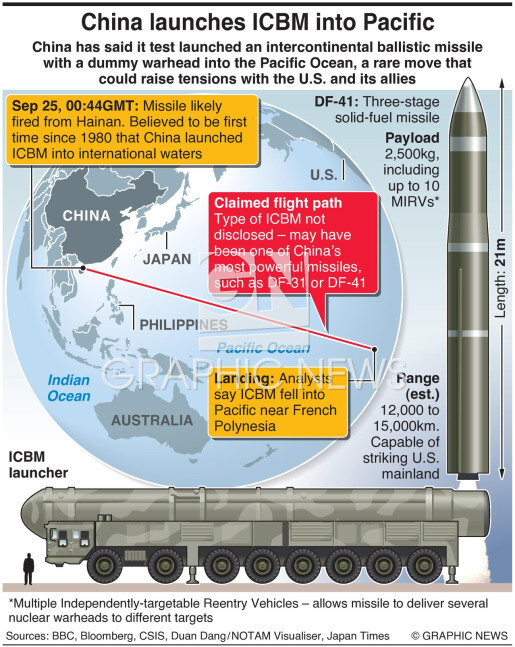
China test-fired an ICBM carrying a dummy warhead into the Pacific Ocean, the first such test since 1980.
China test-fired an intercontinental ballistic missile into the Pacific Ocean, raising security concerns amid regional tensions. The missile carried a dummy warhead and landed in a designated area. The launch was part of routine training and complied with international law. This rare test comes as China seeks to assert its global promi ..
.
.
China test-fires intercontinental ballistic missile into Pacific Ocean.
.China test-fired an intercontinental ballistic missile into the Pacific Ocean on Wednesday, stirring security concerns in the region already tense over Beijing’s territorial claims and rivalry with the U.S.
The ICBM carried a dummy warhead and fell into a designated area of the sea, the Defense Ministry said in a statement posted to social media.
The launch by the Peoples Liberation Armys Rocket Force was part of routine annual training, complied with international law and was not directed against any country or target, according to the statement.
It is unclear how often China conducts tests over such a distance. In 1980, China launched an ICBM into the South Pacific.
A map published in Chinese newspapers at the time showed the target area as roughly a circle in the center of a ring formed by the Solomon Islands, Nauru, the Gilbert Islands, Tuvalu, western Samoa, Fiji and the New Hebrides
.The U.S. and nongovernmental organizations have said China has been building up its missile silos, but it’s unclear how many missiles and nuclear warheads it has added to its arsenal.
The People’s Liberation Army, which functions as the ruling Communist Party’s military wing, runs China’s space program, which has established an orbital station and has ambitions to set up a moon base and land a spacecraft on Mars.
Rocketry has long been part of China’s development into a major global power, spurring nationalism and growth that has made China the world’s second-largest economy.
The U.S. remains China’s main global rival, although Japan, Taiwan, the Philippines and others have territorial disputes with Beijing that occasionally threaten to develop into military clashes..
China maintains a “no first use” of nuclear weapons policy, even as its desire for regional predominance grows.
Tests of China’s intercontinental ballistic missiles into international waters are rare. Experts and a historical survey of China’s program by the Washington-based Nuclear Threat Initiative suggest the last occurred in May 1980. That test saw China launch its DF-5 missile into the South Pacific.
China typically launches missiles toward its western deserts from its east coast, said James Acton, the co-director of the Nuclear Policy Program and a senior fellow at the Carnegie Endowment for International Peace. The fact that China launched a test that splashed down in international waters was unusual but mirrors testing that the United States does for its own ballistic missile fleet.
"When they haven’t done something for 44 years and then they do it, that’s significant,” Acton told The Associated Press. “It’s China’s way of telling us, ‘Like you, we’re not ashamed we have nuclear weapons and we’re going to behave like a great nuclear power.’”
.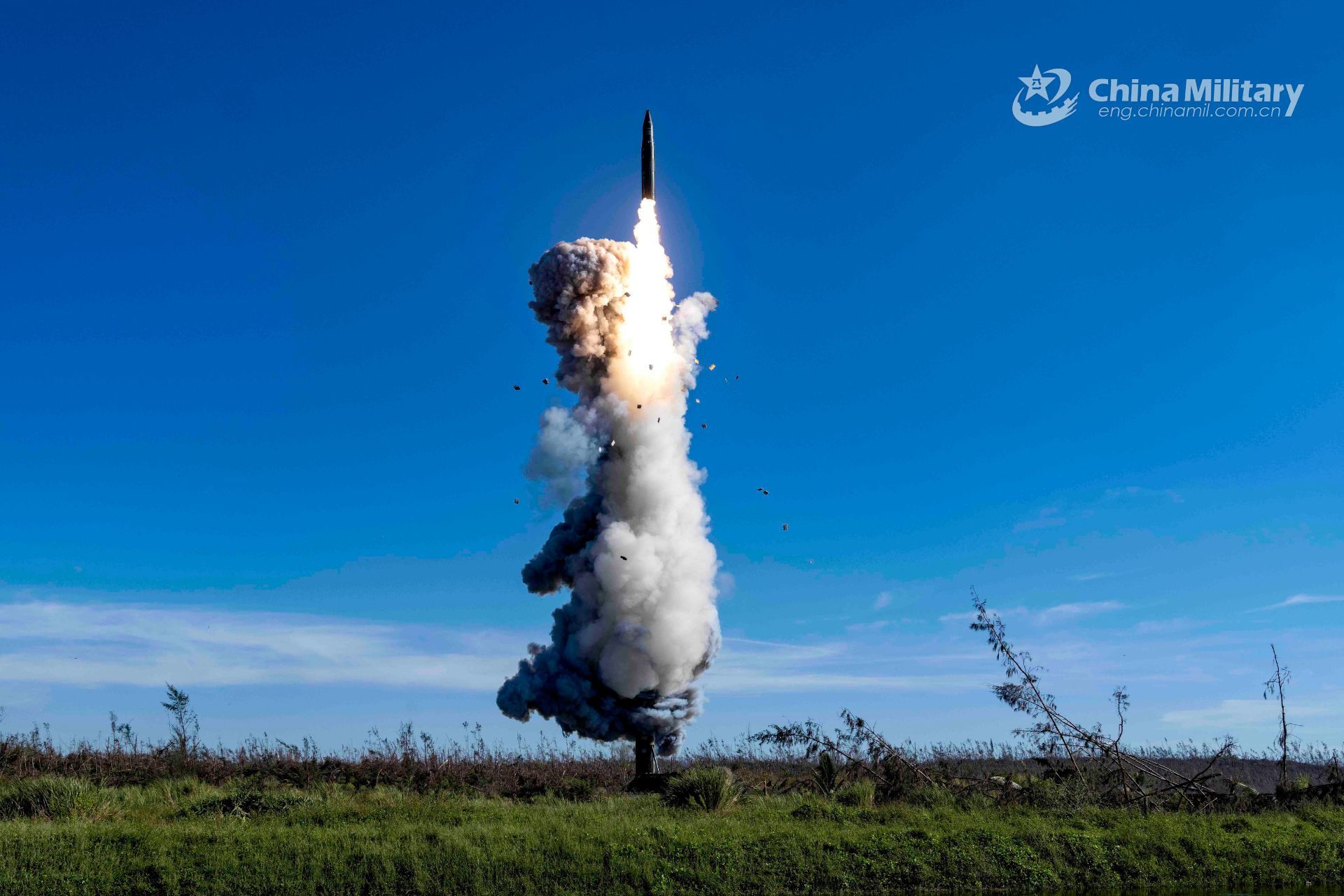
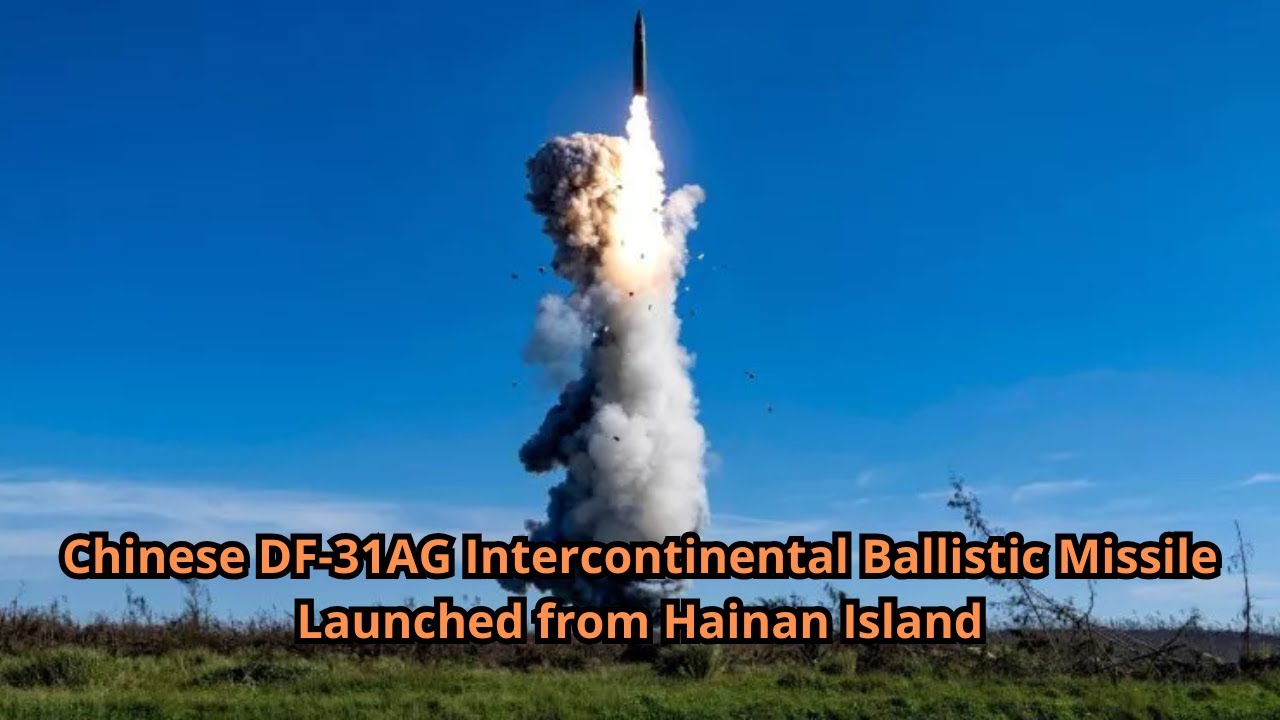
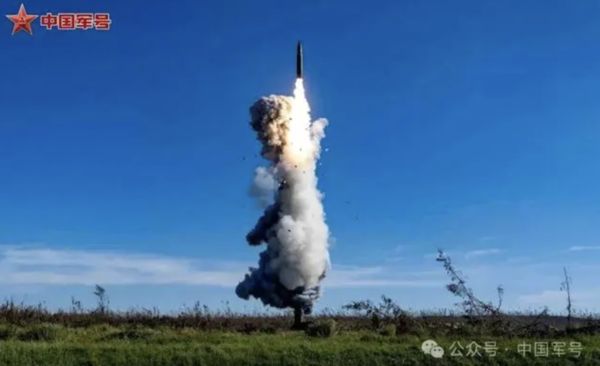
.An image of the DF-31AG launch was released by the Chinese Peoples Liberation Army on September 25, 2024.
Chinese DF-31AG Intercontinental Ballistic Missile Launched from Hainan Island.
On September 25, 2024, Chinas Ministry of National Defense announced that the Peoples
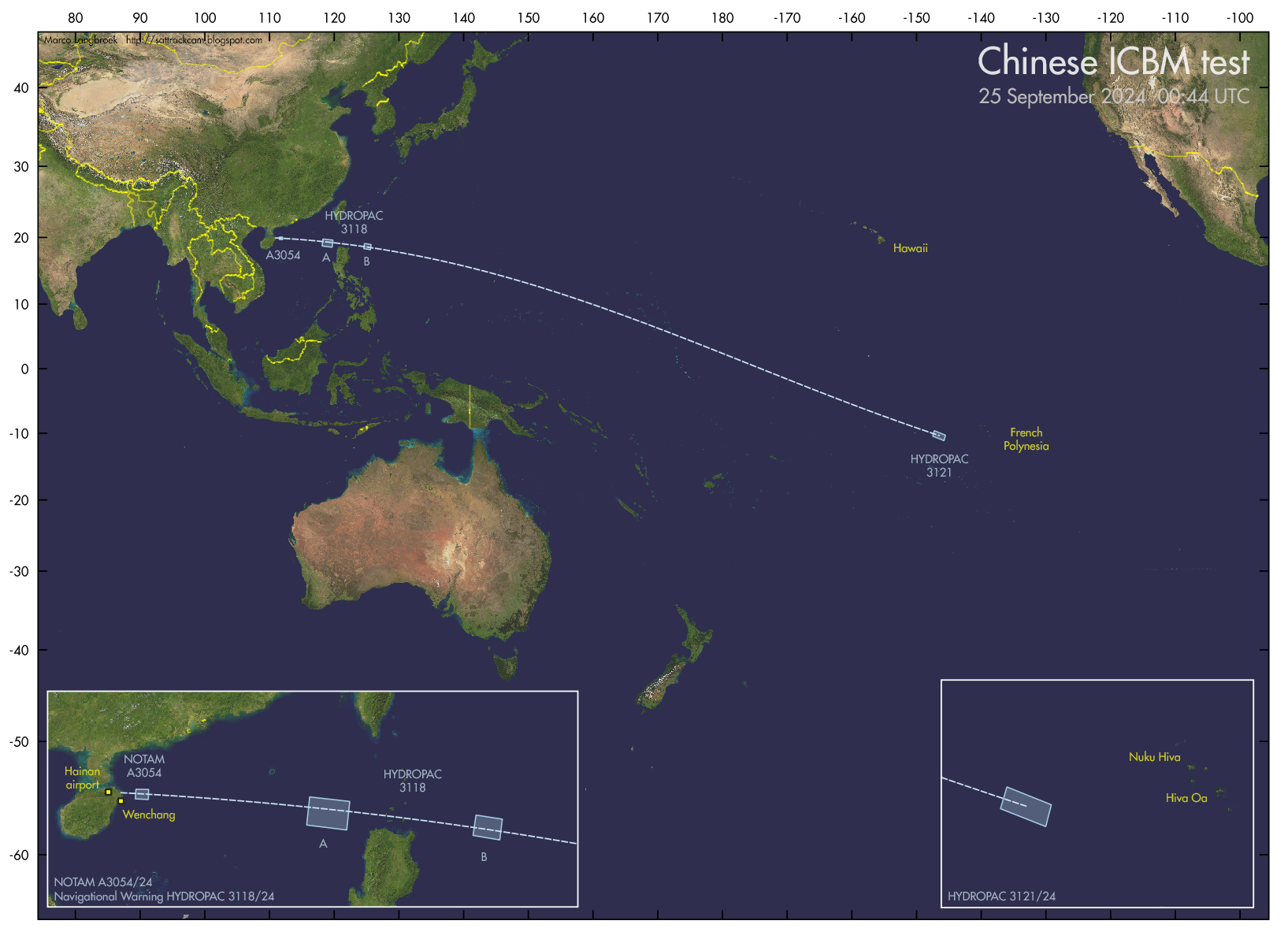
Liberation Army Rocket Force (PLARF) had conducted a test launch of an intercontinental ballistic missile (ICBM) into the South Pacific. This exercise, described as part of Chinas annual training plan, drew attention due to its unusual launch site: Hainan Island. The missile, a DF-31AG, traveled an estimated 11,700 km before landing in the Pacific, marking the first time since 1980 that China has targeted this area during an ICBM test.
The last such event involved a DF-5 missile launched from the Jiuquan Satellite Launch Center.
.
DF-31AG ICBM Can Reportedly Carry Multiple Warheads.
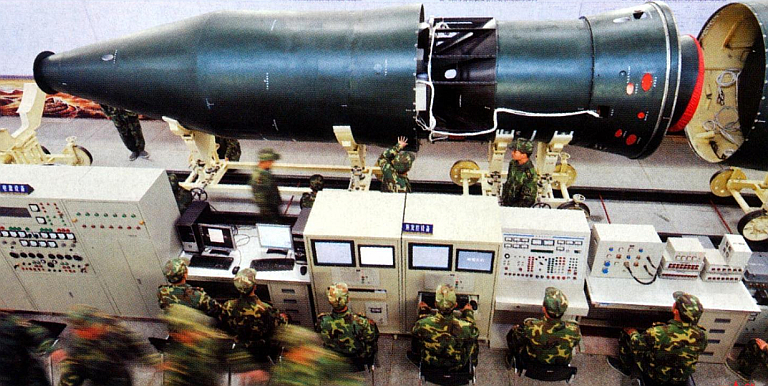
.While official Chinese sources have said almost nothing about the capabilities of the recently identified DF-31AG intercontinental ballistic missile (ICBM), Chinese state media have in recent days offered indications that it might be armed with multiple independently targetable re-entry vehicle (MIRV) warheads.
.On September 25, the Chinese military launched a Dongfeng-31AG (DF-31AG) intercontinental ballistic missile (ICBM) from Hainan Province, deploying a dummy warhead into the Pacific Ocean. The missile, reportedly operated by the 632nd Missile Brigade of the 63rd PLA Rocket Forces Base, has an estimated range of atleast 11,200 kilometers , making it capable of delivering a nuclear strike to most of the continental United States.
.
 Although China did not provide specific details regarding the exact launch site or the location of the warhead’s splash zone, civil aviation advisories indicated that the missile was fired from the southern island of Hainan. The warhead is believed to have landed in the Pacific Ocean, north of Tahiti in French Polynesia..
The DF-31AG is an advanced, longer-range version of the DF-31, China’s first solid-fuel, road-mobile ICBM. Likely transported by rail and then ferried by sea, the missile was moved from the Chinese mainland to Hainan via a cross-sea railway linking the island with Guangdong Province, which borders the South China Sea..
.
.中國20240924 向太平洋國際海域成功試射DF-31AG.ICBM .
中國舞劍,志在美國,東風洲際飛彈.
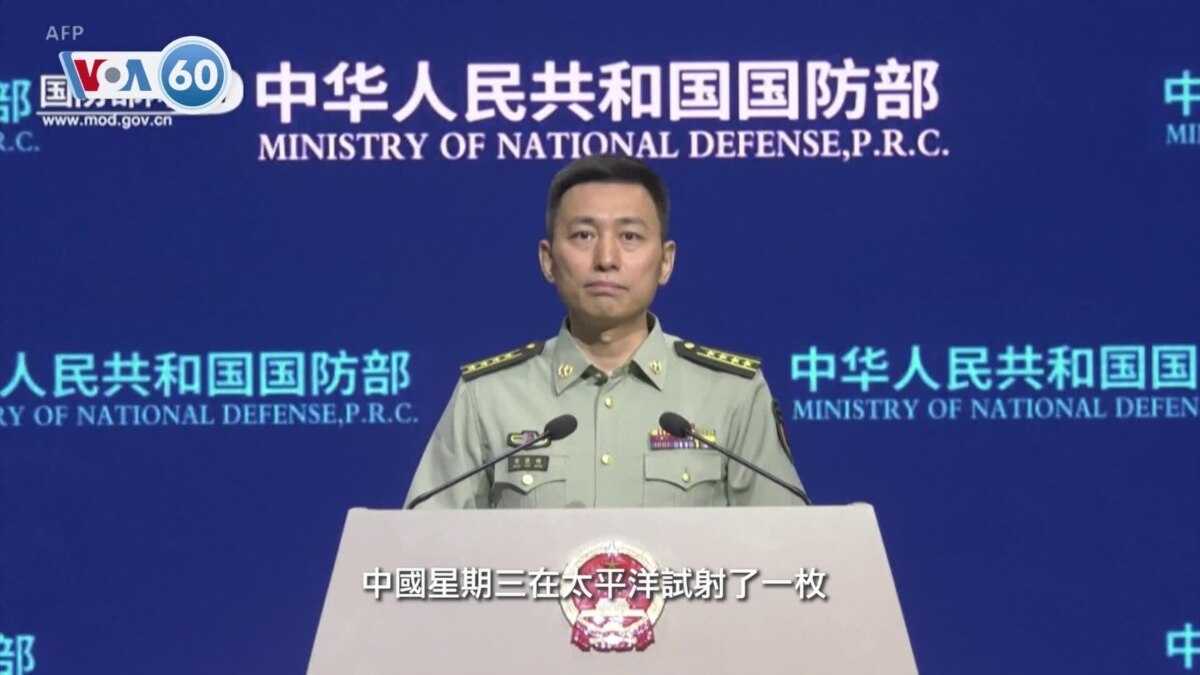
中國國防部發言人張曉剛說道,「向太平洋相關公海海域,成功發射1發攜載訓練模擬彈頭的洲際彈道導彈,準確落入預定海域。發射飛彈符合《國際法》和國際慣例,不針對任何特定國家和目標。
俄羅斯克里姆林宮發言人(Dmitry Peskov)表示,「這是中國的主權權利,中國從事軍事建設,我們尊重此點。」
.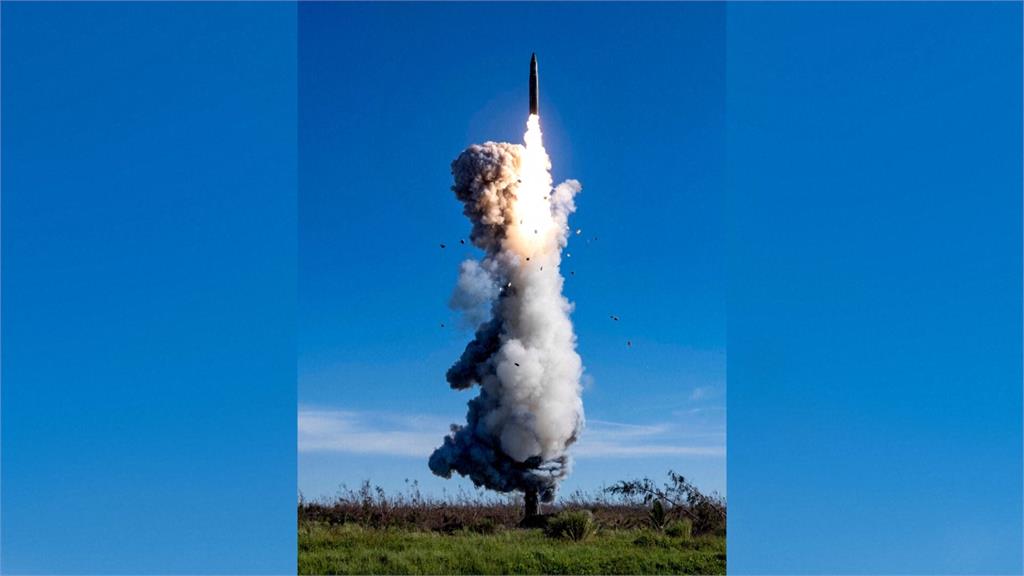
中國25日睽違44年再次朝太平洋公海海域,成功試射洲際飛彈,中國人民解放軍火箭軍,20240925日上午8時44分,向太平洋相關公海海域,成功發射一枚攜載訓練模擬彈頭的洲際彈道飛彈,落入太平洋。.
.這是中國罕見地朝太平洋等公海海域試射洲際彈道飛彈,由於射程達到美國夏威夷及本土,有分析師指出,解放軍此舉很不尋常,顯示隨著中國核武力量的發展及現代化,對試驗的要求可能也在提高。
國際軍事戰略觀察家認為,政治意義大於實際的軍事意義,換句話說就是警告美國切勿輕舉妄動,否則自負後果,因為中國真的是強勢崛起,尤其是國防軍事力量,某些項目已經超越美國,領先美國.
.
.
.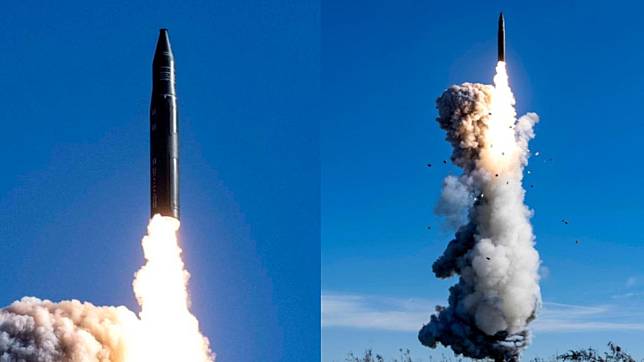
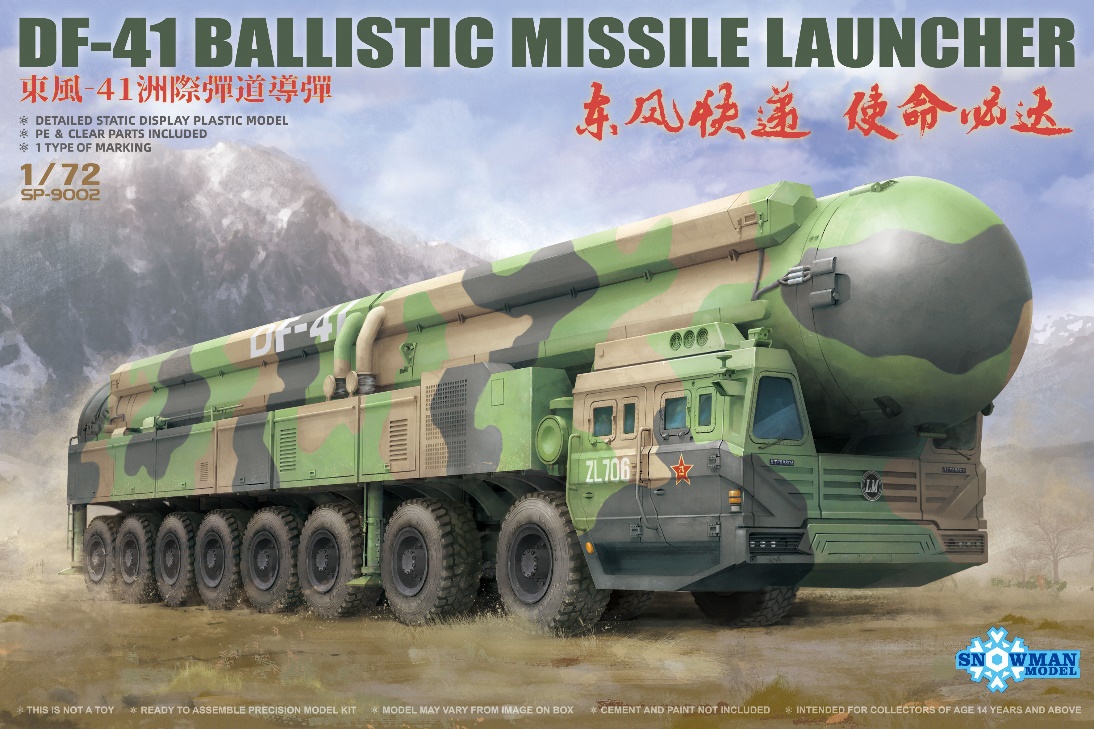
美國軍事情報分析認為是DF-41 ICBM,可以攜帶10 枚核子彈頭分散式攻擊美國境內,屬於超高因速變軌道,美國目前的反彈道飛彈系統,無法追蹤攔劫摧毀,因此美國加速研究發展反彈道飛彈系統,企圖阻擋中國的洲際飛彈,除此之外美國及西方國家的戰略學者專家分析,此次事隔44年之久,中國以洲際飛彈射向太平洋,警告美國就是切勿輕舉妄動的攻擊中國,更重要的是美國無法確定初中國DF-41 ICBM.的發射場地的座標位置,換句話說美國的軍事偵測衛星失去監測的功能,完全無法事先得知,中國的火箭軍向太平洋的國際水域試射DF-41.ICBM.,
中國同時警告美國不要利用周邊國家(日本,南韓 菲律賓,越南).甚至於鼓動台灣主動攻擊中國,挑起海峽兩岸的戰爭,引進美國的軍事介入,全面開啟第2戰場,以利美國救援以色列,避開第六次中東戰爭,除此之外俄烏戰爭北約軍事情報得知有中國軍事武器出現輕型裝甲突擊車,出現烏克蘭東部戰場?
中國反映不是由中國提供該型戰爭車輛,由第3國購買轉,讓給予車臣共和國的軍隊使用,與中國毫無關係,請問烏克蘭戰場使用,皆是美國及北約的軍事武器,又有什麼不同?
中國國防部表示,這次發射是火箭軍年度軍事訓練例行性安排,不針對任何國家或目標。中國亦不是美國與蘇聯簽署停止發展核子武器尤其甚者是可以攜帶核彈頭的洲際飛彈.
.
 .
.
. .
.
. ..
..
美國至今無法偵測出中國20240925. 向太平洋成功試射擊DFG-31AG.ICBM.的確實位置與座標參數,由此看來中國已經成功的利用量子衛星的特別功能,幈避了美國軍事衛星的偵測,換句話說就是弄瞎瞭美國人的眼睛與耳,讓美國永遠不知道中國在玩弄美國,出奇不易的快,狠,準,的攻美國,僅需1枚舉DF-31.AG.的洲際飛彈 (有10枚分彈頭具有核彈頭) 將美國一舉殲滅.讓美國人死的不明白為什麼?..
.
.
China says it successfully fired an intercontinental ballistic missile into the Pacific Ocean on Wednesday, a rare public test that analysts said was meant to send a message to the United States and its allies amid heightened regional tensions. An ICBM carrying a dummy warhead was launched at 8:44 a.m..
China fires ICBM into Pacific Ocean in first such public test in decades as regional tensions flare.
.Russia conduct joint naval exercises in nearby seas close to Japan.
The launch “effectively tested the performance of weapons and equipment as well as the training level of the troops, and achieved the expected objectives,” state news agency Xinhua said in a separate report, adding that China had “notified relevant countries in advance” of the test.
A Pentagon spokesperson said the US received “some advanced notification” of the test from Beijing, calling it “a step in the right direction … to preventing any misperception or miscalculation.”
Wednesday’s launch marks the first time China has tested an ICBM over the Pacific Ocean in more than four decades.
In 1980, China test-fired its first ICBM, the DF-5, into the South Pacific from the Jiuquan Satellite Launch Center in the country’s northwest, traversing a distance of more than 8,000 kilometers (5,000 miles).
China has quietly conducted more ICBM tests since then, mostly over its own territory, with many landing in the deserts of the far western region of Xinjiang.
In December 2013, a Chinese defense ministry spokesperson was asked at a regular news conference about an ICBM test launched from a submarine in the Bohai Sea, an inland sea off China’s northeast coast.
“It is normal for China to conduct scientific research experiments within its territory according to plan,” the spokesperson replied.
China’s defense ministry and state media offered little details about the test on Wednesday, including the type of ICBM launched. The country’s latest ICBM, known to be the DF-41, is estimated to have a range of 12,000 to 15,000 kilometers (7,400 to 9,300 miles) and is capable of reaching the US mainland.
Beijing’s test was a message to Washington that “direct intervention in a conflict across the Taiwan Strait would involve the American homeland being vulnerable to attack,” said Leif-Eric Easley, a professor of international studies at Ewha University in Seoul.
Related article World’s nuclear powers strengthening arsenals as geopolitical tensions grow, report finds
“To US allies in Asia, China’s provocative test, conducted during its expansive regional military exercises, demonstrates its capabilities to fight on multiple fronts simultaneously,” he added.
Drew Thompson, a senior fellow at the S. Rajaratnam School of International Studies (RSIS) at Singapore’s Nanyang Technological University, said the timing of the public test was potentially significant.
“China launches a lot of missiles. They don’t announce a lot of them. It’s interesting that they would choose now,” he said.
The public test comes as China adopts an increasingly assertive stance in the region.
Over the past weeks, Japan has strongly protested incursions by Chinese and Russian military aircraft into its airspace; Chinese and Philippine vessels have engaged in multiple collisions near a dangerous new flashpoint; and Taiwan says China has recently been conducting intensive missile firing and other military drills near the self-ruled island.
“This is quite a statement to launch a ballistic missile into the Pacific at this time when China is in conflict with many of its neighbors,” Thompson said. “This launch is a powerful signal intended to intimidate everyone.”
Another key question is which countries China notified in advance of the launch, Thompson said.
Related article China has more ICBM launchers than US, senior general tells lawmakers
“There’s a long-standing global norm of notifying countries when certain long-range ballistic missiles are launched to prevent the risk of miscalculation,” he said. “China is not party to any agreement other than a bilateral agreement with Russia.”
Japan’s Chief Cabinet Secretary Yoshimasa Hayashi told reporters Wednesday that Tokyo was not notified by Beijing before the launch of the missile, which did not cross Japanese airspace.
The Japan Coast Guard told CNN it was told by China on Monday that “space debris” would fall into three areas – two locations off the Philippine island of Luzon and another in the South Pacific – between 6 a.m. and 12 p.m. on Wednesday.
During the Cold War, the US and the Soviet Union agreed to notify each other of ballistic missile launches extending beyond their territories, and expanded on that in 2000.
In 2009, China and Russia signed an agreement to notify each other of impending ballistic missile launches. The two sides extended the pact by another decade after it expired in 2020.
Under leader Xi Jinping, China has bolstered its nuclear capabilities and revamped the PLA’s Rocket Force, an elite branch overseeing the country’s fast-expanding arsenal of nuclear and ballistic missiles.
In the past few years, satellite photos have shown the construction of what appears to be hundreds of silos for ICBMs in China’s deserts, and the US Defense Department is predicting exponential growth in the number of nuclear warheads in Beijing’s arsenal in the next decade.
China held more than 500 operational nuclear warheads as of 2023 and will probably have over 1,000 warheads by 2030, the Pentagon said in its annual report on Beijing’s military last year.
The PLA’s Rocket Force was roiled by a sweeping corruption crackdown last year that saw a string of senior generals purged.
By conducting the high-profile ICBM test, “Beijing may be attempting to show that recent corruption scandals have not diminished the military’s readiness or reach,” said Easley at Ewha University.
.
 .
.

 .
.