 .
.
.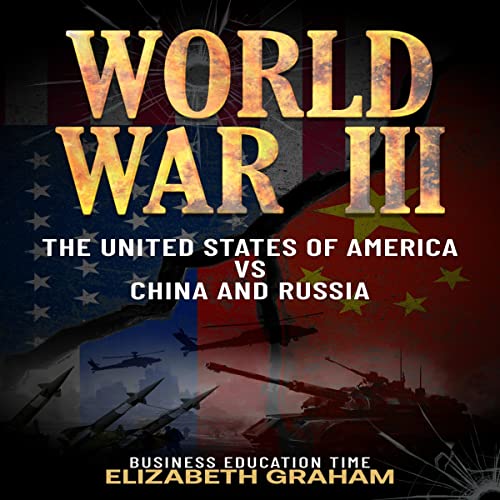
Henry Kissinger explains how to avoid World War III..
Henry Kissinger, War Criminal—Still at Large at 100.
At 100, Henry Kissinger still seen as influential ‘old friend’ in China despite ‘complicated’ legacy in US
- The new centenarian, famous for his groundbreaking secret trip to China in 1971, is now worried about a confrontation between superpowers
- Observers say the statesman’s continued popularity in Beijing underscores importance attached to ties with Washington in spite of geopolitical rivalry..
- .HK.LOOKING AHEAD ALWAYSE.FOREVER.

 .
.
- 當一般人大肆鼓吹第3次世界大戰爆發,HK.卻發文指出如何避免第3次世界大戰,讀者們見仁見智,請理性回覆謝謝,
- 為尊重HK.原文創作,筆者未被授權,無法翻譯成為中文,敬請讀者們,見諒,
- 謝謝..
- 除此之外本文許多照片,檔案,取材自HK.的回憶錄自傳(草稿),
- 特殊管道取得,敬請各位讀者們,轉載,纈取,註明出處.謝謝合作.
. .
.
.
 .
.
 .
.
.毛澤東耳提面命,要求HK.謹慎處理中國美國及蘇聯的3角關係, 其結果達成卻令蘇聯不滿..
 .
.
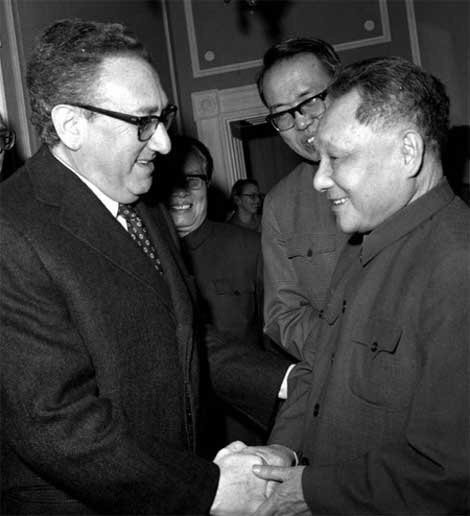
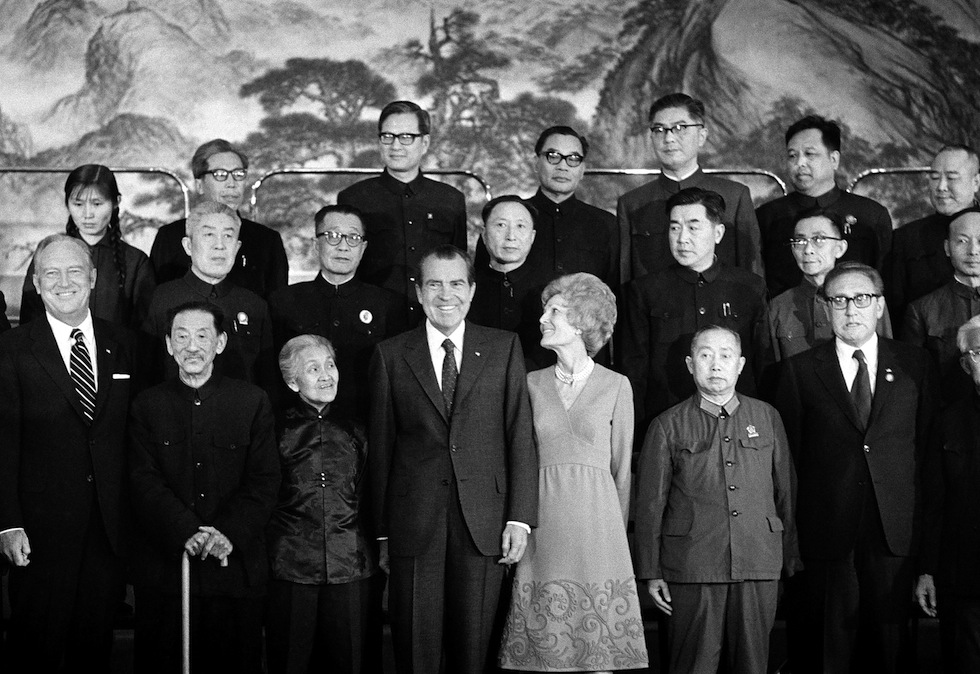
HK.有虛心接受毛澤東的建言.是難能可貴的歷史事件,中美建交這段歷史太富有戲劇性,即使已有大量公開史料,基辛格作為其中的關鍵人物,其親述還是很有吸引力的。1972年2月美國總統尼克松訪華,中美關係開始恢復,這是冷戰時期改變世界格局的大膽舉動,而在這之前,1971.美國國家安全顧問基辛格秘密訪問北京(傳聞由巴基斯坦與以色列,中國的特務人員精心為HK策劃安排,自巴基斯坦乘座專機,秘密飛抵中國北京石家莊軍方機場的),其情節更如間諜片一般。基辛格的回憶自然有許多外人不知的細節,但是更有價值的,其實是他對1960-1970年代美國外交政策走向的分析,回顧當時東西方你死我活般意識形態上的對峙,如何逐漸讓位給地緣政治的權衡,過去的敵人如何成為盟友。總而言之本書列為國際關係政治外交必須研習的經典之作...

 .
.
.
 .
.
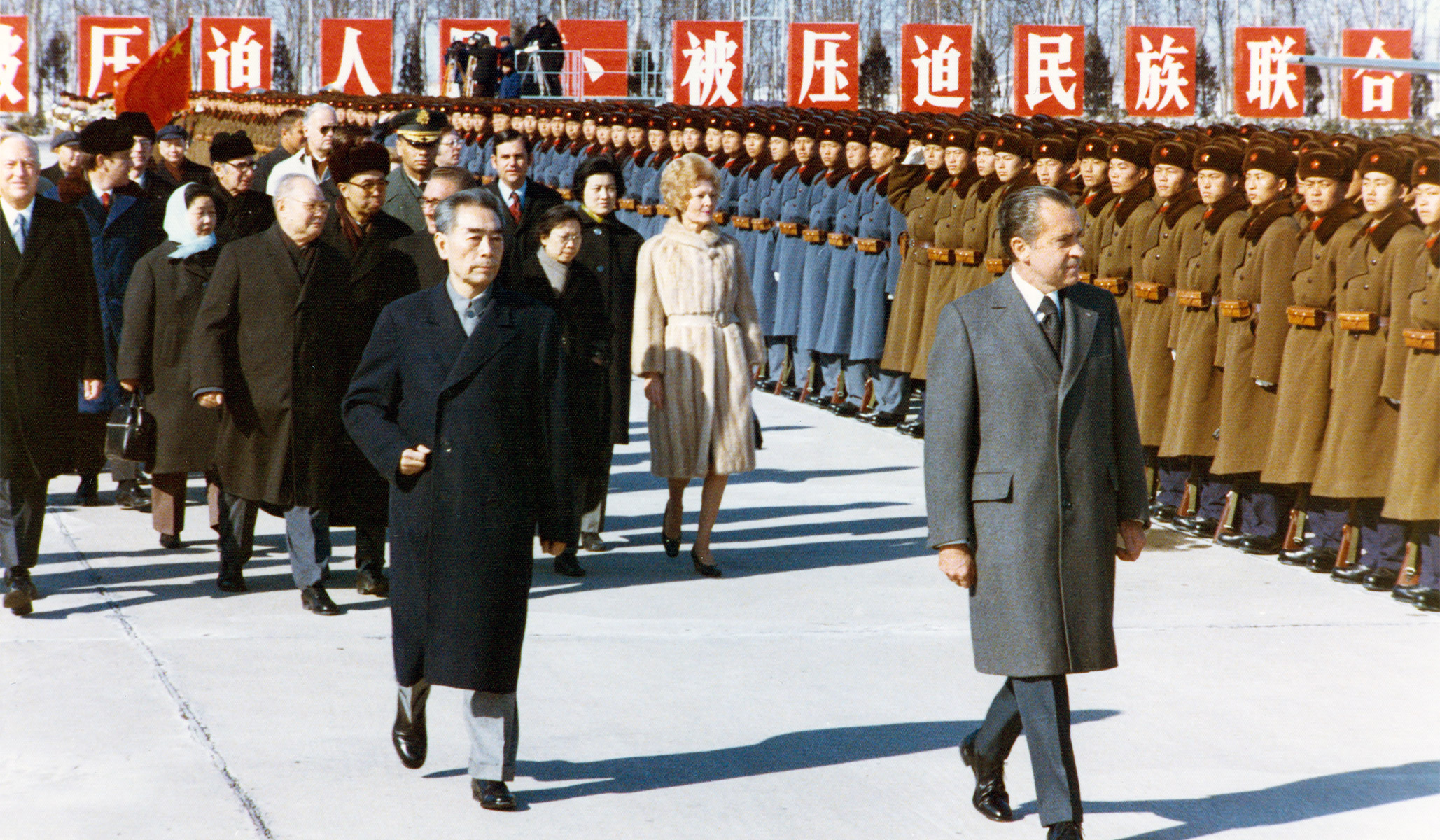
 1971年7月美國國家安全顧問基辛格秘密訪問北京,1972年2月美國總統尼克松正式訪問中國,讓當時世界兩大陣營(USA & USSR.)都大為震驚,基辛格訪華的安排事先高度保密,中美兩國在這之前斷絕關係20年,兩國高層是如何搭上線的?許多人把“乒乓外交”,.
即1971年4月中美乒乓球隊在日本的邂逅,當作兩國恢復交往的起點。其實在這之前的幾年間,中美高層不僅頻頻發出信號相互試探,而且已經在最高層建立了聯繫,“乒乓外交”的作用是讓雙方步伐加快,再無回頭的可能。
.
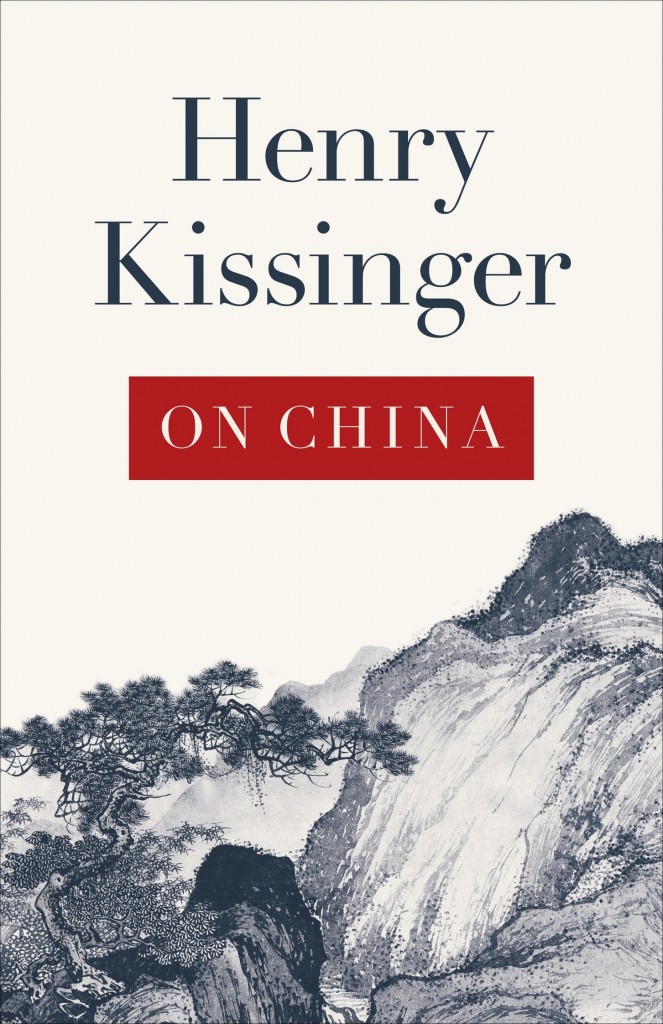
 .基辛格在他剛出版的新書《論中國》(On China)中,以當事人的身份,對中美之間相互試探的過程有著詳細的描述。1968年贏得大選的尼克松,雖然在意識形態上一直是反共的,但他相信地緣政治的作用,認為幫助中國對抗蘇聯有利於鞏固美國的戰略地位。在1969年1月總統就職演講中,他含蓄地提出了尋求一個“開放”而非“孤立”的世界的願望。當時中美之間唯一的政府接觸是在華沙舉行的不定期大使級會晤,不僅斷斷續續,而且級別太低,參加會晤的美國外交官無法領會總統的真實意圖。於是尼克松另闢蹊徑,在1970年訪問巴基斯坦和羅馬尼亞時向兩國領導人表達了尋求與中國溝通途徑的願望,基辛格則試圖通過法國外交官來接觸中國駐法國大使黃鎮。中國方面則先是通過挪威和阿富汗,後來還是選擇了巴基斯坦和羅馬尼亞,以色列(美籍猶太人)為中間聯絡人。事實證明出美國猶太人的商業集團,在中美正式建交後,進入中國市場賺大錢20餘年(享有最惠國待遇).直到2000年中國加入WTO.為止.HK.與猶太人關係不尋常..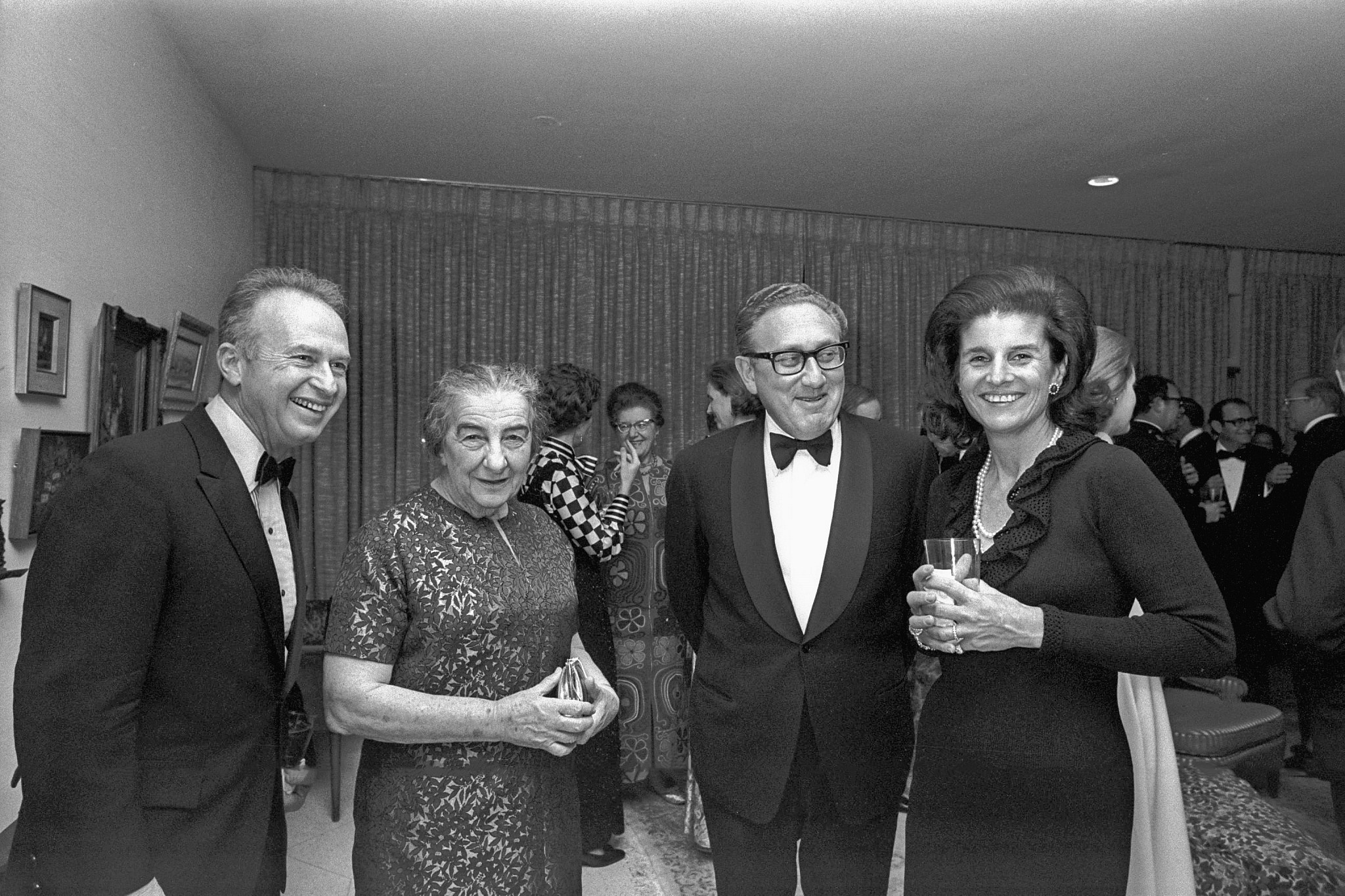
 ...
...
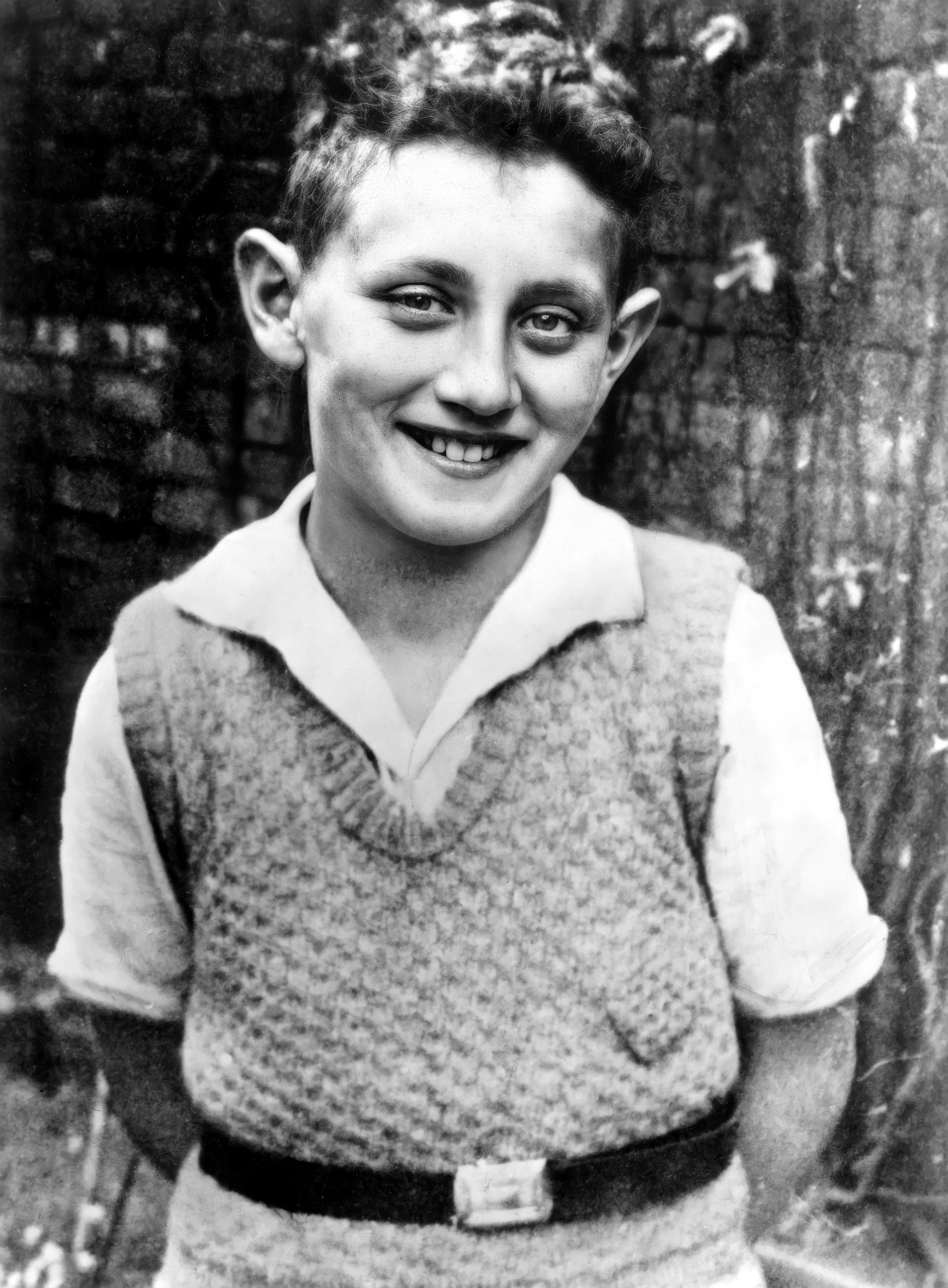
.HK.稱霸國際政治舞台已然70餘年,儘管目前沒有任何公職在身,但是他的言談之間,扔然可以左右國際時局,尤其是中國,美國,俄羅斯大國之間的搏奕,無論是政治,外交,經濟,甚至於國防軍事都將HK.的言論列入重要參考指標,自從1970年代以來HK.前後已達100 餘次訪問中國,給予中國領導人階層,面授機宜,如何處理國際間的重大事件,以及面對危機時的反應措施政策導致於美國政壇許多人士不諒解HK.批評其的所作所為認為他有難以割捨的"中國情節",HK.他是猶太人的後裔,HK.曾經描述他幼年時,如何跟隨家人自德國納粹黨的的魔掌,舉家逃亡到美國定居,HK.瞭解到戰爭的恐怖與可怕,以及戰爭後諸多的後遺症,是無法彌補極治癒的惡夢,傳聞第二次世界大戰期間滯留於中國上海的許多猶太人,受到中國政府及民間人士迪保護與救濟,免於日本政府及軍方的追捕殺害以及搶奪猶太人的資產,其中就有許多猶太人是HK.的族人及親戚朋友,因此HK.便立志感恩中國及中國人為拯救猶太人所做的一切,儘管這是事實,但從HK.的一生中皆為中國及中國人奔走奮鬥,HK.極力的協助中國,這是確定的事實,...
. .
.

 .
.

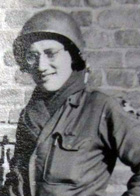
Henry Kissinger (1923-).Sergeant: United States Army



 ..
..
.HK.從未批評中國及毛澤東.思想及意識型態,這樣一來顯示出,HK.巧妙的運用如魚得水,從容的遊走中國,將近50 餘年.至今無人出其右望其項背.
This Week in China’s History: July 9, 1971
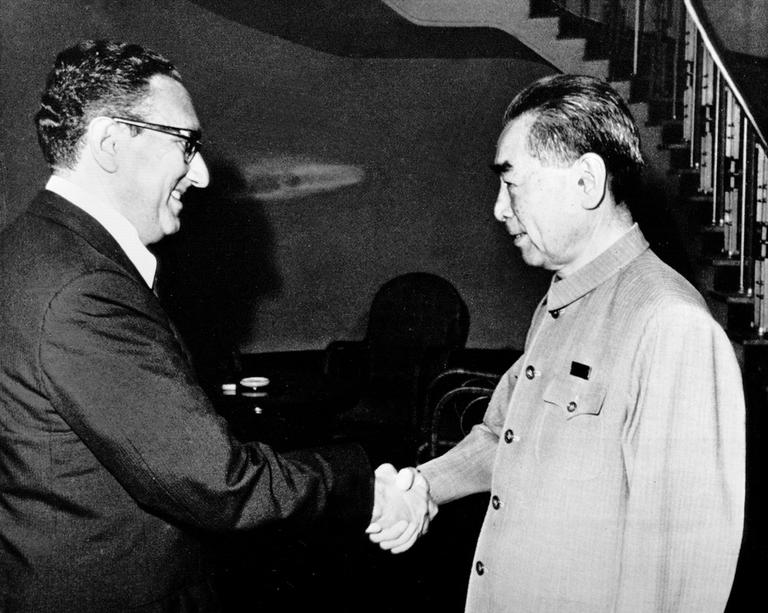
A principal adviser to the president of the United States, traveling abroad on a fact-finding mission overseas, falls ill, suddenly and unexpectedly, in the midst of a state dinner. Exhaustion and an unfamiliar diet is blamed. To recuperate, his hosts take him by motorcade to a remote villa in the hills, far from the city’s heat and from the relentlessly inquisitive press accompanying the mission. Two days later, the envoy emerges, well enough to continue his itinerary.
This is what was said to have happened in Pakistan on July 9 to 11, 1971. But that is not what happened, as was revealed soon after. The truth is, that envoy took a detour that changed the direction of many histories profoundly..
Kissinger’s secret trip in 1971 that paved the way for U.S.-China relations
20230457.是他百歲誕辰,他接受,英國FINANCIAL REVIEW.專訪刊登出,
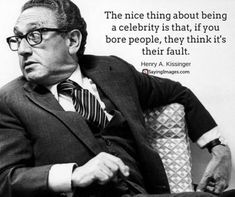
.Henry Kissinger explains how to avoid World War III..專文,彷彿是在告誡世人,如何避免第3次世界大戰,尤其是警告美國及西方國家的極端好戰的政黨人士與資本家,千萬不要與中國為敵,爆發戰爭,否則後果不堪設想,除了兩敗俱傷,甚至於毀滅性的害死全人類,因為第3次世界大戰,最終就是使用核子武器彼此攻擊,如此一來,HK.就又得罪於許多的既得利益者的利益,批判HK.是欺世盜名的偽君子,例如2022爆發的俄烏戰爭,HK.前後分別訪問俄羅斯及歐盟領導人,轉告烏克蘭接受事實,即早和平談判,結束戰爭,讓逃亡歐洲各國的烏克蘭老百姓,重返家園重建烏克蘭,可惜的是烏克蘭總統小司機,早已被美國歐盟的好戰份子,威脅利誘綁架,導致於俄烏戰事至今扔然是持續的作戰中進行式總而言之HK.的成就至今無人出其右.傳聞他早已告誡他的徒弟們,千萬不要跟隨他的腳步,掉落國際政治外交的泫渦中,因為國際時局千變萬化,錯綜複雜,不同於HK.的時代,有人引述聖經中的一段話,敘述HK.甚至於諷刺性的說出,這樣一來HK.的墓碑上所雕刻的可能性就是":傳聞HK.聽候卻是沉默不語彷彿他以默認同意? 20230718-20.這樣一來HK.可能性的最後1次訪問中國要成為絕響?...
.
 .
.
.HK.警告世人切莫激起中美戰爭,而引發第3次世界大戰.
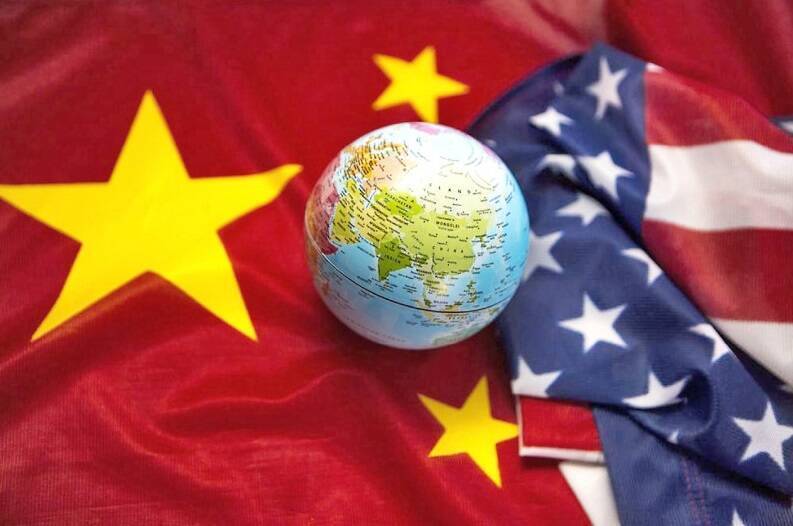
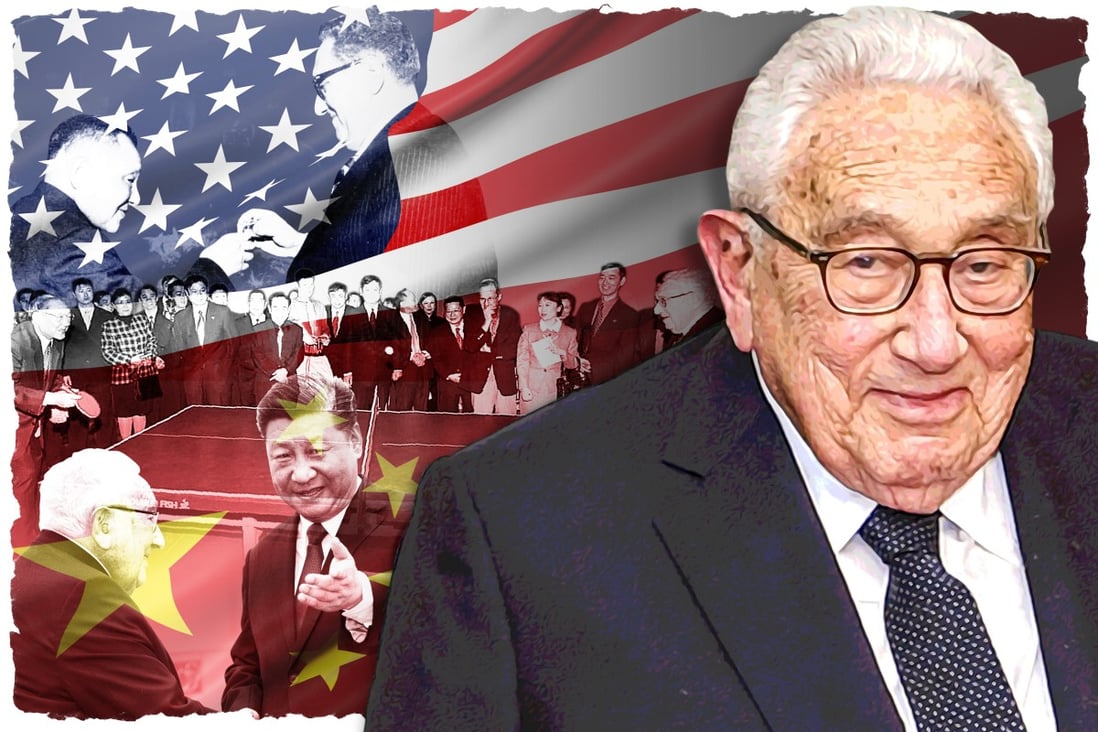
季辛吉最重大成就之一,是他在美國與中華人民共和國之間建立了正常的外交關係, 但從另外一個角度來看, 則是破壞了美國與中華民國之間的堅實邦交。在20世紀70年代,中美兩國關係緊張,季辛吉藉著密秘訪問中國而與中國領導人對話,推動了兩國關係的改善。這對於國際政治格局的演變具有重大意義,並為後來的中美關係打下了基礎。季辛吉對中國有著深入洞察力與理解,他認識到中國在世界事務中的重要地位,並且主張對中國進行建設性的合作,努力為美中關係的發展開辟了新道路, 但是強調”讓美國再次偉大”的川普與拜登政府現在的外交政策作為卻與季辛吉背道而馳, 而垂垂老矣的季辛吉已經沒有政治威望以及發言權了。HK.曾經數度論及台灣議題,但是始終尊重一個中國政策,是無異議的,畢竟這是他與毛澤東共同的的信仰與彼此的信任.
季辛吉的外交政策被一些人批評為過於現實主義和缺乏道德考慮, 他對於越戰和其他一些國際衝突中的角色,也存在許多爭議和分歧意見, 引發了人們對於他在權力和倫理之間平衡的思考, 不過在他的百歲生日之時,我們應對他生平的政治外交成就表達尊崇與敬佩之意!.
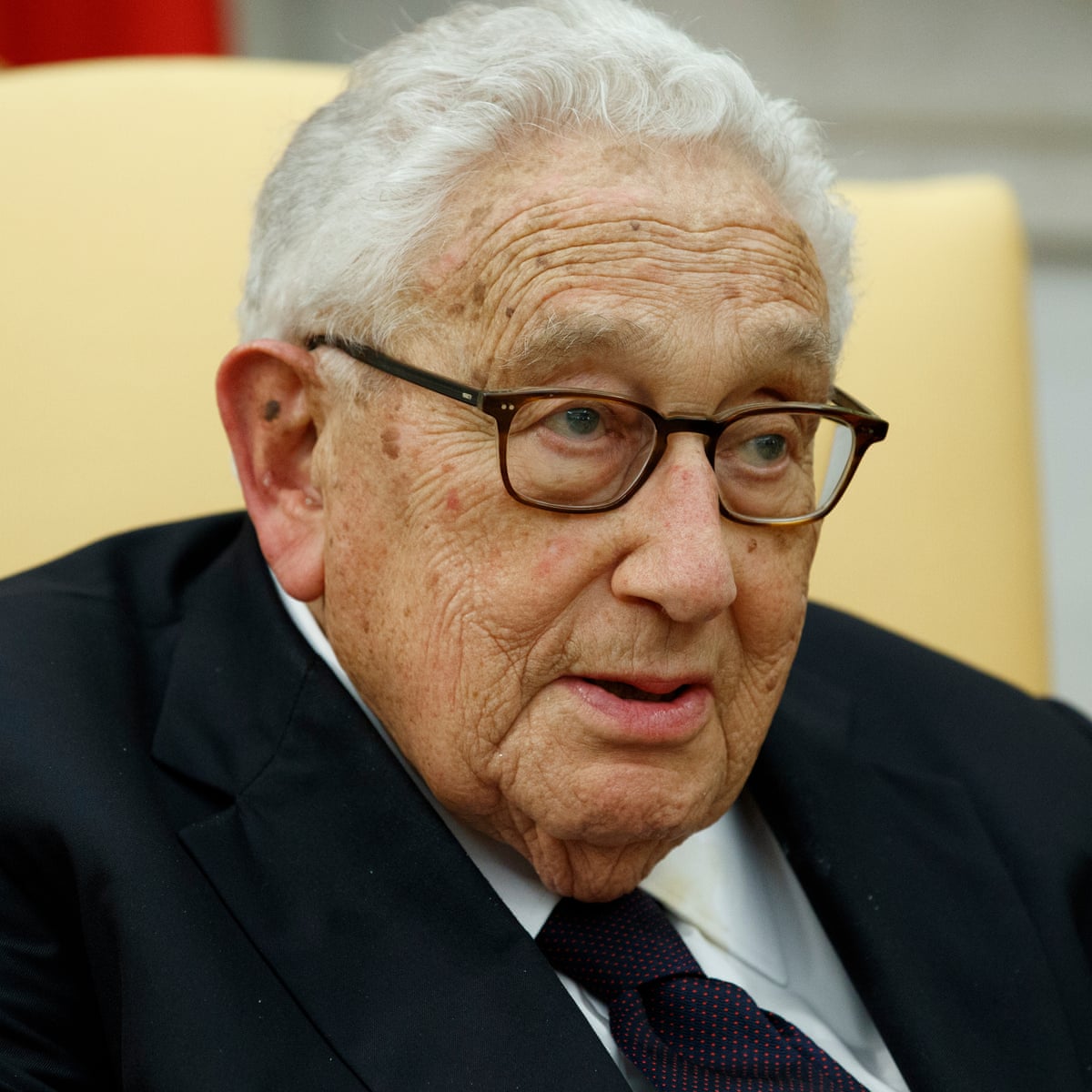
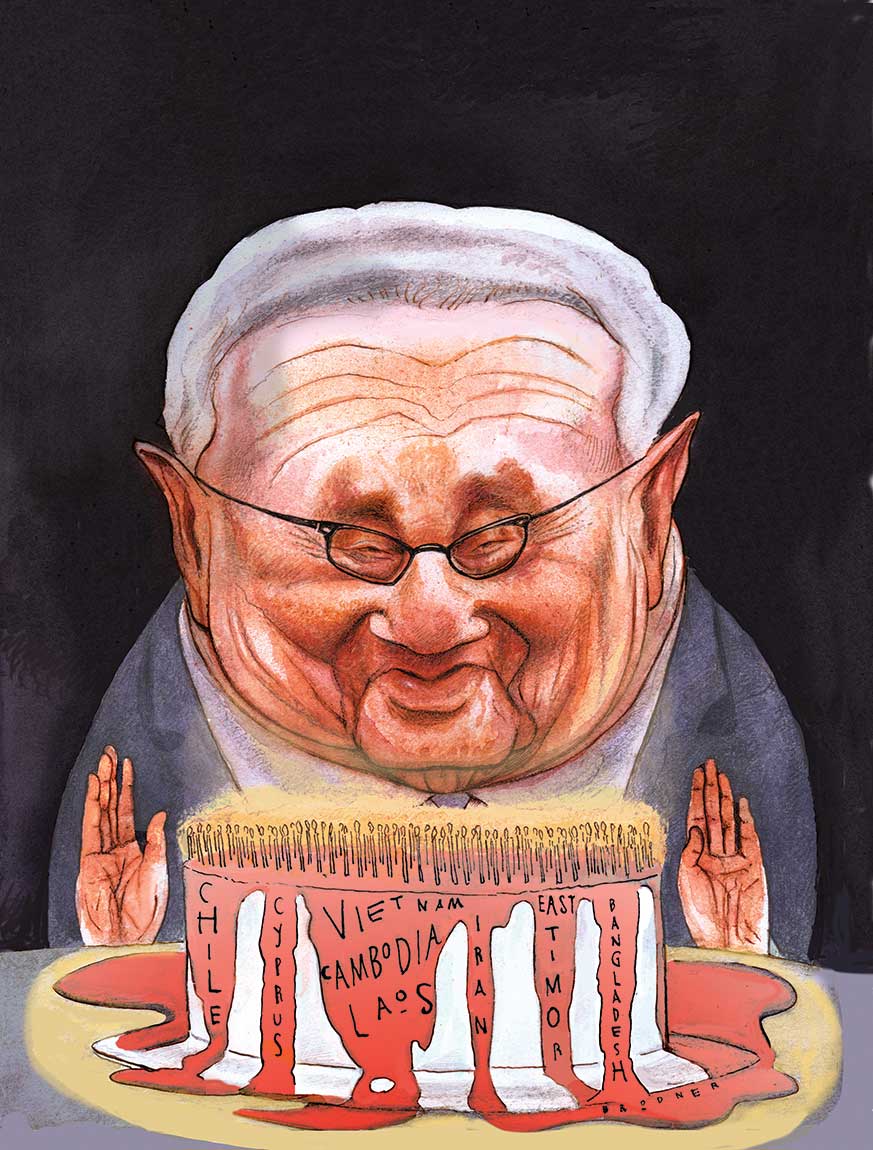
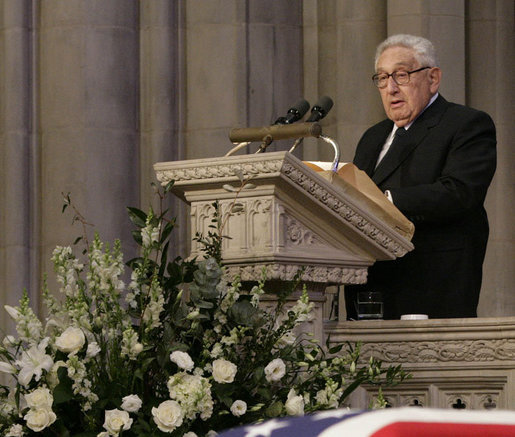
On May 27 Kissinger will turn 100. Nobody alive has more experience of international affairs, first as a scholar of 19th-century diplomacy, later as America’s national security adviser and secretary of state, and for the past 46 years as a consultant and emissary to monarchs, presidents and prime ministers. Kissinger is worried. “Both sides have convinced themselves that the other represents a strategic danger,” he says. “We are on the path to great-power confrontation.”
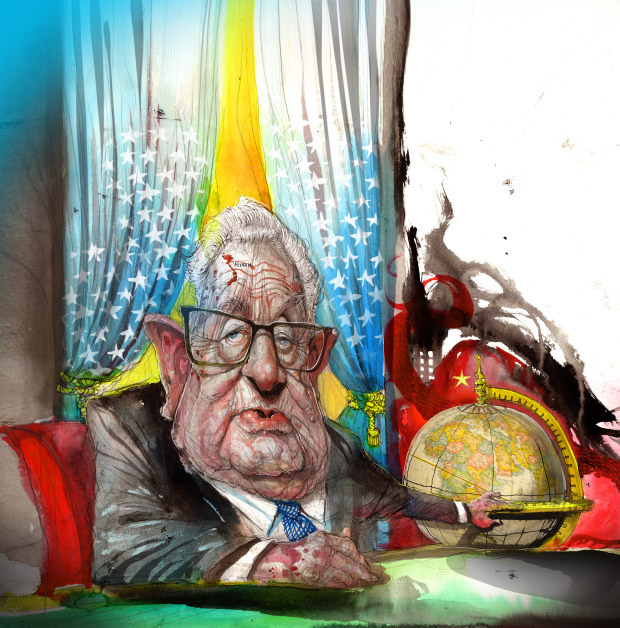
“It was certainly a catastrophic mistake of judgment by Putin at the end,” he says. But the West is not without blame. “I thought that the decision to…leave open the membership of Ukraine in NATO was very wrong.” David Rowe
At the end of April The Economist spoke to Kissinger for over eight hours about how to prevent the contest between China and America from descending into war. These days he is stooped and walks with difficulty, but his mind is needle-sharp. As he contemplates his next two books, on artificial intelligence (AI) and the nature of alliances, he remains more interested in looking forward than raking over the past.
Kissinger is alarmed by China’s and America’s intensifying competition for technological and economic pre-eminence. Even as Russia tumbles into China’s orbit and war overshadows Europe’s eastern flank, he fears that AI is about to supercharge the Sino-American rivalry. Around the world, the balance of power and the technological basis of warfare are shifting so fast and in so many ways that countries lack any settled principle on which they can establish order. If they cannot find one, they may resort to force. “We’re in the classic pre-world war one situation,” he says, “where neither side has much margin of political concession and in which any disturbance of the equilibrium can lead to catastrophic consequences.”
..
Study war some more
Kissinger is reviled by many as a warmonger for his part in the Vietnam war, but he considers the avoidance of conflict between great powers as the focus of his life’s work. After witnessing the carnage caused by Nazi Germany and suffering the murder of 13 close relatives in the Holocaust, he became convinced that the only way to prevent ruinous conflict is hard-headed diplomacy, ideally fortified by shared values. “This is the problem that has to be solved,” he says. “And I believe I’ve spent my life trying to deal with it.” In his view, the fate of humanity depends on whether America and China can get along. He believes the rapid progress of AI, in particular, leaves them only five-to-10 years to find a way.
Kissinger has some opening advice to aspiring leaders: “Identify where you are. Pitilessly.” In that spirit, the starting-point for avoiding war is to analyse China’s growing restlessness. Despite a reputation for being conciliatory towards the government in Beijing, he acknowledges that many Chinese thinkers believe America is on a downward slope and that, “therefore, as a result of an historic evolution, they will eventually supplant us”.
He believes that China’s leadership resents Western policymakers’ talk of a global rules-based order, when what they really mean is America’s rules and America’s order. China’s rulers are insulted by what they see as the condescending bargain offered by the West, of granting China privileges if it behaves (they surely think the privileges should be theirs by right, as a rising power). Indeed, some in China suspect that America will never treat it as an equal and that it’s foolish to imagine it might.
However, Kissinger also warns against misinterpreting China’s ambitions. In Washington, “They say China wants world domination…the answer is that they [in China] want to be powerful,” he says. “They’re not heading for world domination in a Hitlerian sense,” he says. “That is not how they think or have ever thought of world order.”..In Nazi Germany war was inevitable because Adolf Hitler needed it, Kissinger says, but China is different. He has met many Chinese leaders, starting with Mao Zedong. He did not doubt their ideological commitment, but this has always been welded onto a keen sense of their country’s interests and capabilities.
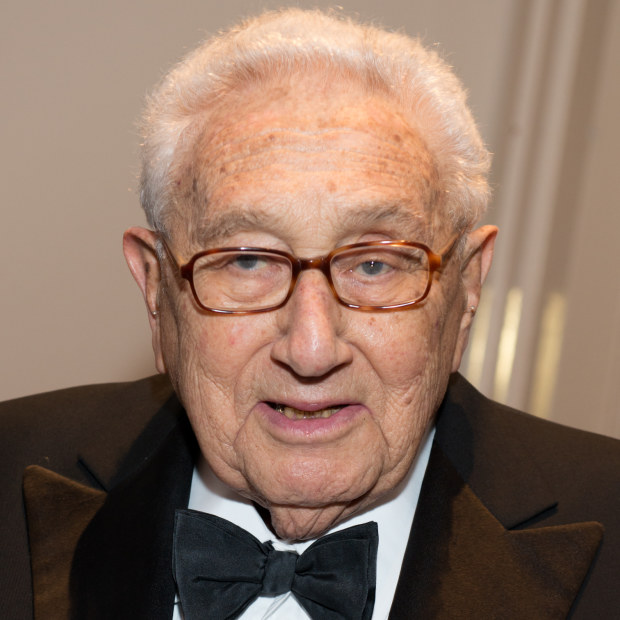
Henry Kissinger: “We are on the path to great-power confrontation.” Getty
Kissinger sees the Chinese system as more Confucian than Marxist. That teaches Chinese leaders to attain the maximum strength of which their country is capable and to seek to be respected for their accomplishments. Chinese leaders want to be recognised as the international system’s final judges of their own interests. “If they achieved superiority that can genuinely be used, would they drive it to the point of imposing Chinese culture?” he asks. “I don’t know. My instinct is no…[But] I believe it is in our capacity to prevent that situation from arising by a combination of diplomacy and force.”
A question of force
One natural American response to the challenge of China’s ambition is to probe it, as a way to identify how to sustain the equilibrium between the two powers. Another is to establish a permanent dialogue between China and America. China “is trying to play a global role. We have to assess at each point if the conceptions of a strategic role are compatible”. If they are not, then the question of force will arise. “Is it possible for China and the United States to co-exist without the threat of all-out war with each other? I thought and still think that it [is].” But he acknowledges success is not guaranteed. “It may fail,” he says. “And therefore, we have to be militarily strong enough to sustain the failure.”
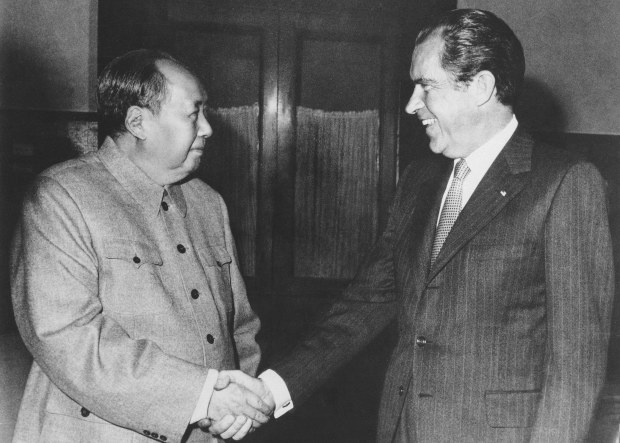
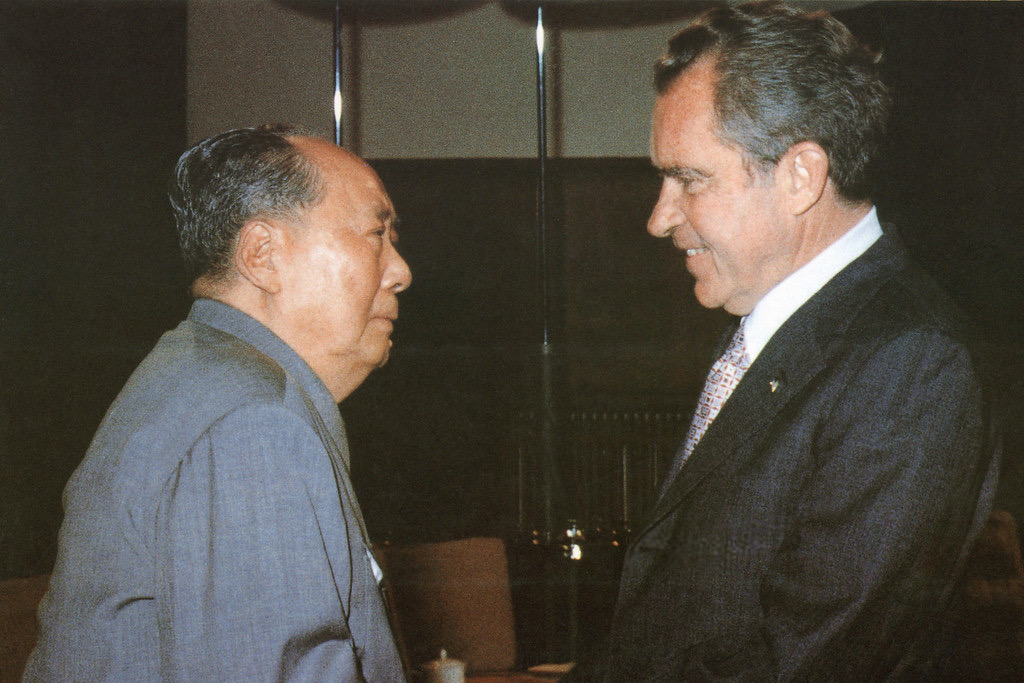
Chinese Communist Party leader Mao Zedong, left, with then US president Richard Nixon in 1972. Kissinger believes that the understanding forged between Nixon and Mao was overturned by Donald Trump. .
 The urgent test is how China and America behave over Taiwan. Kissinger recalls how, on Richard Nixon’s first visit to China in 1972, only Mao had the authority to negotiate over the island. “Whenever Nixon raised a concrete subject, Mao said, ‘I’m a philosopher. I don’t deal with these subjects. Let Zhou [Enlai] and Kissinger discuss this.’…but when it came to Taiwan, he was very explicit. He said, ‘they are a bunch of counter-revolutionaries. We don’t need them now. We can wait 100 years. Someday we will ask for them. But it’s a long distance away’.”
Kissinger believes that the understanding forged between Nixon and Mao was overturned after only 50 of those 100 years by Donald Trump. He wanted to inflate his tough image by wringing concessions out of China over trade. In policy the Biden administration has followed Trump’s lead, but with liberal rhetoric.
Kissinger would not have chosen this path with respect to Taiwan because a Ukrainian-style war there would destroy the island and devastate the world economy. War could also set back China domestically, and its leaders’ greatest fear remains upheaval at home.
.
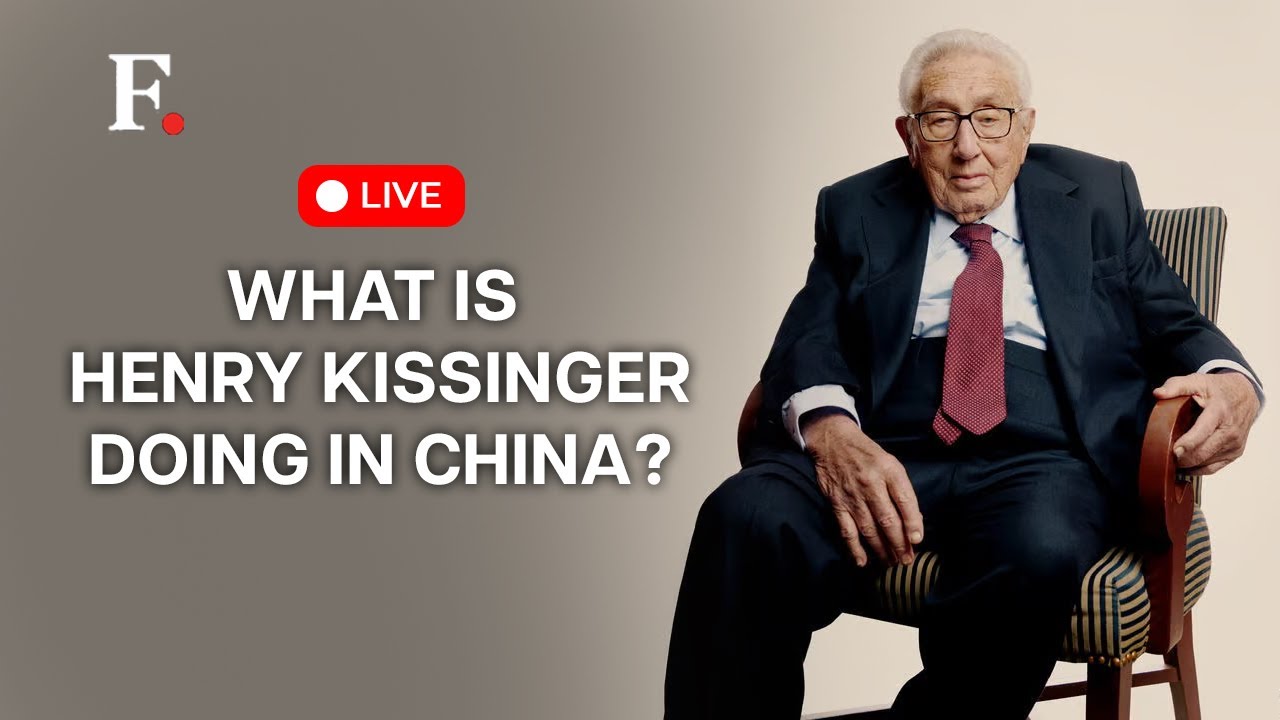 The fear of war creates grounds for hope. The trouble is that neither side has much room to make concessions. Every Chinese leader has asserted his country’s connection to Taiwan. At the same time, however, “the way things have evolved now, it is not a simple matter for the United States to abandon Taiwan without undermining its position elsewhere”..
.Kissinger’s way out of this impasse draws on his experience in office. He would start by lowering the temperature, and then gradually build confidence and a working relationship. Rather than listing all their grievances, the American president would say to his Chinese counterpart, “Mr President, the two greatest dangers to peace right now are us two. In the sense that we have the capacity to destroy humanity”. China and America, without formally announcing anything, would aim to practise restraint.
Never a fan of policymaking bureaucracies, Kissinger would like to see a small group of advisers, with easy access to each other, working together tacitly. Neither side would fundamentally change its position on Taiwan, but America would take care over how it deploys its forces and try not to feed the suspicion that it supports the island’s independence.
.
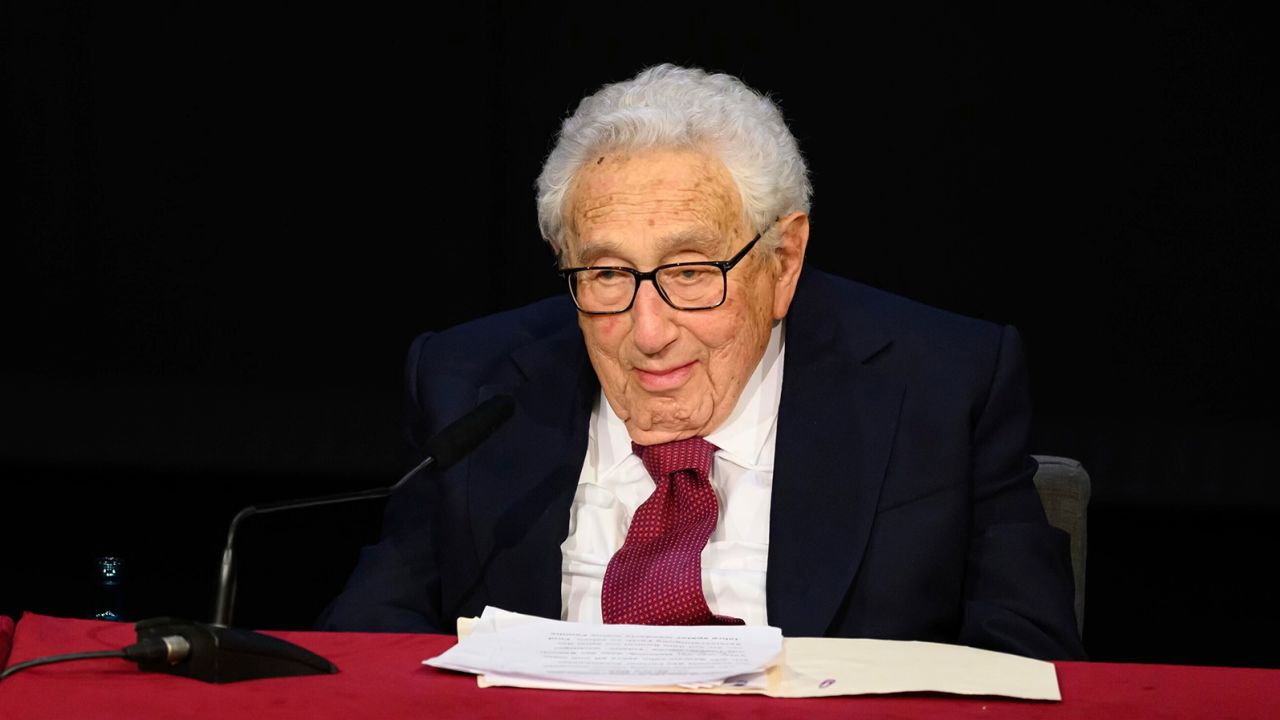 Kissinger’s second piece of advice to aspiring leaders is: “define objectives that can enlist people. Find means, describable means, of achieving these objectives”. Taiwan would be just the first of several areas where the superpowers could find common ground and so foster global stability.
In a recent speech Janet Yellen, America’s treasury secretary, suggested that these should include climate change and the economy. Kissinger is sceptical about both. Although he is “all for” action on the climate, he doubts it can do much to create confidence or help establish a balance between the two superpowers. On the economy, the danger is that the trade agenda is hijacked by hawks who are unwilling to give China any room to develop at all.
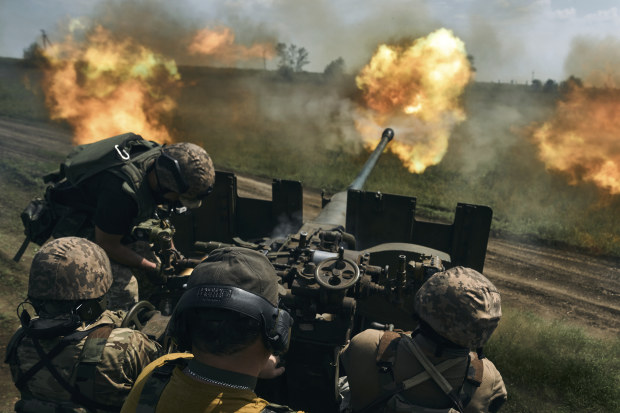
“It was certainly a catastrophic mistake of judgment by Putin at the end,” Kissinger says of Russia’s war against Ukraine. AP
Don’t dig in
That all-or-nothing attitude is a threat to the broader search for detente. If America wants to find a way to live with China, it should not be aiming for regime change. Kissinger draws on a theme present in his thought from the very beginning. “In any diplomacy of stability, there has to be some element of the 19th-century world,” he says. “And the 19th-century world was based on the proposition that the existence of the states contesting it was not at issue.”
Some Americans believe that a defeated China would become democratic and peaceful. Yet, however much Kissinger would prefer China to be a democracy, he sees no precedent for that outcome. More likely, a collapse of the communist regime would lead to a civil war that hardened into ideological conflict and only added to global instability. “It’s not in our interest to drive China to dissolution,” he says.Rather than digging in, America will have to acknowledge China has interests. A good example is Ukraine.
China’s president, Xi Jinping, only recently contacted Volodymyr Zelensky, his Ukrainian counterpart, for the first time since Russia invaded Ukraine in February last year. Many observers have dismissed Xi’s call as an empty gesture designed to placate Europeans, who complain that China is too close to Russia. By contrast, Kissinger sees it as a declaration of serious intent that will complicate the diplomacy surrounding the war, but which may also create precisely the sort of opportunity to build the superpowers’ mutual trust..Kissinger begins his analysis by condemning Russia’s president, Vladimir Putin. “It was certainly a catastrophic mistake of judgment by Putin at the end,” he says. But the West is not without blame. “I thought that the decision to…leave open the membership of Ukraine in NATO was very wrong.” That was destabilising because dangling the promise of NATO protection without a plan to bring it about left Ukraine poorly defended even as it was guaranteed to enrage not only Putin, but also many of his compatriots.
The task now is to bring the war to an end, without setting the stage for the next round of conflict. Kissinger says that he wants Russia to give up as much as possible of the territory that it conquered in 2014, but the reality is that in any ceasefire Russia is likely to keep Sevastopol (the biggest city in Crimea and Russia’s main naval base on the Black Sea), at the very least. Such a settlement, in which Russia loses some gains but retains others, could leave both a dissatisfied Russia and a dissatisfied Ukraine.
In his view, that is a recipe for future confrontation. “What the Europeans are now saying is, in my view, madly dangerous,” he says. “Because the Europeans are saying: ‘we don’t want them in NATO because they’re too risky. And therefore, we’ll arm the hell out of them and give them the most advanced weapons’.” His conclusion is stark: “we have now armed Ukraine to a point where it will be the best-armed country and with the least strategically experienced leadership in Europe”.
To establish a lasting peace in Europe requires the West to take two leaps of imagination. The first is for Ukraine to join NATO, as a means of restraining it, as well as protecting it. The second is for Europe to engineer a rapprochement with Russia, as a way to create a stable eastern border.
Plenty of Western countries would understandably baulk at one or other of those aims. With China involved, as an ally of Russia’s and an opponent of NATO, the task will become even harder. China has an overriding interest to see Russia emerge intact from the war in Ukraine. Not only does Xi have a “no-limits” partnership with Putin to honour, but a collapse in Moscow would trouble China by creating a power vacuum in Central Asia that risks being filled by a “Syrian-type civil war”.
Following Xi’s call to Zelensky, Kissinger believes that China may be positioning itself to mediate between Russia and Ukraine. As one of the architects of the policy that pitted America and China against the Soviet Union, he doubts that China and Russia can work together well. True, they share a suspicion of the United States, but he also believes that they have an instinctive distrust of one another. “I have never met a Russian leader who said anything good about China,” he says. “And I’ve never met a Chinese leader who said anything good about Russia.” They are not natural allies.
The Chinese have entered diplomacy over Ukraine as an expression of their national interest, Kissinger says. Although they refuse to countenance the destruction of Russia, they do recognise that Ukraine should remain an independent country, and they have cautioned against the use of nuclear weapons. They may even accept Ukraine’s desire to join NATO. “China does this, in part because they do not want to clash with the United States,” he says. “They are creating their own world order, in so far as they can.”
No limitations
The second area where China and America need to talk is AI. “We are at the very beginning of a capability where machines could impose global pestilence or other pandemics,” he says, “not just nuclear but any field of human destruction.”
He acknowledges that even experts in AI do not know what its powers will be (going by the evidence of our discussions, transcribing a thick, gravelly German accent is still beyond its capabilities). But Kissinger believes that AI will become a key factor in security within five years. He compares its disruptive potential to the invention of printing, which spread ideas that played a part in causing the devastating wars of the 16th and 17th centuries..
.“[We live] in a world of unprecedented destructiveness,” Kissinger warns. Despite the doctrine that a human should be in the loop, automatic and unstoppable weapons may be created. “If you look at military history, you can say, it has never been possible to destroy all your opponents, because of limitations of geography and of accuracy. [Now] there are no limitations. Every adversary is 100 per cent vulnerable.”
AI cannot be abolished. China and America will therefore need to harness its power militarily to a degree, as a deterrent. But they can also limit the threat it poses, in the way that arms-control talks limited the threat of nuclear weapons. “I think we have to begin exchanges on the impact of technology on each other,” he says. “We have to take baby steps towards arms control, in which each side presents the other with controllable material about capabilities.” Indeed, he believes that the negotiations themselves could help build mutual trust and the confidence that enables the superpowers to practise restraint. The secret is leaders strong and wise enough to understand that AI must not be pushed to its limits. “And if you then rely entirely on what you can achieve through power, you’re likely to destroy the world.”
Kissinger’s third piece of advice for aspiring leaders is to “link all of these to your domestic objectives, whatever they are”. For America, that involves learning how to be more pragmatic, focusing on the qualities of leadership and, most of all, renewing the country’s political culture.
Kissinger’s model for pragmatic thinking is India. He recalls a function at which a former senior Indian administrator explained that foreign policy should be based on non-permanent alliances geared to the issues, rather than tying up a country in big multilateral structures.
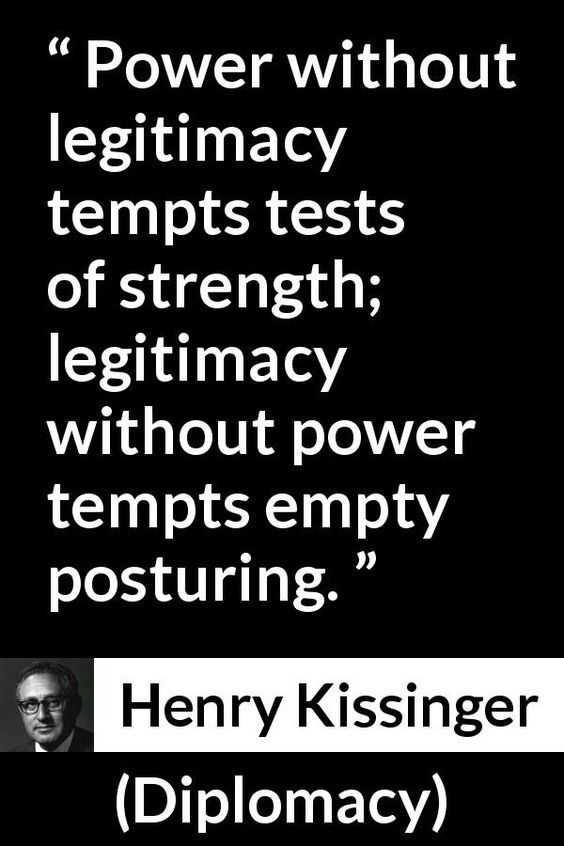
Such a transactional approach will not come naturally to America. The theme running through Kissinger’s epic history of international relations, Diplomacy, is that the United States insists on depicting all its main foreign interventions as expressions of its manifest destiny to remake the world in its own image as a free, democratic, capitalist society.
The problem for Kissinger is the corollary, which is that moral principles too often override interests – even when they will not produce desirable change. He acknowledges that human rights matter, but disagrees with putting them at the heart of your policy. The difference is between imposing them, or saying that it will affect relations, but the decision is theirs...
.“We tried [imposing them] in Sudan,” he says. “Look at Sudan now.” Indeed, the knee-jerk insistence on doing the right thing can become an excuse for failing to think through the consequences of policy, he says. The people who want to use power to change the world today, Kissinger argues, are often idealists, and the realists join them by instinct.
India is an essential counterweight to China’s growing power. Yet, it also has a worsening record of religious intolerance, judicial bias and a muzzled press. One implication – though Kissinger did not directly comment – is that India will therefore be a test of whether America can be pragmatic. Japan will be another. Relations will be fraught if, as Kissinger predicts, Japan takes moves to secure nuclear weapons within five years. With one eye on the diplomatic manoeuvres that more or less kept the peace in the 19th century, he looks to Britain and France to help the United States think strategically about the balance of power in Asia.
.Leadership will matter, too. Kissinger has long been a believer in the power of individuals. Franklin D. Roosevelt was far-sighted enough to prepare an isolationist America for what he saw as an inevitable war against the Axis powers. Charles de Gaulle gave France a belief in the future. John F. Kennedy inspired a generation. Otto von Bismarck engineered German unification, and governed with dexterity and restraint – only for his country to succumb to war-fever after he was ousted.
Kissinger acknowledges that 24-hour news and social media make his style of diplomacy harder. “I don’t think a president today could send an envoy with the powers that I had,” he says. But he argues that to agonise about whether a way ahead is even possible would be a mistake. “If you look at the leaders whom I’ve respected, they didn’t ask that question. They asked, ‘Is it necessary?’.”
He recalls the example of Winston Lord, a member of his staff in the Nixon administration. “When we intervened in Cambodia, he wanted to quit. And I told him, ‘You can quit and march around this place carrying a placard. Or you can help us solve the Vietnam war’. And he decided to stay… what we need [is] people who make that decision – that they’re living in this time, and they want to do something about it, other than feel sorry for themselves.”
Leadership reflects a country’s political culture. Kissinger, like many Republicans, worries that American education dwells on America’s darkest moments. “In order to get a strategic view you need faith in your country,” he says. The shared perception of America’s worth has been lost.
He also complains that the media lack a sense of proportion and judgment. When he was in office the press were hostile, but he still had a dialogue with them. “They drove me nuts,” he says. “But that was part of the game…they weren’t unfair.” Today, in contrast, he says that the media have no incentive to be reflective. “My theme is the need for balance and moderation. Institutionalise that. That’s the aim.”
Worst of all, though, is politics itself. When Kissinger came to Washington, politicians from the two parties would routinely dine together. He was on friendly terms with George McGovern, a Democratic presidential candidate. For a national security adviser from the other side that would be unlikely today, he believes. Gerald Ford, who took over after Nixon resigned, was the sort of person whose opponents could rely on him to act decently. Today, any means are considered acceptable.
“I think Trump and now Biden have driven [animosity] over the top,” Kissinger says. He fears that a situation like Watergate could lead to widespread violence and that America lacks leadership. “I don’t think Biden can supply the inspiration and…I’m hoping that Republicans can come up with somebody better,” he says. “It’s not a great moment in history,” he laments, “but the alternative is total abdication.”
America desperately needs long-term strategic thinking, he believes. “That’s our big challenge which we must solve. If we don’t, the predictions of failure will be proved true.”
If time is short and leadership lacking, where does that leave the prospects for China and the United States finding a way to live together in peace?
“We all have to admit we’re in a new world,” Kissinger says, “for whatever we do can go wrong. And there is no guaranteed course.” Even so, he professes to feel hope. “Look, my life has been difficult, but it gives ground for optimism. And difficulty – it’s also a challenge. It shouldn’t always be an obstacle.”
.He stresses that humanity has taken enormous strides. True, that progress has often occurred in the aftermath of terrible conflict – after the Thirty Years War, the Napoleonic wars and the second world war, for example, but the rivalry between China and America could be different. History suggests that, when two powers of this type encounter each other, the normal outcome is military conflict. “But this is not a normal circumstance,” Kissinger argues, “because of mutually assured destruction and artificial intelligence.”
“I think it’s possible that you can create a world order on the basis of rules that Europe, China and India could join. That’s already a good slice of humanity… So if you look at the practicality of it, it can end well – or at least it can end without catastrophe.”
That is the task for the leaders of today’s superpowers. “Immanuel Kant said peace would either occur through human understanding or some disaster,” Kissinger explains. “He thought that it would occur through reason, but he could not guarantee it. That is more or less what I think.”
World leaders therefore bear a heavy responsibility. They require the realism to face up to the dangers ahead, the vision to see that a solution lies in achieving a balance between their countries’ forces, and the restraint to refrain from using their offensive powers to the maximum. “It is an unprecedented challenge and great opportunity,” Kissinger says.
The future of humanity depends on getting it right. Well into the fourth hour of the day’s conversation, and just weeks before his birthday celebrations, Kissinger adds with a characteristic twinkle, “I won’t be around to see it either way”...
 .
.
. .
.
 .
.


限會員,要發表迴響,請先登入


