 .
.
 .
.
2023-2049.
尚有可為的26 年時間努力以赴,中國逐步按兵不動,
準備超越美國.? .
.
1936.毛澤東在中國陝西省,陝北紅軍大學演講時指出,西方與東方革命性的不同,意謂戰略意識型態的調整,如今中國共產黨靈活運用此一戰略指導原則與美國及西方國家鬥爭,由此看來,中國已經逐漸領導佔於上風,2049.為時不遠,屆時驗證毛澤東的革命戰略問題評論,早有答案,吾人視目以待.
西方不亮,東方亮,東方紅.
Global China 2049 Initiative:
Challenges & Opportunities For The USA.
. .
.
美國及西方國家,畏懼毛澤東思想及戰略,除此之外孫中山先生的三民主義及五全憲法,都是中華民族偉大復興的法寶.

 .
.
美國及西方國家過度,依賴軍事,科技,武器統治霸佔世界,然而中國共產黨,融合中華文化及文明,靈活運用無產階級革命鬥爭思想意識,常期的擊敗拖垮美國及西方國家,已成為事實,中國,如今全神貫注,努力以赴,拚經濟發展,引領世界重新塑造國際新秩序,美國及西方國家已經望塵莫及,只有配合中國吃肉喝湯,否則只有啃骨頭而已..
 .
.
"美利奸帝國淪亡錄",的論述,已成為事實.
USA IS OVER.
CHINA LEADER THE WORLD.
CHINA TAKE OVER USA..
因為美國喜愛戰爭,帶來死亡,破壞,燬滅.(西方紅).美國兩度攻打伊拉克(古巴比倫帝國),以戰爭模式摧毀人類古老的兩河流域文化及文明,搶奪,劫掠,博物館內的文明古董器物,美國效法當年英,法聯軍火燒圓明園,搶奪,劫掠,中華文明古董及相關文物,據為己有,除此之外美國跟隨8國聯軍,攻陷中國北京,巧取豪奪,獲取中國不法利益,如今大勢所趨,中國統一收復台灣省,達成歷史性的任務,勢在必行,美國無法扼阻中國強勢崛起,因此計劃摧毀台灣,美國及西方國家狼狽為奸,必將以失敗告終,那些台灣人搞台獨活動的人,事,物,也就是說失敗結束隨風消失的無影無蹤..
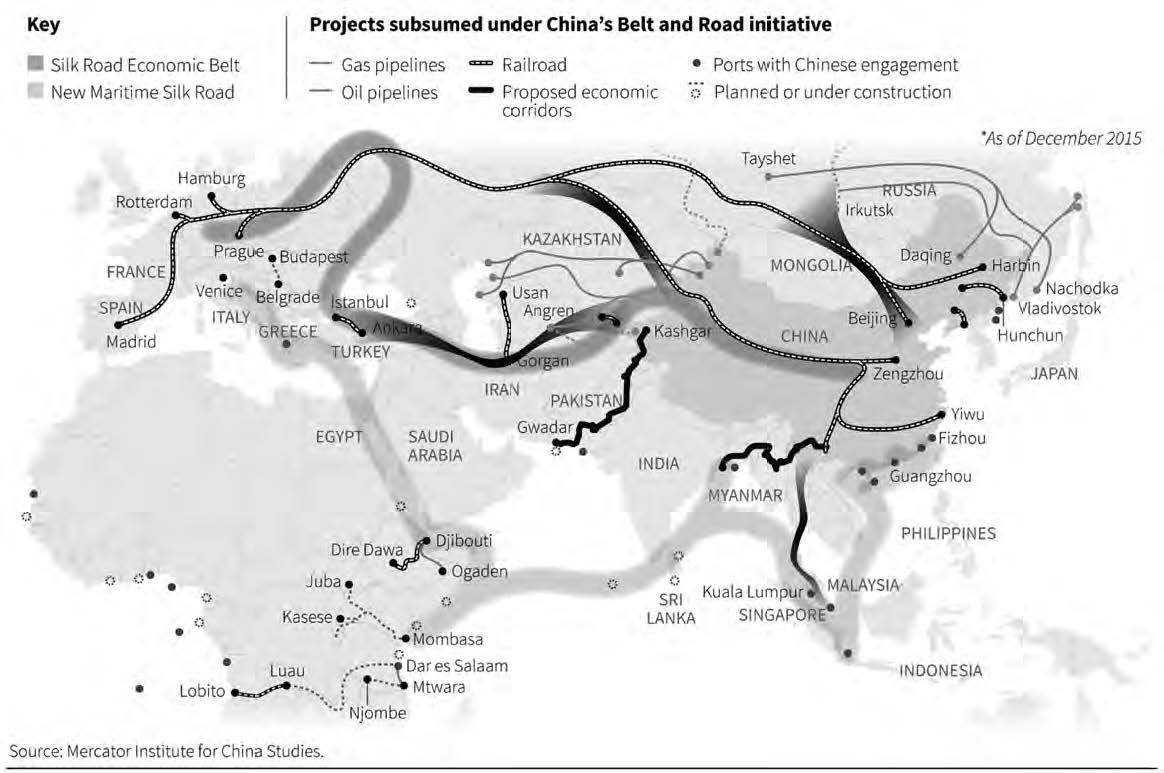
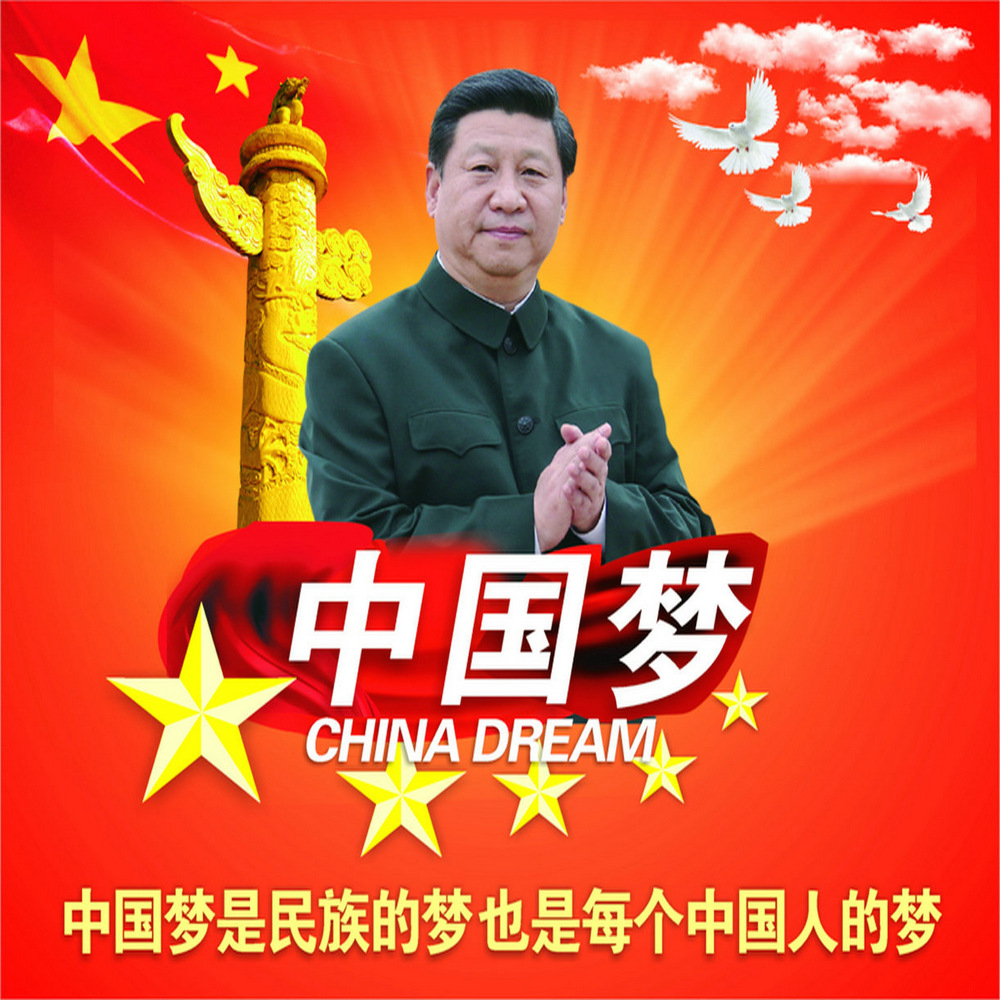
中國帶來和平,繁榮與進步.東方紅,是喜慶,熱鬧,繁華的象徵.中國盡力而為,負擔起聯合國常任理事國的國際責任,長期援助弱小民族及國家,協助他們基礎建設及農業發展,經濟發展,尤其是一帶一路國際投資開發計劃,OBOR.勢在必行帶來人類經濟發展另一方面高峰期,尤其是,黎巴嫩,塞而維亞(南斯拉夫),敘利亞,伊拉克,阿富汗的戰後重建,中國無條件支援金錢,物質及人力資源,協助他們,如今中國積極推動結束俄烏戰爭,早日達成雙方和平協議,然後全力支援烏克蘭戰後重建,美國及西方國家無法達成的任務,只有中國可以做到及做好,中國從不稱霸,稱大,但是要稱強,中國和平崛起,重返世界舞台,是理直氣壯,理所當然的,美國及西方國家唯有與中國合作互助合作,才能互利互贏.ˇˋ...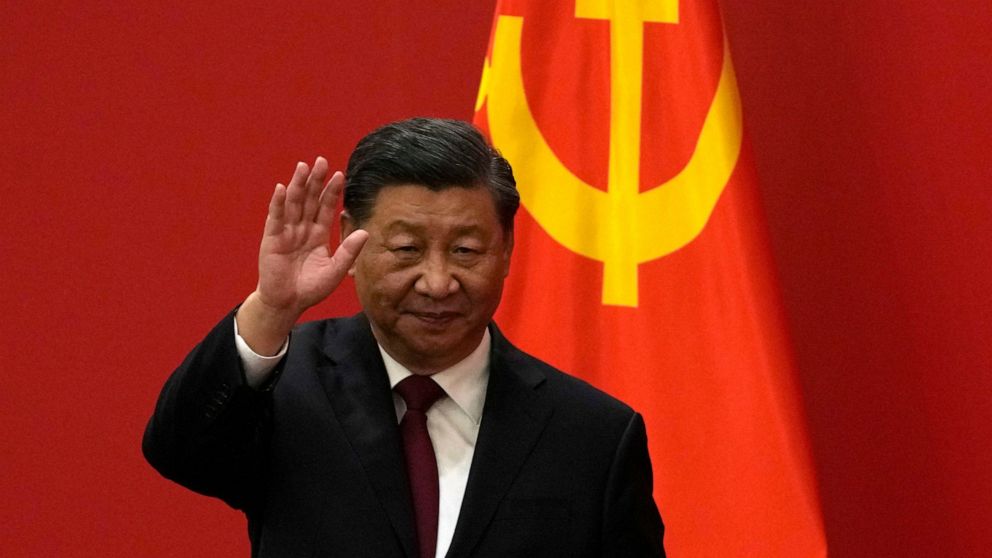


.
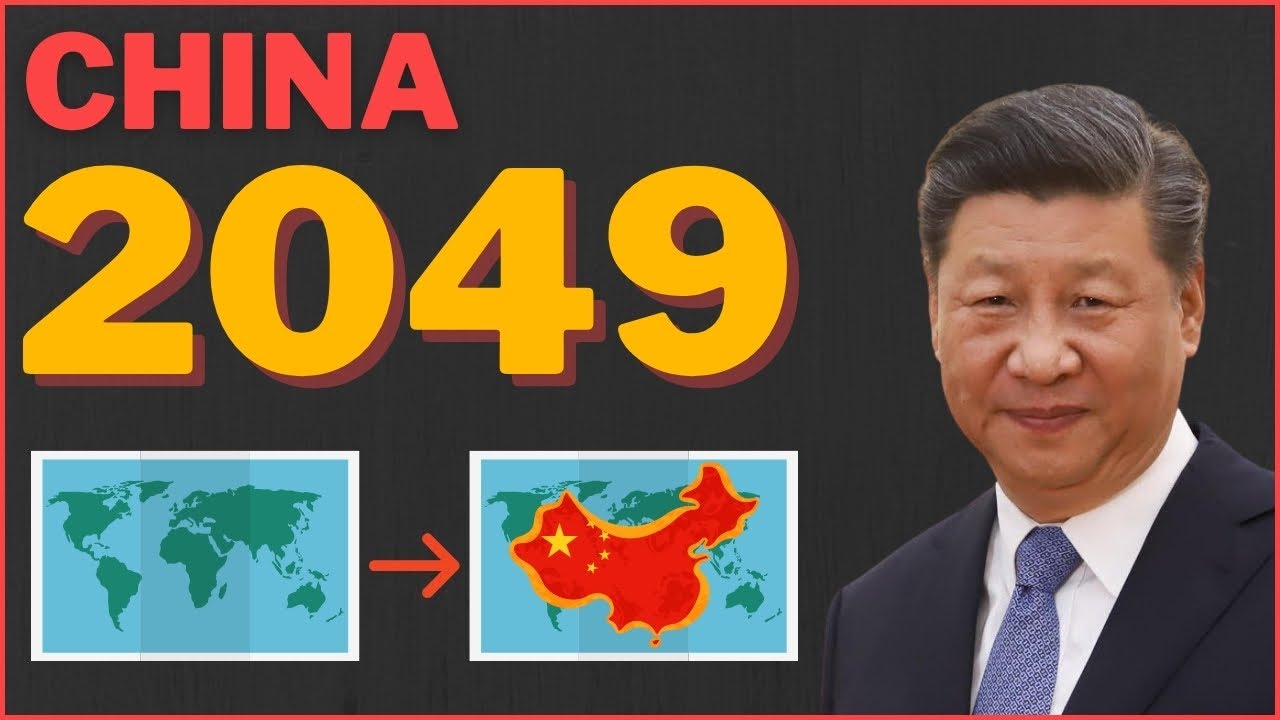
2049年,中國挑戰全球經濟霸主?
China 2049 .Economic Challenges
of a Rising Global Power.
How will China reform its economy as it aspires to become the next economic superpower?
It’s clear that China is the world’s next economic superpower. But what isn’t so clear is how China will get there by the middle of this century. It now faces tremendous challenges such as fostering innovation, dealing with ageing problem and coping with a less accommodative global environment.
In this book, economists from China’s leading university and America’s best-known think tank offer in depth analyses of these challenges. Does China have enough talent and right policy and institutional mix to transit from input-driven to innovation-driven economy? What does ageing mean, in terms of labor supply, consumption demand and social welfare expenditure? Can China contain the environmental and climate change risks? How should the financial system be transformed in order to continuously support economic growth and keep financial risks under control? What fiscal reforms are required in order to balance between economic efficiency and social harmony? What roles should the state-owned enterprises play in the future Chinese economy? In addition, how will technological competition between the United States and China affect each country’s development? Will the Chinese yuan emerge as a major reserve currency, and would this destabilize the international financial system? What will be China’s role in the international economic institutions? And will the United States and other established powers accept a growing role for China and the rest of the developing world in the governance of global institutions such as the World Trade Organization and the International Monetary Fund, or will the world devolve into competing blocs?
中國解放軍,1950年代參加韓戰,擊敗美國及西方國家劃分南韓與北韓..
中國解放軍.1979.擊敗越南,重新塑造中南半島秩序.
如今44年過去,中國解放軍從未派遣軍隊,參加國際戰爭,侵略弱小民族及國家,反而是美國及西方國家,到處在全球各地區發動戰爭,破壞區域和平如,今的烏克蘭戰火未熄滅,下一個地區極為可能是台灣地區燃起戰火?.
美國所謂的毀滅台灣計劃,就是攻打台灣,美國計劃聯合西方國家出兵,以亞太地區總體軍事演習為由,誘騙台灣加入,趁火打劫,趁虛而入侵略台灣,殺害台灣人,好誘導中國出兵解救台灣人,因為台灣省是中國的領土,中國有主權維護,勢在必行出兵與美國及西方國家對抗,如此一來美國及西方國家攻打台灣,殺害台灣人,後來中國也就是說再度攻打台灣,殺害台灣同胞,驗證毛澤東的解放台灣與血洗台灣是真實要發生的事件,台灣人與台灣同胞,真可憐與可悲,為什麼不要和平統一,寧願選擇與美國及西方國家掛鉤,帶來的就是戰爭與滅亡.
 .
..CHINA PLA SO GREAT.
.
ARE CHINA TAKE OVER USA ? 2049.
2049.年中國取代美國?
.
CHINA LEADER THE WORLD? 2049.
2049.年中國引領世界?
.
RED STAR OVER THE WORLD. 2049.
.2049.年紅星照耀世界?
.
.
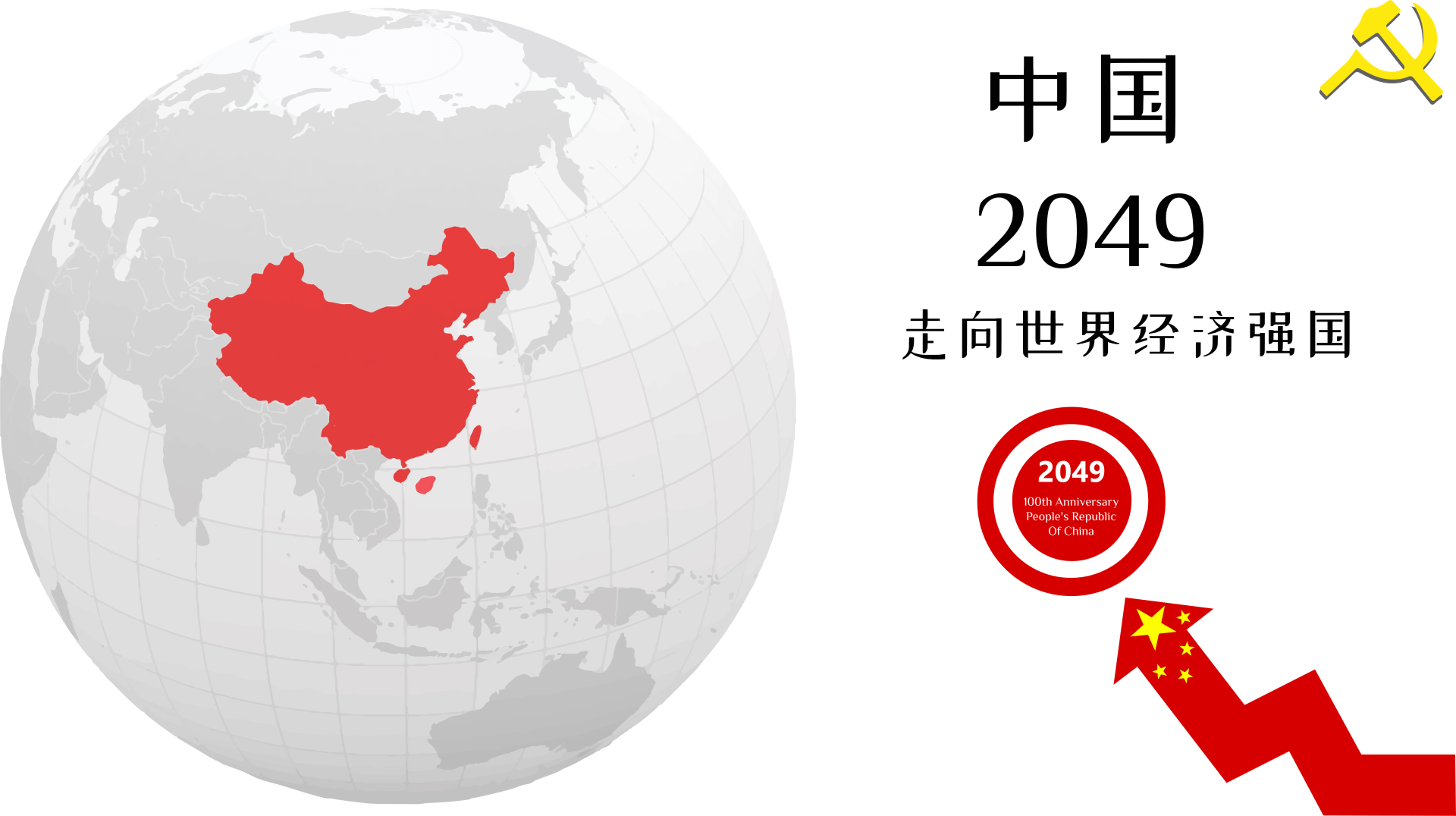
 Global China 2049 Initiative − a discourse in some Western expert circles and not an official Chinese term − refers to the Chinese economic strategies and policies across various sectors as it moves toward achieving its aspirational “national rejuvenation dream.” By 2049, which marks the 100th anniversary of its founding, the People’s Republic of China is set to become “a great modern socialist country that is prosperous, strong, democratic, culturally advanced, harmonious, and beautiful.”
Chinese senior-officials’ policy statements and publicized industrial plans (like the Strategic Emerging Industries initiative, the National Strategy of Innovation-Driven Development, the Made in China 2025, the Internet Plus plans, the New Generation of Artificial Intelligence Development Plan, and the 14th Five-Year Plan for 2021 to 2025, etc.) provide some insights into China’s development objectives and industrial priorities for the years ahead through 2049.
The primary imperative for Chinese authorities to move toward its 2049 “grand goal” is to ensure sustainable and balanced economic growth against the background of multiple domestic issues. The challenges have been identified as aging population, widening income inequality, economic imbalances, production overcapacity, rising local government and corporate debt, an inefficient financial system, and environmental degradation. The country also has to deal with structural problems, including the middle-income trap and international challenges resulting from rising strategic competition with the US and the Covid-19 pandemic.
Given that the growth model that served China well in recent decades are no longer sustainable and efficient, the authorities are currently restructuring its economic model, adapting it to new challenges and tasks. Since the 2008 global financial crisis, and especially after Xi Jinping came to power in 2013, China has been gradually changing its economic growth pattern based on fixed investment and exports, emphasizing domestic consumption and innovation as the new drivers of its economy.
To this end, the most recent initiative has been the “dual circulation” strategy. It was unveiled in May 2020 and incorporated in the 14th Five-Year Plan for 2021 to 2025. The “dual circulation” strategy, which is key to guiding Chinese economic policies in the foreseeable future, accentuates the role of domestic production and consumption (or internal circulation). At the same time, in parallel, they continue to rely on the global market (external circulation). According to Chinese official estimates, the strategy aims to boost domestic supply, taking advantage of the Chinese extra-large market scale (China is the largest market in the world for most products with a middle-income group of 400 million people, according to Chinese official estimates. This unleashes the potential of domestic demand as a driver of economic growth and reduces the Chinese economy’s reliance on overseas markets and technology against an increasingly challenging and complex global environment. Beijing seeks to reorient its manufacturing sector from producing for export to meeting domestic demand.
An emphasis on internal circulation is closely connected with another key Chinese national priority − promoting innovation and self-sufficiency in key strategic industries. Domestic innovation capabilities have been a top priority for the Chinese government for at least 15 years since China adopted the 2006-2020 National Medium and Long-Term Program for Science and Technology Development. This plan called for enhancing “indigenous” innovation capability, accelerating science and technology development, and narrowing down the technological gaps with the developed nations. It set objectives for China to become an “innovation-oriented” country and a world science and technology power by the middle of the 21st century.
.
.
At the 18th Chinese Communist Party National Congress, held in 2012, “innovation-driven development” was mentioned as a new key strategy that lies “at the heart of country’s development.” Since then, Beijing has viewed innovative development as an imperative and the way to achieve “the rejuvenation of the Chinese nation.” The push for domestic innovation was further reinforced in 2015 by introducing the Made in China 2025 Industrial Plan, which seeks to reduce China’s dependence on foreign technology, catch up to technologically advanced countries and create competitive advantages for China. These advantages are manifest in the following 10 key sectors:
- New-generation information technology
- High-end computerized machines and robots
- Aerospace technology
- Maritime equipment and high-tech ships
- Advanced railway transportation equipment
- New energy and energy-saving vehicles
- Energy equipment
- Agricultural machines
- New materials
- Biopharma and high-performance medical devices.
.![]()
![]() .
. .
..It aims to advance China into higher positions in the global manufacturing value chain (from the lower-to-medium end of the value chain to the medium-to-higher end) and expand its global market competitiveness and global market share. It is correlated with China’s focus on creating national champions with independent innovation capabilities which could compete with leading multinational companies. By 2049, China aims to lead global manufacturing and innovation with a competitive position in advanced technology and industrial systems. It plans to become “an innovative country in all respects.”
.