.
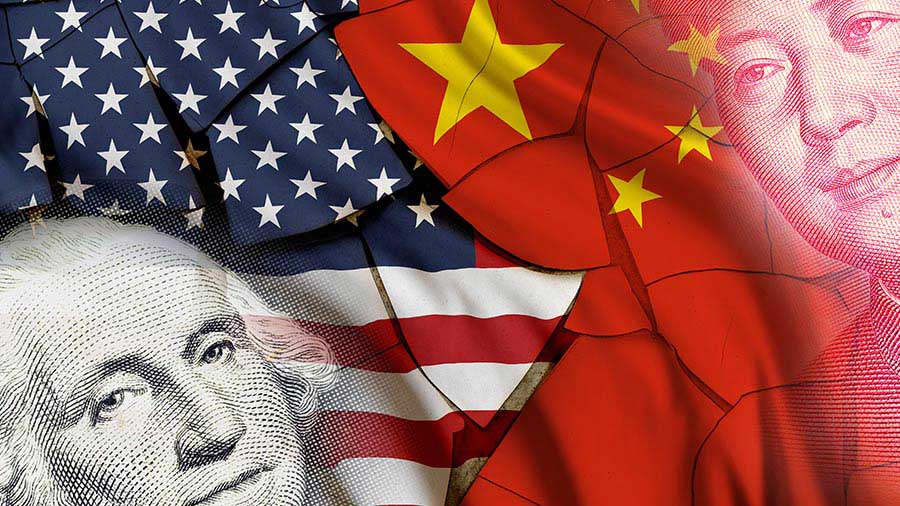
.中國與美國何時開戰?
..
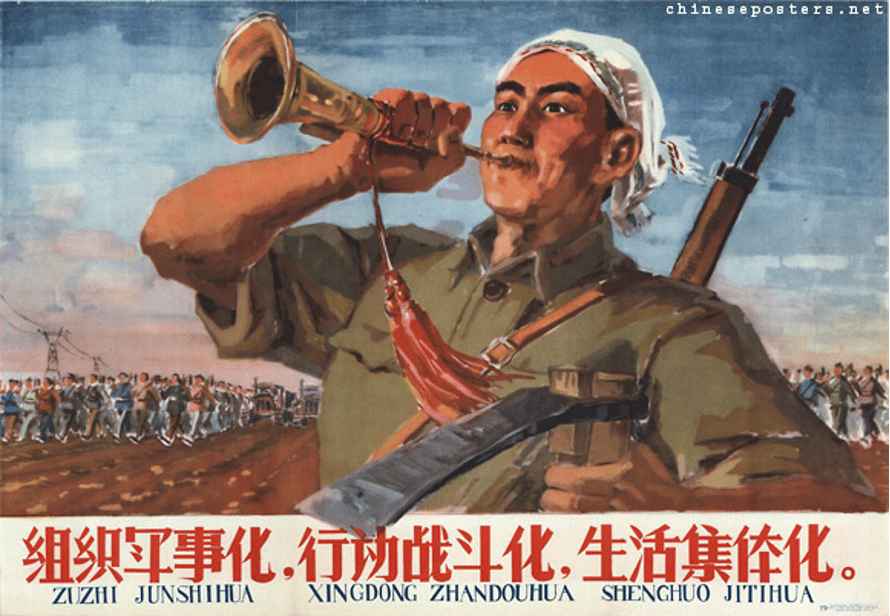
中國國防部部長魏鳳和表示,面對複雜嚴峻的國家安全形勢,要堅決貫徹廿大作出的戰略部署,深入貫徹習近平強軍思想,提高人民軍隊打贏能力,發揚鬥爭精神,增強鬥爭本領,保持高度警惕,時刻準備打仗,堅決捍衛國家主權,安全,發展利益。..............
.
國際戰略觀察家研究分析認為,中國必須面對未來的戰爭有所準備.
1:台灣海峽戰爭(中國收回台灣省,勢在必行的兩岸戰爭)亦就是國共內戰的延續,除非台灣方面願意接受和平統一,及一國兩制,否則海峽兩岸遲早要兵戎相見.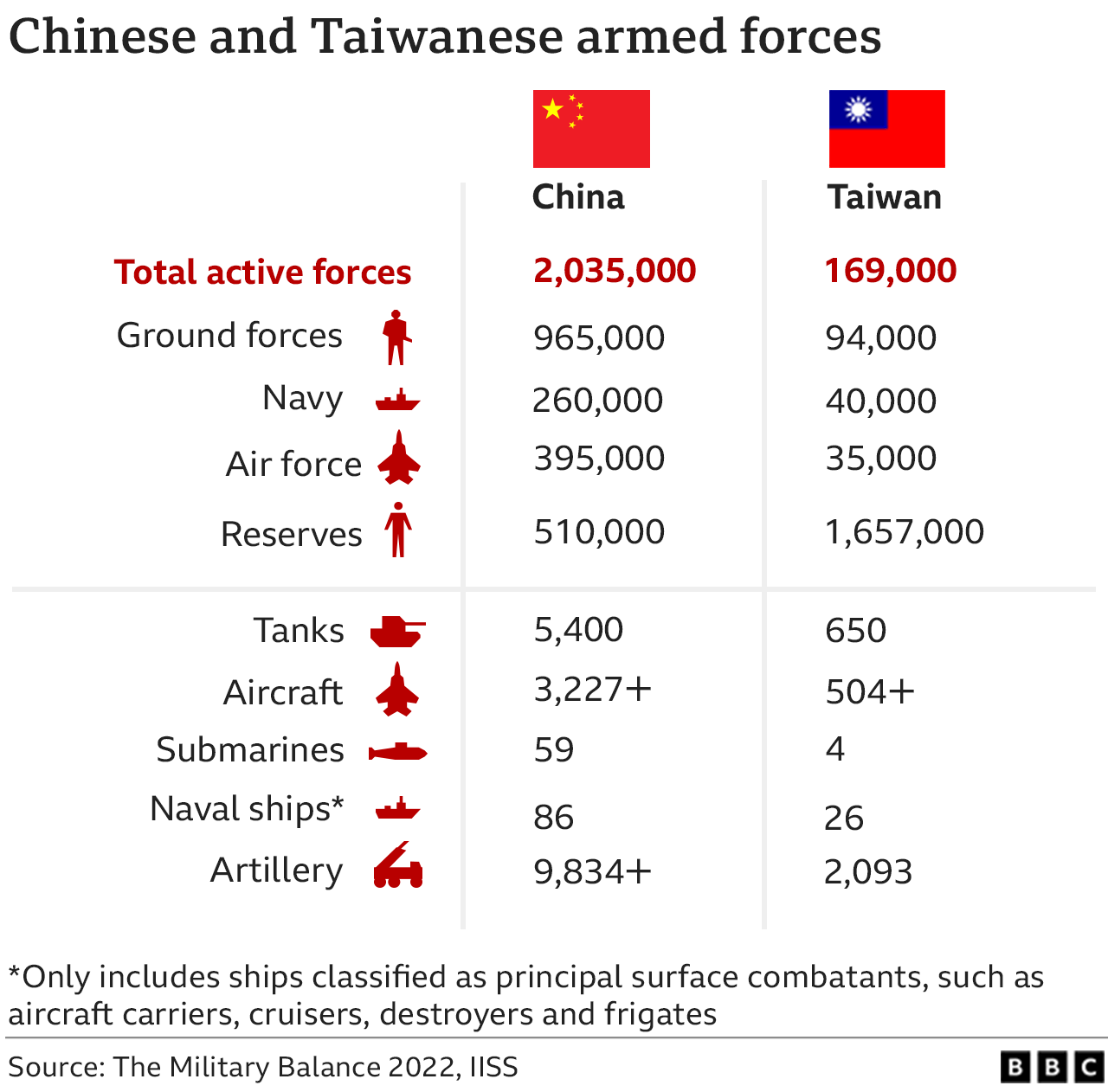

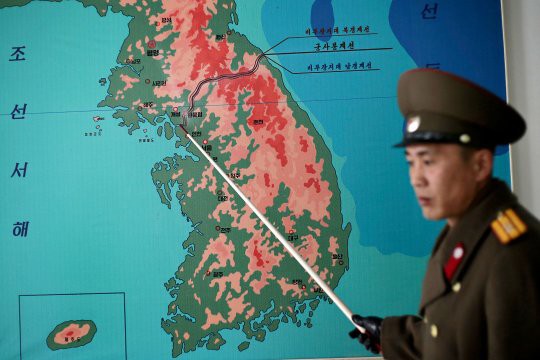
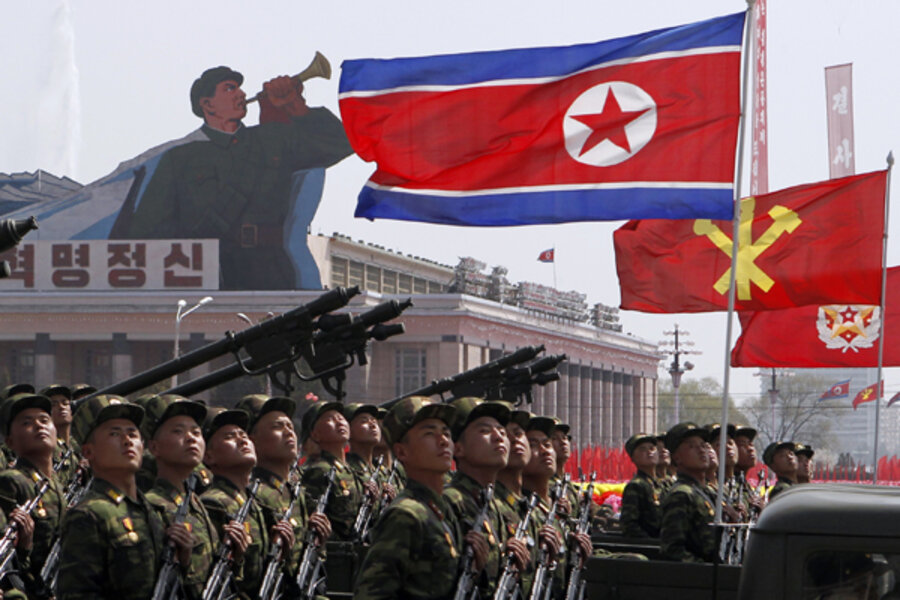
2:美國,南韓對於中國及北韓而言,韓戰並未結束,只是美國與南韓,北韓,中國簽署瞭所謂的停戰協議韓戰隨時隨地都極為可能性的再度爆發戰爭.

 .
.
.韓戰尚未結束,可以隨時隨地重新再戰,38度停戰協定無效.
..When and how will the Korean War end?.
These issues are quite a few. South Korea is eager to declare the end of the Korean War, thereby guaranteeing security to Pyongyang and providing it with an incentive to waive nuclear weapons. Washington, however, demands that North Korea should take steps towards disarmament before there can be any talk of ending the conflict. Also, what is essential is that from the very start North Korea insisted on a full-fledged peace treaty that envisaged establishment of diplomatic relations between the warring parties, whereas South Korea called for a Declaration of the Cessation of War, rather than a Treaty, which should be signed after the denuclearization.
Furthermore, the United States is unwilling to include China in the list of signatories to the agreement. As for China, it wants to be among those who will bring the war to a close, the more so since Chinese forces took part in the war on the side of the North Korea in the past.
.
3:中國對於印度邊界疆域領土的劃分,到今日都無任何進展,雙方佈署重兵部隊於疆界,大戰一觸即發,1962.年中印戰爭爆發,印度大敗,損失慘重,印度曾經揚言勢所難免要與中國再度開戰,找回面子問題. ..
中國與印度邊界疆域領土問題,可能性再度引爆戰爭.
 .
.
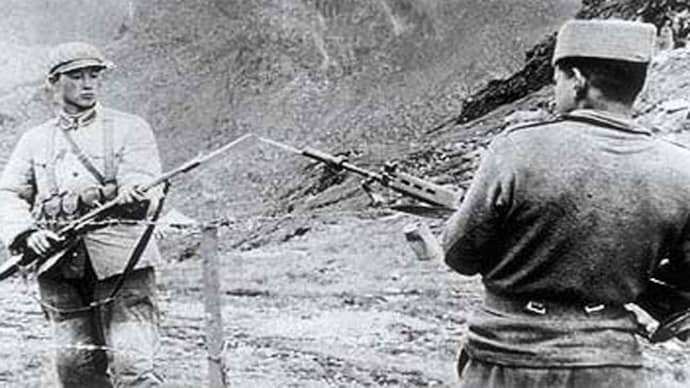
India-China War of 1962:.印度阿3必須與中國再戰?.
傳聞美國建議印度當中國以武力攻打台灣的時期,印度應該把握機會主動攻擊中國,擾亂中國,牽制中國軍隊,以利美國出兵台灣援救.

.
4:中國與美國爆發戰爭的可能性(中國以武力攻打台灣引發美國介入).
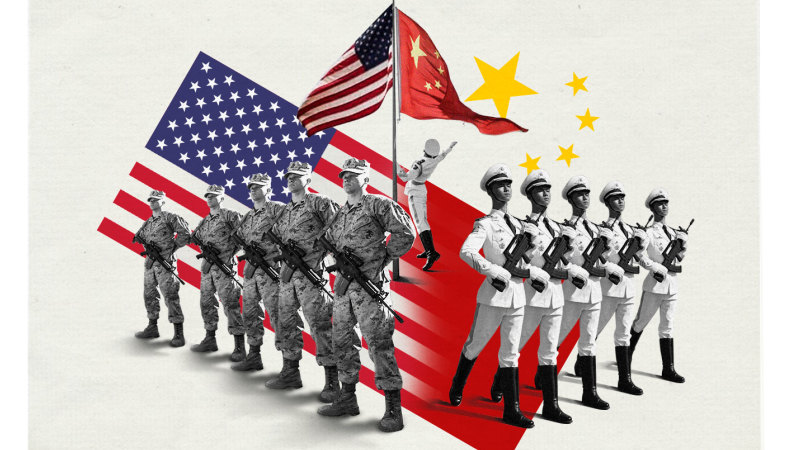
China would face war crisis: CSIS
The consequences of invading Taiwan would be “grim” for Beijing even if it were a military success, the US-based Center for Strategic and International Studies (CSIS) said in a report on Tuesday.
Any success China might achieve in annexing Taiwan by force would be a “Pyrrhic victory,” as its political, economic and diplomatic position would likely be worse than before, analysts Jude Blanchette and Gerard DiPippo wrote in the report.
“China will have gained Taiwan, but sacrificed its larger ambition of becoming a global and comprehensive superpower,” they wrote..
.Beijing’s military, economic and propagada preparations for war would be hard to conceal, and Washington would likely be at least partially alerted, which would lead to efforts to warn allies to counter the invasion via sanctions and the threat of military force, the report said.
Core US allies, including Australia, Japan and the UK, would likely coordinate a response to deter China, but a lot would depend on the credibility of Washington’s intelligence and leadership at such a time, it said, adding that other governments could be slow to respond.
Were a conflict to begin, the damage to the global economy would be devastating, as commercial shipping would collapse, supply chains would be disrupted and financial markets would panic to a degree potentially exceeding the 2008 recession, it said.
Beijing would be more hard-hit by the crisis due to the measures it would have to take to sustain the war effort, likely including capital controls, sales of overseas assets, rationing, and hardening of military bases and population centers on its economically vital coast, Blanchette and DiPippo wrote.
Assuming that Taiwan were to resists the invasion and the US was engaged militarily, the war could become intense and protracted, resulting in extensive economic damage to China, they wrote.
A year-long conflict between the US and China would probably reduce China’s GDP by 25 to 35 percent, while US GDP would fall 5 to 10 percent, they said, citing a RAND Corp study from 2016.
Maritime trade and air freight in and around the conflict zone crucial to China would be disrupted, as China’s six largest ports are near Taiwan and would likely be affected, they said.
A substantial number of the multinational corporations that do business in China would likely flee the country to avoid risk to employees and business interests stemming from war, while exporters and parts-sourcing firms might redirect operations to safer regions, the report said.
Capital flight from China would take place as investors and firms race to avoid being affected by Western sanctions, it said, adding that sales of Chinese shares and holdings would cause the yuan to plummet.
Economic sanctions would be severe, assuming US forces are directly engaged, as Washington and the US public would not tolerate partners that continued to trade or invest in China, even if US military casualties were low, it said.
“A Western sanctions coalition could coalesce quickly, as happened after Russia’s invasion of Ukraine, in part because of lessons learned and coordination mechanisms established in response to the sanctions against Russia,” it said.
Taiwan’s economy would be ravaged with disastrous consequences to China, as 60 percent of microchip exports from the country go to Chinese firms that produce electronics exported to the West, it said.
Even if victorious, China’s political, economic and diplomatic challenges would be compounded, as Beijing would have to occupy, stabilize and rebuild a hostile territory that formerly enjoyed a higher standard of living than much of China, Blanchette and DiPippo wrote.
Moreover, Taiwan’s semiconductor industry — including the world’s largest contract chipmaker, Taiwan Semiconductor Manufacturing Corp (TSMC) — would be damaged beyond repair, while control of facilities would “only give China a snapshot of its technology,” they wrote.
Semiconductor factories in a hypothetically occupied Taiwan would lose their value overseas, while TSMC’s overseas facilities would be disconnected or absorbed by other firms, they wrote.
Even were Beijing to stave off US resistance, its relationship with other advanced economies would deteriorate significantly, which could lead to export controls and sanctions for months or years, the report said.
China would suffer more from the resulting trade barriers because G7 economies collectively are 65 percent larger than China’s, and Beijing has little hope of overcoming its key dependencies in technology, commodities and US currency in the medium term, it said.
Furthermore, Asian countries in China’s periphery would be driven into the arms of the US if Washington puts up a credible military performance, or if it failed, they would be spurred into increasing military spending and creating nuclear programs, the report said.
“The conclusion reached is stark: China would court disaster if it launched an invasion across the Taiwan Strait,” it said, adding: “The key strategic challenge for the US remains to ensure Beijing never actively contemplates an attack on Taiwan.”
While Beijing likely has a general understanding of the costs associated with a military venture in Taiwan, the growing isolation of Chinese President Xi Jinping (習近平) could “lead to groupthink in Beijing’s policymaking” that raises the risk of miscalculation, it said.
 .
.
.國際戰略觀察家表示:美國軍方,智庫也在討論,未來十年內可能跟中共有一場決戰。美國最新公布的國家安全戰略,指出北京對世界現有秩序的威脅最大。
華爾街日報》20221019日引述了解習近平想法的人士說,習認為與西方攤牌的可
越來越大。他執政十年來發起了一系列行動,加強軍事力量,重構經濟,重塑社會,並為中美可能爆發的衝突做準備。
華盛頓智庫戰略與國際研究中心20221025日舉辦的研討會上,該中心中國力量項目主任林洋(Bonny Lin)表示,雖然習近平的二十大報告沒有點名美國,但中共高層人事變動顯示美中關係更具挑戰性的軌跡。.
習近平在報告中警告,中共正面臨「嚴峻複雜的國際形勢和接踵而至的巨大風險挑戰」。報告還設立了一個章節,專門討論國家安全問題。林洋說,中共描述的各種挑和威脅,「很多實際上是指美國所帶來的挑戰」。
時事評論員橫河在《橫河觀點》節目中說,當局此舉有兩個原因:一是,
中共和國際脫軌已經成定局,閉關鎖國不可避免。? 二是為戰爭做準備。
「因為中共一旦侵台,必定會受到國際制裁。所以要實行戰時經濟,生產資料國家壟斷,統購統銷,,種物品按配額分配。這需要一套系統,最完備的就是供銷社,所以現在開始強化供銷社。」.
習近平「準備打仗」 二十大組建戰時內閣.
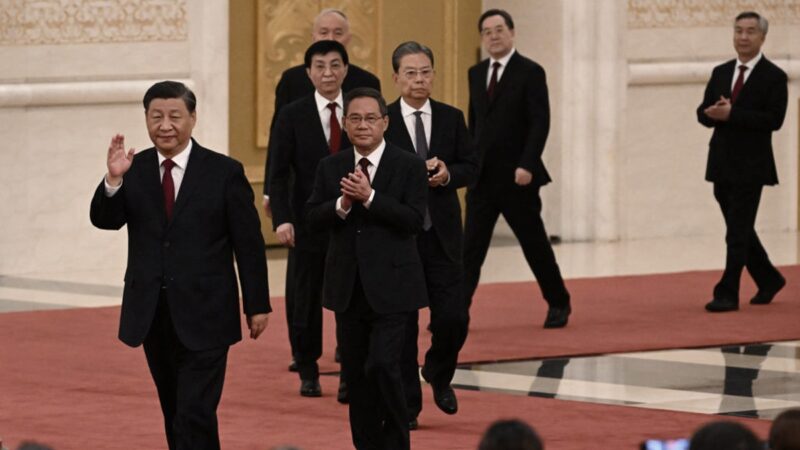
.對於中美脫鉤的問題,萬潤南認為,中美這場決戰不可避免,因為這種價值觀的衝突,制度的衝突,是沒有妥協餘地的。「你看現在提到脫鉤,提出芯片制裁,高科技制裁,從貿易戰打到高科技戰,政治戰已經開始了,軍事是政治的延續,更何況有一個節點,這個節點就是台灣問題」。
..


限會員,要發表迴響,請先登入


