.

..


.
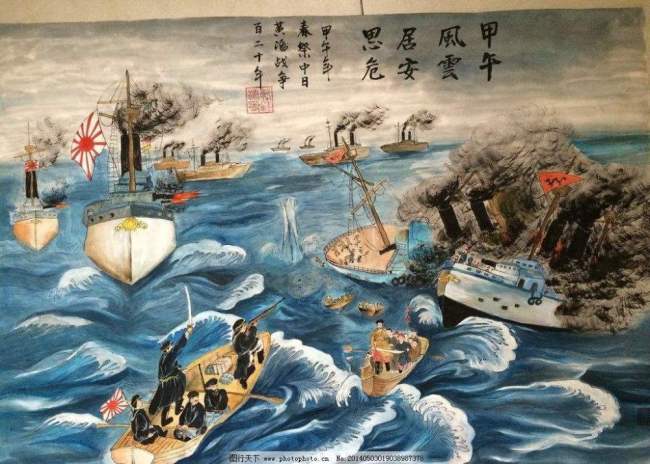
128年前的今天.即1894年8月1日,清政府頒發上諭對日本宣戰,同一天日本天皇也下詔對中國宣戰,,午戰爭全面爆發。
在此之前的7月25日,日軍在朝鮮豐島海面偷襲了清政府租用的英國運兵船高升號,船上的中國將士寧死不降,高升號被擊沉。日軍以“不宣而戰”的方式正式挑起了甲午中日戰爭。
然而中國將士的英勇表現,無法扭轉清廷的政治腐敗和高層的明爭暗鬥。他們要面對的是剛剛經歷過明治維新洗禮的日本。他們經過30年的整軍備戰,正野心勃勃的策劃著以中國為中心的“大陸政策”。
此後8月下旬的平壤戰役,清軍主帥葉志超臨陣脫逃,導致清軍大敗,戰況急轉直下,9月17日甲午海戰爆發。號稱亞洲第一,世界第九,清政府花費數百萬兩白銀打造的北洋水師在與日本聯合艦隊的一系列激烈交戰後,損失慘重,退守威海衛基地,9月開始清軍在遼東節節敗退,丟失要塞軍港旅順口,1895年1月,北洋艦隊在威海衛全軍覆沒。4月喪權辱國的中日《馬關條約》正式簽訂,割讓台灣省給予日本,中國的國際地位自此一落千丈,大清王朝搖搖欲墜,四分五裂,分崩離悉.直到50年後第二次世界大戰結束日本戰敗歸還台灣省,吾人當記得被日本帝國主義殖民統治下的台灣省以及山東省,遼東半島,旅順及大連,東北3省的苦難同胞..
128年之後的今天,中國人民解放軍,成立以八一為建軍節,頗具歷史重大意義。
崛起中的中國,早已一雪百年恥辱,正大踏步走在強軍的道路之上。但面對陰霾日深的地緣局勢,部分歐美,日本等國家聲嘶力竭的戰爭挑釁,此時回顧歷史,更可令我們保持清醒的頭腦,更進一步的要提醒台灣同胞,不要被台灣獨立的分離主義思想污染,被利用。
..
..


甲午戰爭(亦稱中日甲午戰爭)是大清帝國和大日本帝國在朝鮮半島、遼東、山東半島及黃海等地進行的一場戰爭。日本稱日清戰爭,朝鮮稱清日戰爭,國際通稱第一次中日戰爭(First Sino-Japanese War)。1894年(清光緒二十年),按照中華干支紀年,時年為甲午年,故稱甲午戰爭。豐島海戰是戰爭爆發的標誌。最終清朝於1895年和日本簽訂《馬關條約》。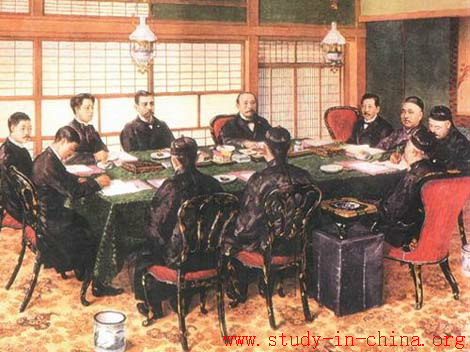
 .
.
- 簽署《馬關條約》的還是清朝政府,代表中國
- 確認朝鮮獨立
- 向日本賠償軍費庫平銀二億兩;[8]
- 向日本割讓、與臺澎附屬各島嶼,以及北緯41度線以南的;
- 臺灣島澎湖群島遼東半島
- 向日本開放沙市、重慶、蘇州、杭州、順天、湘潭和梧州七處通商口岸;
- 長江、西江、吳淞江及運河等內河航行權範圍;
- 日本駐軍地點及所需軍費。
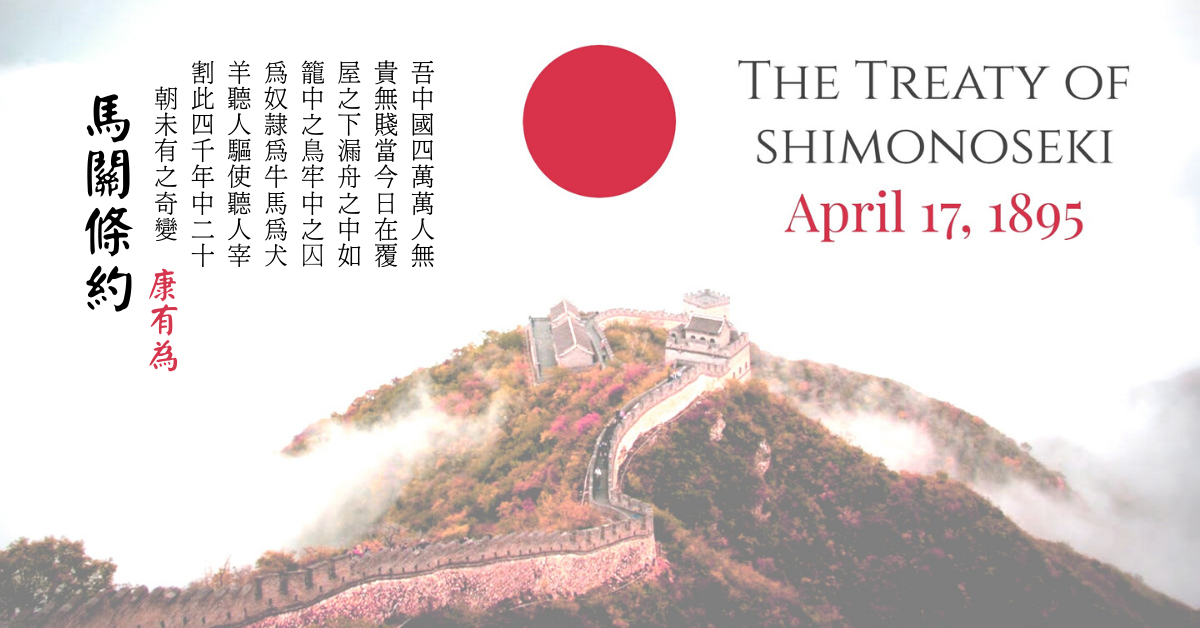
- The Treaty of Shimonoseki ( Hepburn: Shimonoseki Jōyaku), also known as Treaty of Maguan (: Mǎguān Tiáoyuē) in China and Treaty of Bakan (, Hepburn: Bakan Jōyaku) in the period before and during WWII in Japan, was a treaty signed at the Shunpanrō hotel, Shimonoseki, Japan on April 17, 1895, between the Empire of Japan and Qing China, ending the First Sino-Japanese War. The peace conference took place from March 20 to April 17, 1895. This treaty followed and superseded the Sino-Japanese Friendship and Trade Treaty of 1871.[In Taiwan, pro-Qing officials and elements of the local gentry declared a Republic of Formosa in 1895, but failed to win international recognition.
In China, the Treaty was considered a national humiliation by the bureaucracy and greatly weakened support for the Qing dynasty. The previous decades of the Self-Strengthening Movement were considered to be a failure, and support grew for more radical changes in Chinas political and social systems which led to Hundred Days Reform in 1898. When the latter movement failed due to resistance from the Manchu nobility, a series of uprisings culminated in the fall of the Qing dynasty itself in 1911.
 .
.

On April 17, 1895, the first Sino-Japanese War (hereinafter, the “War”) came to a truce, and a treaty was signed at the Japanese city of Shimonoseki. Newspapers around the world competed with each other to report on this event. Japan: an ancient, mysterious country and a new power rising from the Far East dominated all the headlines that day. It is universally acknowledged among those with any knowledge of history that a treaty never ends the chaos, instead it gives rise to new conflicts. The Treaty of Shimonoseki is no exception.
.Report from The Times on the signing of the Treaty of Shimonoseki – The “Latest Intelligence” “Times, April 18, 1895, 3. The Times Digital Archive (accessed April 16, 2018). http://tinyurl.galegroup.com/tinyurl/6LtBQX.”
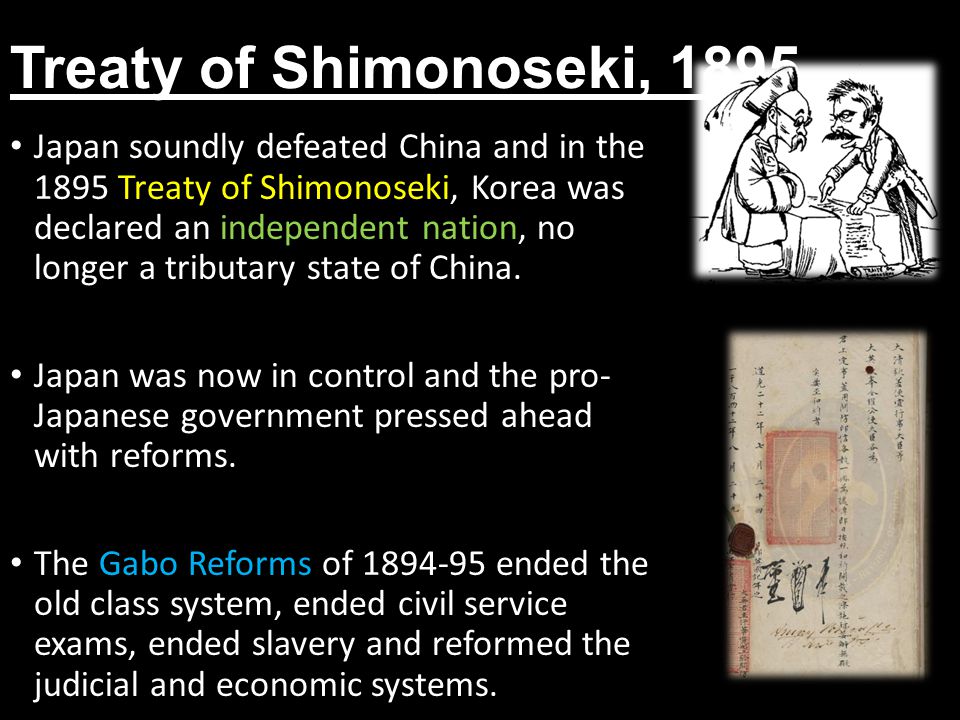
The main terms of the Treaty of Shimonoseki, signed by Chinese and Japanese governments, include: independence of Korea, cessation of Chinese territories (including Formosa and Fengtien Province), opening of new localities in China to trade, and war indemnity to Japan. With these harsh terms, the treaty is considered to have seriously hindered the modernisation of China, and totally altered its status in international relations for the following several hundred years.[1]
One month after the signing of the Treaty, a new Plenipotentiary of the British Government, Sir Ernest Satow, was appointed and dispatched from England to Tokyo.
Report from The Times on official dispatch of Satow to Tokyo. 2) (Satow’s appointment by the Queen) “Times, May 18, 1895, 14. The Times Digital Archive (accessed April 16, 2018). http://tinyurl.galegroup.com/tinyurl/6Lst42.”Satow once famously defined diplomacy as ‘the conduct of business between states by peaceful means,’ and argued that professional diplomats could play a vital part in lubricating and improving relations between governments[2]. Then, what did this new role – the new Minister Plenipotentiary at Tokyo – mean to both Satow and Great Britain at this critical juncture?
Before the outbreak of the Sino-Japanese War in 1894, Sir Ernest Satow described China as ‘an ancient civilization that had become stagnant,’ and that had no bearing on the European balance of power [3]. However, the War exposed China’s weakness to the world, attracting more attention from the European Powers who were seeking resources and trade overseas.
Article IV of the Treaty stated that “China agrees to pay to Japan as a war indemnity the sum of 200,000,000 (Kuping Taels) in seven years. The first installment of 50,000,000 (Taels) to be paid within six months after the exchange of the ratifications of this treaty; the second installment of the same amount shall be paid in one year. The balance to be paid within six years. If the whole be paid within three years, no interest is to be charged…” (See the image below for the actual terms of the Shimonoseki Treaty in the Daily Telegraph Historical Archive.)
(Report from Daily Telegraph on Articles of Treaty of Shimonoseki. Source: “Treaty of Shimonoseki.” in Daily Telegraph, 18 June (1895): 5, The Telegraph Historical Archive, http://tinyurl.galegroup.com/tinyurl/5wJbN1. Accessed 13 Feb. 2018.).


- 美國總統川普下令撤離5千駐德美軍 US withdrawing 5,000 troops from Germany:
- 穀雨.20260420.
- 春季旅遊義大利托斯卡納品嚐美食與葡萄酒.Tuscany Wine Tour & Food Pairing Session
- 義大利 托斯卡納春季降臨 tuscany italy
- 普京大帝宣佈東正教復活節停火.Russia’s Putin declares ceasefire with Ukraine for Orthodox Easter
- 日本軍國主義復活 熊本佈署射程1000公里飛彈針對中國:Japanese militarism is reviving; Kumamoto Prefecture deploys missiles with a range of 1000 kilometers to detect Chinese targets.


