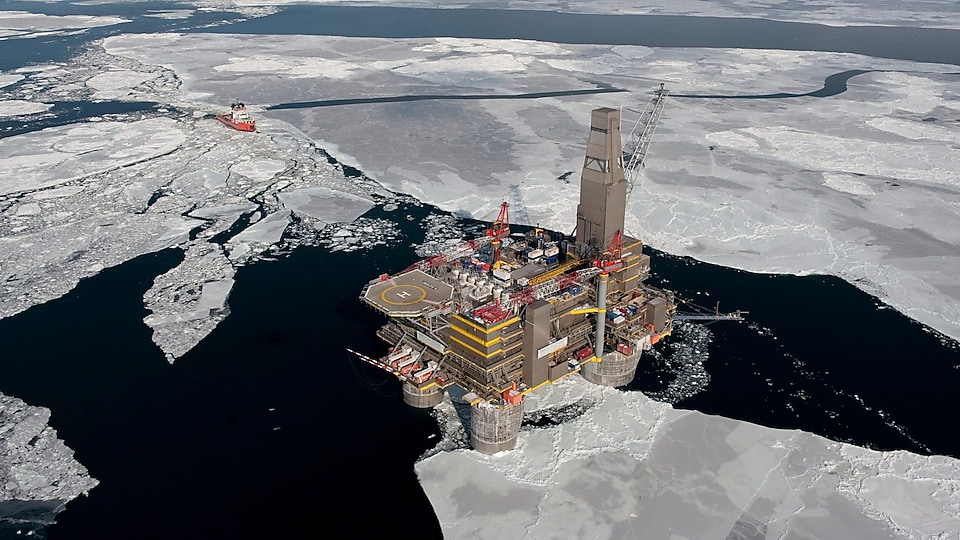
Replacing Russian LNG from Sakhalin-2 would cost Japan $15bn
Price tag for imports to jump 35% if Mitsui, Mitsubishi pull out of energy project.
Japan could pay one-third more per year for imported liquefied natural gas if it exits the Sakhalin-2 LNG project in Russia, a potentially fateful decision for the energy-poor Asian nation.
因為俄烏戰爭的影響到天然氣迪價碼爆漲,日本配合美國對於俄羅斯實施經濟制裁結果,導致於 Sakhalin-2 液化天然氣興建項目,可能遭受到俄羅斯停止供應天然氣?
日本的天然氣需求量,僅次於中國自從與俄羅斯開發西伯利亞的石油及天然氣管道興建工程項目,雙方曾經發生不愉快事件(美國從中阻擾), 如今烏克蘭戰爭爆發以及北方4島的領土爭議事件,再度與俄羅斯交惡,由此看來日本要復甦經濟恐怕是難上加難,如果日本退出俄羅斯的 Sakhalin-2 液化天然氣興建項目,日本可能每年為進口液化天然氣多支付1/3以上的費用,這對能源匱乏的亞洲國家來說可能是一個重大決定。
美國與俄羅斯大國搏奕,通常勢利用小國當棋子,成為犧牲品給犧牲掉,日本被美國利用經濟制裁俄羅斯,卻解決不了自己天然氣,需氣孔急,看起來日本是亞洲第一個因為俄烏戰爭被俄羅斯反制裁的國家.能源戰爭再度重創日本經濟的發展.日本已經從美國緊急警天然氣使用,但是緩不濟急,還是必須向俄羅斯低頭付款繼續興建或是購買Sakhalin-2 液化天然氣使用比較好.

No easy exit for Japan from Russias Sakhalin-2 LNG project.Dilemma between energy security and sanctions to bedevil Tokyo for some time.
.Sakhalin-2項目是俄羅斯薩哈林島的石油和天然氣開發項目。它包括Piltun-Astokhskoye油田的發展和Lunskoye天然氣田海上薩哈林島位於鄂霍次克海和相關基礎設施陸上。該項目由薩哈林能源投資有限公司管理和運營。薩哈林2號包括俄羅斯第一座液化天然氣工廠.
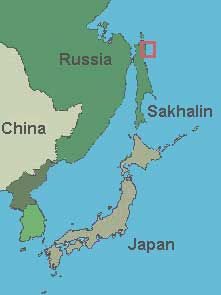
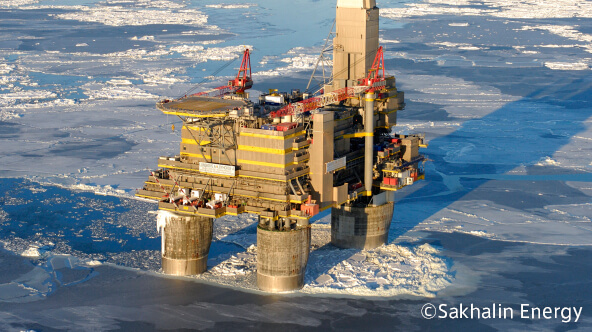
The Sakhalin-2 (Russian: Сахалин-2) project is an oil and gas development in Sakhalin Island, Russia. It includes development of the Piltun-Astokhskoye oil field and the Lunskoye natural gas field offshore Sakhalin Island in the Okhotsk Sea, and associated infrastructure onshore. The project is managed and operated by Sakhalin Energy Investment Company Ltd. (Sakhalin Energy).
Sakhalin-2 includes the first liquefied natural gas plant in Russia. The development is situated in areas previously little touched by human activity, causing various groups to criticize the development activities and the impact they have on the local environment.
.. .
.

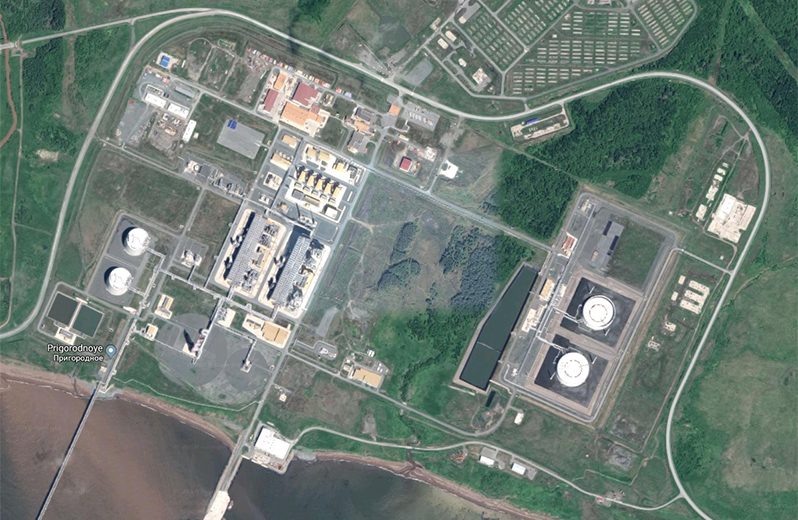
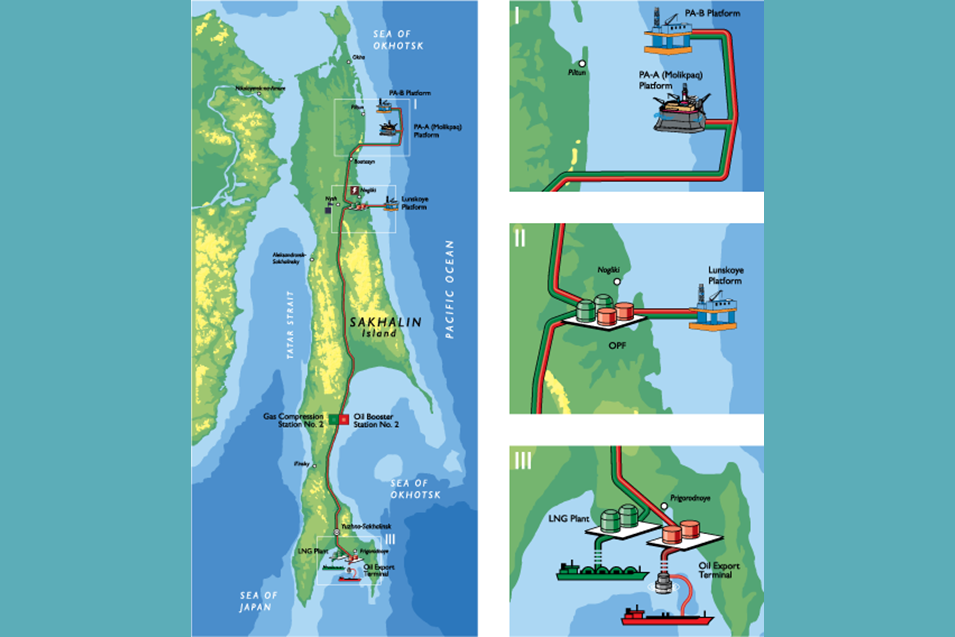
Sakhalin 2, Phase II Pipelines Project 可以透過管線直接引進
俄羅斯的天然氣日本使用,只如今日本被美國利用制裁俄羅斯,導至於Sakhalin 2, Phase II Pipelines Project.停工甚至於停止供應天然氣,使得日本斷氣.202204.
.
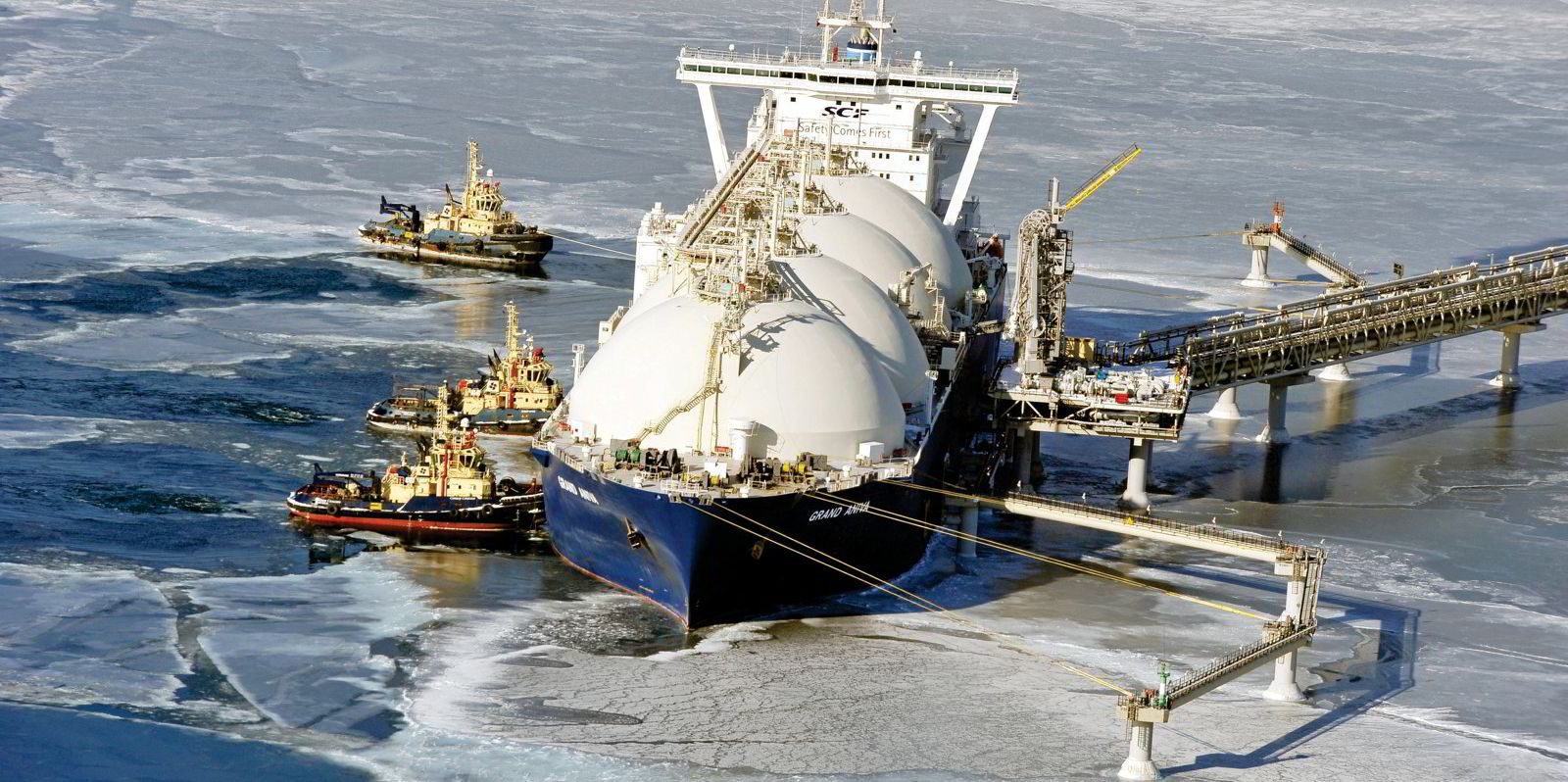
Sakhalin 2, Phase II Pipelines Project for Sakhalin Energy Investment Company (SEIC) was an extremely complex and challenging project on a number of levels: political, environmental, cultural, regulatory, topography, geophysical, weather, etc. Further difficulties were added by the sizable scope of work and contractual and organizational arrangements devised by the protagonist:
The onshore oil and gas pipelines run from Piltun in the north of Sakhalin Island via the Onshore Processing Facility (OPF), near Lunskoye, to Prigorodnoye, in the south. The two pipeline systems each cover a distance of over 800 km, including 126 km of swamp crossings, 110 km over mountainous routes, more than 1,000, mainly small but sensitive, river crossings, 18 rail crossings, 10 road crossings, and 21 seismic fault crossings. The distance from the Piltun landfall to the OPF is 172 km (pipeline diameters in this part of the route are 20 inch for both the oil and the gas line). The distance from the OPF to the Liquefied Natural Gas/Oil Export Terminal (LNG/OET) plant is 637 km (pipeline diameters in this part of the route are 24 inch and 48 inch for the oil and gas line respectively). Two Short multiphase pipelines (30 inch diameter, onshore length 7 km) and a 4-inch Mono-Ethelyne Glycol - MEG – pipeline in the same right-of-way connect the landfall at Lunskoye to the OPF. The scope included a Gas Distribution Terminal (GDT) approximately 18 pigtraps and 160 block valves of various diameters, high voltage electric cables and fibre optic cables.
Starstroi was awarded the EPC contract and with Saipem operated as a management contractor but had contractual arrangements with Lukoil and Spiecapag. The pipeline route was divided into 4 sections from north to south 272kms, 175kms, 160kms, and 190kms and construction completed by 7 Russian pipeline subcontractors with a combined workforce totalling over 5,000 workers.
.