置頂精選
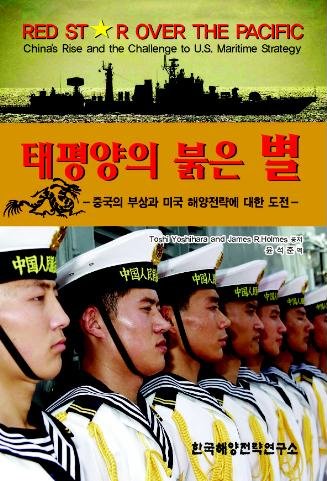
2022.《中國海軍現代化:對美國海軍能力的意義》China Naval Modernization: Implications forUS/navy.
2022/02/02 11:13
瀏覽1,580
迴響0
推薦6
引用0
.
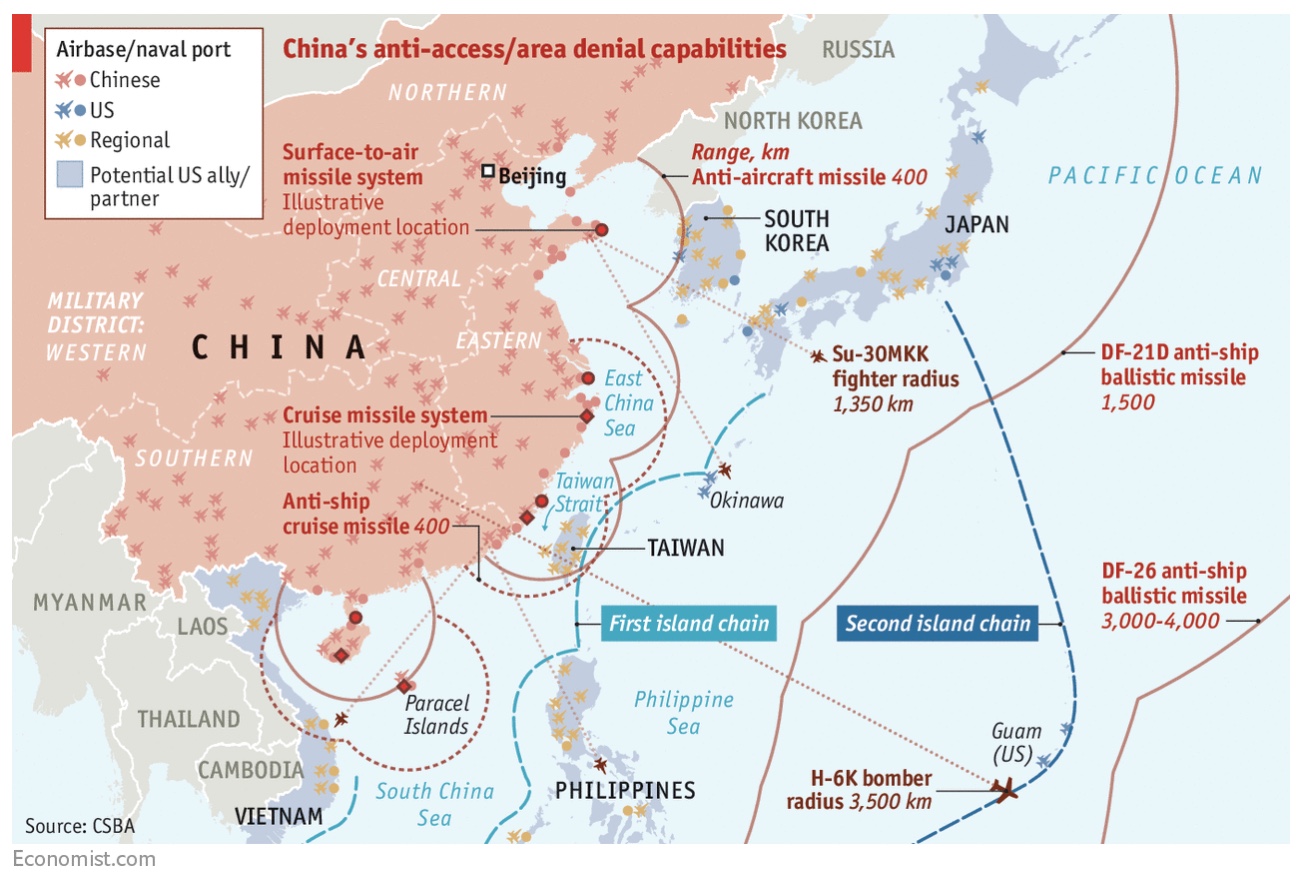
.CHINA A2/D2 vs USA. A2/D2.
WHO WIN ?
.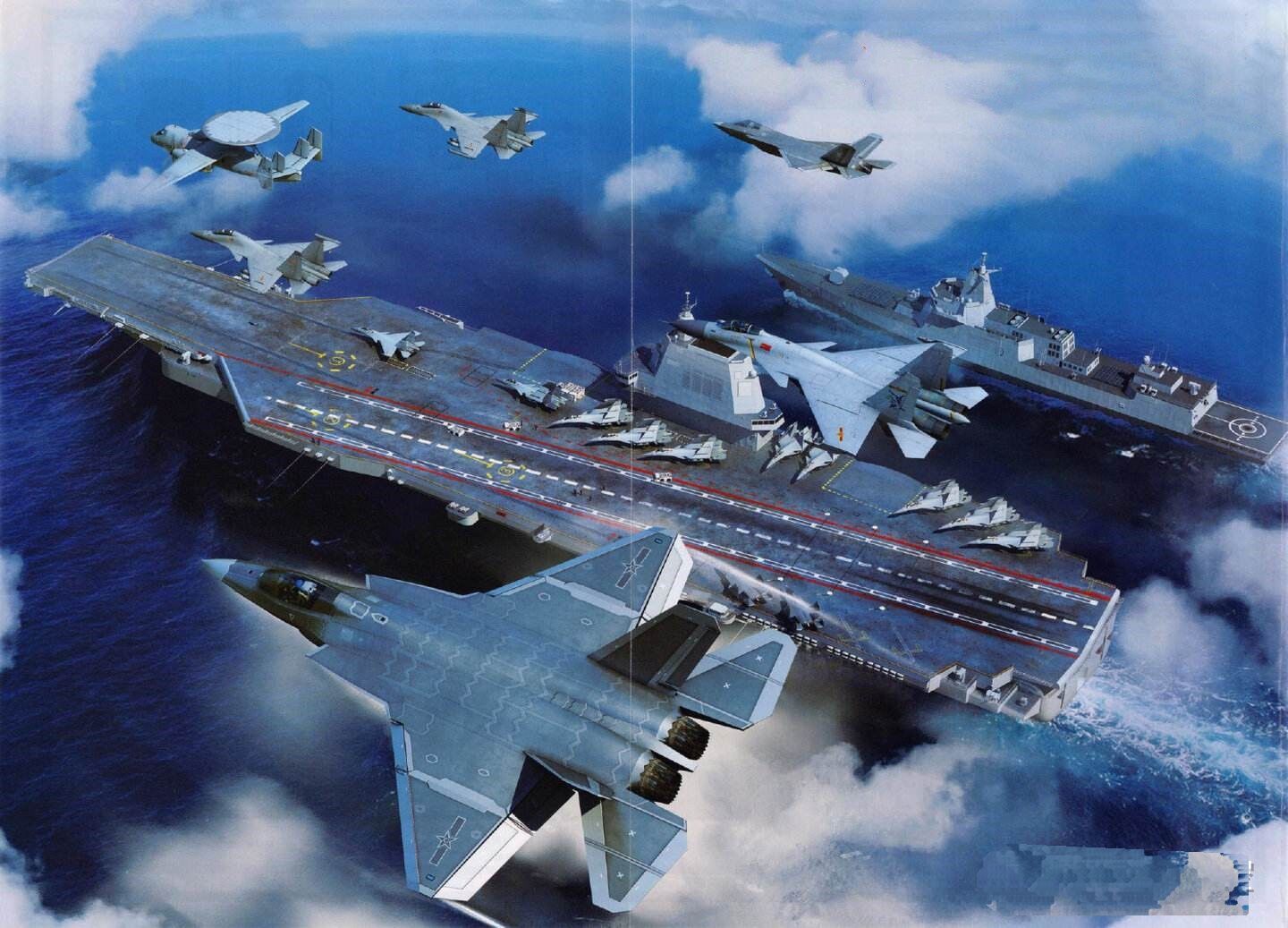
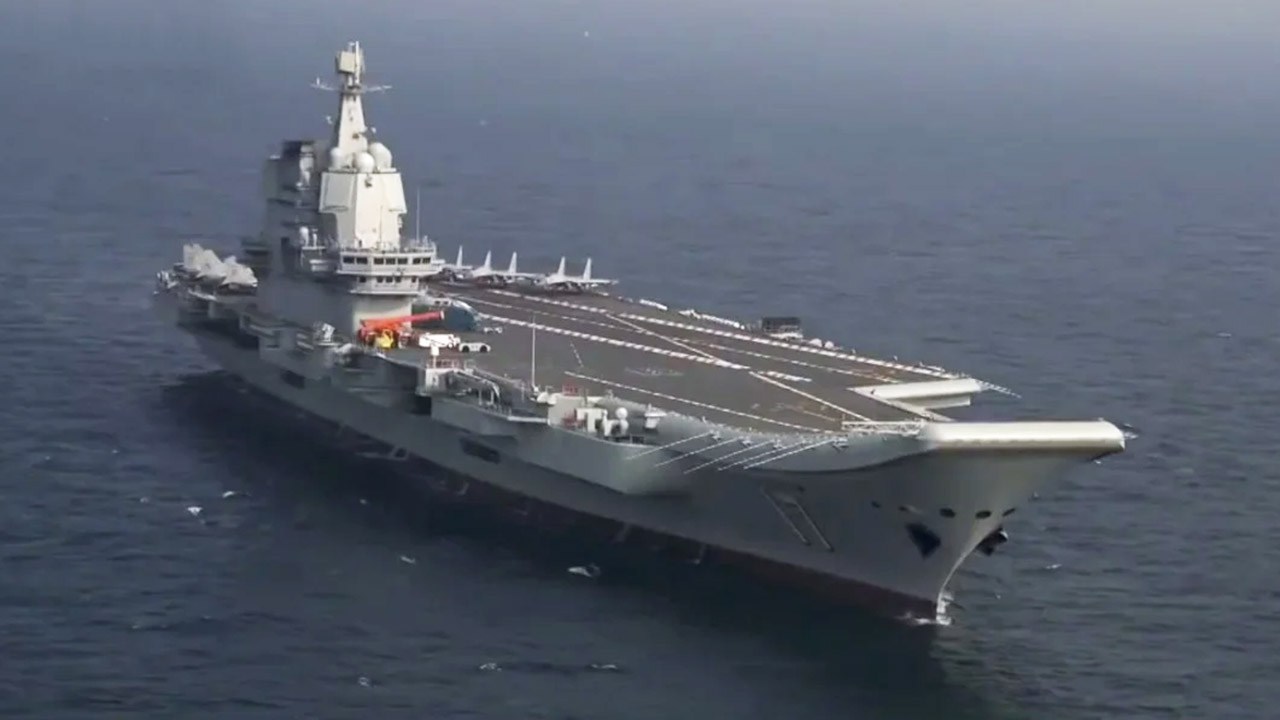
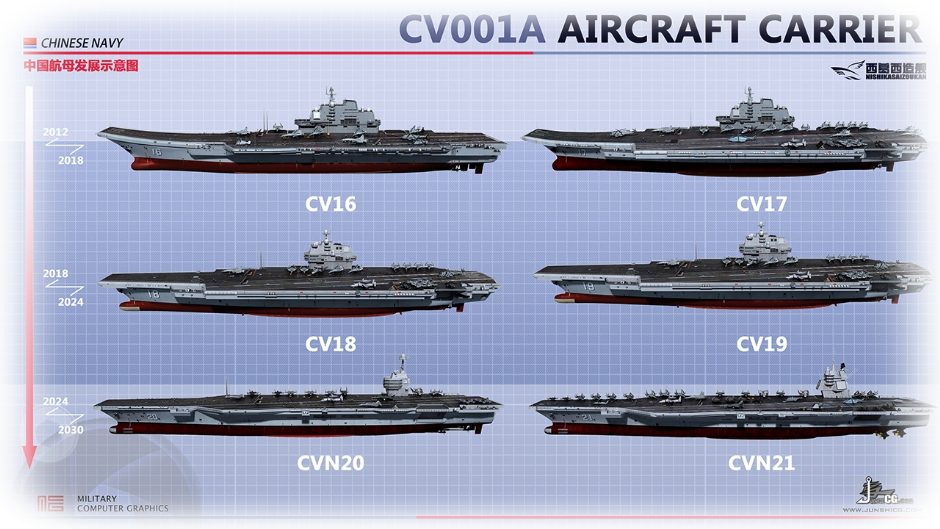
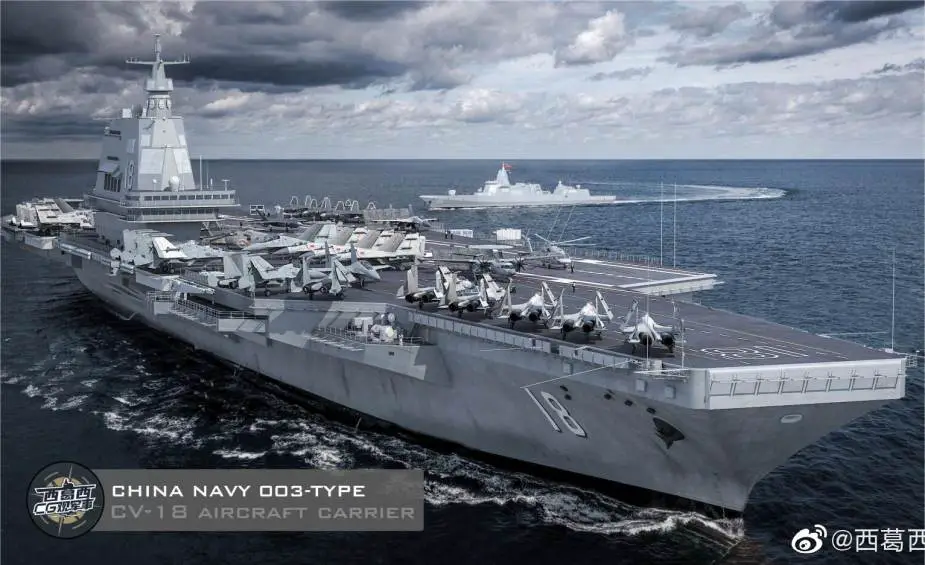
.CHINA CV-18 SO GREAT.
J-35/A.for China navy operation compeition with US/ navy.F-35./A.B.or C.type.
..

..
 .
.中國海軍正增加在更遠海域的活動,中國軍艦已經進入西太平洋、印度洋和歐洲附近水域活動。在美國海軍實現並保持在戰爭期間對西太平洋的控制能力的時候,中國海軍的舉措越來越被視為對這種能力的挑戰。
這是美國海軍在冷戰後第一次遇到類似挑戰。而在中國對美國長期地位挑戰中,中國海軍是其中的主要因素。
美國國會研究服務院的報告還提到近年來為應對中國海軍現代化美國海軍做出的一系列努力,如擴大在太平洋的海軍部署。
.Brief Overview of China’s Naval Modernization Effort Key overview points concerning China’s naval modernization effort include the following: China’s naval modernization effort, which forms part of a broader Chinese military modernization effort that includes several additional areas of emphasis, has been underway for more than 25 years, since the early to mid-1990s, and has transformed China’s navy into a much more modern and capable force. China’s navy is a formidable military force within China’s near-seas region, and it is conducting a growing number of operations in more-distant waters, including the broader waters of the Western Pacific, the Indian Ocean, and waters around Europe.
China’s navy is, by far, the largest of any country in East Asia, and within the past few years it has surpassed the U.S. Navy in numbers of battle force ships (meaning the types of ships that count toward the quoted size of the U.S. Navy), making China’s navy the numerically largest in the world. DOD states that “the PLAN is the largest navy in the world with a battle force of approximately 355 platforms, including major surface combatants, submarines, aircraft carriers, ocean-going amphibious ships, mine warfare ships, and fleet auxiliaries.
This figure does not include 85 patrol combatants and craft that carry anti-ship cruise missiles (ASCMs). The PLAN’s overall battle force is expected to grow to 420 ships by 2025 and 460 ships by 2030. Much of this growth will be in major surface combatants.”
China’s naval ships, aircraft, and weapons are now much more modern and capable than they were at the start of the 1990s, and are now comparable in many respects to those of Western navies. DOD states that “as of 2020, the PLAN is largely composed of modern multi-role platforms featuring advanced anti-ship-anti-air, and anti-submarine weapons and sensors.”
ONI states that “Chinese naval ship design and material quality is in many cases comparable to [that of] USN [U.S. Navy] ships, and China is quickly closing the gap in any areas of deficiency.” Some U.S. observers are expressing concern or alarm regarding the pace of China’s naval shipbuilding effort and resulting trend lines regarding the relative sizes and capabilities of China’s navy and the U.S. Navy.
China’s navy is viewed as posing a major challenge to the U.S. Navy’s ability to achieve and maintain wartime control of blue-water ocean areas in the Western Pacific—the first such challenge the U.S. Navy has faced since the end of the Cold War. China’s navy forms a key element of a Chinese challenge to the long-standing status of the United States as the leading military power in the Western Pacific. China’s naval modernization effort encompasses a wide array of platform and weapon acquisition programs, including anti-ship ballistic missiles (ASBMs), anti-ship cruise missiles (ASCMs), submarines, surface ships, aircraft, unmanned vehicles (UVs), and supporting C4ISR (command and control, communications, computers, intelligence, surveillance, and reconnaissance) systems. China’s naval modernization effort also includes improvements in maintenance and logistics, doctrine, personnel quality, education and training, and exercises.
China’s military modernization effort, including its naval modernization effort, is assessed as being aimed at developing capabilities for addressing the situation with Taiwan militarily, if need be; for achieving a greater degree of control or domination over China’s near-seas region, particularly the South China Sea; for enforcing China’s view that it has the right to regulate foreign military activities in its 200-mile maritime exclusive economic zone (EEZ);
for defending China’s commercial sea lines of communication (SLOCs), particularly those linking China to the Persian Gulf; for displacing U.S. influence in the Western Pacific; and for asserting China’s status as the leading regional power and a major world power
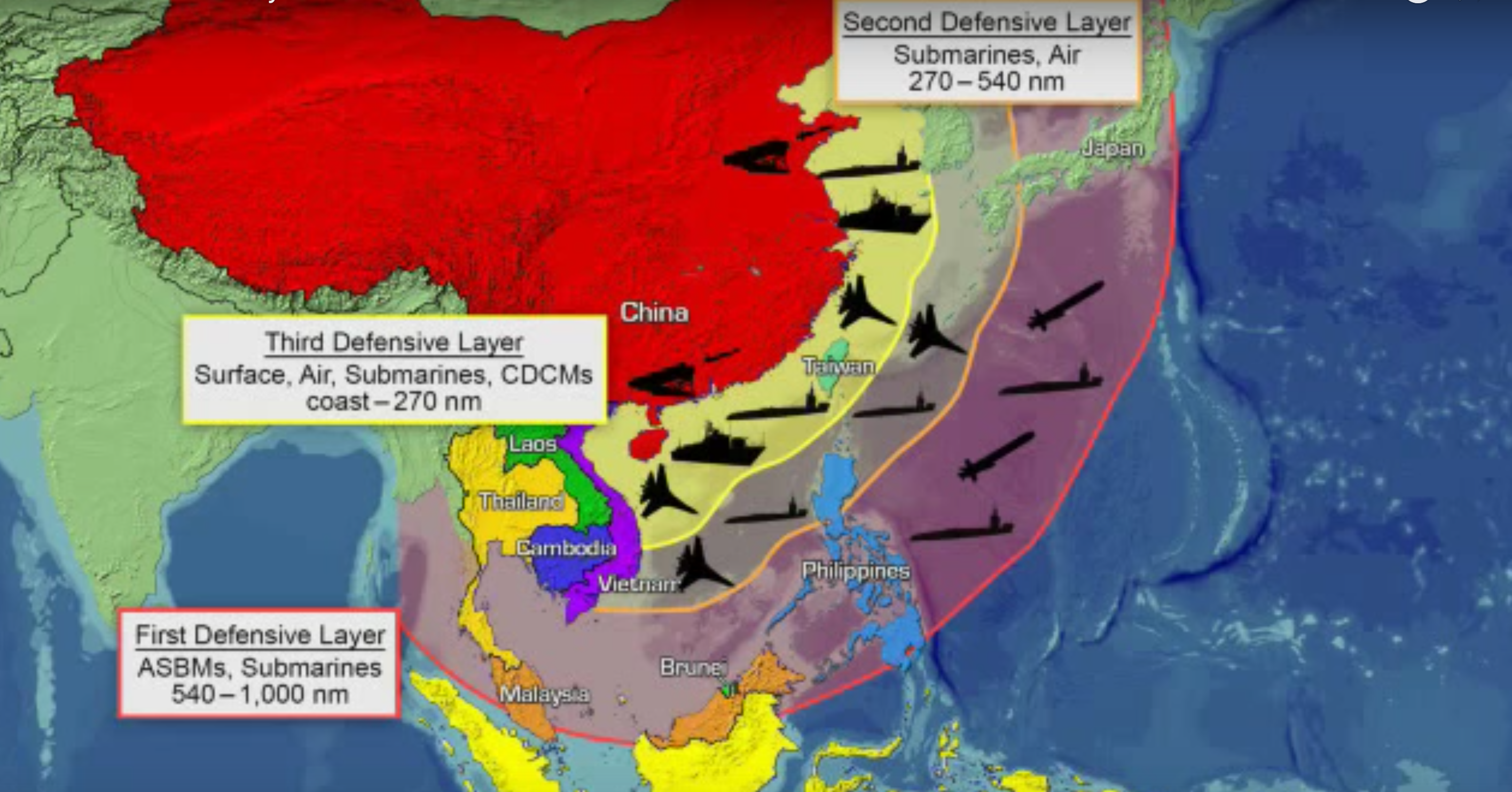
Consistent with these goals, observers believe China wants its navy to be capable of acting as part of a Chinese anti-access/area-denial (A2/AD) force—a force that can deter U.S. intervention in a conflict in China’s near-seas region over Taiwan or some other issue, or failing that, delay the arrival or reduce the effectiveness of intervening U.S. forces. Additional missions for China’s navy include conducting maritime security (including antipiracy) operations, evacuating Chinese nationals from foreign countries when necessary, and conducting humanitarian assistance/ disaster response (HA/DR) operations

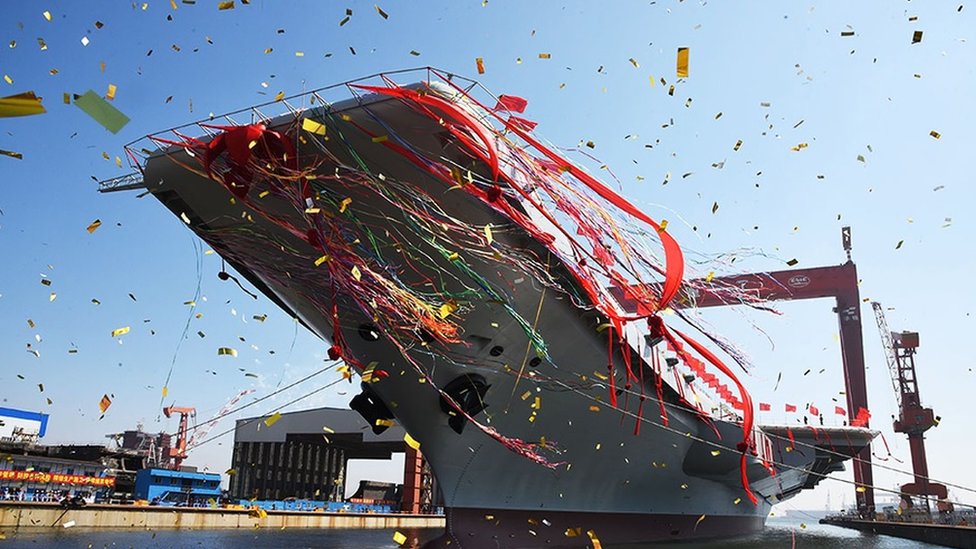
.CHINA CV-16.SO GREAT.
中國海軍遼寧號航空母艦創造新的記錄,令美國海軍訝異,
完成不可能的任務.
令人訝異敵是中國海軍將1艘並未完工淘汰的老舊型航空母艦買回重新建造,使用開創出新的局面,這樣一來史無前例,由中國海軍打破記錄.
.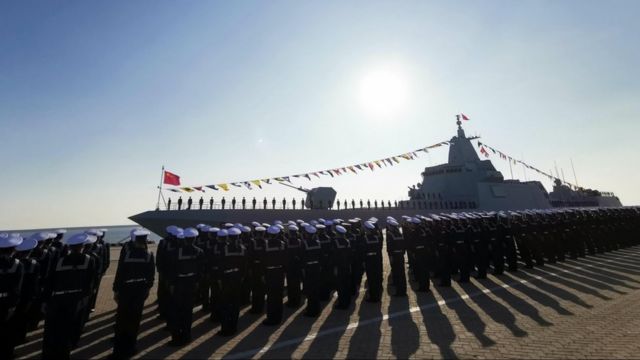
中國海軍已經發展成亞太地區最強大的海軍,其規模已經遠超地區其他國家的海軍。而且在作戰艦艇數量上,中國海軍幾年前就已經超過了美國海軍。

中國的軍事現代化努力,包括海軍現代化努力旨在獲得能夠用軍事手段解決台灣問題的能力,而且在需要的情況下,對中國近海地區,特別是中國南海實行控制,因為中國認為在200海里範圍內的專屬經濟區中國有權兼管外國的軍事活動。
另外中國軍事現代化的目標還包括:維護中國的海上交通線,特別是從中國到波斯灣的海路;取代美國在西太平洋的影響;確立中國作為地區大國和主要世界強國的地位。.為實現上述目標,中國希望他們的海軍成為中國獲得地區反介入/區域拒止能力(A2/AD)能力努力的一部分,即遏制美國對中國周邊海域進行干預,這包括美國對台灣和其他問題的干預。即使不能實現上述目標,至少也要延遲美軍干預或減少美軍干預的有效性。



你可能會有興趣的文章:
- 日本軍國主義復活 熊本佈署射程1000公里飛彈針對中國:Japanese militarism is reviving; Kumamoto Prefecture deploys missiles with a range of 1000 kilometers to detect Chinese targets.
- 賀中國機車獲得 2026 年WSBK 機車比賽雙料冠軍. CHINA motocycle get 2026 WSBK .world championship
- coffee & books.
- 伊朗牛逼 首次發射4000公里彈道飛彈 攻擊印度洋狄耶戈加西亞英美基地 Iran denies responsibility for missile attacks on Diego Garcia.
- 伊朗伊斯蘭革命衛隊牛逼. Islamic Revolutionary Guard Corps (IRGC)
- 春分


