.
.
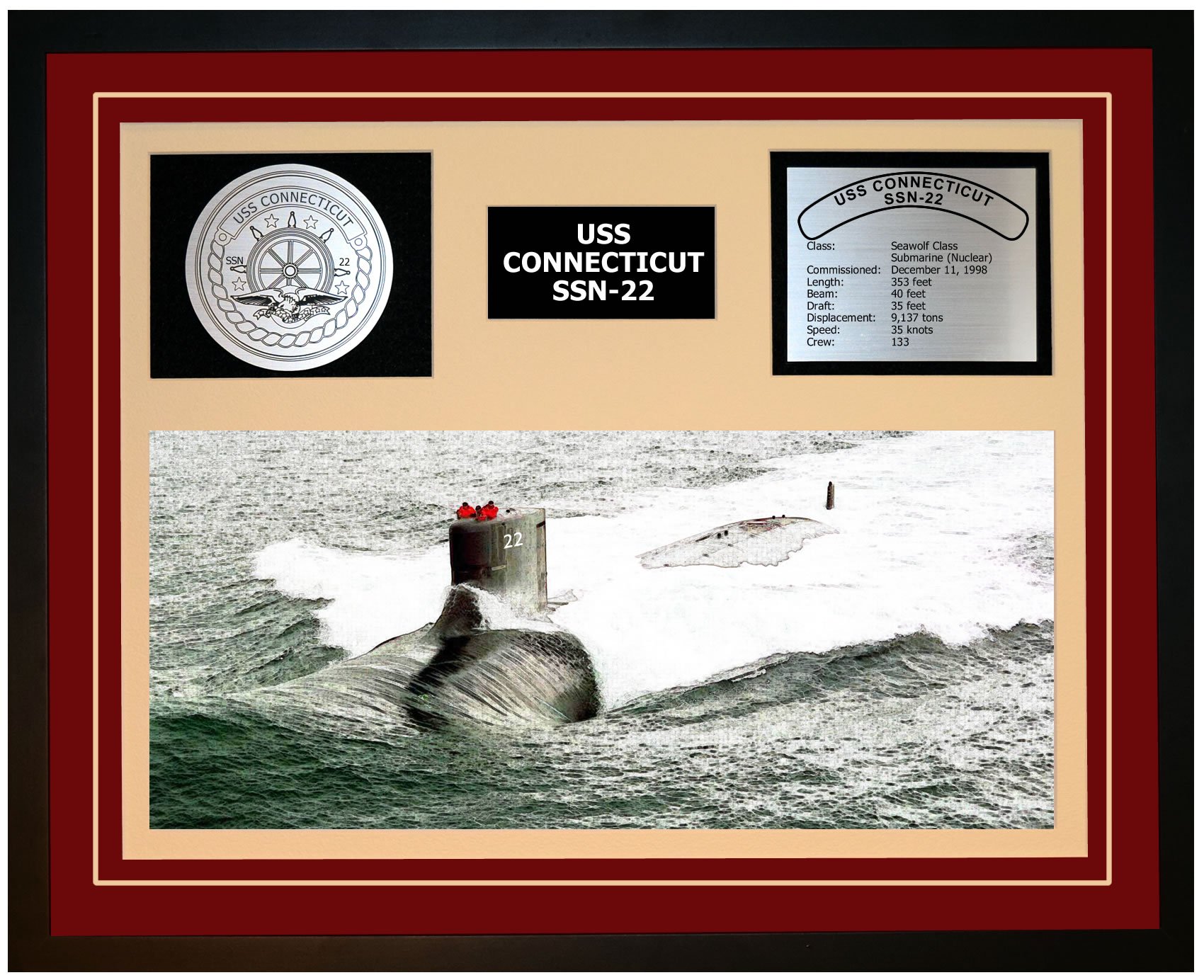
US/SSN-22.極為可能提前退役.?
如果美國海軍不服輸,這樣一來2022 年請再度派遣,SSN-23.前來中國南海再度挑戰中國海軍,SSN-095.
老子等你(美國牛仔)來踢館,哈,哈,哈,OK.
.
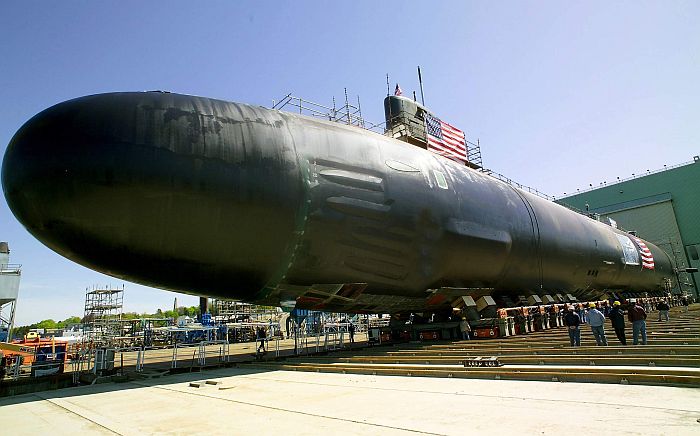
.美國海狼級攻擊型核潛艦 SSN-22.
被中國南海龍王教訓?
且看中國,美國,俄羅斯,如何分析事件以及後續發展故事.
Powerful U.S. Seawolf Attack Submarine Damaged In South China Sea.
According to a Navy statement, a 23-year-0ld Seawolf class nuclear-powered attack submarine, USS Connecticut (SSN-22), “struck an object while submerged” on October 2. U.S. Naval Institute News reports the mishap occurred in the South China Sea, in international waters. Eleven U.S. sailors suffered minor to moderate non-life-threatening injuries. The submarine is stable and is expected to arrive in Apra Harbor, Guam within the next twenty-four hours.
While U.S. officials were quick to suggest to reporters that the U.S. submarine did not collide with another submarine, given the level of military activity in the region, any undersea collision with an unknown object is always suspect. Given the lag in publicly announcing the incident, the habitual reticence of America’s undersea community, the sensitivity of the region, and the high local tensions as China continues to test the Taiwanese air defense zone, it will be interesting to see if a second scratched-and-dented submarine, unmanned underwater vehicle or vessel emerges someplace in the next few weeks.
At the time of the mishap, a six-nation, four-aircraft carrier task group was exercising just outside of the South China Sea. A joint U.K. and Japan submarine drill had recently taken place. With so much going on, the prospect of uninvited observers cannot be easily dismissed. A Seawolf class submarine, one of the most capable undersea fighters in the U.S. arsenal, would be an ideal candidate to detect, catalog, and track intruders.
While alarming, undersea mishaps are not unusual events for submarines. Most notably, the former Los Angeles class submarine, USS San Francisco (SSN 711), suffered a catastrophic collision with a seamount while transiting the Pacific in 2005. Less severe mishaps occur relatively frequently. Since Fiscal Year 2009, at least two ballistic missile submarines and three attack submarines have either run aground or collided with another vessel. In some cases, these are not trivial incidents—the 2009 collision between the Los Angeles class attack submarine USS Hartford (SSN 768) and the amphibious vessel USS New Orleans (LPD 17) injured fifteen sailors and caused over $120 million in damages to the submarine alone.
Things To Remember: Operating In The South China Sea Is Not Easy?
USA SSN-22.擬似被CHINA navy SSN-095以演習專用漁雷(空鞄彈)擊中艦首指揮艙,導致於11人受傷?
..TIME: 20211002.AM:03:00
PLACE :SOUTH CHINA SEA.
Yu-6 torpedo .China navy .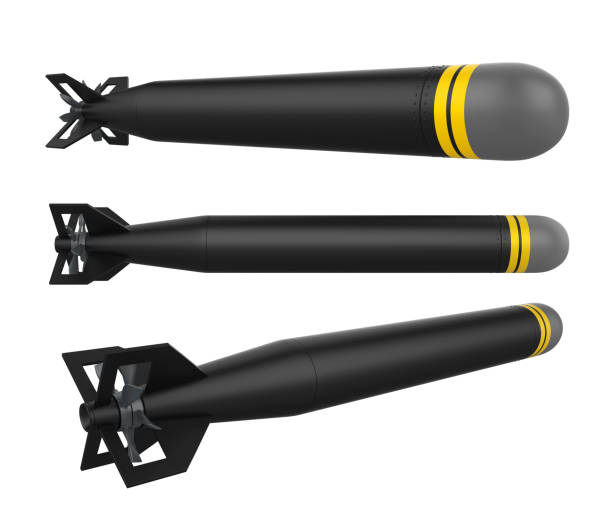
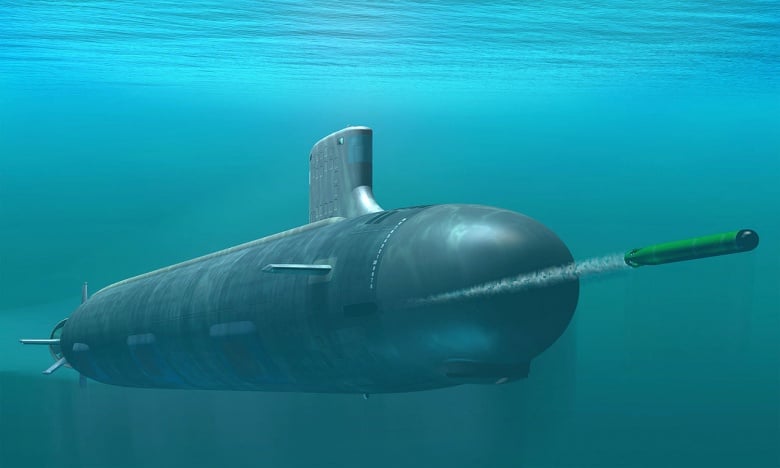

US/SSN-22 ATTACK BY SOUTH CHINA DRAGON KING ?
While details are scarce, operating a nuclear submarine in and around the South China Sea is not particularly easy. This is a busy, lightly regulated stretch of water, and, in many places, it is too shallow to offer submarines much of a chance to maneuver away from peril.
The environment is tough. In 2008, Naval History Magazine published an account of a 1972 South China Sea Patrol as the nuclear attack submarine USS Sculpin (SSN 590) trailed a Vietnamese trawler from Hainan China to the Natuna Islands and then to the Gulf of Thailand.
The account detailed perilous passages through hundreds of miles of “dangerous ground,” that was “littered with rocks, shoals, and shipwrecks,” where the latest soundings had been done in 1885. Fishermen were frequently encountered. Uncharted non-operational oil drilling platforms were a particular risk.
There was little room to maneuver, and the sub frequently operated with only 20-30 feet of water beneath the keel. Even then, noise from surface traffic rendered the sub’s sonar useless at times.
If the South China Sea was already tough to transit in 1972, it has only gotten harder today. The waterways have gotten busier, and fly-by-night oil explorers, undersea miners and illegal dumpers change the sea bottom with impunity. Flotsam and jetsam are on the increase—some 3,000 shipping containers have been lost in the Pacific this year alone. It is a perilous, noisy place that can easily blind an unready, unwary or tired submariner.
The USS Connecticut is an important part of America’s undersea arsenal. A high-demand asset, the sub will be prioritized for repair, stressing already maxed-out U.S. submarine repair resources. If the damage is significant, the loss risks disrupting America’s deterrence-based Pacific strategy, shaking up everything from Taiwan defense strategy to discussions on Australia-U.K.-U.S. nuclear submarine cooperation.
In a strategic sense, the three Seawolf class submarines are likely to be quite useful in the South China Sea region. A Cold War sub, first designed to penetrate the Soviet Union’s well-defended missile submarine “bastions,” the Seawolf class is faster, more heavily armed and better equipped with sensors than America’s Cold War stalwart, the Los Angeles class submarine. The newer Virginia class submarines that are entering U.S. service are something of a step back, a more cost-effective design for a post-Cold War world. In short, a Seawolf class sub is just the type of submarine America needs to safely poke about in the closely watched and often contested areas off Taiwan, Hainan and the islets of the Philippines and Vietnam.
There should be no surprise that a Seawolf was operating in the area.
But America only has three Seawolf class submarines. Without the threat of a lurking Seawolf class sub, China may feel far more secure in threatening Taiwan and other regional neighbors.
The extent of the damage is not yet known, but if the 2009 collision of the USS Hartford (SSN 768) is any guide, that accident put USS Hartford out of action for two years. If the USS Connecticut is out of action for a similar amount of time, America’s sub deployment and refit schedules will be disrupted.
With not a lot of slack available, the loss will be felt quickly. Most of America’s 28 remaining Los Angeles class subs are reaching the end of their service lives, and facing rapid “block” retirements. The newer Virginia class attack submarines are still entering service, and the submarine defense industrial base is struggling to keep up with never-ending demands for more attack submarines. If the Connecticut is severely damaged, the Navy and Congress may need to consider ramping Virginia class submarine production up from two subs a year to three, helping to make up for the missing undersea warfighter.
The repairs themselves will either be conducted at a private yard or in a taxpayer-owned navy hard. The private shipyards, tasked to fabricate enormous new Columbia class ballistic missile submarines. are also building Virginia class subs. They are already stretched thin with the work they have. The four taxpayer-owned Navy yards, tasked with handling the Navy’s complex, nuclear-powered boats, are already overtasked. Either way, the workers needed to repair the USS Connecticut will be taken off of other jobs—there’s absolutely no slack in the sub production and repair community to handle contingencies like this.
Conclusion: Wait And See
In incidents like this, the first reports are almost always wrong. While the mishap certainly seems like an accident, the location, circumstances and the tardy U.S. announcement is concerning. The Navy—or the Pacific Fleet—held this news without alerting the rest of the U.S. government, then Navy leaders need to explain the reasons behind the notification delay.
Losing such an important combatant to an avoidable accident is tough enough, but the alternatives are even uglier. An accidental or avoidable collision with a friendly vessel or submarine would be a disaster, but, with no announcement of unusual maritime damage forthcoming from other nations, this scenario seems unlikely.
On the other hand, if China, Russia or some other country is adopting confrontational “wolf warrior” tactics underseas, mirroring past unprofessional Chinese behavior in the air and at sea, this should be a concerning wake up call for everyone in the naval enterprise.
We should know more soon.
前蘇聯波羅的海艦隊司令及海軍官員分析,「康乃狄克號」SSN-22.是美國海軍最現代化的核潛艦,因此不太可能是導航設備出現故障而撞上暗礁或岩石;也很難想像這艘現代化潛艦,沒有發覺其他潛艦逼近而發生意外。但一般情況下,考慮到有人員受傷,潛艦應該會浮出水面檢查損壞情況,會延遲5天才宣布,顯示「撞況」並不單純。俄羅斯海軍大膽假設SSN-22.當時發現中國海軍攻擊型潛艦SSN-095.給予追蹤引此關閉其艦首聲吶感應器,以防止被中國海軍095-SSN.探測得知,有美國潛艦跟蹤埋伏,甚至於發動攻擊,因為095 SSN.是中國海軍最新型的攻擊型核子潛艦,常年佈署於中國南海鎮守國門,筆者曾經於202005月報導,中國海軍095 SSN.曾經擊退美國海軍SSBN-794,如果屬直實這樣一來,美國海軍SSN-22.此番前來中國南海就是要報一箭之仇,替美國海軍挽回面子,誰人知曉美國海軍作弊,反而在中國海軍與美國海軍20211002.實兵實彈演習中又失敗喇,美國海軍在中國南海的水面下500-600公尺左右發現中國海軍095-SSN.展開貓捉老鼠的戰爭遊戲,其結果在不熟悉的深海裡遭遇到強烈性的亂流襲擊,因為當時SSN-22.放慢航術速僅有10節且自動駕駛靜音跟蹤,中國海軍SSN-095.俄羅斯海軍進一步分析指出,此時SSN-22.潛艦官兵放鬆警戒心,他們有人開始喝咖啡及食用點心,因為已經在廣大的中國南海執行任務24小時喇,應該放鬆一下,認為保證獵殺到中國海軍095-SSN.豈料深海中驟然生起強烈性亂流撲向,美國SSN-22.導致於反應不即碰撞上水中暗礁或是山壁?.
.
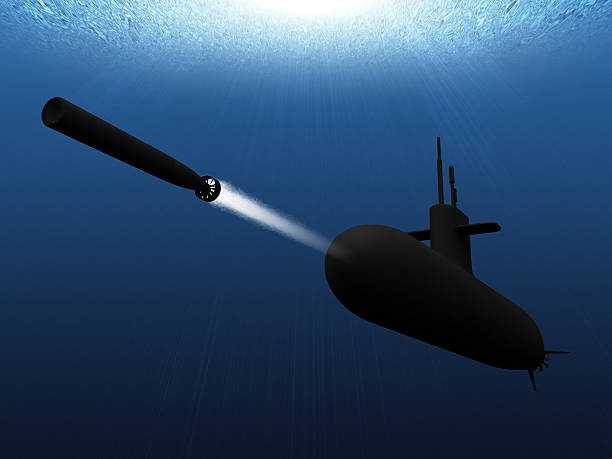
俄羅斯軍事情報分析指出USA SSN-22.擬似被CHINA navy SSN-095以演習專用漁雷(空鞄彈)擊中艦首指揮艙,導致於11人受傷? Yu-6 torpedo.極高速無聲? 導致於SSN-22.無法偵測?
.
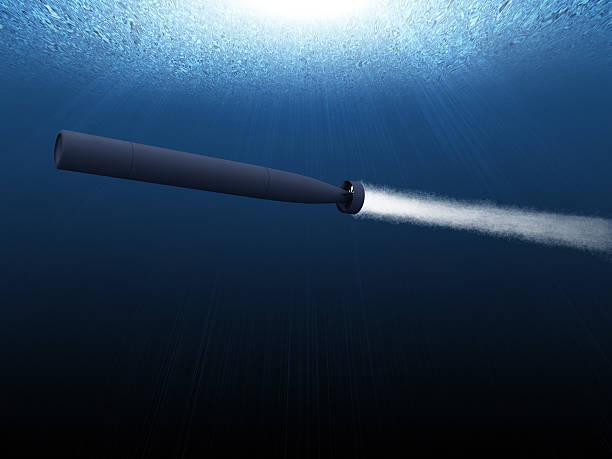
.俄羅斯有情報傳聞指出美國海軍SSN-22.被中國海軍SSN-095.的
Yu-6 torpedo (空鞄彈擊中)?
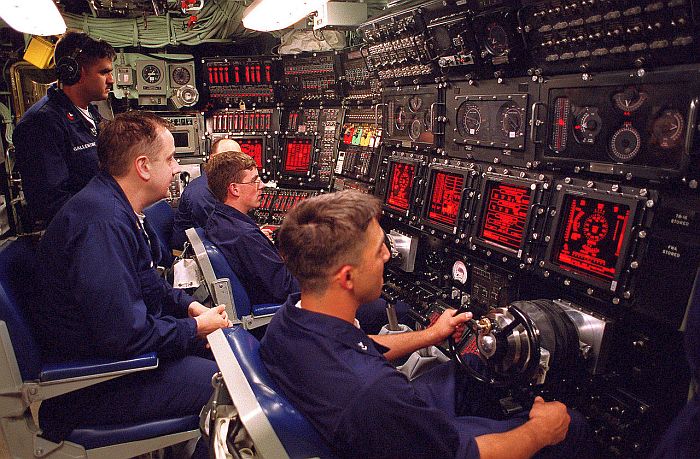
20211002.SSN-22.高興的太早發現CHINA 095-SSN.予以跟蹤,並且關閉艦首聲吶感應器? 開始放鬆警戒心,此實有人擅離職守工作崗位,去喝咖啡及食用點心SSN-22.改由自動駕駛航速10節?...
 .
.
CHINA navy SSN-095 vs US navy SSN-22.
It is a real battle for war issue.
US/SSN-22.聲吶員聽不到任何中國095 SSN 的聲音?
俄羅斯海軍大膽假設20211002.深夜中國海軍與美國海軍雙方都已偵測到彼此的存在,因此不約而同關閉聲吶感應器,展開貓捉老鼠的遊戲看看誰的本領技高?..
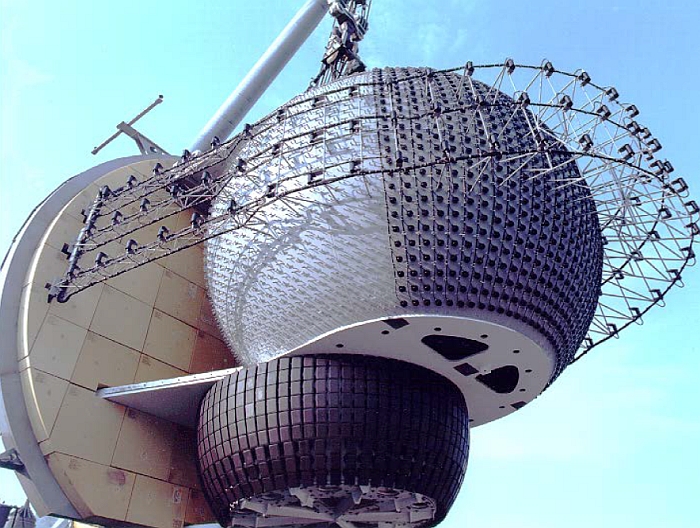
海狼號的艦首球型聲納陣列上方的大型圓球是直徑7.315m的被動聲納陣列,下方連接在一起碗型陣列的是特殊的球型被動陣列聲吶感應器,這是美國海軍的密秘武器與蘇聯海軍等級,此番遭受到強烈撞擊已經損壞無法修復,?
傳聞中國海軍最新型SSN-095.SSBN-096.均裝設改良版此種聲吶感應器具?..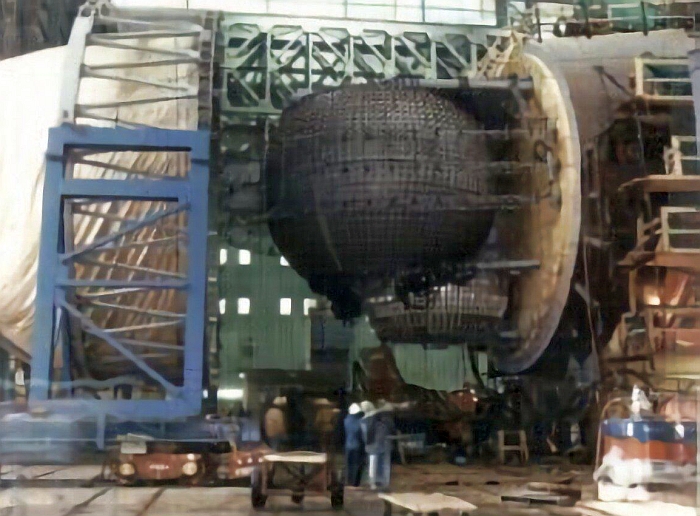
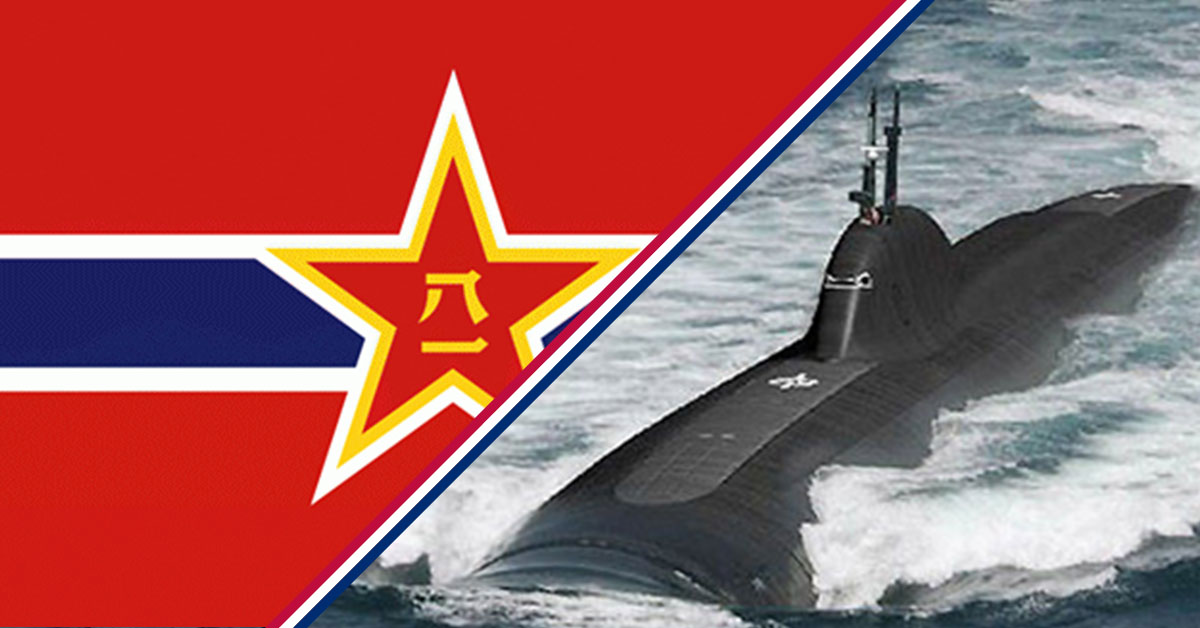
CHINA 095-SSN.SO GREAT.
China’s Type 095 Nuclear Attack Submarine: A Threat To The US Navy?
中國方面則是由外交系統對此事做出回應,要求美方清楚交待事故發生具體地點、航行意圖、事故詳情、到底碰撞到什麼?是否造成核洩漏?是否破壞當地海洋環境?
中方要求美國海軍公開20211002.當天巡航海圖及航海日誌,以供查證以證視聽,否則美國單方面據說,是在國際海域執行任務,其實是處在中國領海範圍內搞亂? 其實最重要的是SSN-22.此番潛伏於中國南海,已經侵犯中國的主權,而且在水下執行密秘任務,企圖攻擊中國的核子潛艦SSBN-094.SSN-095.以及航空母艦山東號CV-17.因為美國揪出來英國,澳洲,日本,南韓,荷蘭,印度等國家海軍,在中國南海202110月初舉辦大規模海域演習,鎮壓中國建國72週年.

The U.S.S. Connecticut is a Seawolf-class submarine, a high-powered type of submersible vehicle originally created during the Cold War era to combat Soviet ballistic missile submarines in the late 1980s. The Connecticut was commissioned in 1998.
Seawolf submarines have a silent speed of 20k, with a total crew of 116, including 15 officers.
The U.S.S. Connecticut did have to return to the surface, and will reportedly arrive in Guam in the near future.
美國海軍中最先進的海狼級核動力快速攻擊潛艦「康乃狄克號」(USS Connecticut,SSN-22)最近有阿兵哥爆料,整艘潛鑑已經被床蝨(bedbugs,又稱臭蟲)入侵?
這艘高23歲的潛艦尚在服役先進的武器抵擋不住蝨蟲的侵襲此外SSN-22.巡弋中國南海之前202108.曾經停泊日本,官兵上岸休假,尋歡做樂,喝酒,嫖妓,吸食毒品,甚至於夾帶攜帶至船艦上使用,美國海軍隱瞞事實真像值得注意觀察.
此次美軍SSN-22號攻擊型核潛艇,在中國南海水下,到底遭遇到了何種變故,導致潛艇與“一些東西”造成了碰撞、潛艇受損、官兵受傷呢?
“康涅狄格”號攻擊型核潛艇在水下與其它國家的安靜型潛艇或其它人造物體發生碰撞,這個可能性是完全存在的:畢竟一方面,以攻擊型核潛艇在水下的態勢感知能力而言,SSN-22,它的態勢感知能力其實是不算太強的,對於海水中的空泡噪音、機械噪音極其明顯的水面艦艇,攻擊型核潛艇可能在上百海里外就能進行大致測向,在數十海里外就有可能進行精密測距。
但對於安靜型核潛艇來說,攻擊型核潛艇的態勢感知距離很有可能會驟減到數十海里甚至十幾海里,精密測距可能會逼近到幾海里以內,這導致兩艘安靜型攻擊型核潛艇在水下試探和對抗時,互相發現的距離可能相當近,完全看二者之間的訓練和反應速度。在對抗烈度較高、水下戰互相試探極其頻繁的海域,兩艘安靜型核潛艇、或者核潛艇與其它潛艇釋放的無人水下潛航器(可以有效延展核潛艇的態勢感知範圍)發生碰撞,這種可能性是完全存在的。
美國海軍促觸犯禁忌,讓女人上船,20070206美國康乃狄克州小姐,曾經應邀上艦參觀.導致於該艦未來1年都不順利.commanding officer of the fast attack submarine Connecticut (SSN-22), shows Miss Connecticut 2006 Heidi Voight the ships periscope during a tour of the boat on 6 February 2007.女人在船艦上是禁忌尤其是生理期間是不潔淨的觸犯海神..

SSN-22.Sailors say this submarine has been ravaged by bedbugs.
SSN-22.is 23 years old ship.

Sailors assigned to the fast-attack submarine Connecticut say they have been dealing with a bedbug infestation in their racks for roughly a year, and the command has been slow to do anything about it. Some of the bedbugs captured by the crew are shown here.
Nothing Can Kill the Seawolf-class Submarine ?
20211002.SSN-22 Under South China Sea operation security mission?
1:Search China 095-SSN ?
2:Make a chance for attack China CV-17 ?
3: Operation others security mission?
4:Control & Management South China Sea.?
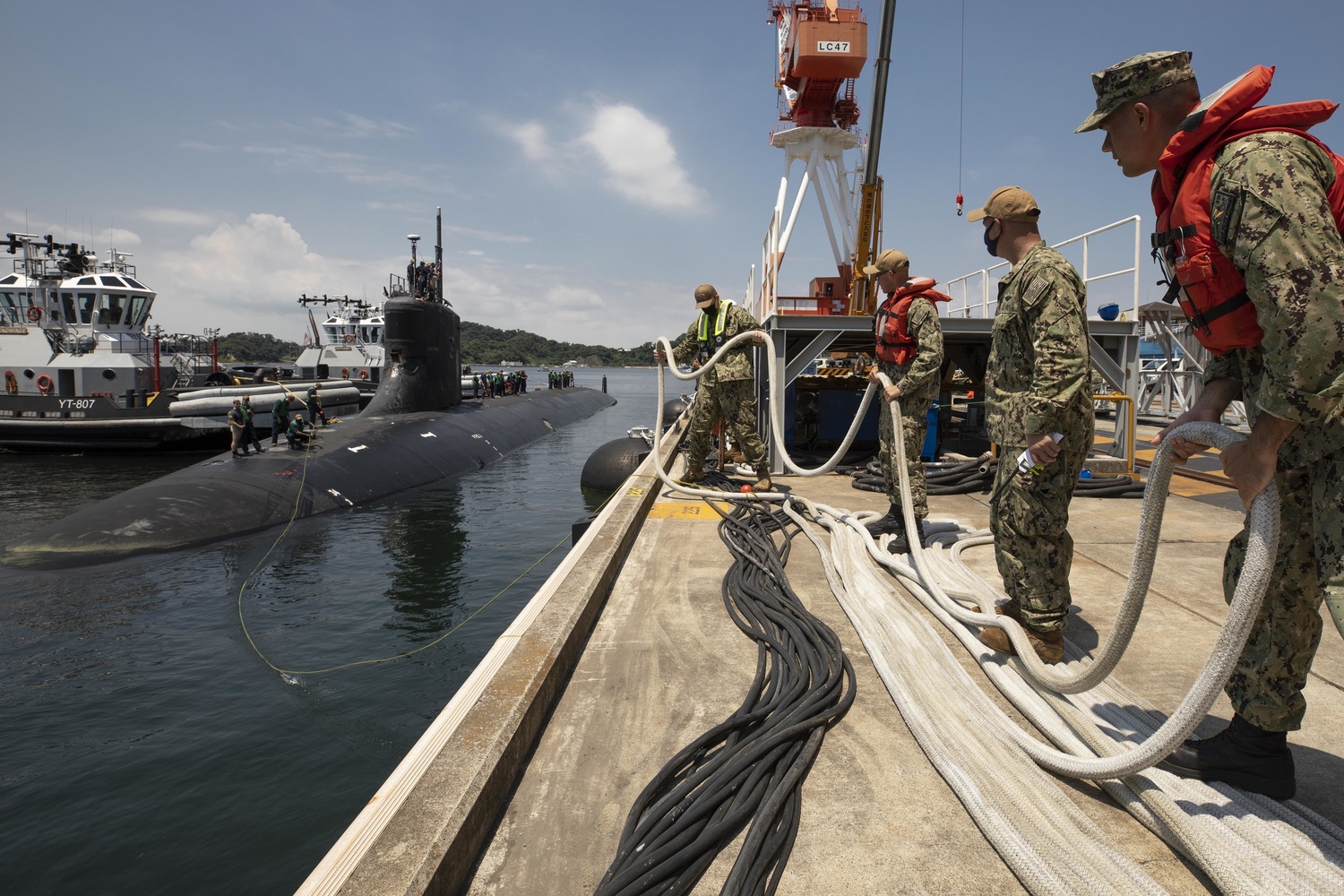
下方照片由於取景角度及陽光照射顯示出,艦首指揮艙前方及右側艙房均有明顯的外傷,俄羅斯海軍專家分析認為該艦的右側消聲瓦設備已經毀壞,至於撞擊力道強烈導致於11人受到傷害.其聲吶感應器也是遭受到毀壞.



 1樓. red square 1232021/10/12 10:21
 red square 123 於 2021/10/12 10:22回覆


