 ..
..
.....................
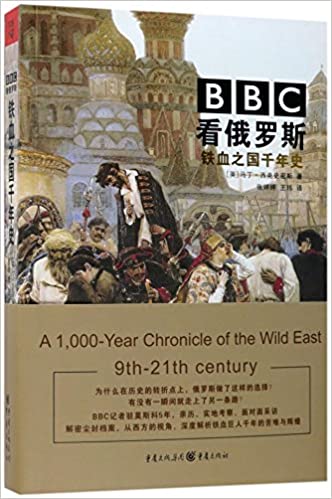
俄羅斯: 一千年的狂野紀事
Russia: A 1000-Year Chronicle of the Wild East.
地球上最大的國家,擁有八分之一以上的陸地面積,西至波羅的海,東至太平洋,南至黑海和裏海,北至北冰洋,橫跨十一個時區,上百個民族,一百五十多種語言。她曾經是歐亞大陸最顯赫的皇族之一,她也曾經是工農兵最驕傲的代表,她的名字叫做「俄羅斯」
英國首相邱吉爾以一個外國人的眼光看俄羅斯時,他說:「我沒辦法向你預測俄羅斯會怎麼做。她是包裹在謎中之謎裡面的一個謎。」那麼,俄羅斯人又怎麼看待自己的國家呢?哲學家彼得.恰達耶夫這麼說:「我們的歷史開始於野蠻和落後之中,接著是殘暴羞辱的外來壓迫,而其價值觀已被我們的統治者吸收過來。我們異常的命運將我們阻隔在其餘人類之外,導致我們未能汲取諸如責任、正義和法治等等的普世價值。……在西歐地區蓬勃發展的新理念,於是無法穿透我們受壓迫和被奴役的狀態。」
自從在九世紀迎來第一位王公,十世紀採用西里爾字母與信了東正教之後,俄羅斯一步一步地脫離狂野的東方。然而十三世紀蒙古鐵騎的入侵,帶來了兩百年的破壞、死亡與奴役,也在俄羅斯留下了具有蒙古特色的政治體制。十七世紀展開的羅曼諾夫王朝,試圖透過西化政策打開一扇面向西方的窗戶,但是拿破崙戰爭又把俄羅斯往東方給推回去。三百年的沙皇統治,歷經改革與暴力,鞏固專制與人民反抗,終於在第一次世界大戰的爆發中,先是被資產階級的二月革命,接著被布爾什維克的十月革命給終結。
十月革命後布爾什維克奪權成功,但俄羅斯並沒有得到平靜,人民也沒有得到民主參政的權利。列寧用恐怖手段剷除異己,繼承者史達林也不斷清算政治敵人。第二次世界大戰讓俄羅斯有了團結一致對外戰鬥的理由,但戰爭結束後,在冷戰結構中,人民又落入政治鬥爭的危機裡。共產黨從來沒有實現人民專政,在那片土地上的人民,生命如同蚍蜉,不斷被一波又一波的政治勢力掃蕩,直到戈巴契夫的開放政策導致蘇聯的瓦解,俄羅斯人似乎終於得以呼吸自由的空氣了。

然而取代戈巴契夫領導俄羅斯的葉爾欽,並沒有完成讓俄羅斯成為一個西方式民主國家的期待。繼他而起的普京儼然復辟的新沙皇,他大權在握,當完了總統當總理,當完了總理當總統,2020年春天更是提出憲法修正案,要讓他自己可以再選兩次總統,每任六年,總共十二年的任期。獨裁者的進化:他讓人民可以有選舉,但無論怎麼選,最後的領導人都是他。
俄羅斯將近一千年來都是一個擴張的帝國,起先受到獨裁君主們,然後受到一個獨裁政黨統治。其面積和實力既是對鄰國的挑戰,也是一種警告。其歷代統治者要求並且獲得了百姓的服從,百姓則反過來從自己國家的遼闊土地和豐富文化得到慰藉。然後帝國土崩瓦解,留下了萎縮殘破的俄羅斯。

Martin Sixsmith : Russia: A 1000-Year Chronicle of the Wild East before purchasing it in order to gage whether or not it would be worth my time, and all praised Russia: A 1000-Year Chronicle of the Wild East:
1 of 1 people found the following review helpful. GREAT book!By Matthew MIve re-read this book 3 times, and will do so again. One of the very best insights into the history, belief, and minds of our counterparts in the East. Sixsmith
went to University in Moscow as a young man, and then returned as Moscow correspondent with the BBC News. He was there when The Wall came down. This is an excellent book for anyone who wishes to know more about a fascinating country and peoples.1 of 1 people found the following review helpful. A solution to an enigmaBy Chris McPrior to reading Sixsmiths historical understanding of the Russian psyche, I had faintly subscribed to Churchills "a riddle wrapped in a mystery inside an enigma". However, written in historical sequence, with insight borne of actual
years of reporting from Russia in its turbulent years at the end of communism, and, as the author intended, "with no value judgements", I find this one of the best books I have read after putting down the last of Robert Fisks. From the
age of 15, when I first read Tolstoy and Solzhenitsyn, I have been fascinated by the combination of Asiatic and Western values that Russia embodies. Working with Russian teachers and visiting Russia in 2007, I, three generations
removed from my Russian roots, found it hard to believe that they would prefer a system based on secret police and lack of freedom of speech. Although Sixsmith does not do it, it is fascinating to compare the emergence of capitalism
in Russia with that of China. As the author points out, when Yeltsin tried to enter the capitalist world, he did so at breakneck speed with little information and knowledge about the direction and relied on Western advice, (This at the
time of "Greed is Good" in western financial markets) but with the rapid easing of state control. Whereas China has been more successful because they have changed over a period of decades and have only very gradually loosened the grip of state control. Sixsmith also points out the Russian tradition of State before the individual people and the autocratic domination, passed down since the beginning of their times which is perhaps why, at deciding points in their history, from a Western viewpoint, the road less travelled has been taken. This book has made me think about Russia
for weeks after, regrettably, coming to the end. Unlike some journalists in the ADHD world of modern journalism who rush to a spot, spend six weeks there and then write their opinions of it, Sixsmith has lived and researched his material and couched it in a very readable style.1 of 1 people found the following review helpful. Great to understand present day RussiaBy Ian J MarshallEngagingly written.Having visited most of the places mentioned in the book I loved
understanding the history of each place. I feel his premise that Russia is both East and West, together with the vastness of the borders and the various invasions from Swedes, Poles, Mongols, Islam, Ottoman, Nazi, etc helps a person from the west understand the Russian psyche - why an autocrat is a good thing in Russian eyes. The insights into Orthodoxy helps those from a Latin West (Roman Catholic and Evangelical) are good and helpful.Although written before the present troubles between Russian and Ukraine and the annexing of Crimea the book helps to understand the history
why Russians respect Putin as a strong leader and why they dont like being boxed in by US imperialism in the guise of NATO.
Combining in-depth research with his personal experiences as the BBC Moscow correspondent for almost twenty years, Sixsmith tells Russias full and fascinating story, from its foundation in the last years of the tenth century to the first years of the twenty-first, skillfully tracing the conundrums of modern Russia to their roots in its troubled past.
Covering politics, music, literature and art, he explores the myths Russians have created from their history. Marking the twentieth anniversary of the dissolution of the Soviet Union, Russia is essential reading for anyone who wants to understand the complex political landscape of Russia and its unique place in the modern world


- 賀中國機車獲得 2026 年WSBK 機車比賽雙料冠軍. CHINA motocycle get 2026 WSBK .world championship
- 伊朗牛逼 首次發射4000公里彈道飛彈 攻擊印度洋狄耶戈加西亞英美基地 Iran denies responsibility for missile attacks on Diego Garcia.
- 春分
- 川普要求中國派遣戰艦至赫摩茲海峽 護航 Trump call for Chinese warships hits sensitive topic for Xi
- 21世紀戰爭新型態, 以色列,美國,伊朗 導向飛彈大比拚看誰笑到最後?US, Israel and Iran WAR GAME.
- 中國海軍派遣055D驅逐艦.至賀摩茲海峽護衛運油船.The Chinese Navy dispatched a Type 055 destroyer to the Strait of Hormuz to escort oil tankers.


