..
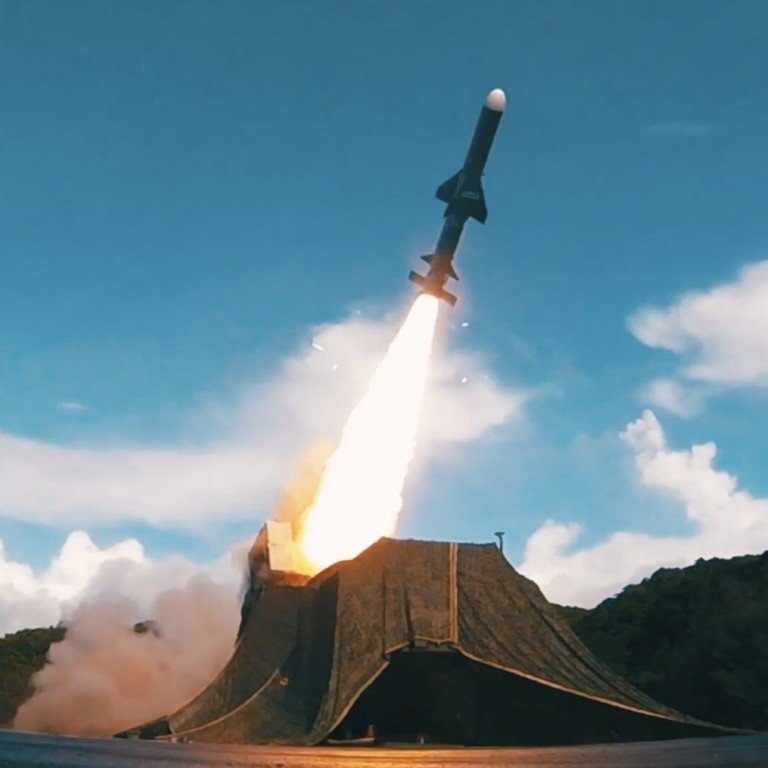
Taiwan’s planned US$7 billion missile boost may push PLA to step up combat readiness.
Analysts expect a ‘rational’ response from China’s military and say it will continue to focus on preparedness for war.Taiwanese media reported that the defence ministry proposed a special budget to expand development by top weapons maker.
台灣被美國掌控玩弄即將耗費巨資,研發導向飛彈系統,到結果都是一場空空的遊戲,螳臂擋車的成語故事,將在海峽兩岸上演,和平統一的好日子不要,卻要迎接戰爭死亡的日子,由台灣同胞陪葬,美國帝國主義在阿富汗失敗,吃鱉,失去利益,回到亞太地區,首先就以台灣仔開刀,威脅利誘,強迫台灣增加國防預算,除了增加購買美國2手淘汰型武器外,就是利誘台灣增加導向飛彈的研究經費,好因應未來海峽兩岸暴發的戰爭使用,美國沒有其他的策略應用,唯有策劃戰爭,發動戰爭從中謀利,台灣人不知不覺中,又被美國利用後,當成犧牲品給犧牲掉.
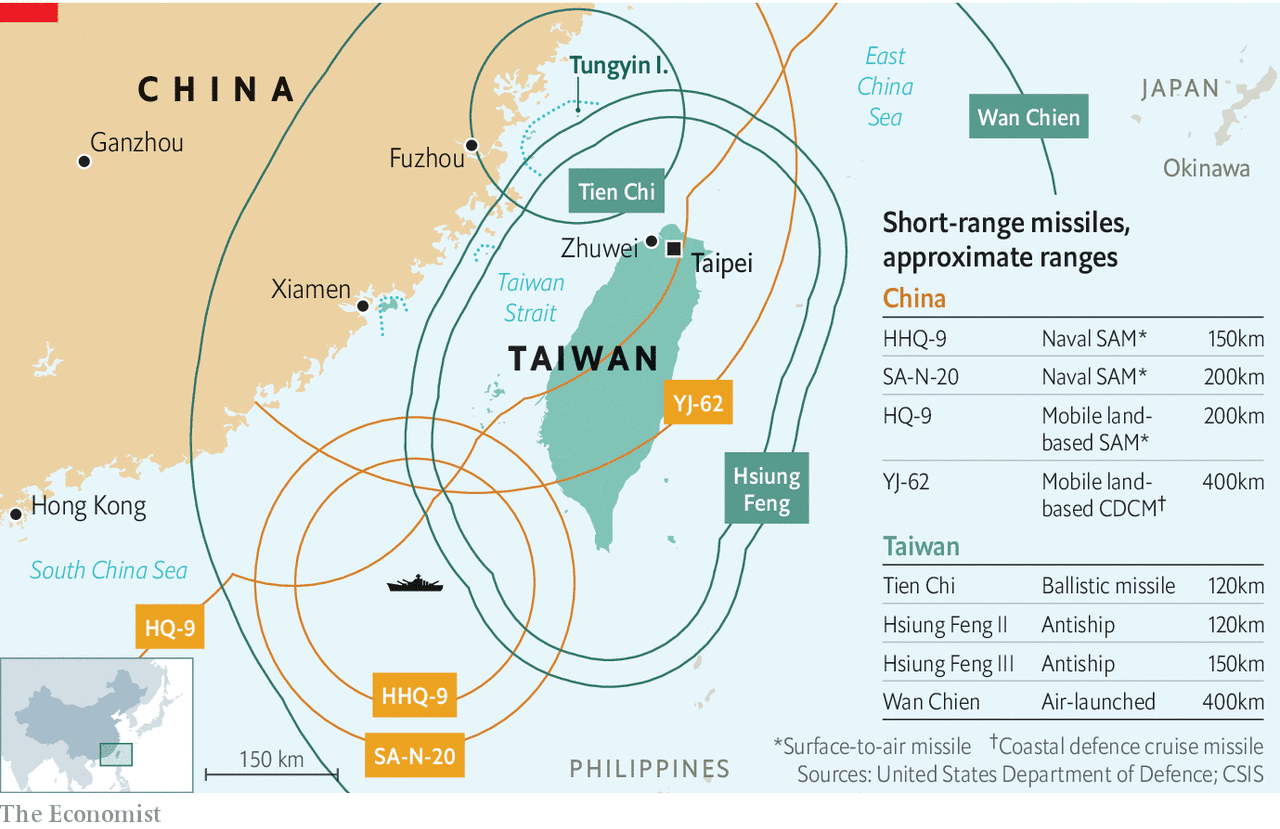
Taiwan Begins Cruise Missile Production.
.

.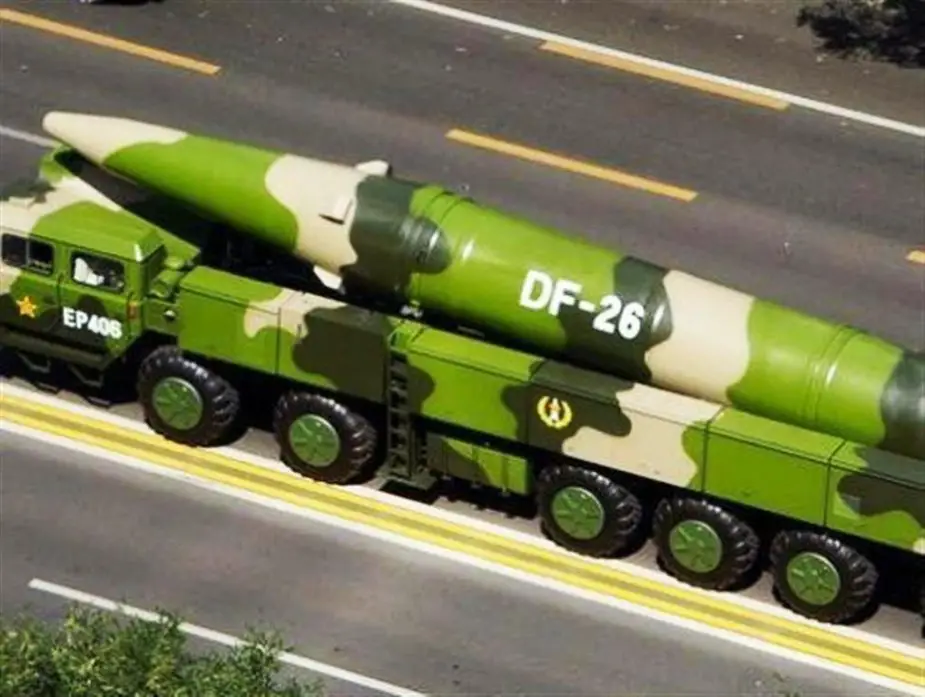

.China DF-21D /DF-26.SO GREAT.
.
.
依據CSIS的資訊推估,日前台灣試射雲峰飛彈不僅可避開多數防空飛彈攔截,且有助於台灣多重層嚇阻、源頭打擊、決戰境外的範圍向外推。縱使是第二線機場集結的中國飛機,或射程約九百公里的「東風十五」短程彈道飛彈等,都可能成為我方打擊目標。但是台灣所有的飛彈系統核心技術,卻是掌握在美國,無法有效突破中程,長程彈道飛彈系統,猶如上一世紀台灣研發核子武器,到頭來被策反,收買,中止了核子武器研發的項目,如今往事又要重演,浪費老百姓辛苦的血汗錢,陪伴美國山姆大叔玩弄戰爭武器,結果都是台灣陪葬,當然美國CSIS.不會評估報告記載,台灣屏東九鵬飛彈試驗場地可能被中國DF-21/D.DF-26.若是中國火箭軍各發射1枚,即可將其一鍋端掉摧毀,尤其甚者DF-21/D.的鑽地彈頭無法抵抗,CSIS.又隱瞞美國早已將台灣愛國者飛彈基地的佈署圖曝光.
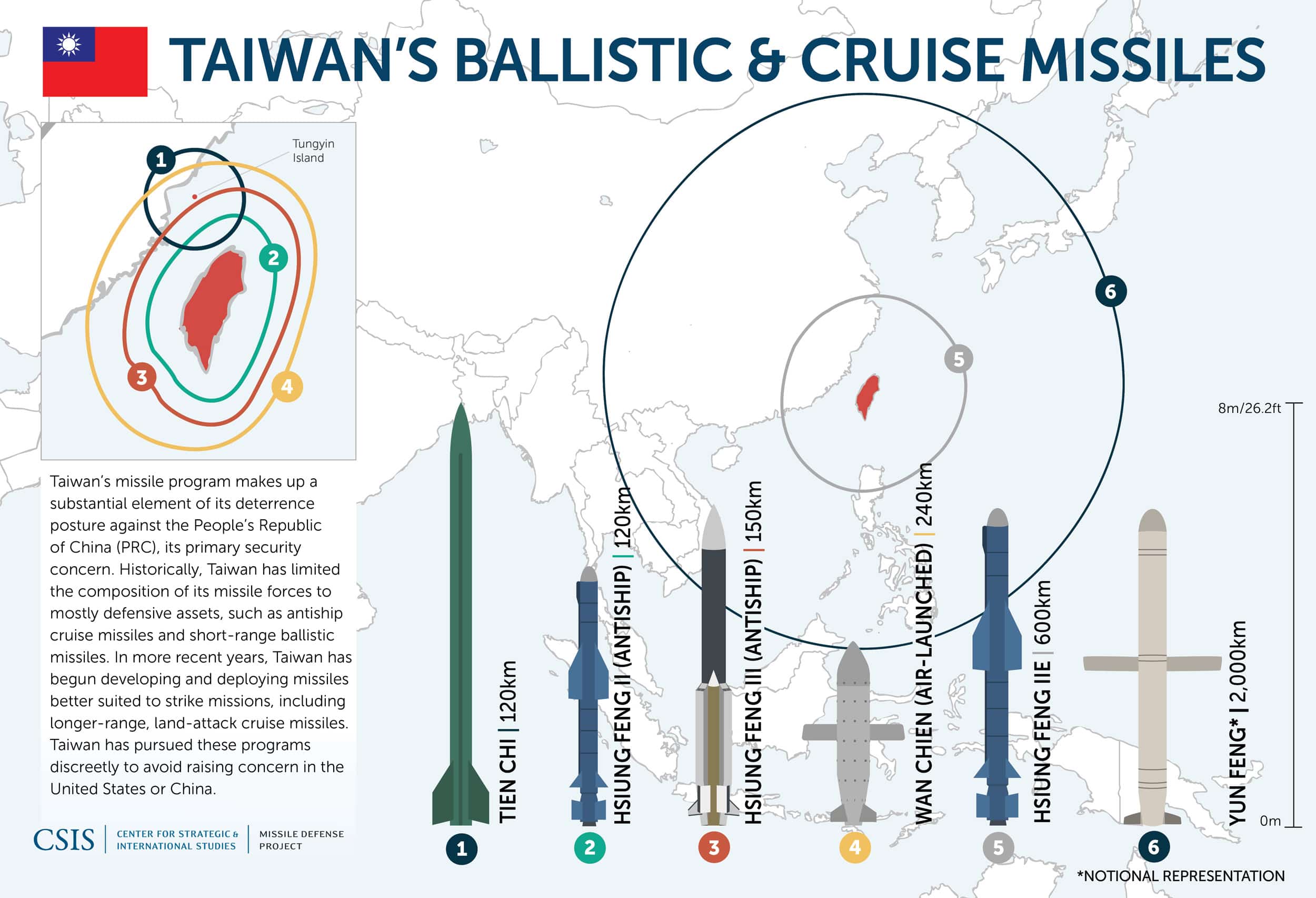
.Taiwan’s missile program makes up a substantial element of its deterrence posture against the People’s Republic of China (PRC), its primary security concern. Historically, Taiwan has limited the composition of its missile forces to mostly defensive assets, such as antiship cruise missiles and short-range ballistic missiles..
Yun Feng
The Yun Feng is a surface-to-surface, supersonic cruise missile. It is one of the few Taiwanese strategic assets designed to reach targets deep in northern and central China. Yun Feng Development Following the 1996 Taiwan Strait Crisis, Taiwan began developing the Yun Feng missile in secret, concealing flight tests within the Hsiung Feng III test...

Hsiung Feng IIE
The Hsiung Feng IIE is a subsonic land-attack cruise missile. It is among Taiwan’s longest range missiles, and is the only one of Taiwan’s Hsiung Feng cruise missile variants specifically designed for land-attack missions. Hsiung Feng IIE Development The Hsiung Feng IIE program likely started in 2001 to give Taiwan the ability to strike targets...

Wan Chien
The Wan Chien is an air-to-ground, subsonic cruise missile developed by Taiwan. The missile program first came to light in 2005 and is currently operational in small numbers. Wan Chien Development The Wan Chien missile program began around 2000, led by Taiwan’s National Chung-Shan Institute of Science and Technology (NCSIST). The weapon is designed for...

Hsiung Feng III
The Hsiung Feng III is a supersonic antiship cruise missile. It is Taiwan’s first supersonic missile, and marks the third and latest variant developed within Taiwan’s Hsiung Feng cruise missile family. Hsiung Feng III Development Taiwan began the Hsiung Feng III program in 1994 to counter the growing number of China’s surface vessels and its...

Hsiung Feng II
The Hsiung Feng II (HF-2) is a Taiwanese subsonic antiship cruise missile. It is the second variant developed within the Taiwan’s Hsiung Feng series, and has a range of 100-120 km. An extended-range variant is in development. Hsiung Feng II Development While developing the Hsiung Feng I, Taiwan sought to acquire a longer-ranged antiship cruise...
Tien Chi
The Tien Chi is a short-range ballistic missile (SRBM) developed by Taiwan. Its short 120 km range makes it incapable of striking China from mainland Taiwan, but it is likely forward-deployed to nearby island positions within striking distance. Tien Chi Development The Tien Chi’s development history remains obscure. Taiwan’s National Chung-Shan Institute of Science and...

Hsiung Feng I / IA
The Hsiung Feng I / IA were Taiwanese subsonic antiship missiles based on Israel’s Gabriel missile. They were the first variants developed within the Taiwanese Hsiung Feng missile family, and had a maximum range of 40 km. The Hsiung Feng I only saw two years of service before being replaced by the IA model. The...

Missiles of Taiwan
Taiwan’s missile program makes up a substantial element of its deterrence posture against the People’s Republic of China (PRC), its primary security concern. Historically, Taiwan has limited the composition of its missile forces to mostly defensive assets, such as antiship cruise missiles and short-range ballistic missiles.


