英國,蘇聯,美國重從未瞭解到與認知阿富汗(大月氏貴霜王國),在歷史上與中國的密切關係,如今他們都出征阿富汗,失敗斷羽而歸,損失慘重,中國即將恢復過來與阿富汗重建以及一帶一路再度踏入阿富汗,將繁榮和平的光明,重新降臨阿富汗(大月氏貴霜王國).中國將讓西方國家尤其是驕傲放縱的美利奸帝國,看到中國如何協助阿富汗重新於國際舞台,中國如何恢復過來(大月氏貴霜王國).


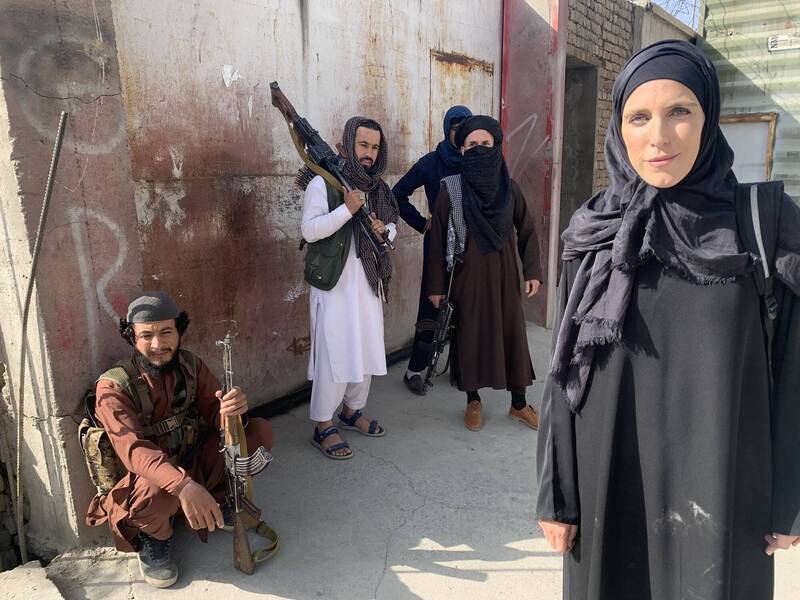
2021年8月19日下午,塔利班正式宣布重建「阿富汗伊斯蘭酋長國」,定8月19日為國慶日以及新國旗等,將組建政教合一的伊斯蘭酋長國政府,並向所有人保證將為公民和外交團體提供安全保障。
阿富汗就是歷史上的大月氏貴霜王朝與古代中國的漢朝,唐朝,元朝,清朝等有密切的關係,阿富汗在古代絲路是印度與阿拉伯半島的中繼站,戰略地理位置非常重要,形成自古以來自今都是兵家必征之地,以下的報導請參考,現在的阿富汗局勢尚未穩定,但是讀者們可以藉由歷史的記載,瞭解到阿富汗的過去歷史以及現代甚至於未來的發展都與中國息息相關.
根據中國民族大學西亞歷史研究所與阿富汗喀布爾大學民族及歷史研究所的資訊記載,大月氏貴霜王朝與古代中國古代到現代的中國都有往來.歷史上阿富汗跟中國其實關係 很深交往很多,另一個有力的證據,就是阿富汗的第三大民族就自稱是中國人。
這就是阿富汗的哈扎拉族。阿富汗人口2650萬,主體民族是普什圖族,佔40%。之後是塔吉克族,25%。之後就是哈扎拉族,總人數有160萬,是阿富汗的第三大民族。除了阿富汗,在伊朗和印度還有40萬哈扎拉族。
另一種說法是哈扎拉人是當地月氏貴霜人的後裔。這個在阿富汗的古代民族曾經建造了著名的巴米揚大佛。支持這種說法的人從巴米揚佛像和哈扎拉人的面部特徵的相似之中找到證據。然而反對這種說法人給出的證據是貴霜人是吐火羅,而且史書上說由於蒙古帝國在進攻巴米揚時候成吉思汗的一個孫子戰死(察合台兒子木阿禿干),以至於巴米揚被徹底屠城,當地被遷徙來的蒙古人占據。.
大月氏與貴霜王朝:讀歷史,必然會讀到張騫,以及大月氏。據《史記》,《漢書》等的記載,月氏原居我國西北河西走廊地區,敦煌,祁連山之間,漢初避匈奴而西移。敦煌、祁連均非漢語,敦煌應與《山海經》中的"敦薨"同名異譯,可能是"吐火羅"(Tokhar)的音譯。據《史記》載,月氏"人民赤白色",加之羅布泊地區的小河墓地出土的木乃伊來看,該地區人種擁有歐洲和西伯利亞的遺傳標記。

 貴霜帝國(梵語:कुषाण राजवंश;巴克特里亞語:Κυϸανο;英語:Kushan) 是曾存在於中亞的古代國家(約公元1世紀至3世紀),在其鼎盛時期(105年—250年)疆域從今日的塔吉克綿延至裡海、阿富汗及恆河流域。貴霜帝國在迦膩色伽一世和其承繼者統治之下達至鼎盛,曾擁有人口千萬,被認為是當時亞歐四大強國之一,與漢、羅馬、安息三個同一時期的帝國並列。
The Kushan Empire (Ancient Greek: Βασιλεία Κοσσανῶν; Bactrian: Κυϸανο, Kushano; Late Brahmi Sanskrit: 

 , Ku-ṣā-ṇa, Kuṣāṇa; Devanagari Sanskrit: कुषाण राजवंश, Kuṣāṇa Rājavaṃśa; BHS: Guṣāṇa-vaṃśa; Parthian: 𐭊𐭅𐭔𐭍 𐭇𐭔𐭕𐭓, Kušan-xšaθr; Chinese: 貴霜]) was a syncretic empire, formed by the Yuezhi, in the Bactrian territories in the early 1st century. It spread to encompass much of modern-day territory of Afghanistan, Pakistan and northern India,[15][16][17] at least as far as Saketa and Sarnath near Varanasi (Benares), where inscriptions have been found dating to the era of the Kushan Emperor Kanishka the Great.[]
The Kushans were most probably one of five branches of the Yuezhi confederation,[] an Indo-European nomadic people of possible Tocharian origin,[] who migrated from northwestern China (Xinjiang and Gansu) and settled in ancient Bactria.[] The founder of the dynasty, Kujula Kadphises, followed Greek religious ideas and iconography after the Greco-Bactrian tradition, and also followed traditions of Hinduism, being a devotee of the Hindu God Shiva.[9] The Kushans in general were also great patrons of Buddhism, and, starting with Emperor Kanishka, they also employed elements of Zoroastrianism in their pantheon.[] They played an important role in the spread of Buddhism to Central Asia and China.


\
中外學者認為月氏人可能是吐火羅人,印歐人種(白種人) 操吐火羅語。吐火羅,在玄奘《大唐西域記》中也作睹貨羅。
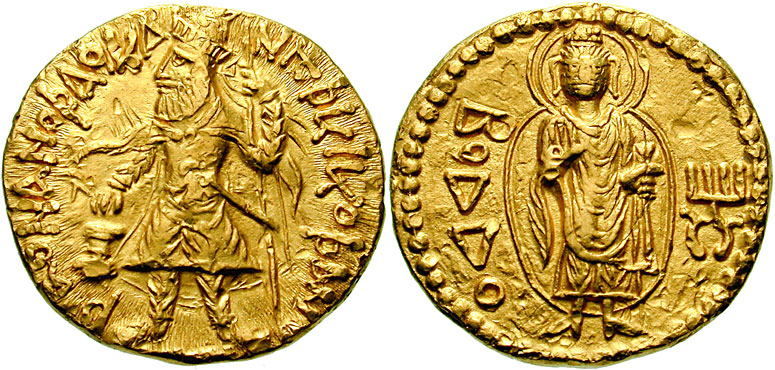
貴霜帝國地處中亞絲綢之路的交通要道,是中國絲綢,漆器,東南亞香料,羅馬玻璃製品,麻織品等貿易中轉站。從其鑄造的金幣可以知道其與羅馬帝國的商業關係。另外這些金幣所表達的各種希臘宙斯和勝利女神奈基,羅馬,祆教祭壇,耆那教的公牛、印度教和佛教神祇可以證明貴霜對發揚於當地的宗教和藝術的寬容和融合的關係。憑藉貴霜在中亞絲綢之路上的活躍,他們也為發源自古代伊朗的摩尼教和基督教聶斯脫里派教會東傳中國開通道路。


Kushan coinage in China.
Eastern Han inscriptions on lead ingot, using barbarous Greek alphabet in the style of the Kushans, excavated in Shaanxi, 1st–2nd century AD.[
A bronze coin of Kanishka the Great found in Khotan, Tarim Basin..
During the 1st and 2nd century AD, the Kushan Empire expanded militarily to the north, putting them at the center of the profitable Central Asian commerce. They are related to have collaborated militarily with the Chinese against nomadic incursion, particularly when they allied with the Han dynasty general Ban Chao against the Sogdians in 84, when the latter were trying to support a revolt by the king of Kashgar.[ Around 85, they also assisted the Chinese general in an attack on Turpan, east of the Tarim Basin.
In recognition for their support to the Chinese, the Kushans requested a Han princess, but were denied,] even after they had sent presents to the Chinese court. In retaliation, they marched on Ban Chao in 86 with a force of 70,000, but were defeated by a smaller Chinese force.[] The Yuezhi retreated and paid tribute to the Chinese Empire during the reign of emperor He of Han (89–106).
The Kushans are again recorded to have sent presents to the Chinese court in 158–159 during the reign of Emperor Huan of Han.
Following these interactions, cultural exchanges further increased, and Kushan Buddhist missionaries, such as Lokaksema, became active in the Chinese capital cities of Luoyang and sometimes Nanjing, where they particularly distinguished themselves by their translation work. They were the first recorded promoters of Hinayana and Mahayana scriptures in China, greatly contributing to the Silk Road transmission of Buddhism.

《史記•大宛列傳》記:
大月氏在大宛西可二三千里,居媯水(阿姆河)北。其南則大夏(巴克特里亞地區)、西則安息(帕提亞帝國)、北則康居。行國也。隨畜移徙,與匈奴同俗,控弦者可一二十萬。故時強,輕匈奴。及冒頓立,攻破月氏。至匈奴老上單于,殺月氏王,以其頭為飲器。始月氏居敦煌、祁連間。及為匈奴所敗,乃遠去。西擊大夏而臣之,遂都媯水北為王庭。其餘小眾不能去者,保南山羌,號小月氏。
《後漢書•西域傳》對大月氏的記載:
大月氏國居藍氏城,西接安息,四十九日行,東去長史所居6537里,去洛陽萬6370里。戶十萬,口四十萬,勝兵十餘萬人,初月氏為匈奴所滅,遂遷於大夏,分其國為休密,雙靡,貴霜,肸頓,都密,凡五部翖侯。後百餘歲,貴霜翖侯丘就卻攻滅四翖侯,自立為王,國號貴霜。侵安息取高附地(喀布爾)。又滅濮達,罽賓,悉有其國。丘就卻年八十餘死,子閻膏珍代為王。復滅天竺,置將一人監領之。月氏自此之後,最為富盛,,諸國稱之皆曰貴霜。漢本其故號,言大月氏雲。
通過歷史學家對各文獻的考證,重要年代的歷史事件是這樣的:
公元前202年,西漢建立。
公元前 177年,月氏與烏孫都曾經生活在河西走廊地區,烏孫被月氏滅國,國王難兜靡被殺,人民亡走匈奴,王子昆莫被匈奴單于收養。
公元前174年左右,匈奴老上單于立,派右賢王領兵西征,擊敗月氏,殺月氏王,以其頭骨製成飲器。月氏戰敗後,其大部被迫逃至今伊犁河、楚河流域,打敗了原居於當地的塞種人,迫使"塞王遠遁"。塞人西遷占領巴克特里亞,建立大夏國。
公元前138年,張騫第一次出使西域,被匈奴人扣押。
公元前133年6月,漢武帝派四位將軍,兵三十餘萬,誘擊匈奴,無功。
公元前132—130年間,昆莫成年後,請求匈奴單于支援報仇,並向西攻破了居住在塞人地區的大月氏。大月氏再往西行,往大夏方向遷徙,大夏國臣服。昆莫占領塞地,不久單于死,昆莫乘機擺脫匈奴的控制而獨立。
公元前129年,匈奴入上谷,漢使衛青等四將軍各率萬騎分道出擊。青至龍城斬獲。秋,匈奴入漢塞,韓安國屯漁陽。
公元前128年,張騫乘亂逃出匈奴,到達大月氏,商談共同襲擊匈奴,但遭到大月氏新王的拒絕。
公元前126年,張騫終於回到長安。
公元前121年,張騫奉命與"飛將軍"李廣,率軍出右北平(今河北東北部地區),進擊匈奴。李廣孤軍冒進,陷入匈奴左賢王四萬騎兵的重圍。李廣率領部下苦戰一晝夜,張騫兼程趕到,李廣所率士兵大部分犧牲,張騫的部隊亦因過分疲勞,未能追擊。朝廷論罪,過兩抵,張騫貶為平民。
公元前119年,漢朝對匈奴發動第三次軍事反擊,取得了重大勝利,匈奴王庭被迫遷到大沙漠以北。為了防止匈奴勢力再起,漢武帝啟用張騫為中郎將(統領皇帝侍衛的高級官吏),派他出使烏孫國。他任務是:希望烏孫可以重返河西走廊,協助漢朝一起對付匈奴,昆莫並沒有答應。
公元前115年,張騫回國,烏孫王派數十名使者隨同他一起來到長安。於是漢朝在原渾邪王地設酒泉郡,休屠王地設武威郡,自己管轄河西走廊地區。公元前105年,漢武帝把江都王劉建之女細君作為公主嫁給烏孫王昆莫。公元前60年,大月氏使者來訪,漢朝遣人護送其返歸,令敦煌地方提供車馬(為駕二封軺傳)以及住宿。公元前59年,大月氏(使者)來訪,與大宛王使者在鄯善國因坐次問題產生糾紛。大月氏通漢路線為"大月氏→大宛→疏勒→莎車→于闐→渠勒→扜彌→精絕→樓蘭→敦煌。(為了躲避匈奴人,選擇北道轉南道的線路)公元前47年,大月氏雙靡翖侯使者萬若,與漢朝使臣一同返漢,敦煌地方為其提供車馬(為駕一乘傳),以及住宿。
公元8年,王莽篡權,國號"新"。
公元30年左右,在長達百年的時間裡,大月氏王與翖侯五部並存,貴霜翖侯丘就卻攻滅了其它四部翖侯,自立為王,建立貴霜王朝。貴霜翖侯是否一直屬於大月氏人種還是其他民族,學術界一直有爭論。
公元48年,匈奴被分稱為南、北匈奴,匈奴與漢地的戰爭還沒有結束。
公元90年,貴霜副王謝曾率七萬士眾來攻班超,戰敗。
東漢中後期,大批貴霜人躲避戰亂來華,帶來了中亞風俗、胡人物件和佛教。
公元220年,東漢亡,曹丕稱帝,建魏國。
公元3世紀,貴霜王朝衰落和分裂。
公元5世紀,貴霜被嚈噠人所滅。
1993年,阿富汗巴格蘭(Baghlan)省普爾伊庫姆(Pul-i Khumr)以北25英里的羅巴塔克(Rabatak)地區,在一座名為卡費爾堡(Kafirs Castle)的小山中,人們發現了一塊紀年在貴霜王迦膩色伽時期的大夏語石碑。
羅巴塔克碑銘的發現,無疑是迄今為止貴霜研究史上最激動人心的事件。
現在我們可以將羅巴塔克碑銘全文翻譯如下:


The Rabatak inscription is an inscription written on a rock in the Bactrian language and the Greek script, which was found in 1993 at the site of Rabatak, near Surkh Kotal in Afghanistan. The inscription relates to the rule of the Kushan emperor Kanishka, and gives remarkable clues on the genealogy of the Kushan dynasty. It dates to the 2nd century CE.
.
.1、(缺十個字)偉大的拯救者、貴霜的迦膩色伽,正義、公正、君主、值得崇拜的神。
2 他已從娜娜及所有眾神那裡獲得了王權,如神願,他開創了紀元。
3而且他頒布了一項希臘文詔令,(並且)隨即將它發布了到雅利安(Aryan)語的詔敕。
4 在紀元元年,對印度和剎帝利諸城宣布,占領了
5 ……,和……,和娑枳多(Sāketa),和橋賞彌(Kauśāmbī),和華氏城(Pataliputra),遠至室利·瞻波(Śrī-Campā);
6 在他和其他將軍們所到的任何(城市),(他)使(它們)屈從於(他的)意志,而且他使全印度屈從於(他的)意志。
7隨後,迦膩色伽王命令邊地領主沙法爾(Shafar)
8 在王家的這個地方建造名為巴格-阿布(Bage-ab)的神廟,位於迦施格(Kasig)平原,為這些神,
9 他們已經加入到光榮的烏摩(Umma)引領到這裡,這些神(是)上述提到的娜娜和
10 提到的烏摩、阿胡拉馬茲達(Aurmuzd)、Muzhduwan、斯羅施哈德(Sroshard)——印度人稱其為摩訶舍那(Mahāsena)或毗舍佉—納爾瑟(Viśākha-Narasa)、(和)密特拉(Mihir)。
11 他下令製作銘刻諸神的肖像,
12 他下令製作這些王(的肖像):庫朱拉•卡德菲賽斯王(Kujula Kadphises),(他的)曾祖父;
13維馬•塔克圖王(Vima Taktu) (他的)祖父和維馬•卡德菲賽斯王(Vima Kadphises),(他的)父親;
14以及他本人,迦膩色伽王(Kanishka)。然後,作為眾王之王、
15諸神之子迦膩色伽下達了命令,邊地領主沙法爾(Shafar)建造這個神廟,
16 (缺八個字)邊地領主白阿什(Pyash),邊地領主沙法爾(Shafar),和hashtwalg努昆祖克(Nukunzuk)
17 執行了王的命令。
18祈這些銘刻於此的諸神庇護眾王之王、貴霜的迦膩色伽,永遠健康、幸運、(和)勝利!
19 祝願王、諸神之子,從紀元元年到千年,一直統治整個印度。
20 (欠六字)此神廟建於紀元元年;然後,在第三年完工……
21 (欠八字)遵照王的命令,許多祭禮舉行,許多侍從被捐獻,許多……(被)貢獻。
22 (欠13字)[迦膩色伽]王將該城堡獻給諸神,並提供給在巴格[阿布]里……的這些自由民……
23 (只有文字的痕跡)
早期貴霜王歷史研究有兩大新貢獻:
其一、迦膩色伽一世之前共有三位貴霜王:曾祖父庫朱拉•卡德菲賽斯、祖父維馬•塔克圖和父親維馬•卡德菲賽斯。特別是它記錄下了一位此前從未在其它碑銘、錢幣和文獻材料中出現過的貴霜王維馬•塔克圖。給世人留下一個疑問:國際錢幣學界習慣性地稱其為"無名王",是否就是"索特•梅加斯(Soter Megas)"錢幣發行人?克力勃、余太山等著名學者認為可能是同一個人。
..


貴霜時期的印章,材質為紅玉髓,中間畫有「ΑΔϷΟ」(adsho),其左邊有三寶標誌,右邊則是貴霜的王朝徽記(tamga).
其二、它確定了早期貴霜王世系及其前後承繼關係,清楚地標示出從庫朱拉•卡德菲賽斯到迦膩色伽一世全部早期貴霜四王同屬於一個皇室家族,是直系血緣關係。
《後漢書•西域傳》記載的,丘就卻年八十餘死,子閻膏珍代為王。庫朱拉•卡德菲賽斯為丘就卻;那麼維馬•塔克圖是閻膏珍。
貴霜王朝世襲
大月氏時代
1、 赫拉俄斯
貴霜建國時代
2、 庫朱拉•卡德菲賽斯
3、 維馬•塔克圖
4、 維馬•卡德菲賽斯
鼎盛時代
5、 迦膩色伽一世
6、 胡韋色伽
7、 波調一世(瓦蘇德瓦一世)
衰弱時代
8、 迦膩色伽二世
9、 瓦希色伽
10、 迦膩色伽三世
11、 瓦蘇德瓦二世
12、 莎伽
13、 凱普納達
大月氏與貴霜王朝
大月氏最後一個國王赫拉俄斯銀幣,正面國王頭像,長發,箍權帶;背面王騎馬,王后方有希臘NIKE(勝利)女神,希臘文:最高領袖,赫拉俄斯,貴霜和塞人(薩卡)的領導者。
大英博物館克力勃博士的對錢文的解釋要點:
1、 大月氏的赫拉俄斯即使不是塞人,但也是印歐人種,從血緣上非常接近。
2、 大月氏指定的五翖侯都是塞人,大月氏任命了很多塞人擔任要職。
3、 錢文只提到貴霜,說明該時期貴霜已經統一了,其他三部(高附被統一較晚)。
關於"翖侯"一詞的詞源和性質問題,前人已做了不少討論。有學者認為,它相當於漢文史籍所記後代突厥的"葉護",因此,有可能是突厥語詞彙;也有學者認為,它的使用承自於塞人(Saka),因此,有可能是塞語詞彙。
結語似乎讓大月氏與塞人之間的百年恩怨,最終以塞人推翻大月氏的統治,建立貴霜王朝而結束?
戰爭讓中國周邊的一些神秘的民族或國家消亡,或者他們以另一種新的生命形式,延續著種族的繁衍。比如:吐火羅、大月氏、斯基塞、匈奴、突厥、烏孫、大夏、罽賓、嚈噠、羌、戎、鮮卑、粟特、党項、契丹等。
現在,我們在歷史文獻中尋找他們,也在中亞古幣中發現他們。

.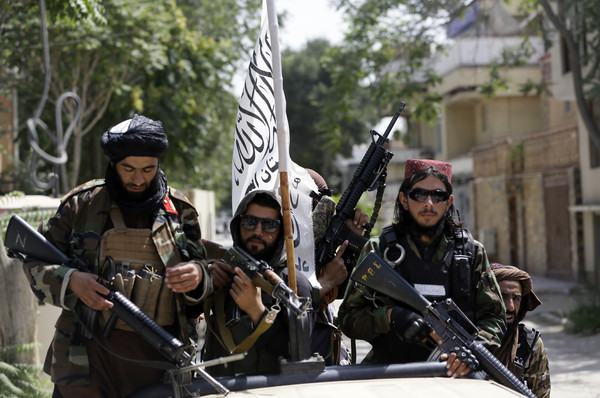
阿富汗自古以來分久必合,如今塔利班重返執政,將學習中國改革開放,進行建設一個具有伊斯蘭教特色的民主國家,吾人視目以待阿富汗的新面貌.
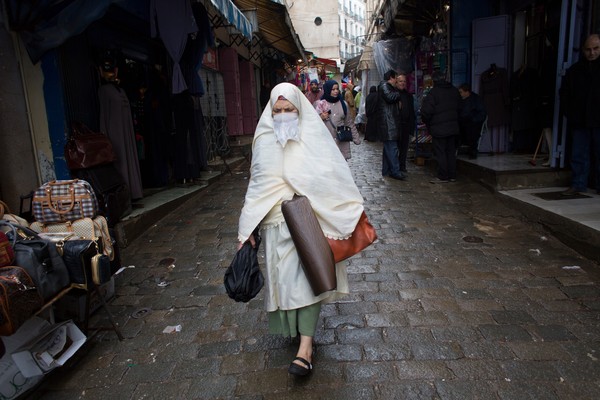
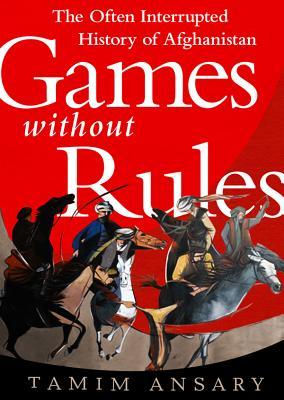
阿富汗故事包含對故國家園的深切關懷,從局內人的視角為我們解讀阿富汗動盪不安的內在原因。
他坦言在阿富汗,西方式的民主沒有植根的土壤,按照西方的遊戲規則,阿富汗人將無法生存,但是西方國家卻又不甘心他們走向富裕和平的生活,且依附中國的經濟,貿易,文化,旅遊等因此自從18世紀以來西方國家列強就不斷的入侵阿富汗。
阿富汗是中國人熟悉又陌生的鄰國,然而我們對這個深陷戰爭漩渦的國家知之甚少。乾旱貧瘠的土地,培育出阿富汗人獨特的群體意識,永無休止的爭奪,頻繁的政權更迭,造就了阿富汗人不屈不撓的民族精神。它提醒每一個潛在的入侵者,你們能留下的只有墳墓,而且什麼也帶不走。

阿富汗的先民在史前就創造了高度發達的原始文明,這裡自古就是文明交往的十字路口,各種政治勢力的交結之處,不斷處於外族的征服和統治之下。過去的200多年,阿富汗每隔40年就會有強權侵入,干預其發展,破壞已取得的進步。阿富汗深陷古典文明和現代文明斷裂的窪地,對於阿富汗人來說,輝煌的往昔是模糊的,歷史必須重新開始。
現代阿富汗的歷史就像是一部跌宕起伏的戲劇,充滿了荒唐、驚悚和悲傷。兩個多世紀以來,幾乎每隔40年,就會有一個大國強行阻斷阿富汗的發展,破壞其取得的進步。
待西方國家強權退出,阿富汗歷史又能重新開始。但如今塔利班重返執政,一切都將改革開放,以利於阿富汗老百姓的期待,也就是說呼應阿拉上帝的指引,一切都將追隨時代的腳步前進.
..
Games without Rules: The Often-Interrupted History of Afghanistan..
Today, most Westerners still see the war in Afghanistan as a contest between democracy and Islamist fanaticism. That war is real, but it sits atop an older struggle between Kabul and the countryside, between order and chaos, between a modernist impulse to join the world and the pull of an older Afghanistan—a tribal universe of village republics permeated by Islam.
Now, Tamim Ansary draws on his Afghan background, Muslim roots, and Western and Afghan sources to explain history from the inside out and illuminate the long, internal struggle that the outside world has never fully understood. It is the story of a nation struggling to take form, a nation undermined by its own demons while, every forty to sixty years, a great power crashes in and disrupts whatever progress has been made. Told in conversational, storytelling style and focusing on key events and personalities, Games without Rules provides revelatory insight into a country at the center of political debate.
“In Games without Rules, Tamim Ansary has written the most engaging, accessible and insightful history of Afghanistan. With gifted prose and revealing details, Ansary gives us the oft-neglected Afghan perspective of the wars, foreign meddling, and palace intrigue that has defined the past few centuries between the Indus and Oxus. This brilliant book should be required reading for anyone involved in the current war there—and anyone who wants to understand why Afghanistan will not be at peace anytime soon.”
Rajiv Chandrasekaran, author of Little America: The War within the War for Afghanistan
“A breezy, accessible overview of centuries of messy Afghan history, including the present military quagmire…Lively instruction on how Afghanistan has coped, and continues to cope, with being a strategic flash point.”
Kirkus Reviews.
-
“In Games without Rules, Tamim Ansary has written the most engaging, accessible and insightful history of Afghanistan. With gifted prose and revealing details, Ansary gives us the oft-neglected Afghan perspective of the wars, foreign meddling, and palace intrigue that has defined the past few centuries between the Indus and Oxus. This brilliant book should be required reading for anyone involved in the current war there—and anyone who wants to understand why Afghanistan will not be at peace anytime soon.”
Rajiv Chandrasekaran, author of
Little America: The War within the War for Afghanistan.
................................................
Games without Rules: The Often-Interrupted History of Afghanistan.
Today, most Westerners still see the war in Afghanistan as a contest between democracy and Islamist fanaticism. That war is real; but it sits atop an older struggle, between Kabul and the countryside, between order and chaos, between a modernist impulse to join the world and the pull of an older Afghanistan: a tribal universe of village republics permeated by Islam.
Now, Tamim Ansary draws on his Afghan background, Muslim roots, and Western and Afghan sources to explain history from the inside out, and to illuminate the long, internal struggle that the outside world has never fully understood. It is the story of a nation struggling to take form, a nation undermined by its own demons while, every 40 to 60 years, a great power crashes in and disrupts whatever progress has been made. Told in conversational, storytelling style, and focusing on key events and personalities, Games without Rules provides revelatory insight into a country at the center of political debate.
By the author of Destiny Disrupted: An enlightening, lively, accessible, history of Afghanistan from 1840 to today, from the Afghan point of view, that illuminates how Great Power conflicts have interrupted an ongoing, internal struggle to take form as a nation.
Five times in the last two centuries, some great power has tried to invade, occupy, or otherwise take control of Afghanistan. And as Tamim Ansary shows in this illuminating history, every intervention has come to grief in much the same way and for much the same reason: The intervening power has failed to understand that Afghanistan has a story of its own, a story that continues to unfold between, and despite, the interventions.
Games without Rules tells this story from the inside looking out. Drawing on his Afghan background, Muslim roots, and Western and Afghan sources, Ansary weaves an epic that moves from a universe of village republics--the old Afghanistan--through a tumultuous drama of tribes, factions, and forces, to the current struggle.
Ansary paints a richly textured portrait of a nation that began to form around the same time as the United States but is still struggling to coalesce; a nation driven by its high ambitions but undermined by its own demons, while every forty to sixty years a great power crashes in and disrupts whatever progress has been made. A compelling narrative told in an accessible, conversational style, Games without Rules offers revelatory insight into a country long at the center of international debate, but never fully understood by the outside world.


