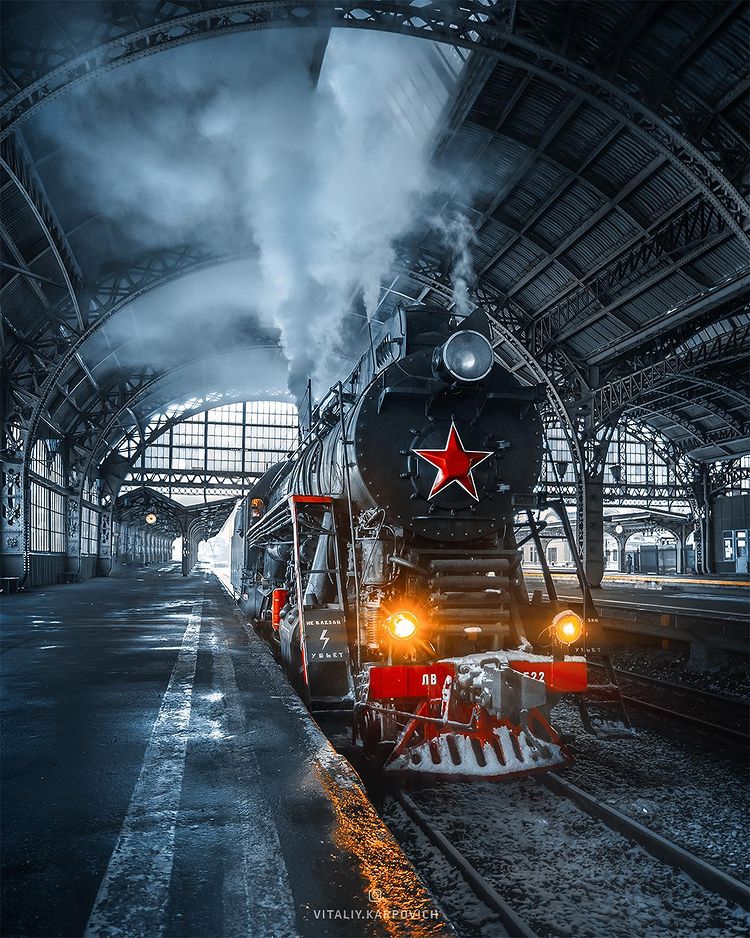

Vitebsky Railway Station, St. Petersburg. 1900.
Vitebsky railway station
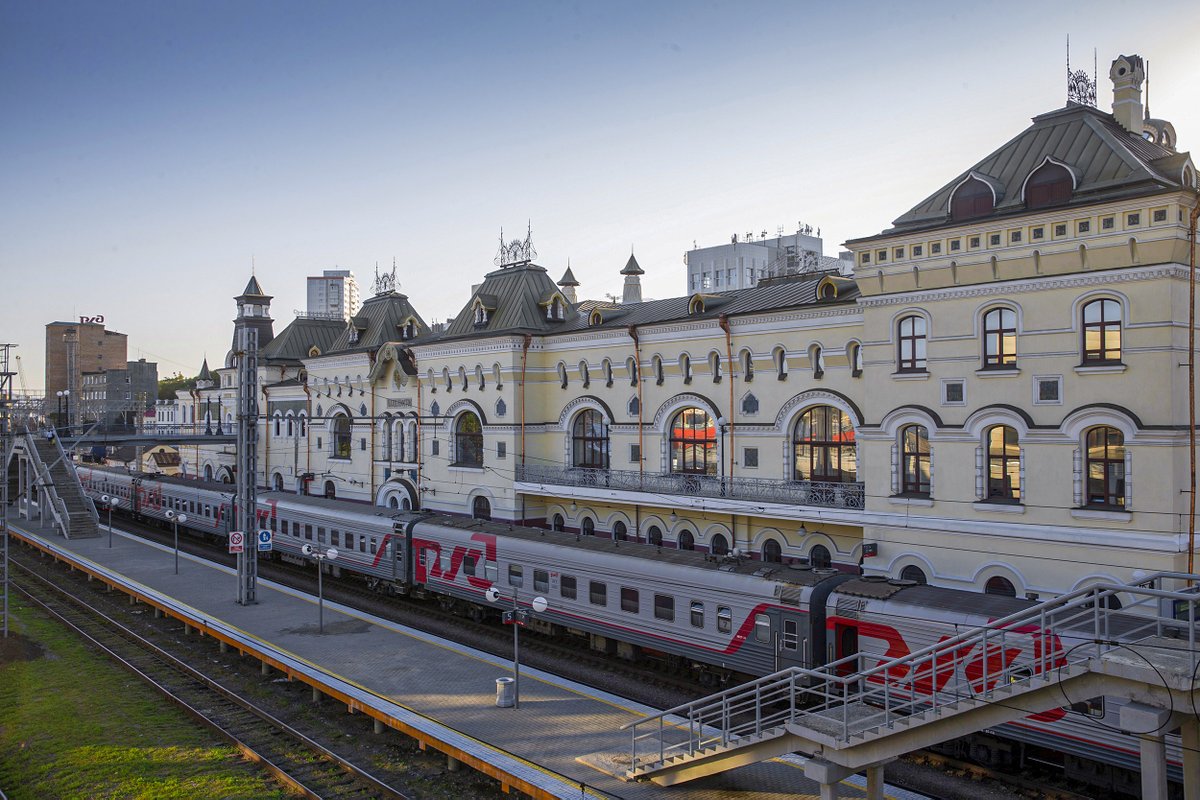
It was built for the first Tsar railway, which makes it the first railway station in Russia. It is a very beautiful building, a true monument of St Petersburg that excites visitors with its architecture and interior.
Its former name is Tsarskoselsky that relates to the suburban area of Petersburg – Tsarksoe Selo. The first wooden construction was built in 1837. The current building of the railway station was erected in 1904.
Vitebsk Rail Station (Vitebskiy Vokzal)
Russias first railroad, running between St. Petersburg and Tsarskoye Selo (now Pushkin), was laid in the 1830s under the supervision of Franz Anton Ritter von Gerstner, a professor at the Vienna University of Technology. Originally, the station in St. Petersburg was supposed to be located next to the Fontanka River, but due to budget overruns the decision was taken to build a temporary wooden station on Semyonovskiy Platz (now Pionerskaya Ploshchad). The first steam engine, called Provorny ("Nimble"), left St. Petersburg on 30 October 1837, driven by von Gerstner himself. It took 35 minutes to reach Tsarskoye Selo.
.
維捷布斯克站(俄語:Ви́тебский вокза́л,Vitebsky vokzal),位於城郊大街32號,是俄羅斯第二大城市聖彼得堡的一個鐵路總站,是聖彼得堡,以至俄羅斯最古老的車站。
1838年啟用,時稱沙皇村站(俄語:Царскосельский,:Tsarskoselsky,因連接沙皇村為名)。往中歐、烏克蘭、白俄羅斯和聖彼得堡南郊的列車自此站出發。
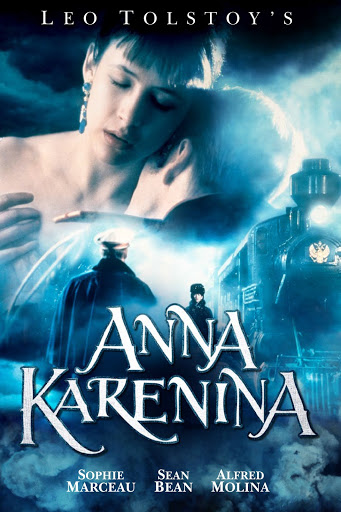
由於本車站建築風格獨特屬於新古典主義時代的作品,被許多大導演中意作為拍攝電影的場景,無論是車站大廳的人潮,男女主角淹沒於人群之中,或是在月台的生離死別,纏綿吻別的動人情節的畫面,想必在諸多的影迷中難以忘懷,例如 Anna Karenina, Sherlock Holmes . Dr.Zhivago .等許多知名電影,都在此車站取景拍片,使得本車站是西方國家的許多影迷朝聖的地點,筆者亦不例外,曾經徘徊於車站大廳內及月台上,企圖讓時光倒流回到電影的情節裡...

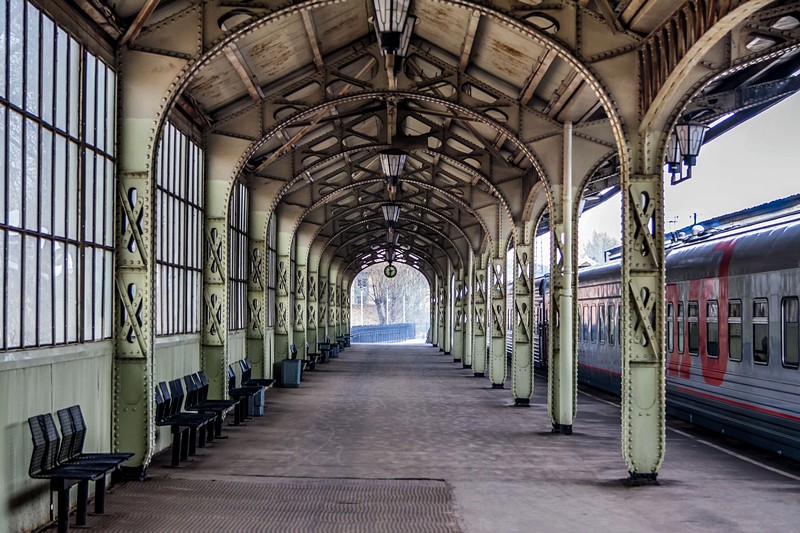
月台鋼骨結構歲月的痕跡,充分的顯示出本車站的歷史,在月台高掛的時鐘,傳聞依舊必須以人力在午夜時分零點整上緊發條向前行,本車站已被聖彼得堡市政府列入古蹟保護,每年均有經費修繕,至今122年來,建築物及火車軌道及設備保存良好,扔然營運使用,2021年俄羅斯當局為慶祝本車站營運120年紀念,特別將紅星號蒸汽火車頭機車駛出,運旅客做為懷舊之旅.
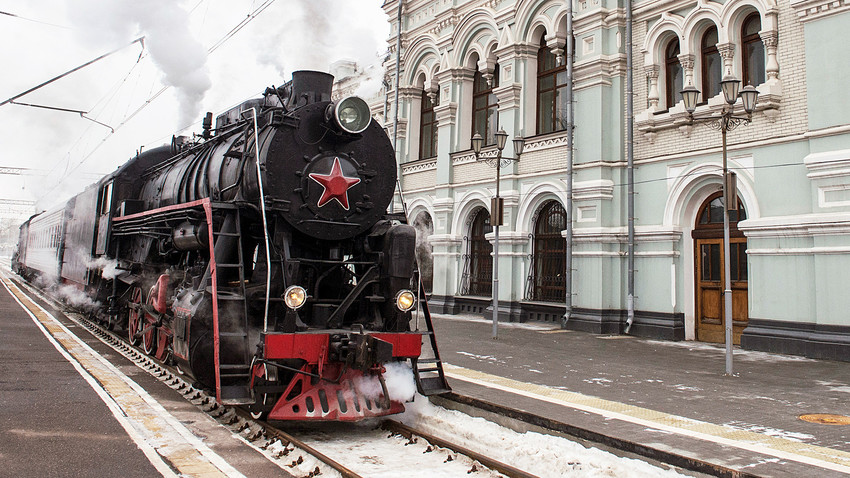
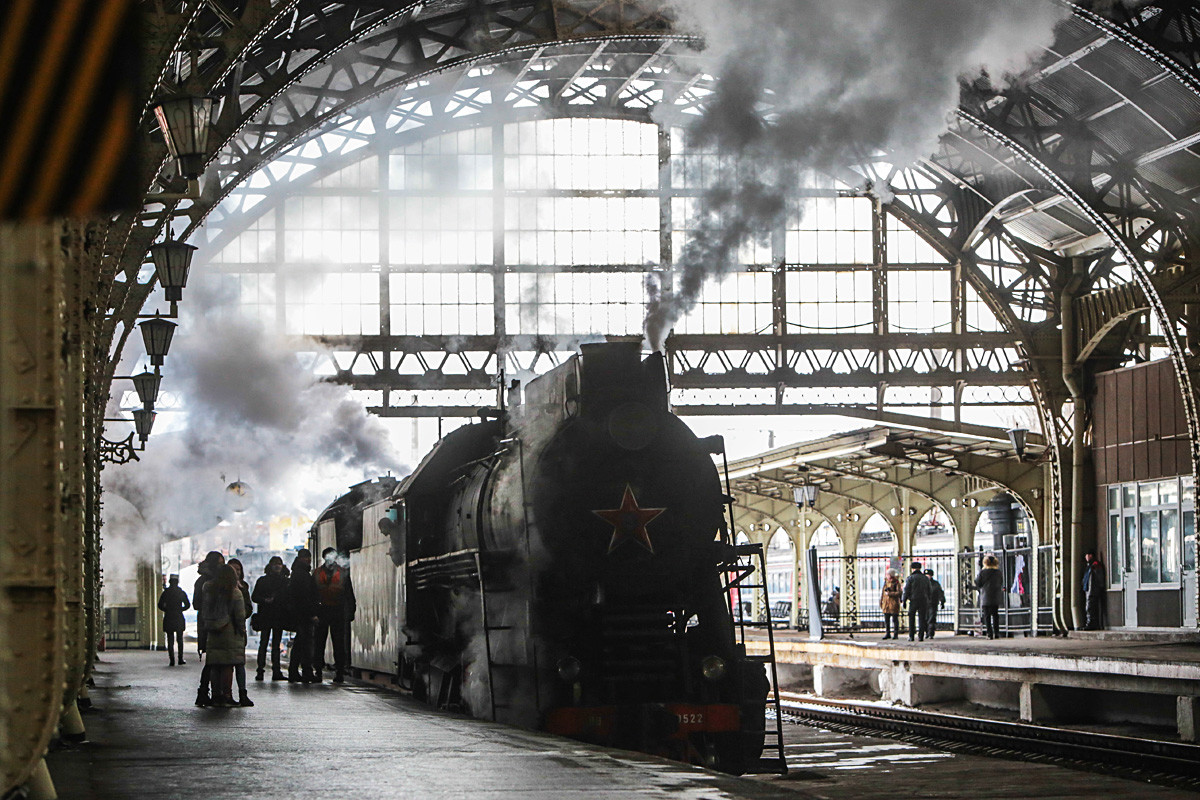
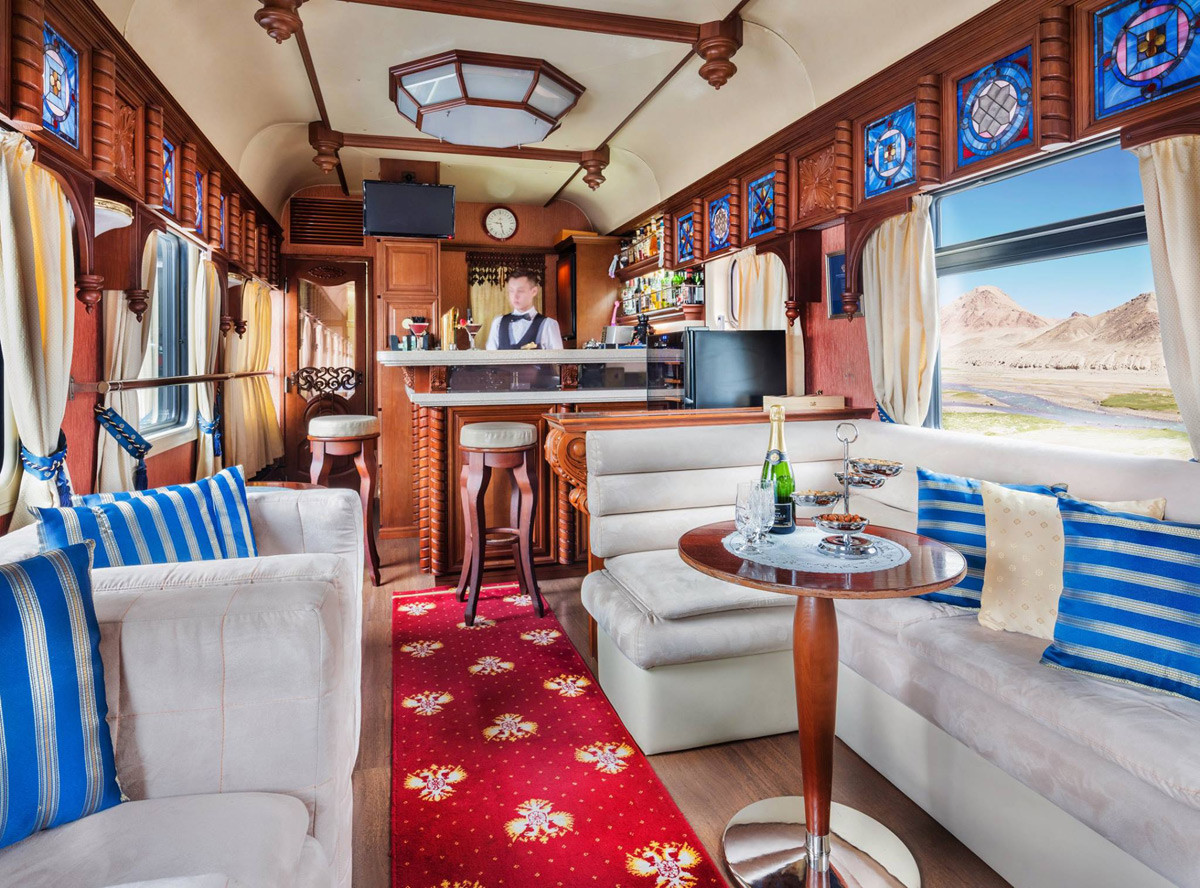
From St. Petersburg to Tsarskoye Selo.
Every other Sunday, you can take a vintage train from St. Petersburgs Vitebsky railway station to Tsarskoye Selo. The train uses an L series 1940s locomotive with new train cars. During the two-hour journey, passengers are presented with an interesting presentation about the history of railways in Russia, while being dined with hot tea in traditional iron cup holders and various sweets and pastries. Unfortunately, the return journey is by coach, however! Tickets cost 1,300 rubles (ca. $22) per person and are available on the Russian Railways travel agency’.


Doctor Zhivago






.
vitebsky railway station st petersburg.

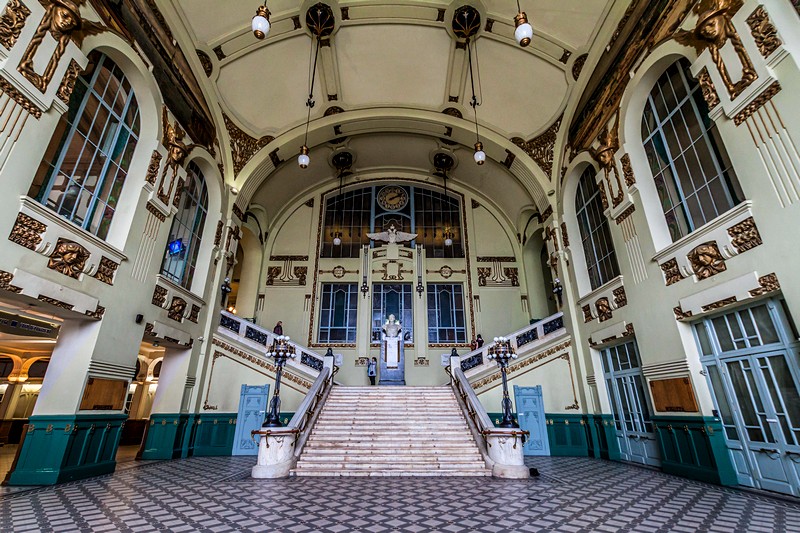
The waiting room of Vitebsk railway station
St Petersburg-Vitebsky (Russian: Ви́тебский вокза́л) is a railway station in Saint Petersburg, Russia. Formerly known as St Petersburg-Tsarskoselsky station, it was the first railway station to be built in Saint Petersburg and the whole of the Russian Empire.
The station, located at the crossing of the Zagorodny Avenue and the now-vanished Vvedensky Canal, was inaugurated in the presence of Nicholas I of Russia on 30 October 1837 when the first Russian train, named Provorny, departed from its platform for the imperial residence at Tsarskoe Selo. A replica of this train may be seen as a permanent exhibit at the modern station.
The first building of the Petersburg Station (as it was then known) was constructed in timber in August and September of the same year to a design by Konstantin Thon. Since it proved to be too small, it was demolished within twelve years and a much larger structure was erected under Thons supervision between 1849 and 1852. There were further expansions in the 1870s.
The first building of the Petersburg Station (as it was then known) was constructed in timber in August and September of the same year to a design by Konstantin Thon.
The station became increasingly ramshackle and cluttered as the 19th century went on, until the decision was taken to tear the whole thing down and begin again. Construction started in 1901 and lasted for three years.However, it was Sima Minashs opulent Art Nouveau interior that established the building as the most ornate of St. Petersburg stations


 .
.
In a departure from normal practice of the Soviet years, the Vitebsk station preserved its elevated train shed, five platforms and luggage elevators almost intact, making it an ideal location for filming Soviet adaptations of Anna Karenina, Sherlock Holmes stories, and other 19th-century classics.




- 歡迎5月來臨.Welcome MAY.2026.
- UAE退出OPEC .為什麼? Why did UAE announce its withdrawal from OPEC and OPEC+
- 法國歸還中國文物 為什麼? 可能性 ? Will French bill on looted artifacts bring home Chinese treasures?
- 賀中國海軍東海艦隊.2艘055D.服役..PLA delivers two guided-missile destroyers to the East Sea Fleet
- .拖斯卡納美食與葡萄酒 .Val d'Orcia Brunello Wine Tour with Montalcino and Montepulciano.
- 金瓶梅. Chinese novel Jinpingmei.Golden Lotus


