

 .
.
 Russian f
Soviet take on Russian folk dance
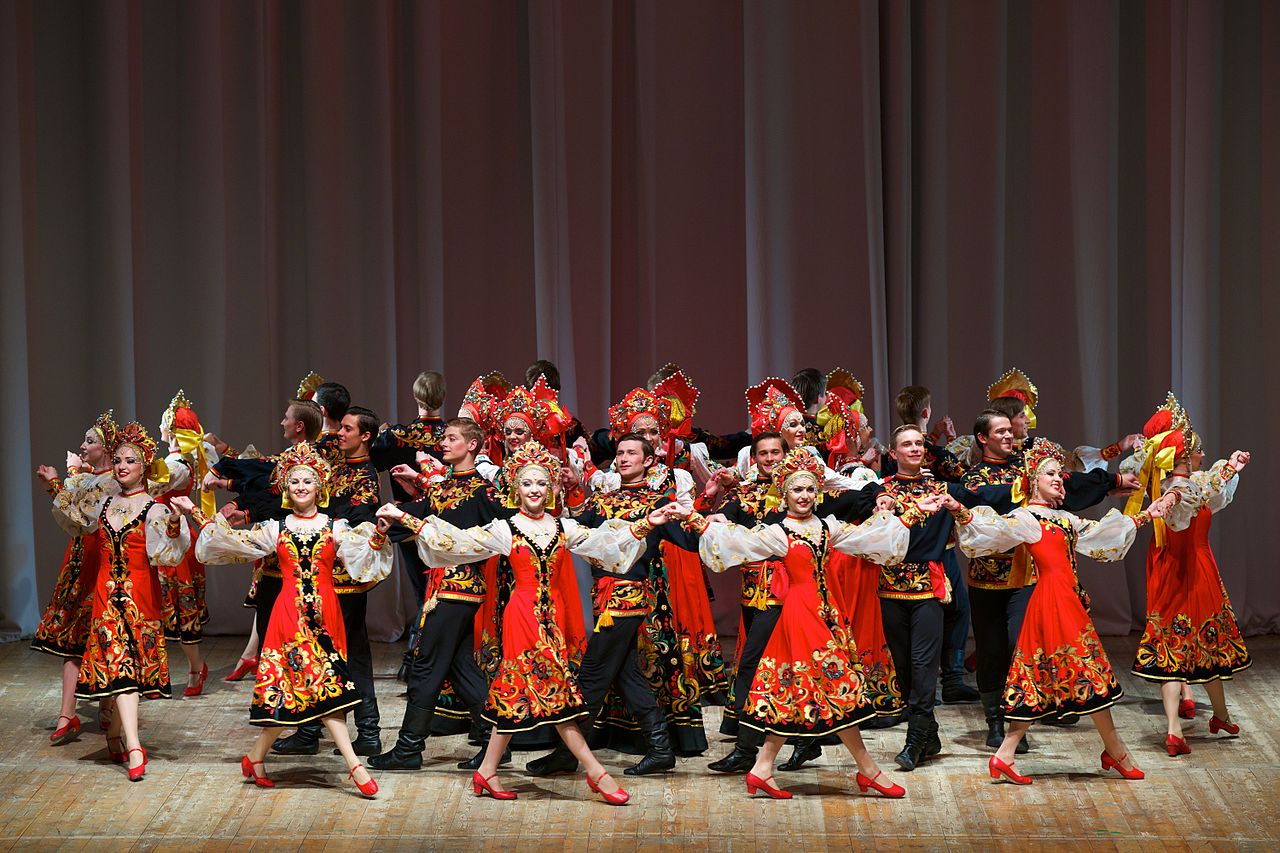
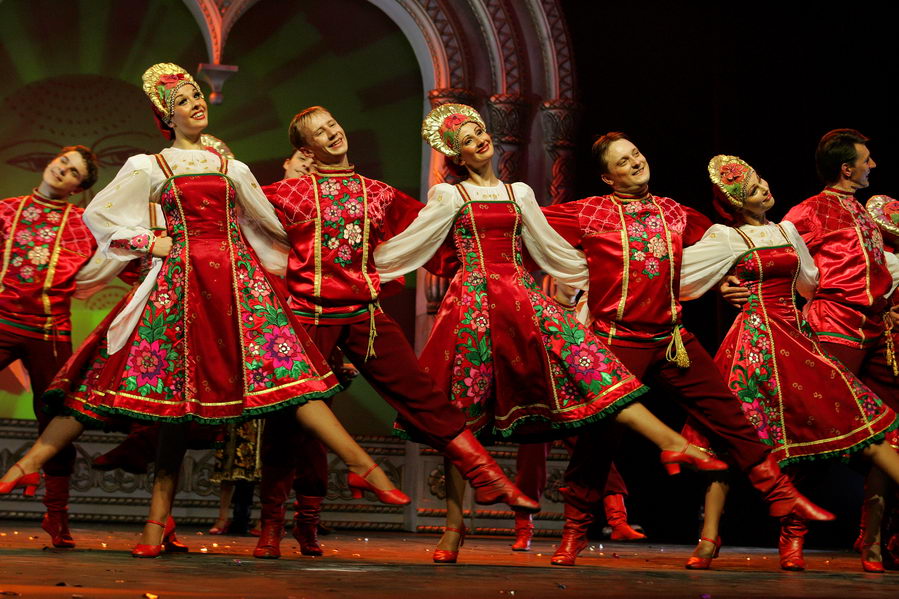
Peasants danced in their villages since pagan times and up to the mid 20th century. In the 1930s, folk dances were transformed. Before then, these chaotic dance movements were a part of everyday peasant life. But then the Soviet authorities transformed these amateur performances and took them to a very high level, making it one of the main Soviet calling cards during official events in the West. olk dance.
俄羅斯民間舞蹈是俄羅斯文化的重要組成部分。一些獨特的特徵表明,許多要素是由早期俄羅斯人發展起來的。俄羅斯舞蹈也受到東方和西方文化的影響
Russian folk dances appeared long time ago, probably in 10th century. Old Russian dancing was a part of the life. People danced as a rite to get connected with the nature. to ask for rain or get a rich harvest. The folk dances helped people to get together, get united. People danced on holidays, at the end of the work day. People danced to celebrate a specila event. People danced when they felt good.
Russian dance Khorovod is known as a circle dance. This Russian dancing repeat the movement of the Sun. People were dancing Khorovod and singing at the same time.
Other Russian folk dances such as Kalinka, Kamarinskaya, Barynya are aso popular. Types of folk dance are various and diverse. And it is not only stomping and and knee bending.
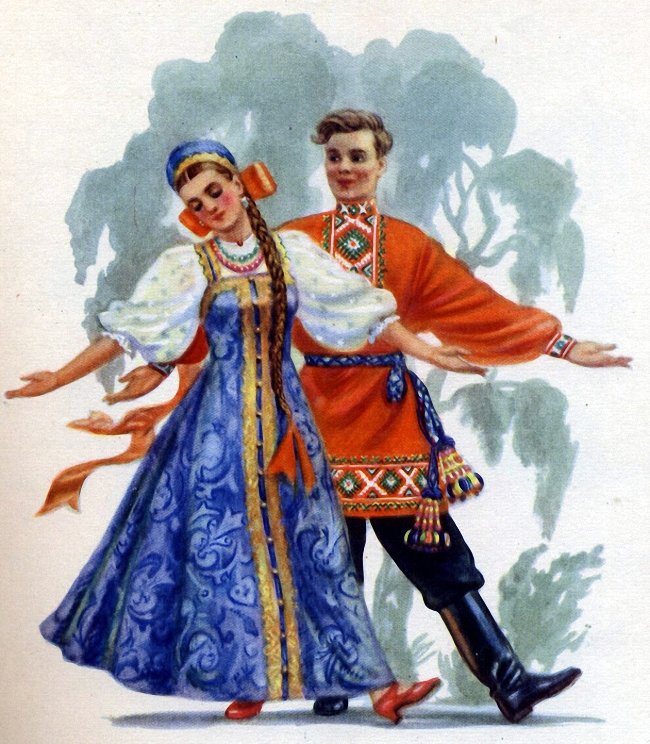
The Russian folk dance has became an integral part of the Russian culture. So, if you have a chance to see Russian dances on stage, dont miss the opportunity!
They are cheerful, they are spectacular, they bring positive energy - you simply gonna love them. What are the main Russian dances, why do people dance them and how can you learn to dance them?
“What Russian doesnt like a fast ride?” wrote Nikolai Gogol in his novel, Dead Souls… We would add: “What Russian doesn’t like a fast ride and a boisterous dance!” Not a single merry Russian feast or party is imaginable without singing and energetic dancing. But this trend didn’t appear recently. Russians have it in their blood.
The main Russian folk dances
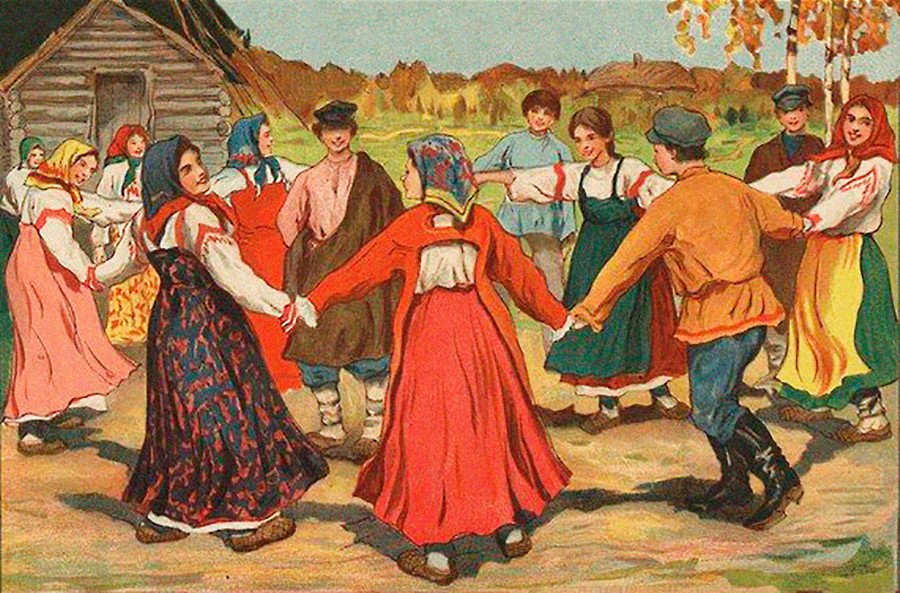
The performance and movements in these dances can differ depending on the region, but here are several basic types that have been widely spread across Russia for centuries.
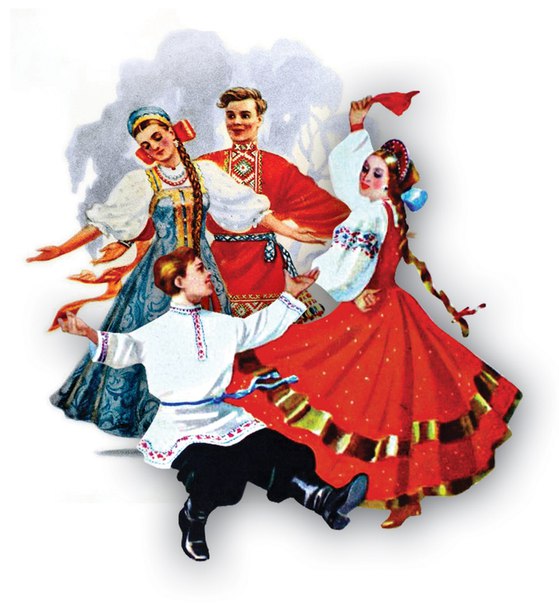
One of the most famous Russian dances is khorovod, with people moving around in a circle holding hands. This dance is common for all Eastern Slavic nations and is usually devoted to Slavic (and pagan) holidays, and it has a ritual meaning. Today, rucheek, a modification of khorovod, is popular among Russians. It is a sort of ‘game’ where paired dancers run through the corridor of two lines of people holding their hands up. Khorovods are still popular today and made by children around the New Year tree.
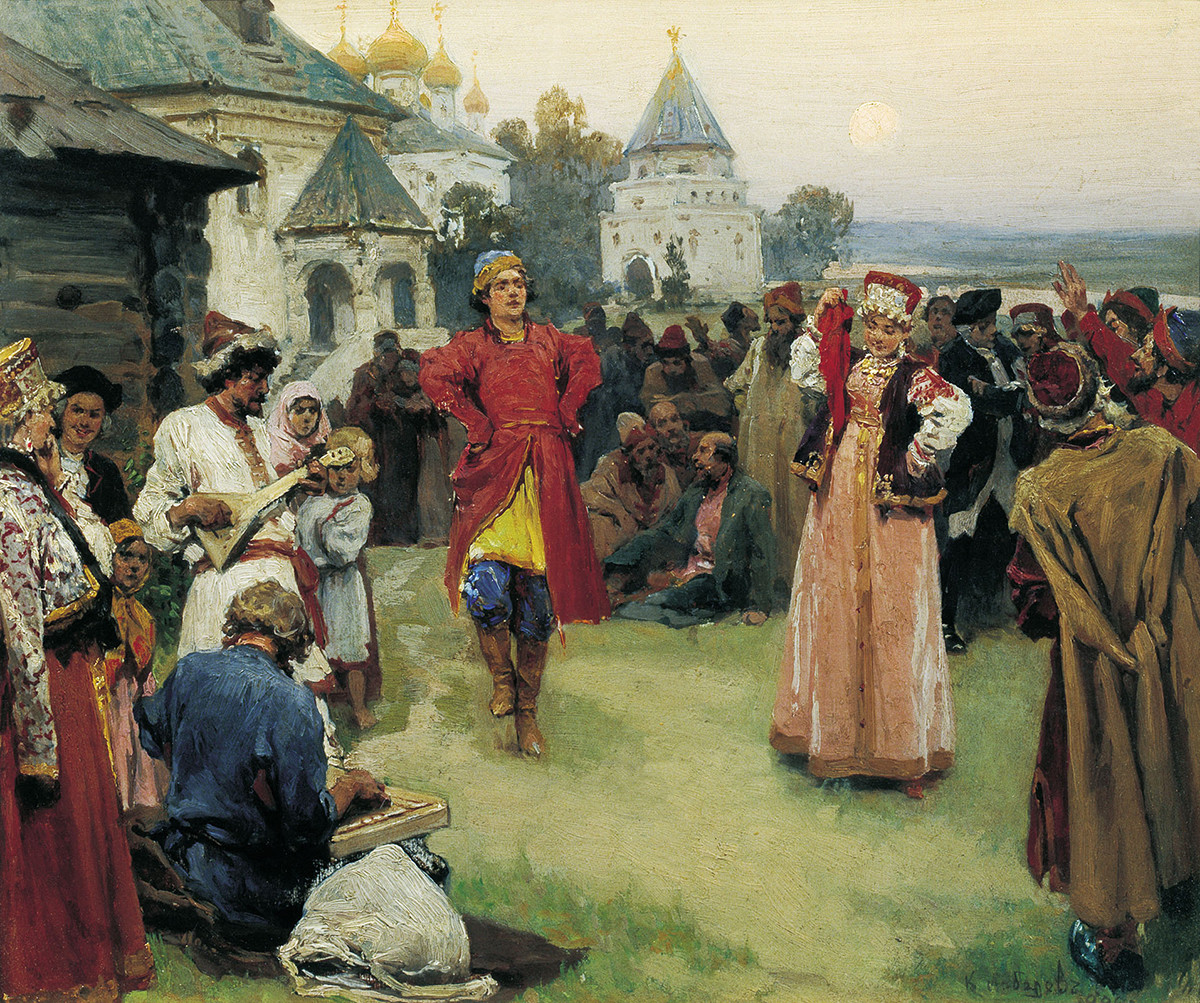
Klavdy Lebedev. Russian plyaska, 1900 - - Государственный музей искусств им. А.Кастеева Республики Казахстан, Алматы
A. Kasteyev State Museum of Arts, Kazakhstan
 .
.


