
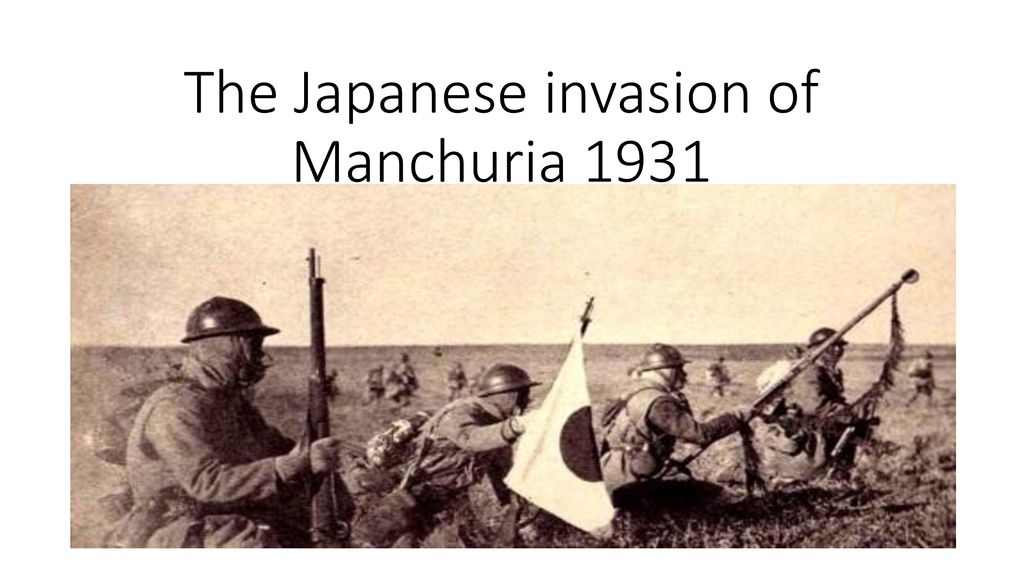
The Manchurian Crisis 1931-1933 followed the Mukden Incident in which Japanese rail tracks were destroyed in an explosion. Claiming that it was saboteurs, the Japanese responded with force, taking control of the Chinese province of Manchuria. The issue was investigated by the League of Nations which found Japan to be at fault. The Japanese ignored the League of Nations and left the organisation. The province was not returned to Chinese rule until the end of the Second World War.
置頂精選
勿忘國恥918事件Mukden Incident.89週年紀念
2020/09/19 00:22
瀏覽1,215
迴響0
推薦6
引用0
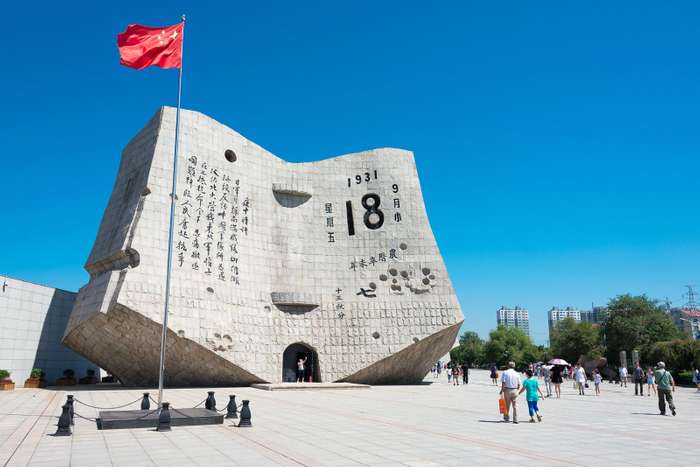
九一八事變是指1931年9月18日在中國東北爆發的一次軍事衝突和政治事件,衝突雙方是中國國民革命軍東北邊防軍和日本關東軍。日本軍隊炸毀自己控制的南滿鐵路,藉口稱中國軍隊所為,因此侵占瀋陽。9月18日,駐瀋陽東北軍多次向正在北平的東北軍領導張學良報告受襲,張多次下令「不抵抗」。19日及隨後幾天,張與包括諜報的其它方面多次向最高統帥蔣介石報告受襲,蔣多次下令避免衝突。因此東北軍未能有組織地抵抗日軍的進逼,三個月之內,日本關東軍侵占東北三省全境[],1932年3月1日日本建立傀儡政權滿洲國。九一八事變爆發後,日本國會和以總理大臣(首相)為首的日本內閣權力下降,日本軍部主戰派地位上升,中日矛盾激化。日本隨後不久即進軍占領熱河省,並開始滲透華熱北地區。蔣寄希望於「國際公理之判斷」,國際聯盟受中國申訴後曾前來調查,而國際聯盟本為國際協調機構,非凌駕於各國的權力機構,且英法當時本為殖民國家若指責日本將波及自身,蘇聯之前與東北軍有隙不願多言,美國同意有限的經濟制裁,只有眾多現今第三世界國家積極反對日本行為提供聲援,蔣對當時國際形勢也是心知肚明,最後國際聯盟的舉措以次年3月27日迫使日本退出了結。
九一八事變在中國大陸被史學家視為十四年抗戰的開始,而9月18日則被國民政府視為「國恥日」]。現每年9月18日中國的各大城市會鳴防空警報以警醒後人。



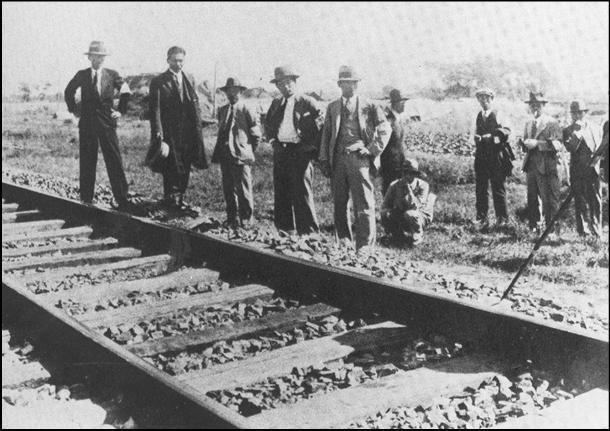

日本帝國主義關東軍,自編,自導,自演,炸毀南滿鐵路,賳贓嫁禍於中國,甚至於聘請英國,蘇聯,美國等工程師專家,現場會勘,做偽證.
Manchurian Crisis.

After the Wall Street Crash the US government introduced tariffs to protect her industry from Japanese competition. The tariffs had a huge impact of Japanese industry and led to high unemployment. As the economic situation got worse army leaders voiced their opinion that the only way in which Japan could solve its economic problems and show that it was still a strong nation was through expansion. The Japanese already had a colony on the Asian mainland and were highly influential in several areas, particularly a Chinese province called Manchuria.
Manchuria was the source of much of Japans imported raw materials such as coal and iron ore. In September 1931 the Japanese owned railroad from Manchuria to the coast was vandalised at Mukden.
The Mukden Incident and the Invasion of Manchuria
The Japanese Imperial Army had the permission of the Japanese government to launch retaliatory actions if the Chinese attacked any Japanese property in the area. As a result, Japanese troops responded to the explosion at Mukden by attacking the nearby Chinese Garrison, taking and securing it with ease as the Chinese government had ordered troops in the area not to resist any attacks by Japanese troops in this area.
The Incident was a masterstroke by Japanese officers determined to begin the process of territorial expansion. The explosion at Mukden was very probably staged by Japanese troops to enable a retaliatory attack. Following the seizure of Mukden Japanese troops began occupying other towns and cities in the area. Within 5 months the whole of Manchuria was under the control of the Japanese army.
The Chinese Response to the Invasion of Manchuria
The policy of the Chinese Government at the time of the Mukden Incident was one of non resistance towards Japanese troops in this area. This was primarily because they wanted to concentrate their efforts on defeating Communism in China and securing a strong and stable government. As a consequence the small Japanese force of some 11,000 men were able to take control of much of Manchuria very easily, despite the presence of a quarter of a million Chinese troops in the area.
passed a resolution saying that Japanese troops should withdraw and established a commission which would investigate the claims of both sides. The Japanese rejected the League of Nations resolution and insisted on direct negotiations with the Chinese Government. These negotiations failed and the Japanese proceeded, now against some resistance, to take control of the remainder of Manchuria. They then proceeded to launch an attack on the Chinese city of Shanghai which was outside of the area of Japanese economic control.
The League of Nations response to the Manchurian Crisis
The initial response of the League of Nations was to follow its pre-arranged process for arbitration. They listened to the complaints of the Chinese and the Japanese position and then the Council, minus the representatives of China and Japan, discussed the issue before coming up with a Resolution. In this case the resolution called for Japanese withdrawal from Manchuria whilst a Commission investigated the issue.
The Japanese ignored the wishes of the League of Nations and continued to expand whilst negotiations and diplomatic efforts to solve the crisis continued.
When the commission produced its report on Manchuria in October 1932 it stated that Japan should leave Manchuria. A Special Assembly of the League of Nations was then held to vote on the issue in February 1933. When the vote reiterated that Japan should leave Manchuria, the Japanese delegation simply walked out of the League of Nations, never to return.
What happened next?
According to the League of Nations rules the failure of Japan to comply with a resolution should have been followed by economic sanctions and / or collectivemilitary action to enforce the resolution. The League in this case however, did neither. Countries could not agree on what economic sanctions should be imposed and the major powers of Britain and France were unwilling to risk their armed forces in a conflict on the other side of the world. Moreover, such action may have placed British and French Colonies in the Far East at risk of attack.
Mukden Incident
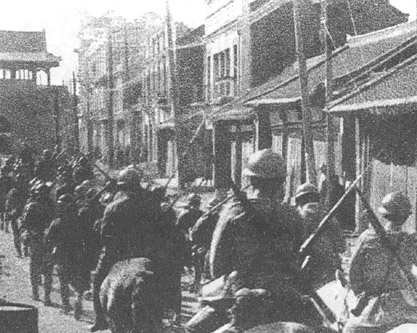
Japanese troops entering Shenyang during Mukden Incident.
On 18 September 1931, Lt. Suemori Kawamoto of the Independent Garrison Unit of the 29th Japanese Infantry Regiment (独立守備隊) detonated a small quantity of dynamite] close to a railway line owned by Japans South Manchuria Railway near Mukden (now Shenyang)] The explosion was so weak that it failed to destroy the track, and a train passed over it minutes later. The Imperial Japanese Army accused Chinese dissidents of the act and responded with a full invasion that led to the occupation of Manchuria, in which Japan established its puppet state of Manchukuo six months later. The deception was exposed by the Lytton Report of 1932, leading Japan to diplomatic isolation and its March 1933 withdrawal from the League of Nations.[
1931年9月18日下午,日本參謀本部作戰部長建川美次抵達瀋陽。傍晚,日本關東軍駐虎石台兵營的獨立守備隊步兵第二大隊的第三中隊離開原駐地,在中隊長川島正雄大尉率領下沿南滿鐵路向南行進到文官屯一帶實行夜間演習。晚上10時20分左右,以副中隊長河本末守中尉和小杉喜一軍曹為首的一個小分隊在瀋陽北面約7.5公里處的柳條湖南滿鐵路段上引爆小型炸藥,炸毀了一小段鐵路。日本關東軍並將3具身穿奉軍士兵制服的中國人屍體放在現場,作為奉軍破壞鐵路的證據。晚上11時15分,日本關東軍自動將南滿鐵路柳條溝鐵橋炸毀,誣指為中國軍隊所為,開始進攻瀋陽北大營[奉軍第七旅在事先已經得知日軍將要在近期製造挑釁事件。9月6日,張學良命瀋陽軍事負責人謂,「無論日人如何受尋事,須萬分容忍,不與抵抗,以免事態擴大。」[7東北軍參謀長榮臻當時駐防瀋陽,接到張學良命令。經過反覆研究,第七旅決定對於日軍的進攻,採取「釁不自我開,作有限度的退讓」的對策,如果敵軍進攻,在南北東之間待敵軍進到營垣七八百米的距離時,在西面待敵人越過鐵路即開槍射擊,在萬不得己的情況下,全軍退到東山嘴子附近集結候命行動。事變發生時,旅長王以哲沒在軍中。參謀長潘鎮源用電話向榮臻請示,榮下令「全取不抵抗主義,繳械則任繳械,入占營內即聽其侵入,並告以雖口頭命令亦須絕對服從。」9月11日,蔣亦命其避免與日本衝突[。 。
1931年,由於受到國際輿論普遍譴責,關東軍不敢悍然吞併滿洲全境,因此考慮建立傀儡政權。日本人善於利用傀儡,取得東北三省後,土肥原賢二把清遜帝溥儀從天津運到旅順[。土肥原賢二大佐時任特務機關負責人,遊說已經退位的清朝末代皇帝溥儀,謊稱表示滿洲本為滿族故土,以復興滿清為條件,說服溥儀回到東北。11月10日,溥儀從天津出發,11月13日到達營口,最後留在旅順日本軍營內。
1932年3月1日,日本扶植的滿洲國正式成立。3月9日,在日人牽引下,正式成立「滿洲國」傀儡政府。溥儀宣布就任滿洲國執政儀式,擔任國家元首,首都定在新京(今長春),年號定為大同.

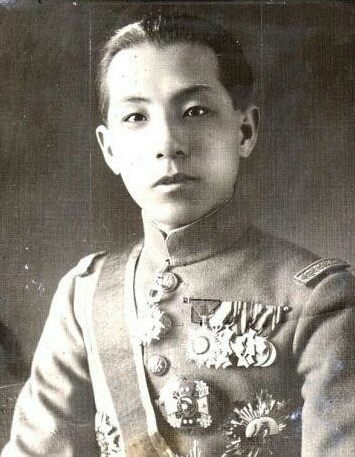
滿洲國皇帝溥儀 少帥張學良主張抗日戰爭卻被蔣介石阻撓.
19310920日,南京國民黨的機關報《中央日報》在「我未抵抗日軍轟擊」的標題下,發表了張學良的19日通電,其中轉述遼寧省主席臧式毅和東北邊防軍司令長官公署參謀長榮臻的電報中「我軍抱不抵抗主義……」;「不抵抗」遂首次公之於文字,後成為各方集中聲討的目標。
九一八事變以後,全國民眾激昂,各地自動抵制日貨,作抗日之遊行,向政府請願,要求收復東北。而一般青年基於愛國之心,自動組織抗日團體,或捐獻財物,或前往東北實際參加抗日工作[
1931年9月18日夜,在日本關東軍安排下,鐵道「守備隊」炸毀瀋陽柳條湖附近日本修築的南滿鐵路路軌,並栽贓嫁禍於中國軍隊。日軍以此為藉口,炮轟瀋陽北大營,是為「九一八事變」。次日,日軍侵占瀋陽,又陸續侵占了東北三省。1932年2月,東北全境淪陷。此後,日本在中國東北建立了偽滿洲國傀儡政權,開始了對東北人民長達14年之久的奴役和殖民統治。
當晚10時許,日本關東軍島本大隊川島中隊河本末守中尉率部下數人,在瀋陽北大營南約800米的柳條湖附近,將南滿鐵路一段路軌炸毀,稱是中國軍隊破壞鐵路。日軍獨立守備隊第二大隊即向中國東北軍駐地北大營發動進攻。次日晨4時許,日軍獨立守備隊第五大隊從鐵嶺到達北大營加入戰鬥。5時半,東北軍第七旅退到瀋陽東山嘴子,日軍占領北大營。戰鬥中東北軍傷亡300餘人,日軍傷亡24人。這就是震驚中外的九一八事變。
9月19日上午8時,日軍幾乎未受到抵抗便將瀋陽全城占領。東北軍撤向錦州。全國最大的瀋陽兵工廠和制炮廠連同9.5萬餘支步槍,2500挺機關槍,650餘門大炮,2300餘門迫擊炮,260餘架飛機,以及大批彈藥、器械、物資等,全部落入日軍之手。據統計,僅9月18日一夜之間,瀋陽損失即達18億元之多。此後,東北各地的中國軍隊繼續執行蔣介石的不抵抗主義,使日軍得以迅速占領遼寧、吉林、黑龍江3省。

1932年1月1日日軍攻下山海關長城.
1991年9月18日,中華人民共和國政府在瀋陽開放了九·一八歷史博物館。前日本首相橋本龍太郎在1997年訪華時拜訪過這個地方,寫下「以和為貴」,成為進入該館的第一個在位日本首相。9月18日被不少中國人認為是「國恥日」,而中國民間要求將9月18日訂為國恥日的訴求也不時出現。 從1995年始,瀋陽在每年9月18日晚上鳴響防空警報3分鐘,以警示民眾勿忘國恥。目前,已有哈爾濱、長春、成都、昆明、合肥、杭州、烏魯木齊、克拉瑪依、南昌、齊齊哈爾、金華、本溪、太原、西安等百餘座城市選在每年9月18日進行防空警報鳴放[。作家沙泊柳在關於長春的城市散文作品《關於一座城市的沉重記憶》中寫下:「每一年的9月18日對東北人民來說算是一個悼念日的。長春的城市上空也會在那天的9點18分響起防空警報。人們會在那一刻肅穆地聽,然後互相說道被侵略的那些故事和感受。他們忘不掉淪陷的記憶,那些悲痛的歷史早已經銘記在每個人的心中,包括他們的子孫後代。」除了瀋陽的九一八歷史博物館外,在遼寧遼陽市的白塔公園內,還有一座九一八事變策劃地紀念館,當時被稱作白塔會館。事變前一日,本庄繁與關東軍主任參謀石原莞爾和關東軍高級參謀坂垣征四郎在火車站前白塔旅館召開了事變前密謀會議。


你可能會有興趣的文章:
- 伊朗牛逼 首次發射4000公里彈道飛彈 攻擊印度洋狄耶戈加西亞英美基地 Iran denies responsibility for missile attacks on Diego Garcia.
- 美 國Joe Kent 辭去國家反恐中心主任一職. USA & ISRAEL NO WAR WITH IRAN.
- 義大利托斯塔納.春季來臨.Tuscany Spring season coming.
- 美國老百姓 示威遊行抗議川普對於伊朗發戰爭.Act Now to Stop War and End Racism,ANSWER Coalition
- 美國 以色列與伊朗 戰爭 .USA,ISRAEL WAR GAME WITH IRAN.
- Château de Versailles 凡爾賽宮冬季景象.


