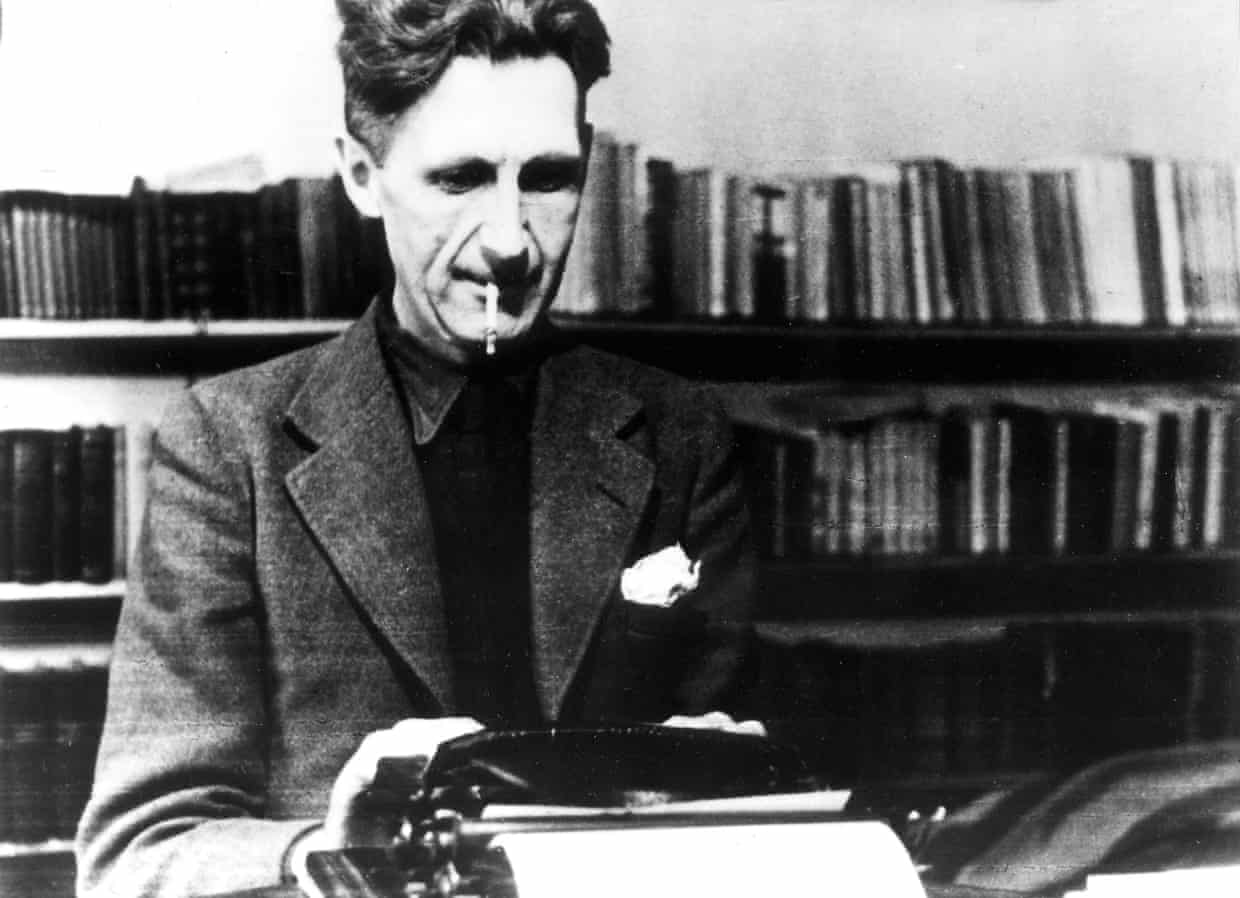
《動物農莊》和《一九八四》為歐威爾的傳世作品。當中,歐威爾以銳目觀察,批判假社會主義之名、行極權主義之實的史達林主義;以辛辣的筆觸諷刺泯滅人性的極權主義社會和追逐權力者;而小說中對極權主義政權的預言在之後的五十年中也不斷地與歷史相印證,所以兩部作品堪稱世界文壇政治諷喻小說的經典之作,其影響絕不僅僅局限於文學界。他在小說中創造的「老大哥」、「新話」、「雙重思想」等詞彙,皆已收入英語詞典;而由他的名字衍生出的「歐威爾主義」、「歐威爾式的」等新詞,甚至成為日常通用語彙,可見歐威爾和其作品在英語國家的巨大影響。
由於歷史上東西方的對峙,喬治·歐威爾的作品經常被視為反蘇和反共的代名詞,因而曾在蘇聯、東歐、中華人民共和國等社會主義國家遭到封殺。《一九八四》直到1985年才有簡體中文版刊行,且出版初期被列為「內部讀物」,只允許特定人群購買閱讀。

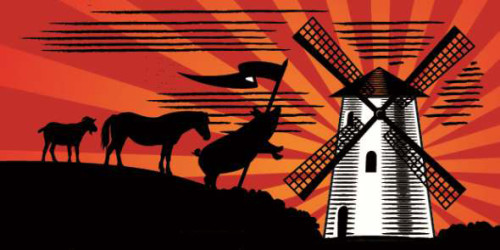
1944年,GO,經歷了西班牙內戰和反法西斯戰爭的歐威爾寫成了《動物農莊》一書,這本書成為歐威爾個人寫作史上的一座里程碑,標誌著他的文字從單純地關注底層社會的生活,轉向了捍衛真正的民主社會主義,在1947年他為《動物農莊》烏克蘭語版的序言中寫道:「在過去十年中,我一直確信,如果我們想使社會主義運動恢復生機,就必須得摧毀俄國神話。」此書早在1944年即寫成,但遭到四家出版社拒絕,直到冷戰來臨。

 .
.
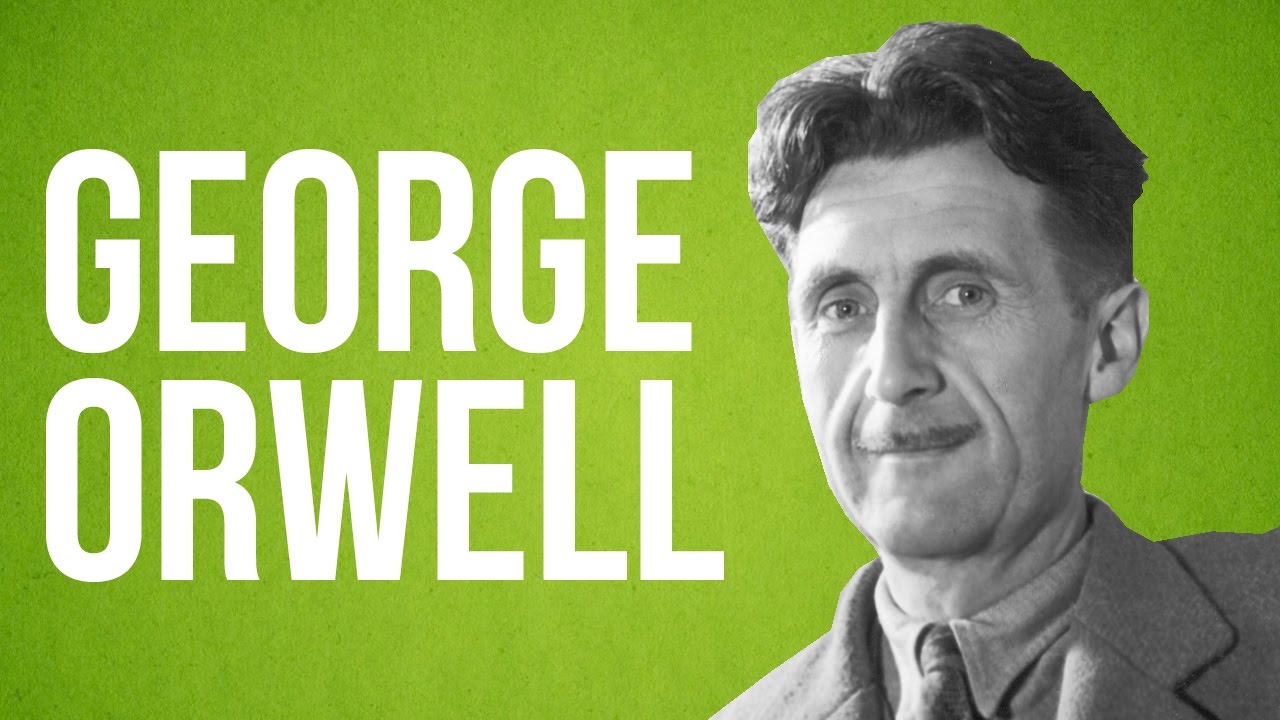
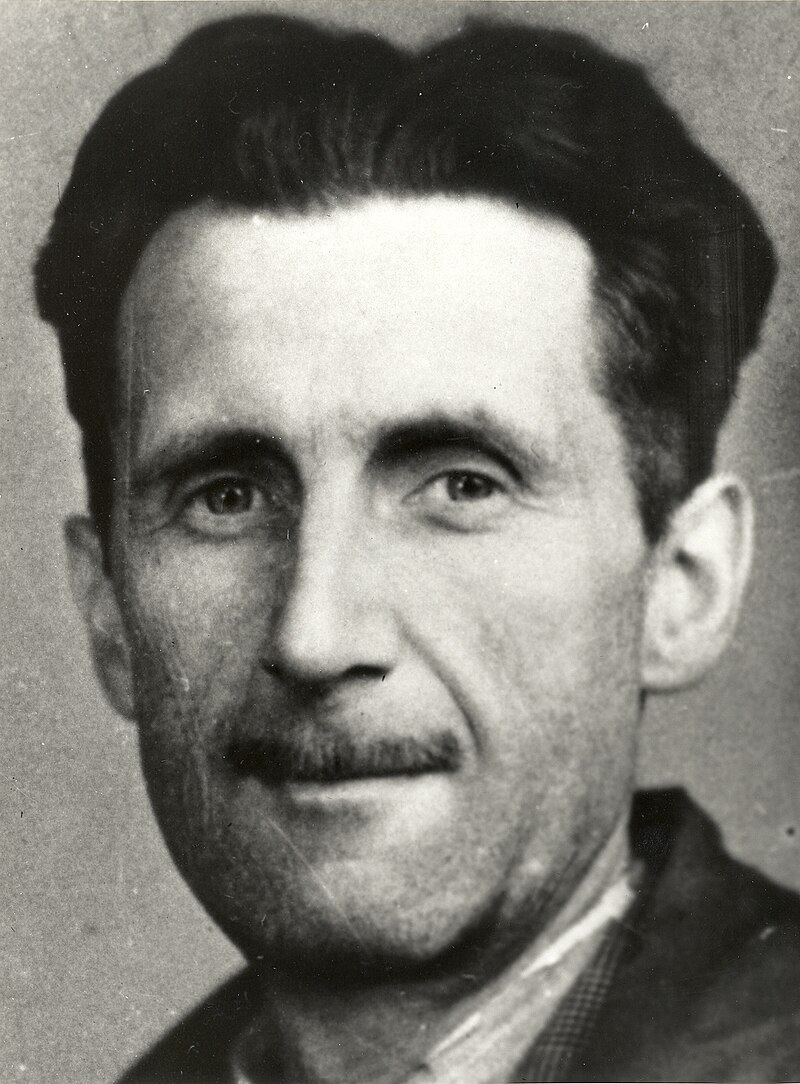
Eric Arthur Blair (25 June 1903 – 21 January 1950),] known by his pen name George Orwell, was an English novelist, essayist, journalist and critic.[] His work is characterised by lucid prose, biting social criticism, opposition to totalitarianism, and outspoken support of democratic socialism.[3][4][5][6]
As a writer, Orwell produced literary criticism and poetry, fiction and polemical journalism; and is best known for the allegorical novella Animal Farm (1945) and the dystopian novel Nineteen Eighty-Four (1949). His non-fiction works, including The Road to Wigan Pier (1937), documenting his experience of working-class life in the north of England, and Homage to Catalonia (1938), an account of his experiences soldiering for the Republican faction of the Spanish Civil War (1936–1939), are as critically respected as his essays on politics and literature, language and culture. In 2008, The Times ranked George Orwell second among "The 50 greatest British writers since 1945".[7]
Orwells work remains influential in popular culture and in political culture, and the adjective "Orwellian"—describing totalitarian and authoritarian social practices—is part of the English language, like many of his neologisms, such as "Big Brother", "Thought Police", "Two Minutes Hate", "Room 101", "memory hole", "Newspeak", "doublethink", "proles", "unperson", and "thoughtcrime

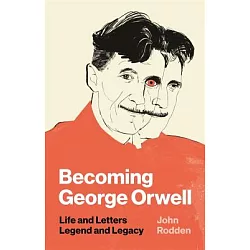
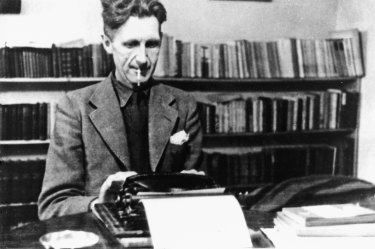


Animal Farm is an allegorical novella by George Orwell, first published in England on 17 August 1945.[1][2] The book tells the story of a group of farm animals who rebel against their human farmer, hoping to create a society where the animals can be equal, free, and happy. Ultimately, however, the rebellion is betrayed, and the farm ends up in a state as bad as it was before, under the dictatorship of a pig named Napoleon.
According to Orwell, the fable reflects events leading up to the Russian Revolution of 1917 and then on into the Stalinist era of the Soviet Union.] Orwell, a democratic socialist,[5] was a critic of Joseph Stalin and hostile to Moscow-directed Stalinism, an attitude that was critically shaped by his experiences during the Spanish Civil War.[6][a] The Soviet Union had become a brutal dictatorship built upon a cult of personality and enforced by a reign of terror. In a letter to Yvonne Davet, Orwell described Animal Farm as a satirical tale against Stalin ("un conte satirique contre Staline"),[7] and in his essay "Why I Write" (1946), wrote that Animal Farm was the first book in which he tried, with full consciousness of what he was doing, "to fuse political purpose and artistic purpose into one whole".]
The original title was Animal Farm: A Fairy Story, but U.S. publishers dropped the subtitle when it was published in 1946, and only one of the translations during Orwells lifetime kept it. Other titular variations include subtitles like "A Satire" and "A Contemporary Satire".[] Orwell suggested the title Union des républiques socialistes animales for the French translation, which abbreviates to URSA, the Latin word for "bear", a symbol of Russia. It also played on the French name of the Soviet Union, Union des républiques socialistes soviétiques.[]
Influence on language and writing
In his essay "Politics and the English Language" (1946), Orwell wrote about the importance of precise and clear language, arguing that vague writing can be used as a powerful tool of political manipulation because it shapes the way we think. In that essay, Orwell provides six rules for writers:
- Never use a metaphor, simile or other figure of speech which you are used to seeing in print.
- Never use a long word where a short one will do.
- If it is possible to cut a word out, always cut it out.
- Never use the passive where you can use the active.
- Never use a foreign phrase, a scientific word or a jargon word if you can think of an everyday English equivalent.
- Break any of these rules sooner than say anything outright barbarous.[
動物農莊(Animal Farm),又譯動物農場、動物莊園、一臉豬相,是英國作家喬治·歐威爾創作的託寓小說,在1945年8月17日正式於英國出版[]。歐威爾稱,此一寓言反映了1917年俄國革命至踏入史達林時期的歷史事件]。雖然歐威爾是一位民主社會主義者[5] ,但他對史達林和史達林主義持批判態度。歐威爾參加過西班牙內戰,正是這段經歷讓他對史達林主義獲得更深入的了解並對其進行批判[]。他認為,蘇聯已是慘無人道的獨裁統治,而這種統治手段建立在對史達林的個人崇拜和大清洗上。歐威爾在一封寫給伊馮娜·戴維的信中,稱《動物農莊》為一則諷刺史達林的故事[]。他在一篇隨筆《我為何寫作》中表示,《動物農莊》是他第一次有意識地嘗試把「政治目的和藝術目的合二為一」的著作[。
這本書的原標題為《動物農莊:一個童話故事》(Animal Farm: A Fairy Story),但美國的出版商在1946年出版時把副標題去掉。此為歐威爾一生中唯一接受的轉譯版本。其他名義上的副標題變化版本包括「一種譏諷」、「一種當代的譏諷」]。歐威爾後來曾建議法語版應以《Union des républiques socialistes animales》作翻譯版本的標題,其縮寫為URSA,即拉丁語中的熊(俄羅斯的形象代表),同時跟法語中的蘇聯全稱「Union des républiques socialistes soviétiques」相近.
故事始於英格蘭威靈頓的一個農莊曼諾農莊。由於主人瓊斯先生管理不善、終日酗酒、不負責任,故激起了農莊內動物的造反之意。在某一夜,曼諾農莊里的一頭老公豬「老梅傑」(Old Major)將動物們召集起來開會,宣布人類是動物的敵人,故號召動物們要推翻人類,並教會了動物們一首革命歌《英格蘭之獸》(Beasts of England)。老梅傑死後,兩頭年輕的豬,分別叫做雪球和拿破崙,成為了動物們的領袖,並發動起義。最終成功把瓊斯先生趕出了農莊,然後把農莊更名為「動物農莊」。他們採用了「動物主義七誡」為牠們的律法,其中最重要的一條是「所有動物一律平等」。動物們看著與人類平起平坐的豬,再看看人類,這才意識到,他們再也不能辨別哪個是豬,哪個是人了。

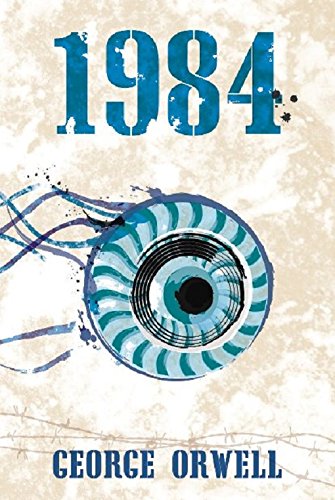

《一九八四》(:Nineteen Eighty-Four),是英國作家喬治·歐威爾所創作的一部反烏托邦小說],出版於1949年。其重點探討政府權力過分伸張、極權主義、對社會所有人和行為實施壓抑性統治的風險]。故事發生的時間設於1984年為當時作者對未來的虛構想像。在其構想中,世界大部分地區都陷入了一場永久的戰爭、政府監控無處不在、資料記錄中滿是歷史否定主義及政治宣傳。其為反烏托邦小說類三部代表作之一(另外兩部是《我們》和《美麗新世界》)。
在小說中,英國(第一空降場)成了超級大國大洋國的一個省,整個國家由黨所支配,它僱用了思想警察去迫害個人主義者以及獨立思考者[。老大哥是黨的領導人,喜歡強烈的個人崇拜,但他可能根本不存在。
《一九八四》是一本經典的政治諷喻和反烏托邦科幻小說2003年,《一九八四》在BBC的書籍票選活動大閱讀中獲得第8位]。其還在1956年、1984年改編成電影上映[]。
A tour of Orwell’s Jura, where he wrote 1984 .
 .
.


The house where George Orwell penned his masterpiece, published 70 years ago today, has hardly changed, nor has the brooding and remote Scottish island he loved
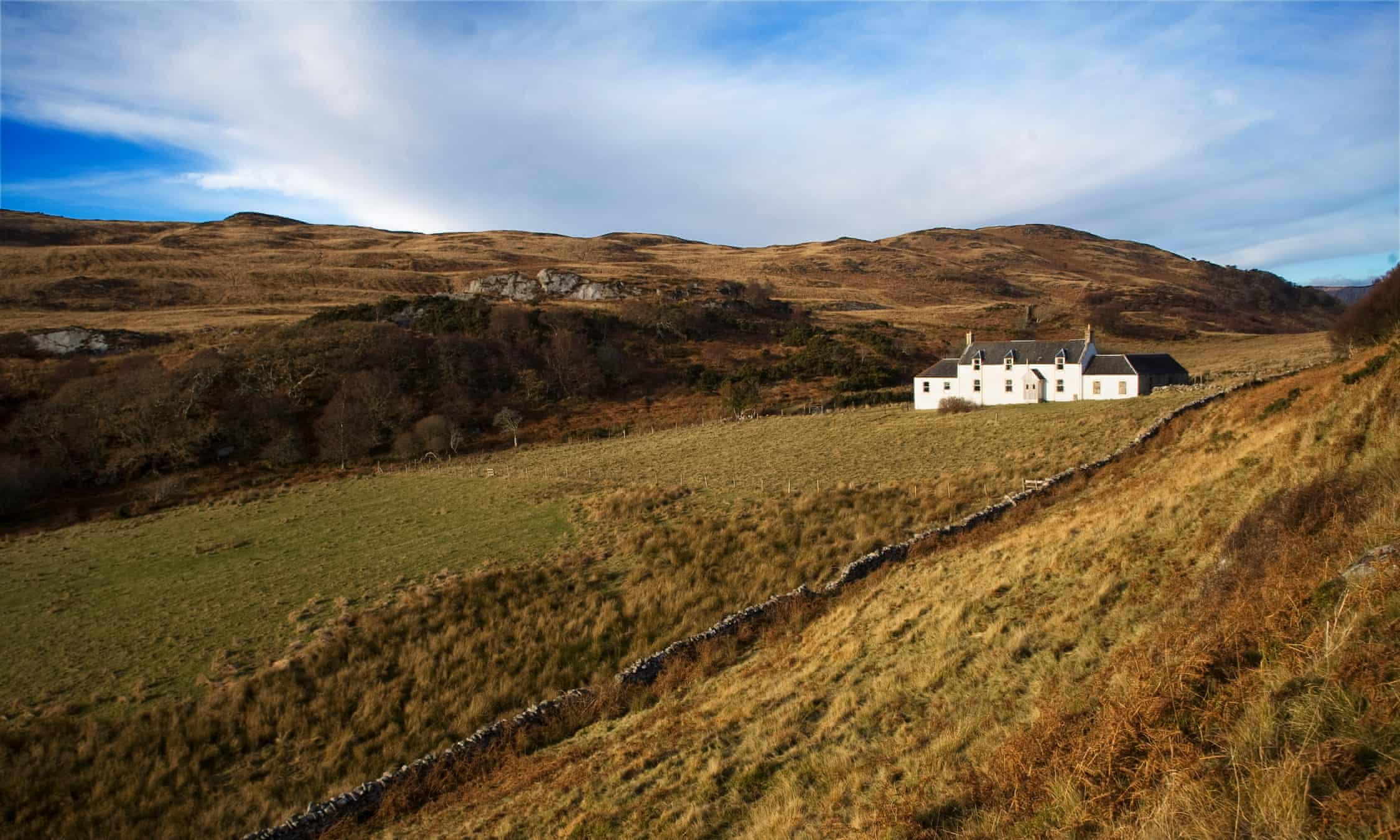

The Fletcher family, who have owned the house since before Orwell stayed there, only allow self-catering bookings for a minimum of a week. But since 2011 the Orwell Society has been running trips to Barnhill every two years, led by Orwell’s son, Richard Blair, now 75 (the next is in 2020).
A spacious, four-bedroom home, Barnhill, with its Aga, now-faded wall maps of post-war Europe, well-thumbed copies of 1984 and comfortably sagging armchairs, seems to have barely changed in the 70-plus years since Orwell began writing 1984. A generator supplies the electricity for light and there is a small gas-powered fridge..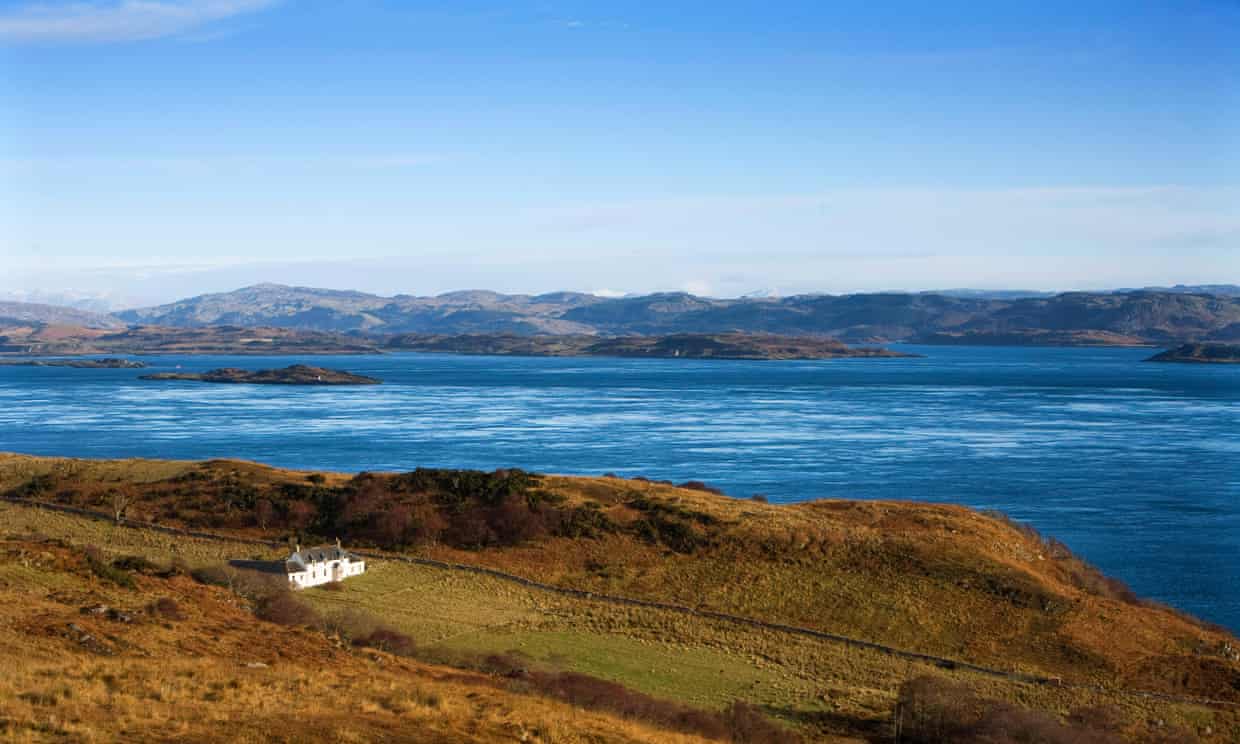

Jura is so peaceful. People come to get away from it all. In fact, they regret only coming for a day. The whole place is isolated and serene, there aren’t 10 people behind you when you go on walks round the bay or the island. At certain times of the year, you can see the northern lights. The Jura Hotel is the only one on the island and has amazing views, overlooking the beach and the sea. During the Jura Music Festival (21-23 September) people like to camp outside. I love the craft shops and know that people come from far and wide to buy our Jura tartan, pillows and kilts.


Autumn. The whisky-est of the seasons


許多吉拉威士忌酒朝聖者嚮往的天堂前往吉拉島接受威士忌酒專家培訓.


 3樓. red square 1232020/09/24 02:23
 red square 123 於 2020/09/24 02:24回覆
-
2樓. red square 1232020/09/14 01:43

 red square 123 於 2020/09/14 01:44回覆
 -
1樓. red square 1232020/09/14 01:40

 red square 123 於 2020/09/14 01:40回覆


