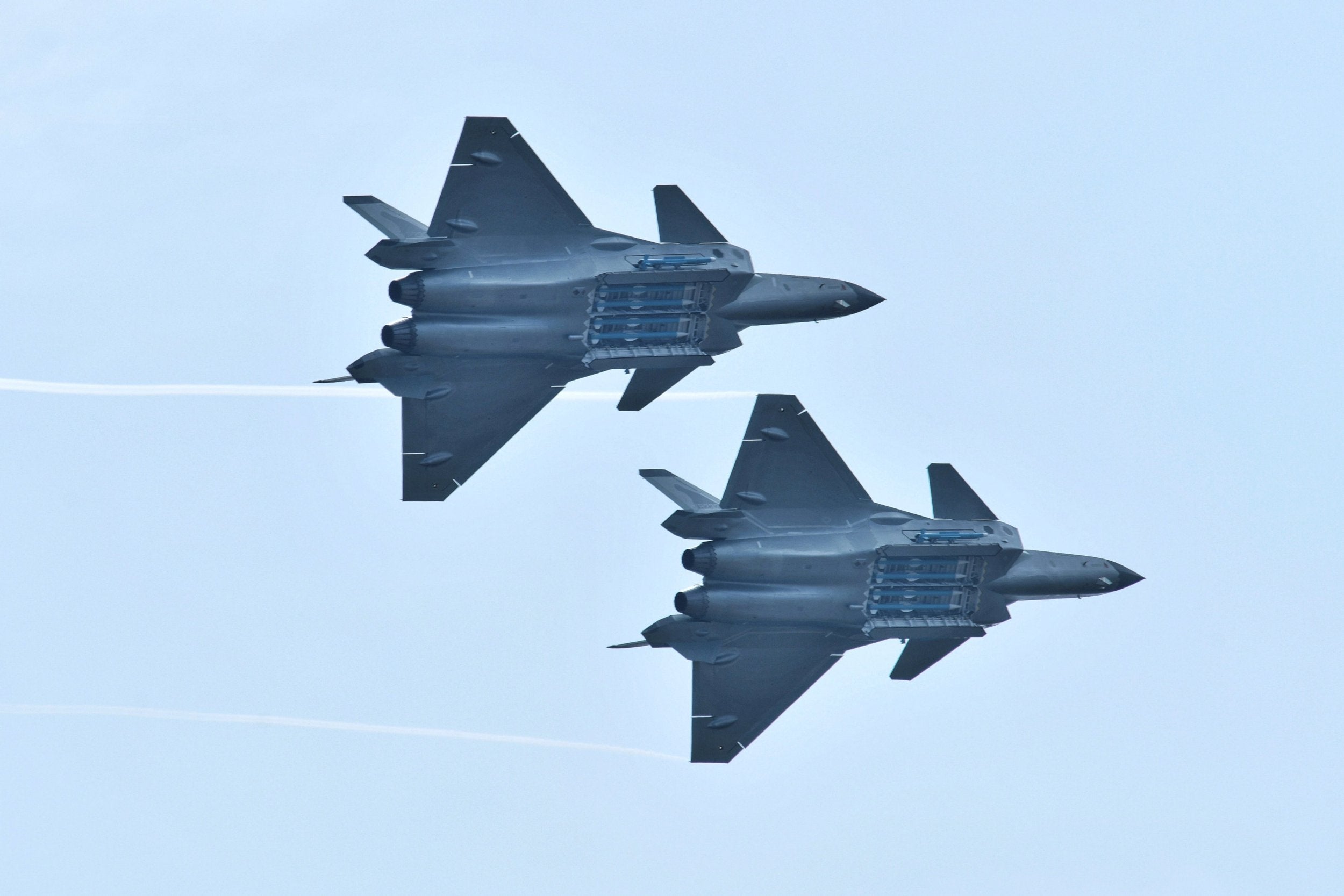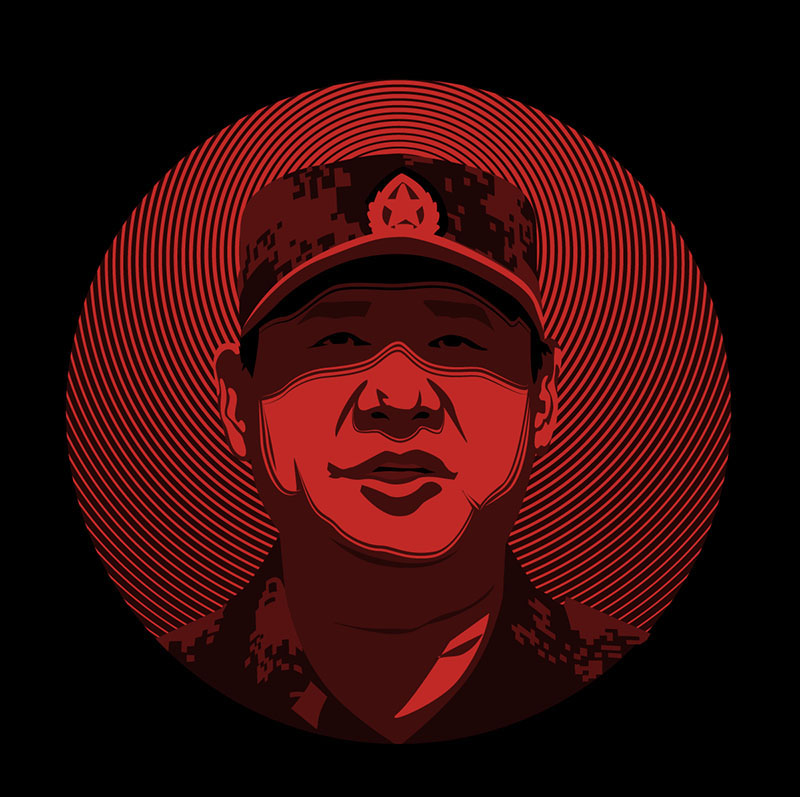
在習近平領導下,中國已經控制了南海的大部分地區,加強向美國長期盟友日本和臺灣施壓的軍事行動,並且首次有足夠火力阻止美國航母無法過於接近中國海岸,被視為有意挑戰美國在亞洲的霸權。
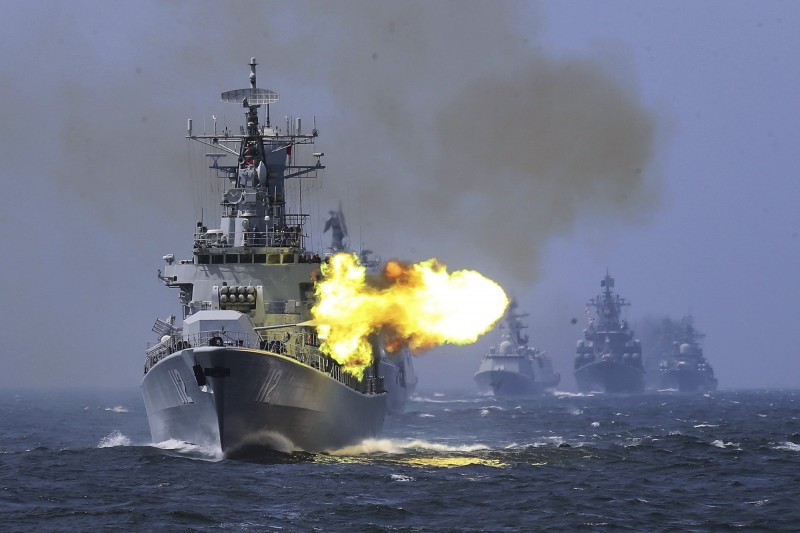

西方政治觀察家認為習近平,不是軍事強人,而是有謀略的軍事玩家,他將成功的玩弄美國人,使其知曉中國的強勢與強盛,今非昔比,逼迫美國自亞洲撤退(南韓,日本)以至於第二島鏈,咱們,視目以待,習近平如何玩弄美國.
China is replacing America as Asia’s military titan.
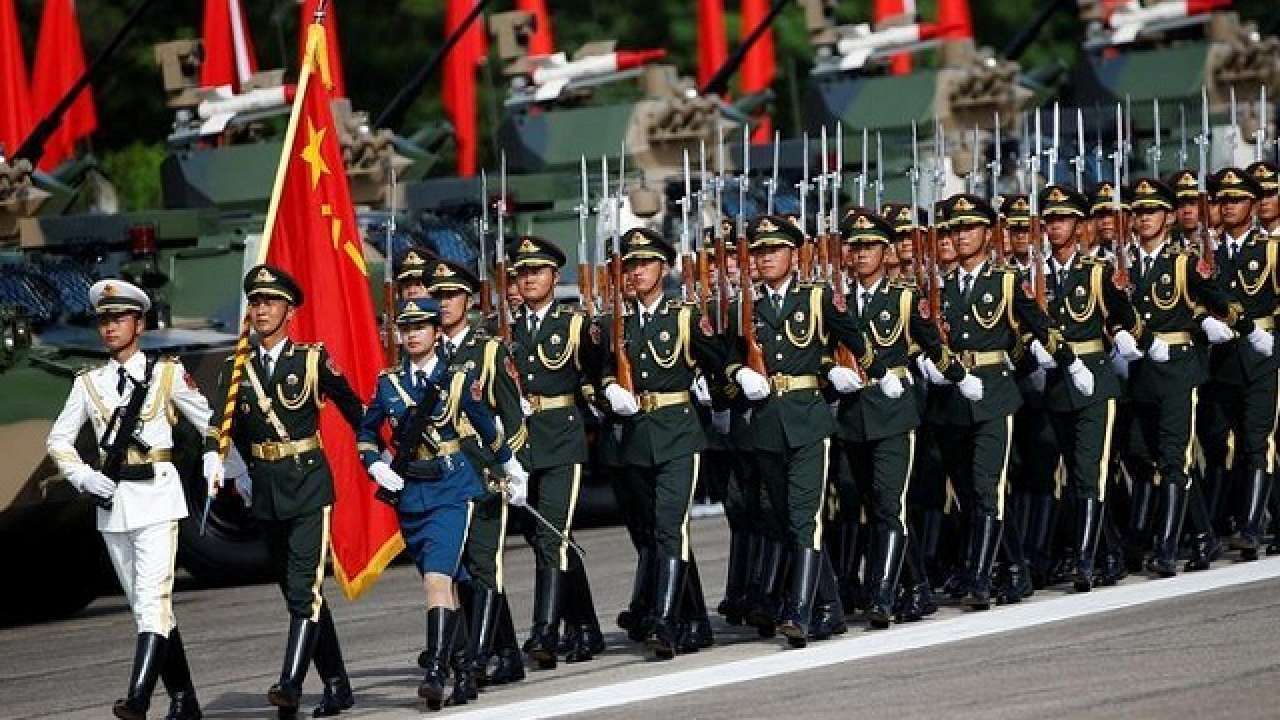
中國崛起挑戰美國在亞洲的軍事霸權.中國國家主席習近平正在改造中國的軍隊,成為強大的戰鬥力量,現已在一些關鍵領域超越美國,使得美國要在區域戰爭贏過中國遠遠談不上十拿九穩。本文亦詳細分析報導,習近平如何從軍事門外漢,晉升成為領導3軍的統帥,中央軍事委員會的主席,實際掌握軍權及軍隊.

Chinese leader Xi Jinping has refashioned the Peoples Liberation Army into a force thats rapidly closing the gap on U.S. firepower – and in some vital areas has surpassed it. American victory over China in a regional war is no longer assured.
n 1938, in the midst of a long campaign to bring China under Communist Party rule, revolutionary leader Mao Zedong wrote: “Whoever has an army has power.”
Xi Jinping, Mao’s latest successor, has taken that dictum to heart.
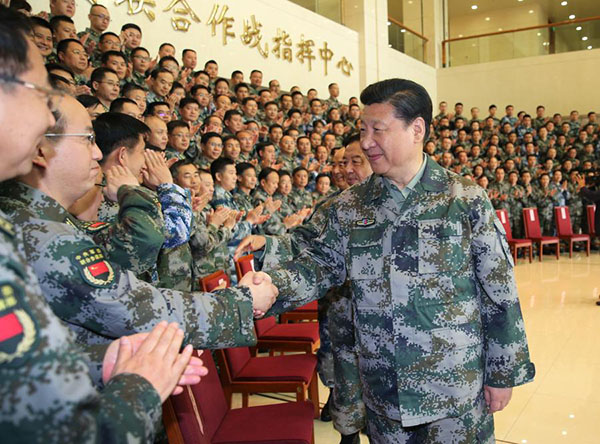
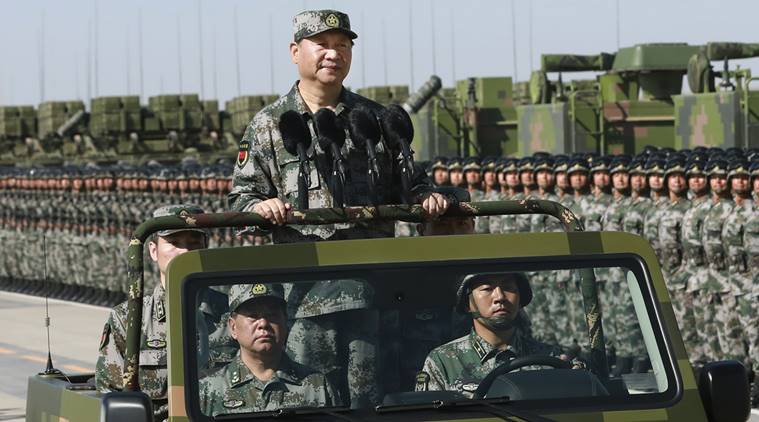
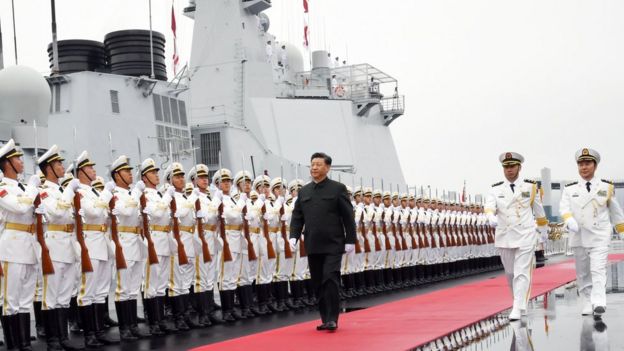
He has donned camouflage fatigues, installed himself as commander-in-chief and taken control of the two million-strong Chinese military, the People’s Liberation Army. It is the biggest overhaul of the PLA since Mao led it to victory in the nation’s civil war and founded the People’s Republic in 1949.
Xi has accelerated the PLA’s shift to naval power from a traditionally land-based force. He has broken up its vast, Maoist-era military bureaucracy. A new chain of command leads directly to Xi as chairman of the Central Military Commission, China’s top military decision-making body. Operational leadership of naval, missile, air, ground and cyber forces has been separated from administration and training - a structure that Chinese and Western defense analysts say borrows from U.S. military organization.
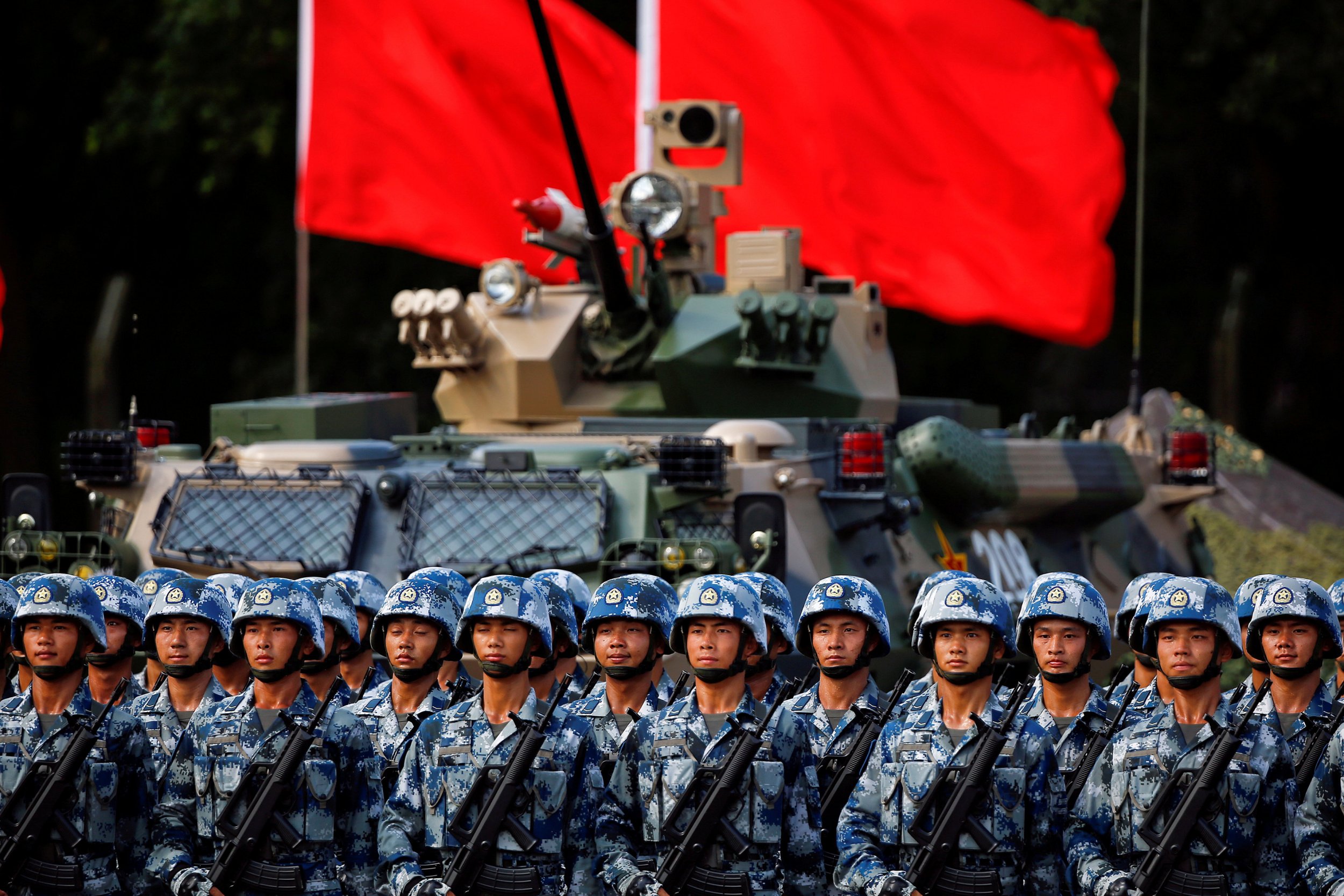
China Blasts Own Military for Being Paralyzed by Peace as It Prepares for War.
在習近平領導下,中國已經控制了南海的大部分地區,加強向美國長期盟友日本和臺灣施壓的軍事行動,並且首次有足夠火力阻止美國航母無法過於接近中國海岸,被視為有意挑戰美國在亞洲的霸權。
中國人民解放軍所取得的巨大進步(許多出現在習近平上任後),正打破美國幾十年來在亞洲的霸權地位並進而重構全球秩序。中國現擁有的常規導彈武器庫在某些情況已優於美國,並正以兩倍于美國海軍的速度生產戰艦。中國已成功升級其彈道導彈潛艇能力,通過提供更為可靠的二次打擊選項來加強其核威懾。
習近平對人民解放軍的改革,是中華人民共和國1949年建國以來最深遠的一次。他反貪肅清了100多名將領,在軍方最高層安插一批自己的人馬。這條由習近平創建的新指揮鏈直接向他彙報。
西方的政治觀察家認為,習近平是繼毛澤東之後,唯一掌握實際軍權及軍隊的領導人,他拋棄個人主義,虛偽的領導模式,重視實際的效益,因為他知曉軍人就是要犧牲小我,完成大我.

由此觀之,毛澤東在上一世紀的宏偉志願,"超英趕美"的政策已經完勝英國,接下來的"趕美"就由習近平接棒完成,西方國際戰略學者專家早已分析報告指出,2035年時期左右,中國的綜合國力評估就已經與美國並駕齊驅,不分伯仲,由此觀之,誰人才是世界新霸主,就不用再去爭論.
The Chinese leader isn’t just revolutionizing the PLA. Xi is making a series of moves that are transforming both China and the global order. He has abandoned reform architect Deng Xiaoping’s injunction that China should hide its strength and bide its time. The waiting game is over. Xi’s speeches are peppered with references to his “Chinese dream,” where an ancient nation recovers from the humiliation of foreign invasion and retakes its rightful place as the dominant power in Asia.
習近平進行徹底的改革中國軍方制度,歷年來的惡習與舊制度,他成功的推翻,自古以來蕃鎮軍閥割據佔地的局面,使得軍隊國家化朝向新制度的運作,首先他裁撤或是合併中國10大軍區司令官員,變成5大戰區的集團軍模式(陸,海,空,火箭軍及網軍),由戰區總司令負責領導指揮與調動整體軍隊行動,並且制定輪調計劃,以免重蹈復策,變成擁兵自重,在國家發生戰爭的狀況時,按兵不動,由於新制度的實施,已經使得許多軍方人事異動也就是說識時務者為俊傑,有些軍人已申請退役告老還鄉.因為現今的軍隊管理制度現代化,許多軍事資料,借用電腦系統登記處理,無法再作弊,謊報空員,領取國家資源,據為己有的貪污.此外加強軍事訓練及演習要求實兵實彈的操練等等重大改革邁向富國強兵之路.
例如201908由華南戰區執行的封鎖台灣海峽的演習計劃,極為成功的展現成果驗證習近平的軍事改革是可行的政策.
201708.在蒙古地區的朱日和綜合演習基地的沙場閱兵後,隨即展開(陸,海,空,火箭軍及網軍),實兵實彈的對抗演習.
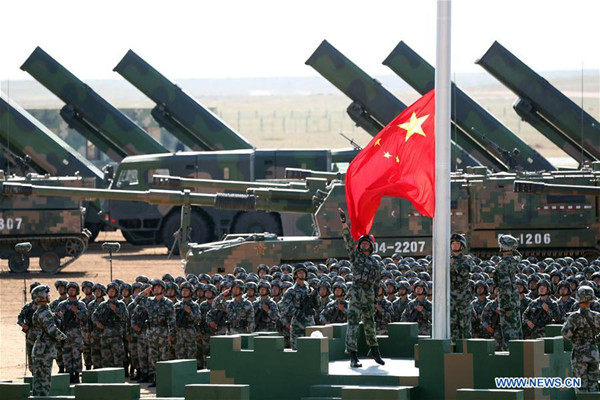
90 years on: PLA a valuable legacy to China and the world

A raw demonstration of his authority came when state television broadcast a laudatory documentary series about the PLA, “Strong Military.” In one scene in the 2017 series, an elderly man sits in a military court at a desk marked “defendant,” looking frail in a navy-blue civilian jacket. It is Guo Boxiong, a former general and the most senior officer convicted in Xi’s purge. He reads his confession to charges of bribery from a sheaf of papers gripped in both hands.
In a series of stories, Reuters is exploring how the rapid and disruptive advance of Chinese hard power on Xi Jinping’s watch has ended the era of unquestioned U.S. supremacy in Asia. In just over two decades, China has built a force of conventional missiles that rival or outperform those in the U.S. armory. China’s shipyards have spawned the world’s biggest navy, which now rules the waves in East Asia. Beijing can now launch nuclear-armed missiles from an operational fleet of ballistic missile submarines, giving it a powerful second-strike capability. And the PLA is fortifying posts across vast expanses of the South China Sea, while stepping up preparations to recover Taiwan, by force if necessary.
For the first time since Portuguese traders reached the Chinese coast five centuries ago, China has the military power to dominate the seas off its coast. Conflict between China and the United States in these waters would be destructive and bloody, particularly a clash over Taiwan, according to serving and retired senior American officers. And despite decades of unrivaled power since the end of the Cold War, there would be no guarantee America would prevail.
“The U.S. could lose,” said Gary Roughead, co-chair of a bipartisan review of the Trump administrations defense strategy published in November. “We really are at a significant inflection point in history.”
Roughead is no armchair theorist: A retired admiral, as former Chief of Naval Operations he held the top job in the U.S. Navy until 2011. His alarm reflects a growing view across the American defense establishment. In their report, he and his colleagues issued a dire warning. The United States faces a “national security crisis,” principally arising from growing Chinese and Russian military power. “U.S. military superiority is no longer assured and the implications for American interests and American security are severe,” the panel concluded.
 .
.
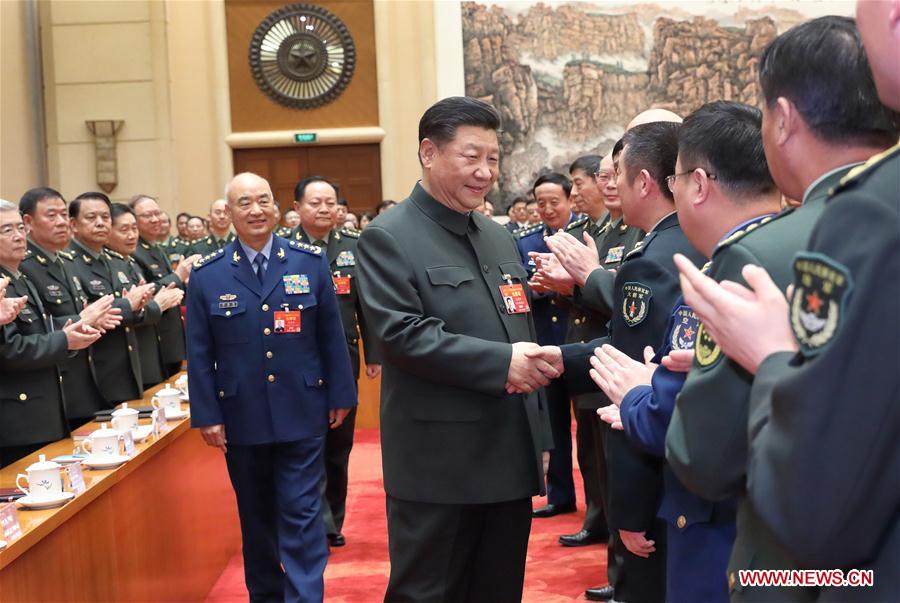
It is clear that Xi wants to bring the era of U.S. dominance in Asia to an end. “In the final analysis, it is for the people of Asia to run the affairs of Asia, solve the problems of Asia and uphold the security of Asia,” he said in a 2014 speech to foreign leaders on regional security.

 .
.
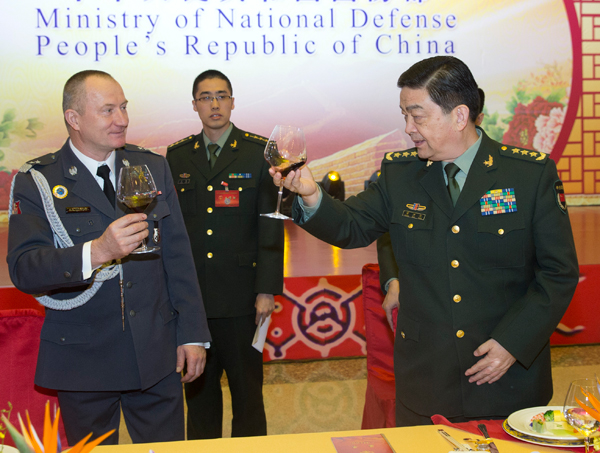
北約軍事戰略家分析指出,習近平,從1軍事門外漢,到成為領導3軍的統帥,其秘訣在於不恥下問,親切與真誠的領導模式,贏得軍方的信心及認同.,習近平不同於往昔的領導人,高高在上,監督軍方,壟絡軍隊,但是又怕軍方造反,發動軍事政變,他也成功的肅清軍隊中積弊已久的貪贓枉法.例如吃空餉,盜賣軍用物資等等案件,使得許多軍中高階軍官等多人入獄,也引起許多軍人申請提前退役,他最重要的指示就是要求軍隊聽從黨的指揮與領導,而不是個人領袖式魅力的領導,他聲稱軍隊絕對不能搞個人崇拜主義,一切要以國家利益為重,為人民服務,保家衛國.除此之外他大力推動解放軍參加國際間的各式各樣的軍事演習,更派遣海軍,到遙遠的海外進行軍艦外交與宣慰海外中國僑胞.如此一來因為習近平的改革開放使得國際間愈來愈重視中國軍隊的強大存在.




China’s Ministry of National Defense, the U.S. Indo-Pacific Command and the Pentagon did not respond to questions for this article or detailed summaries of its findings.
This account of Xi and the PLA - which despite the “army” in its name comprises all military branches - is based on interviews with 17 current and former military officers from China, the United States, Taiwan and Australia. Many would only speak on condition of anonymity. It draws on the accounts of Chinese officials and people with ties to the senior leadership in Beijing who have known Xi Jinping and his family for decades and are familiar with his career as he rose through the party and government bureaucracy. It also relies on Chinese government publications describing Xi’s political thinking, his speeches and official documentaries showcasing his leadership of the military.
The confrontation comes as the administration of President Donald Trump is waging a tariff war aimed at reducing China’s massive trade surplus with the United States. However the trade conflict is resolved, a graver risk is the possibility that the deeper tensions could boil over into an armed clash between Beijing and Washington and its allies in the hotly contested maritime zones off the Chinese coast.
The rise of the PLA is not all Xi’s doing. Long before he took power, the military had been transformed from the massive but rudimentary land force that swept Mao and his comrades, including Xi’s father, to victory over the Nationalists in 1949. Decades of steep increases in defense spending paid for an arsenal of high technology weapons; millions of soldiers were demobilized. But corruption became endemic.
Xi’s two predecessors, Jiang Zemin and Hu Jintao, were civilians who took office without a network of support among PLA brass. They fostered loyalty through patronage, pay rises and budget increases, according to Chinese and Taiwanese analysts and retired officers. Under the weak leadership of Hu in particular, they say, senior officers exploited their positions to siphon off money, particularly from the logistic and equipment budgets. Rank buying became rampant.