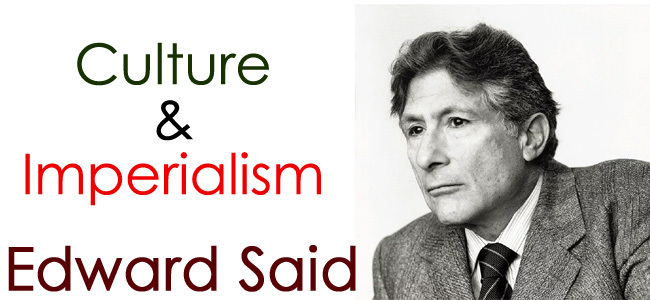
Edward Wadie Said (/sɑːˈiːd/; Arabic: إدوارد وديع سعيد [wædiːʕ sæʕiːd], Idwārd Wadīʿ Saʿīd; ) was a professor of literature at Columbia University, a public intellectual, and a founder of the academic field of postcolonial studies.[] A Palestinian American born in Mandatory Palestine, he was a citizen of the United States by way of his father, a U.S. Army veteran.
Educated in the Western canon, at British and American schools, Said applied his education and bi-cultural perspective to illuminating the gaps of cultural and political understanding between the Western world and the Eastern world, especially about the Israeli–Palestinian conflict in the Middle East; his principal influences were Antonio Gramsci, Frantz Fanon, Aimé Césaire, Michel Foucault, and Theodor Adorno.
As a cultural critic, Said is known for the book Orientalism (1978), a critique of the cultural representations that are the bases of Orientalism—how the Western world perceives the Orient.[5][6][7][8] Saids model of textual analysis transformed the academic discourse of researchers in literary theory, literary criticism, and Middle-Eastern studies—how academics examine, describe, and define the cultures being studied. As a foundational text, Orientalism was controversial among scholars of Oriental Studies, philosophy, and literature.[
愛德華·瓦迪厄·薩伊德(阿拉伯語:إدوارد سعيد,:Edward Wadie Said,國際著名文學理論家與批評家,後殖民理論的創始人,也是巴勒斯坦建國運動的活躍分子,由此也成為了美國最具爭議的學院派學者之一。同時他也是一位樂評家、歌劇學者和鋼琴家.。因為他引了二十世紀初英國著名政治家、猶太復國主義積極提倡者貝爾福(Arthur James Balfour)1910年在英國國會下議院演說中把埃及人稱為「oriental」。這樣,薩伊德說,一個一直被英國作家喬叟、莎士比亞、拜侖等泛指亞洲及東方的名詞就變成沒有文化、落後、被統治者的象徵符號。用這種想法來理解「orient/東方」的人就是薩伊德所說的「東方主義者」。
ES.他一生至力於阿拉伯文明復興運動,他始終未曾提及遙遠的東方文明古國印度及中國,他是美國哥倫比亞大學,終身職的教授,是文學評論家與「比較學」(比較文化)家,精通數種語文並研讀其原文著作,然後用生動的英語去品嚐不同民族人生經驗、撰寫評論世界各種思潮。ES.在哥倫比亞大學任教所開設的課程,學生勇躍爆滿,可惜是以他過逝1年後,哥大就撤除相關課程及研究,他的著作也是儲存在圖書館內的書籍之一,迄今為止沒有任何一個人學生,繼承ES的遺志繼續研究《東方主義》(Orientalism)遺憾?
 .
. 
ES.的話著作東方主義描寫歷史文明的中東文明,如何受到西方文明的壓迫與排擠,在人類進化的過程中,戰爭與侵略總是在先,繼之後而來的就是經濟,政治及文化的入侵,ES.在於研究民族主義及阿拉伯文化的文明優異,或是其他有關宗教事務的執著,而以他敏銳的觀察力做為比較所謂東方文化(阿拉伯文明)與西方文明的差異,顯然是他比較量傾向於 東方式文化(阿拉伯文明)而又以《東方主義》(Orientalism)一書.做為傳世,因為西方文化充滿意商業主義的宣導,他無法接受.?
Thesis of Representation.Orientalism (1978) proposes that much of the Western study of Islamic civilization was an exercise in political intellectualism; a psychological exercise in the self-affirmation of "European identity"; not an objective exercise of intellectual enquiry and the academic study of Eastern cultures. Therefore, Orientalism was a method of practical and cultural discrimination that was applied to non-European societies and peoples in order to establish European imperial domination. In justification of empire, the Orientalist claims to know more—essential and definitive knowledge—about the Orient than do the Orientals.] Western writings about the Orient, the perceptions of the East presented in Orientalism, cannot be taken at face value, because they are cultural representations based upon fictional, Western images of the Orient. The history of European colonial rule and political domination of Eastern civilizations, distorts the intellectual objectivity of even the most knowledgeable, well-meaning, and culturally sympathetic Western Orientalist; thus did the term "Orientalism" become a pejorative word regarding non–Western peoples and cultures:]
I doubt if it is controversial, for example, to say that an Englishman in India, or Egypt, in the later nineteenth century, took an interest in those countries, which was never far from their status, in his mind, as British colonies. To say this may seem quite different from saying that all academic knowledge about India and Egypt is somehow tinged and impressed with, violated by, the gross political fact—and yet that is what I am saying in this study of Orientalism.
— Orientalism (1978) p. 11

The Oriental threat in the 17th century: the Ottoman Empire at its greatest extent, in 1683.

ES.沉醉於鄂圖曼土耳其帝國時期的燦爛輝煌阿拉伯文明,因為鄂圖曼帝國滅掉東羅馬帝國,結束西方文明對於東方文明(阿拉伯文明)的傾軋與排擠,不是沒有原由的否則他沒有原因動力寫作所謂的《東方主義》(Orientalism)一書,?ES.的著作在台皆有翻譯本出售可惜並不是暢銷書籍,只有是少數學生因為修習相關課程的參考書.
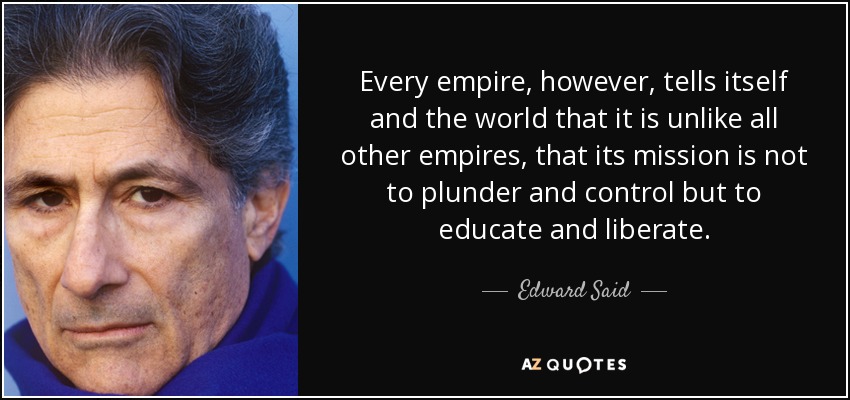
ES: Exile is strangely compelling to think about but terrible to experience. It is the unhealable rift forced between a human being and a native place, between the self and its true home: its essential sadness can never be surmounted. And while it is true that literature and history contain heroic, romantic, glorious, even triumphant episodes in an exile’s life, these are no more than efforts meant to overcome the crippling sorrow of estrangement. The achievements of exile are permanently undermined by the loss of something left behind forever.
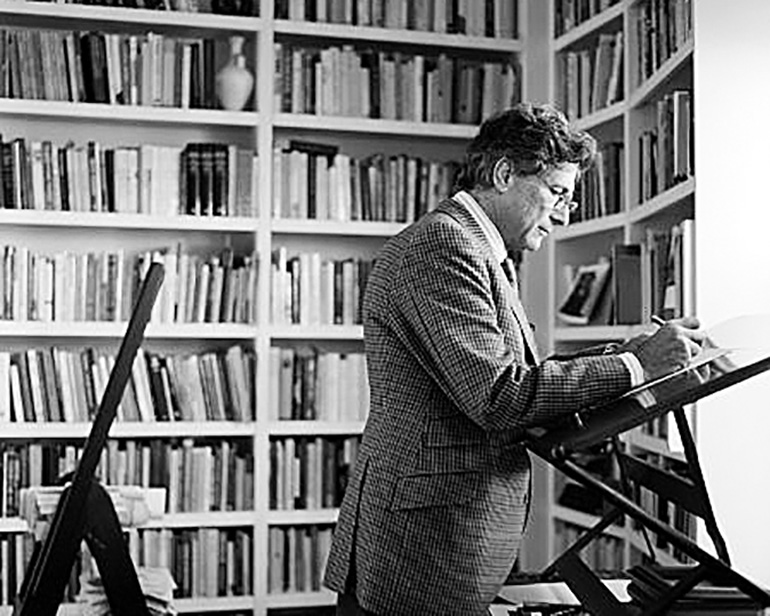 ES
ES
薩伊德是一代奇人是文學於評論家與「比較學」(比較文化)家,精通數種語文並研讀其原文著作,然後用生動的英語去品嚐萬花筒式的不同民族人生經驗、評論世界各種思文。他出名的最大原因就是1978年出版了《東方主義》(Orientalism)一書,轟動全球。薩伊德本人是中東移民,他在生理上本來沒有資格變成美國統治精英主流,卻通過自己在文化、學術上的成就而達到了美國社會「名流」(celebrity)地位。他到美國各大學與其他知識精英中講演所受到的熱烈歡迎.
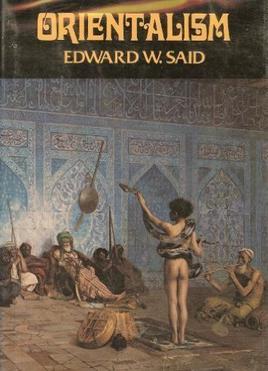
Orientalism .Cover of the first edition, showing part of The Snake Charmer (1880), an Orientalist painting by Jean-Léon Gérôme (1824–1904) Author Edward W. Saïd.Country.United States .
Orientalism is a 1978 book by Edward W. Said, in which the author discusses Orientalism, defined as the Wests patronizing representations of "The East"—the societies and peoples who inhabit the places of Asia, North Africa, and the Middle East. According to Said, orientalism (the Western scholarship about the Eastern World) is inextricably tied to the imperialist societies who produced it, which makes much Orientalist work inherently political and servile to power.
According to Said, in the Middle East, the social, economic, and cultural practices of the ruling Arab elites indicate they are imperial satraps who have internalized the romanticized "Arab Culture" created by French, British and, later, American Orientalists; the examples include critical analyses of the colonial literature of Joseph Conrad, which conflates a people, a time, and a place into a narrative of incident and adventure in an exotic land
The critical application of post-structuralism in the scholarship of Orientalism influenced the development of literary theory, cultural criticism, and the field of Middle Eastern studies, especially regarding how academics practice their intellectual inquiry when examining, describing, and explaining the Middle East.[3] The scope of Saids scholarship established Orientalism as a foundation text in the field of post-colonial culture studies, which examines the denotations and connotations of Orientalism, and the history of a countrys post-colonial period.[
As a public intellectual, Edward Said debated Orientalism with historians and scholars of area studies, notably, the historian Bernard Lewis, who described the thesis of Orientalism as "anti-Western".[5] For subsequent editions of Orientalism, Said wrote an "Afterword" (1995)[6] and a "Preface" (2003)[7] addressing criticisms of the content, substance, and style of the work as cultural criticism.
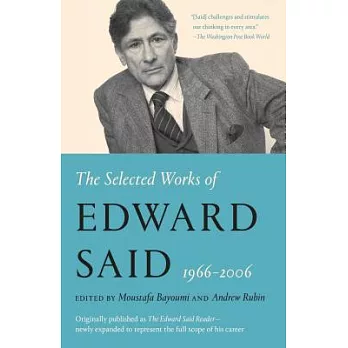
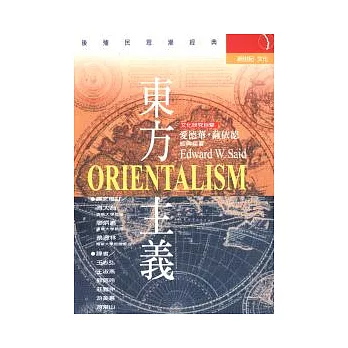

《東方主義》是一本有關歐美如何看待中東、阿拉伯和伊斯蘭世界的兩百年學術傳統的權力與想像力的研究。薩依德以葛蘭西的「文化霸權論」及傅柯的「知識卅權力論」為其論述的基礎,將東方主義者在全球性的網絡中,所建構的西方殖民勢力對東方世界權力的支配、知識再生產之霸權架構、殖民與被殖民者、西方與東方之不對等權力關係及主奴式的霸權體系一一展演於前。
他進一步分析西方對伊斯蘭世界及近東研究的東方學文本與作者,主要內容從殖民的政治建制、東方學專家的學術生產事業、與有關文學創作和通俗報導方面,來釐清剖析西方對東方的東方化想像與現實東方的差異。


- 非洲的動物世界123.
- 歡迎5月來臨.Welcome MAY.2026.
- 美國總統川普下令撤離5千駐德美軍 US withdrawing 5,000 troops from Germany:
- UAE退出OPEC .為什麼? Why did UAE announce its withdrawal from OPEC and OPEC+
- 美國菲律賓 日本 澳洲 等國家南海軍事演習針對中國.「肩並肩2026」(Balikatan 2026)軍演
- 法國歸還中國文物 為什麼? 可能性 ? Will French bill on looted artifacts bring home Chinese treasures?


