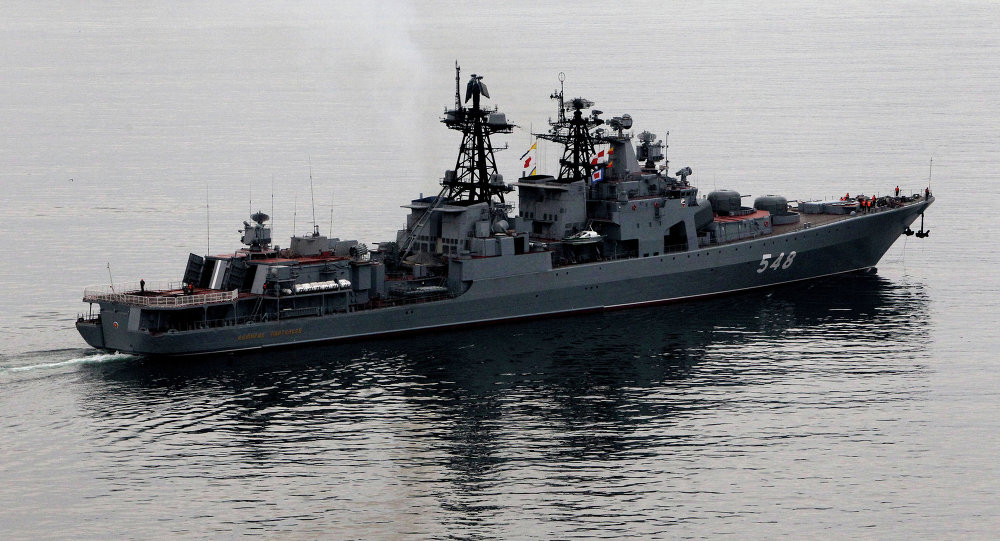
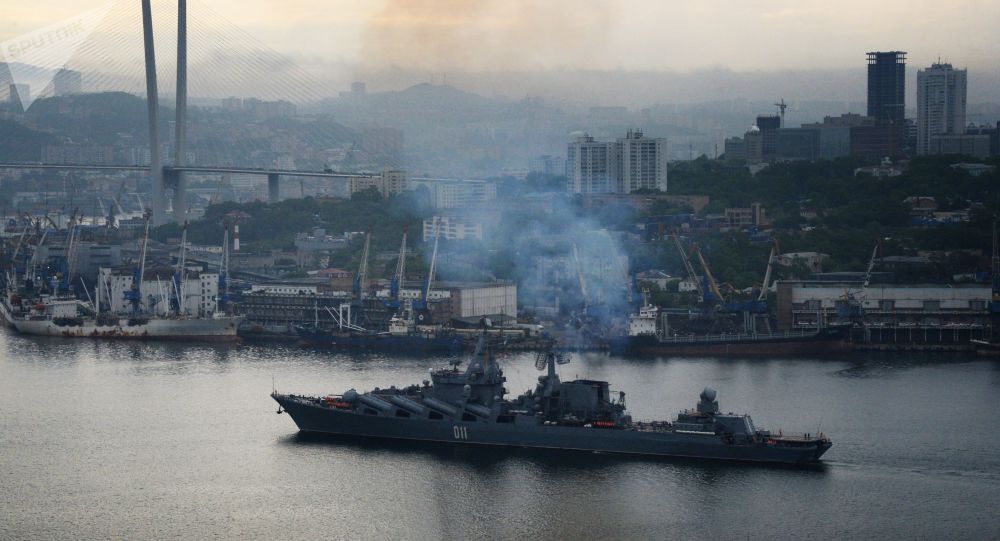
俄羅斯太平洋艦隊.2019巡禮,傳聞將穿越台灣海峽?

俄羅斯聯邦海軍太平洋艦隊徽
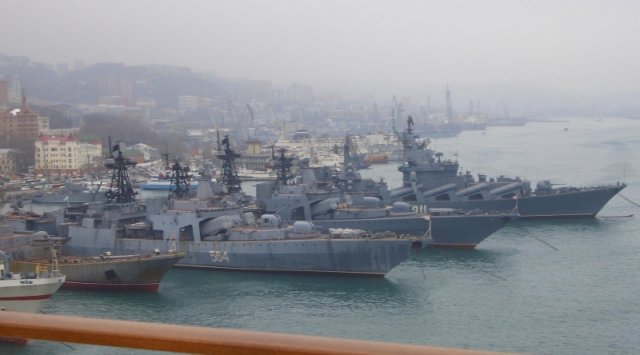
太平洋艦隊(俄語:Тихоокеанский флот, ТОФ),蘇聯時代舊名紅旗太平洋艦隊(Краснознамённый Тихоокеанский флот, КТОФ]),是俄羅斯海軍的一部分,駐紮在太平洋,任務是保護蘇聯及後來俄羅斯的東亞邊界。艦隊的總部為海參崴,而堪察加半島上的堪察加彼得羅巴甫洛夫斯克則是該艦隊另一個重要基地。
在蘇聯時期太平洋艦隊的總指揮也負責管理和命令蘇聯的印度洋艦隊以及印度洋內的艦隊基地。太平洋艦隊的主要作戰使命是應對日本、美國、武裝力量。
海參崴(滿語:ᡥᠠᡳᡧᡝᠨᠸᡝᡳ,穆麟德:Haišenwai,太清:Haixenwai),也稱符拉迪沃斯托克(俄語:Владивосток,Vladivostok,是俄羅斯濱海邊疆區的首府,也是俄羅斯遠東地區人口最多和經濟最發達的地區,人口截至2017年[update]達606,589人]。海參崴臨近俄、中、朝三國交界之處,三面臨海,是俄羅斯在太平洋沿岸最大的港口],也是俄羅斯太平洋艦隊司令部所在地。
海參崴自新石器時代時起便有人類居住,原為遊牧民族居住地,後歷為渤海國、遼朝、金朝、元朝、明朝、清朝領土,1860年清朝與俄羅斯帝國簽訂《中俄北京條約》,變成俄羅斯帝國統治。


你們台灣就美國太平洋艦隊2艘軍艦,"USS Stethem (DDG-63)史塔森號導向飛彈驅逐艦驅逐艦"以及"查維斯號"Cesar Chavez後勤彈藥補給艦,20190225再度穿越台灣海峽事件,大肆報導吹虛,美國要以實際行動軍事力量,維持海峽兩岸的軍平衡,實際上是這2艘軍艦趕赴越南,提前佈署以保護美國總統川普與北韓領導人金小胖在越南第二次會談,有關撤除核子武器事件,你們台灣大言不讒卻不敢報導,俄羅斯太平洋艦隊以「維諾格拉多夫海軍上將」號和「特里布茨海軍上將」號大型反潛艦以及「佩琴加河」號油輪組成的艦艇編隊經過台灣海峽於20180609日抵達菲律賓馬尼拉進行非正式訪問。


美國,"USS Stethem (DDG-63)史塔森號導向飛彈驅逐艦.
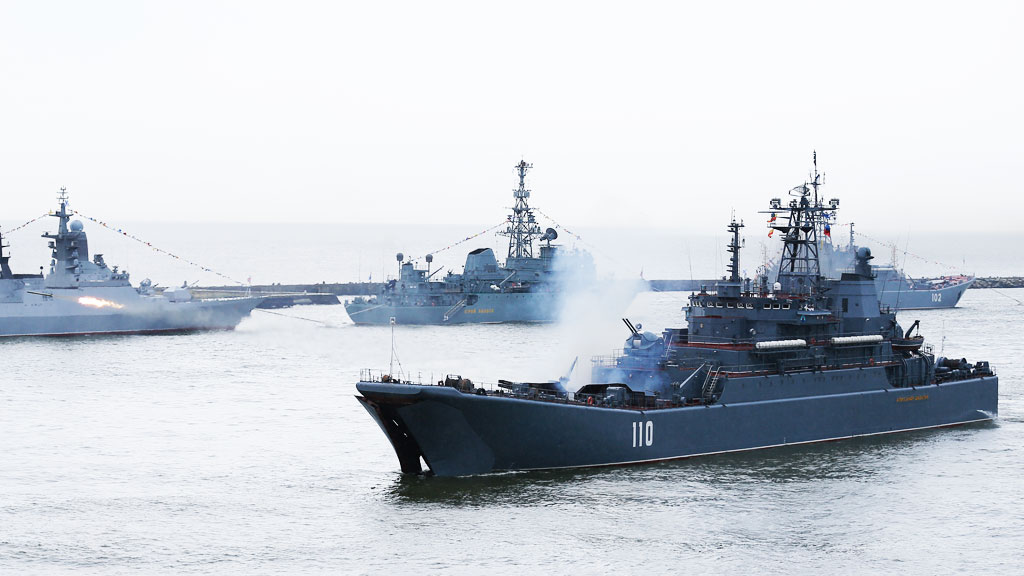
201806俄羅斯太平洋艦隊穿越台灣海峽至菲律賓訪問.
這期間有關情報顯示出,201806俄羅斯太平洋艦隊3艘軍艦穿越台灣海峽,你們台灣的海軍及空軍窩趴在基地內修補,沒有任何跟監動作,連最基本的國際海軍禮儀,都故意忘記,沒有派出紀德級驅逐艦以及派里級護衛艦出場迎接,鳴放19響禮炮以示尊重,以及友好表示,這樣一來顯示出,你們台灣的軍方因為接獲中國指示,不可輕舉妄動出勤,因為你們台灣的海軍船艦及空軍F-16戰鬥機都是美國淘汰品種,基本上拿不出檯面做秀,只有原地待命修整.另一方面避免不必要的誤會,以免差槍走火,因為台灣的軍方與俄羅斯雙方均有深仇大恨,如果逮到機會一定大打出手,此一時彼一時,台灣軍方只能忍氣吞聲,按兵不動,因為有中國的壓制與護航,201806俄羅斯太平洋特遣艦隊,無害通過台灣海峽,到菲律賓進行友好訪問.

強大的俄羅斯太平洋艦隊,2019演習即將展開,是否再度穿越台灣海峽引起注目,必竟2019年底台灣與美國,同時進行總統選舉,在這敏感時期,台灣民進黨,向來都是指望美國軍艦穿越台灣海峽多多益善,增加選舉籌碼,殊不知俄羅斯太太艦隊在2019年度演習計劃中,以表示將聯合中國東海特遣艦隊演習,穿越台灣海峽只是密而不喧在何時?,這樣一來你們台灣海峽就熱鬧非凡想想看中國美國俄羅斯世界上3大軍事強國都要在台灣海峽做秀軍演?
可見台灣的戰略位置如何重要?
你們台灣人向來是挾洋自重外國的月亮比較亮? 你們台灣人忘記歷史的教訓下場為何? 自己應該徹底自我檢討與自我批判,以免做出損人不利己的事件出來,你們台灣人的政黨都以騙取選票為要務,從來不顧老百姓的死活,當戰爭發生時中國及俄羅斯海軍聯合艦隊出現台灣海峽時早已逃亡.
“Russia and Cross Strait Relations”.
Finally, although Russia can greatly influence cross-Strait relations, it would be premature to treat Russia as Beijing’s willing ally in war. The asymmetric relationship between Moscow and Beijing over the Taiwan issue offers Russia a wide range of wartime options. Russia could side with the pro-Taiwan alliance against China, or side with China against the pro-Taiwan alliance, but both options have their drawbacks
The Evolution of Russia’s Taiwan Policy
A review of Russian foreign policy helps us understand the present and anticipate the future. Russian leaders have not created their foreign policy out of the blue, but rather formulated it under given geographical and historical circumstances. No matter how changeable and complex history is, we may still be able to identify some key historical patterns. That scholars find much continuity in Russian foreign policy makes it even more important to familiarize ourselves with the past. In addition, Russian foreign policy may be path-dependent in that the past heavily influences the present.
Russian policy toward Taiwan can be traced back to the late seventeenth century, after Imperial Russia came into contact with China under Manchu rule. Although it was first mentioned in Russian sources in 1670, Taiwan did not attract Russian attention until the era of Japanese imperialism more than two centuries later. In May 1874, Japan launched an expedition to punish Taiwanese aborigines who had murdered a party of shipwrecked Ryukyuans. Russia lodged a protest against Japan, and sent a gunboat to Taiwan in July of that year, which provided some of the earliest firsthand accounts by Russians of Taiwan.2 One reason why China refrained from fighting Japan at that time was the Russian occupation of the Ili area of Northwest China.
1 For example, Taiwan is mentioned in passing in Jeanne Wilson, Strategic Partners. Gorbachev and Yeltsin do not mention Taiwan in their books. See Gorbachev, Memoirs; Yeltsin, Midnight Diaries.
2 Alexander Lukin, The Bear Watches the Dragon , .
.
During the Sino-Japanese War of 1894-1895, Japan decided to annex Taiwan partly because the Russian minister in Tokyo expressed no objection to such an action.4 Later Russia rallied the support of France and Germany to prevent a victorious Japan from annexing the Liaodong Peninsula, the strategically and economically important southern part of Manchuria. Russia did accept Japan’s annexation of Taiwan after Japan promised to respect freedom of navigation through the Taiwan Strait. The different attitudes Russia adopted toward Manchuria and Taiwan reflected its geopolitical interests. As early as 1874, a Russian diplomat in Beijing remarked that a Sino-Japanese conflict could barely hurt Russian interests in China, but if Japan had to quit Taiwan, it would seek a sphere of influence near Russia.
In 1896 Russia followed advice from its ally France and allowed a German to head the first Russian consulate in Taiwan.6 During the Boxer rebellion, Japan and Russia sent two of the largest contingents of foreign troops to China. The subsequent Russian retreat into Manchuria threatened Japanese ambitions in Korea, and unintentionally foiled Japan’s effort to consolidate its sphere of influence in the Chinese provinces across the Strait from Taiwan.7


