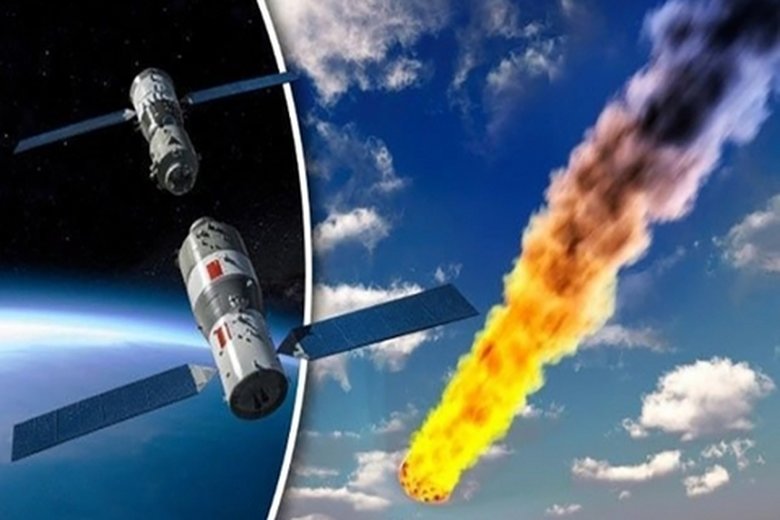
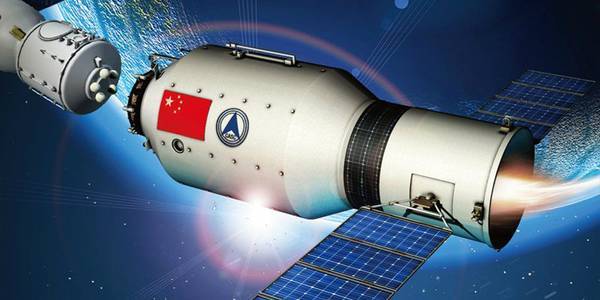
中國是繼蘇聯,美國之後,成功的將太空站,發射至太空中執行各式各樣的太空實驗.
中國太空船實驗室”天宮一號”重返大氣層燃燒後解體墬落太平洋啟示錄.
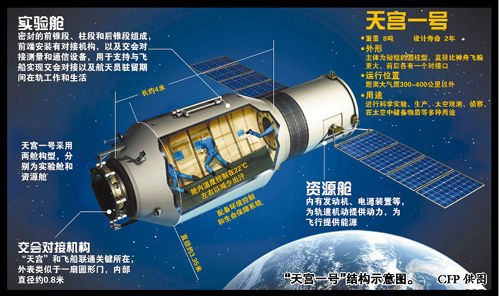
天宮一號主要任務:與神舟系列太空船完成空間交會對接飛行試驗;保障太空人在軌短期駐留期間的生活和工作;*進行一系列空間實驗;初步建立短期載人、長期無人獨立可靠運行的空間實驗平臺,為建造空間站積累經驗。
事實是,天宮一號圓滿完成了任務:
繼續開展了航太技術試驗、對地遙感應用和空間環境探測;*驗證了低軌長壽命載人航天器設計、製造、管理、控制等相關技術;*獲取了大量有價值的資料資訊和應用成果,為空間站的建設運營和載人航太成果的應用推廣積累了重要經驗。
Chinese Space Station Tiangong-1 May Fall to Earth Later Than Expected.
20180331.Update for 6 p.m. EDT: Tiangong-1 is now forecast to re-enter Earth's atmosphere on April 1 at 12:15 p.m. EDT (1615 GMT), give or take 9 hours, according to the Aerospace Corp.
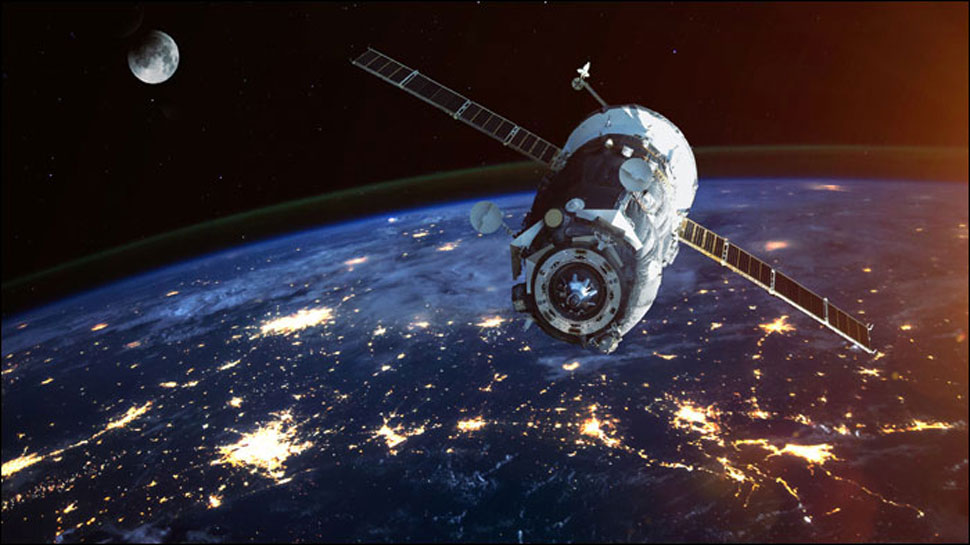
Original story: A doomed Chinese space station will fall to Earth later than expected due to changes in the sun's predicted activity, the European Space Agency's (ESA's) Space Debris Office in Germany predicted.
An updated ESA forecast issued today (March 30) said the 8.5-metric-ton (9.4 tons) space lab will fall to Earth later in the day on April 1. That's because the sun's activity is weaker than expected, ESA explained.
Tiangong-1's orbit takes the station very close to Earth's atmosphere right now. When the sun is more active, charged particles from the solar wind hit Earth's atmosphere, ESA officials said. These particles make Earth's gases balloon farther into space, increasing the gas density at higher altitudes. These gases, in turn, affect the drag Tiangong-1 experiences as it circles the Earth
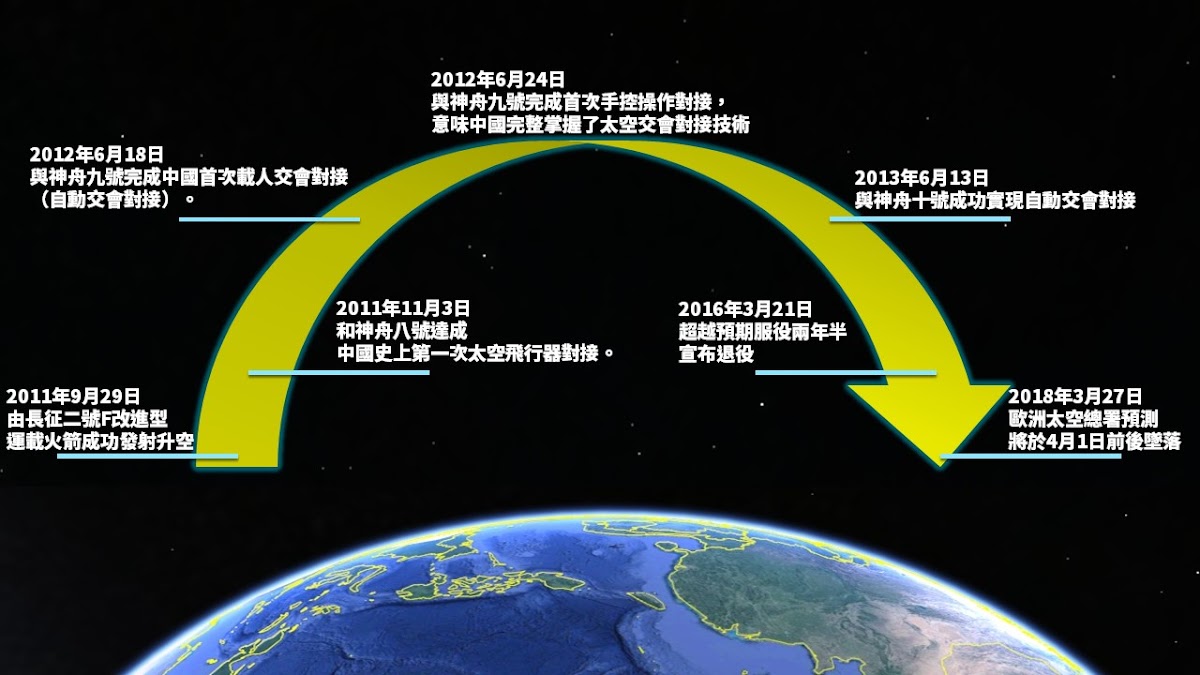
天宮一號的飛行軌道將在今後數月內逐步降低,最終主動離軌,墜入大氣層後將被燒毀,剩餘殘骸會落入指定的太平洋尼莫海域,不會對地面造成威脅。
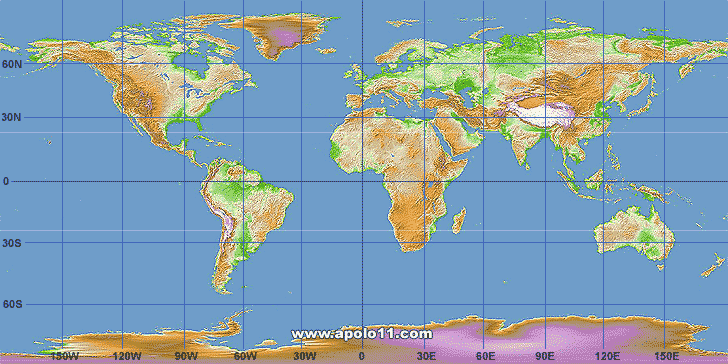

歐洲太空總署 (ESA)也同樣預測,指出天宮一號的墜落時間點將會在愚人節前後,而地點則可能在北緯43度至南緯43度之間。

IT’S A BIRD… This radar image of the Chinese Tiangong-1 space station was recently captured by scientists at Germany’s Fraunhofer FHR research institute. The craft is losing altitude and will burn up in Earth’s atmosphere sometime this weekend
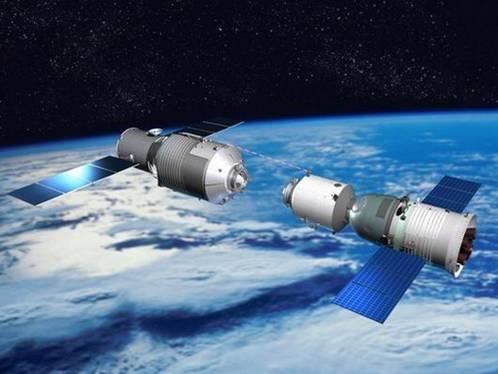
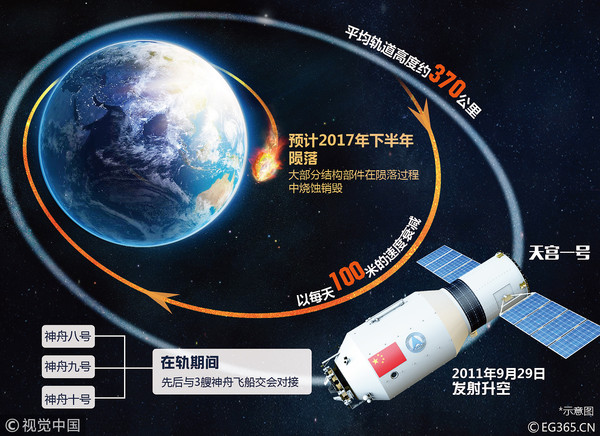
20110929日,天宮一號發射升空,20180326日,中國載人航太工程辦公室透露,天宮一號目標飛行器運行在平均高度約216.2公里的軌道上(近地點高度208.1公里、遠地點高度224.3公里),整器結構完整,即將再入大氣層燒毀。 經北京航太飛控中心和專業機構分析,預計天宮一號再入大氣層的時間在2018年3月31日至4月4日之間。
明白顯示出天宮一號已經完成任務,經過將近6年的時間停,留於太空中,進行各式各樣的宇宙探索及研究,功不可沒,功成身退重返地球.
China’s first space station, Tiangong-1, is expected to fall to Earth sometime between March 31 and April 1. No fooling.
Most of the 10.4-meter-long station will burn up as it zooms through Earth’s atmosphere. But some parts will survive and reach the ground, according to the European Space Agency’s Space Debris Office. No one can be sure where or when those pieces will hit. Even within hours of the station reaching the atmosphere, the final hit zone predictions will cover thousands of kilometers. ESA predicts that any latitude between 42.8° N (so as far north as Chicago) and 42.8° S (down to Tasmania) is fair game. The geometry of the station’s orbit means that the edges of that zone are more likely to be hit than the equator.

美國天文學家表示:太空站燃燒殘留的碎片將落往何處尚無法預測,如果落到人口密集的地方,將帶來災難。
那麼,事實真的有傳說的那麼可怕?天宮一號,眾說紛紜 ?
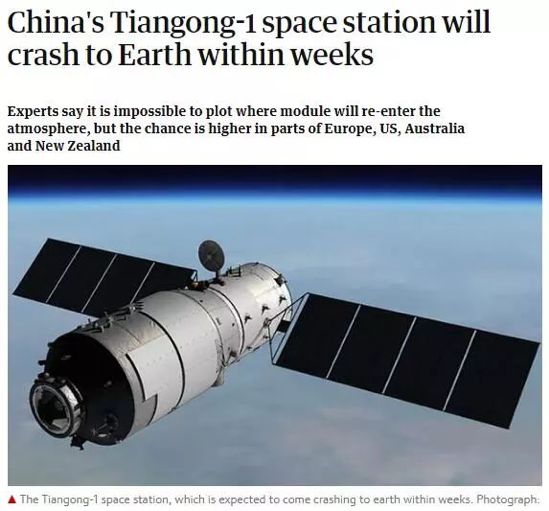
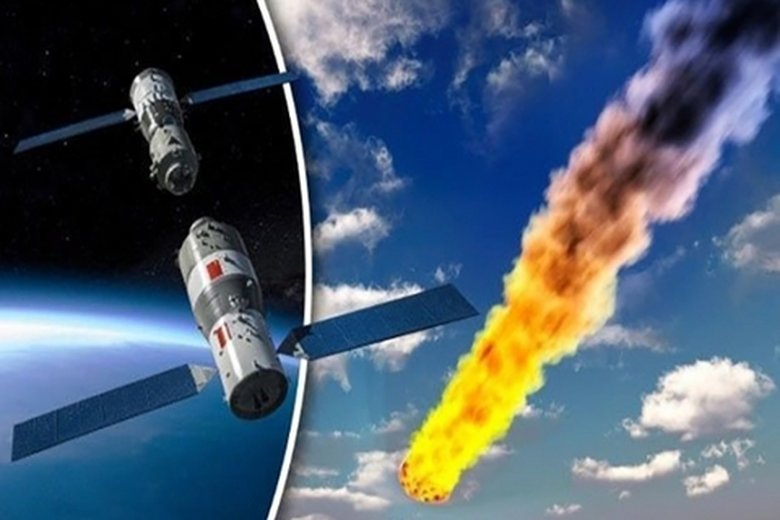
天宮一號是中國發展載人航太能力中的“適應、穩健的一步”,它極富象徵意義,是中國與其它國家共商全球航太問題的關鍵性舉動。天宮一號是“中國成為強國的標誌性元素”。

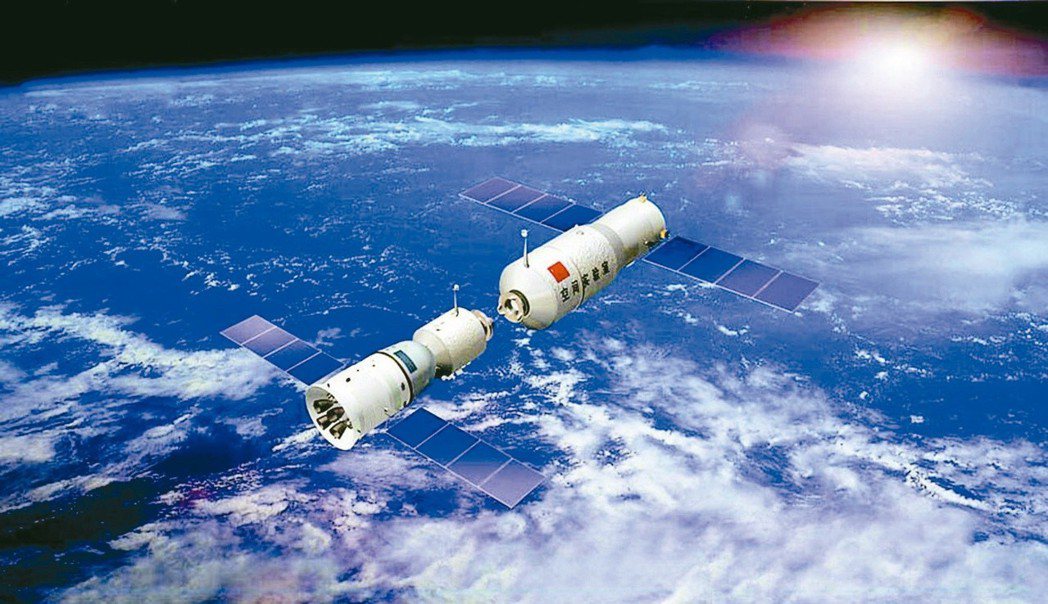
天宮一號在軌期間,先後與神舟八號、九號和十號飛船圓滿完成多次空間交會對接,並開展了一系列空間科學實驗和應用試驗,為中國的航太事業做出巨大貢獻。
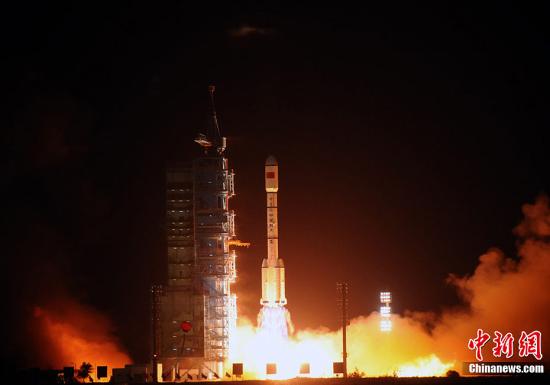
天宮一號發射升空北京時間2011年9月29日晚21時16分,中國在酒泉衛星發射中心載人航太發射場,用“長征二號F”T1運載火箭,將中國全新研製的首個目標飛行器“天宮一號”發射升空。


報導稱,衛星追蹤者、業餘觀星愛好者Thomas Dorman用望遠鏡、攝像機等設備追蹤天宮一號的活動,推測中國可能已失去對天宮一號的有效控制,所以,天宮一號“會成為向地球撞擊的一團金屬火球”。 英國《獨立報》等媒體聲稱,天宮一號在“自由落體”時,會像其它失控衛星一樣在地球大氣層中燒毀,因此,墜落地面的只是熔化的鐵塊,不會對地面產生嚴重撞擊。由於天宮一號體積巨大,墜落過程中,未完全燒毀的部分若落在居住區就會引發災難。
按計劃,中國將在2022年前後完成載人空間站的在軌組裝並投入運營,開展較大規模的空間科學實驗和技術試驗。換句話說中國不久之後會發射”天宮3號太空站實驗室”至太空中繼續執行任務,
Tiangong-1 was the first Chinese space station. After its launch in 2011, two crews of taikonauts (Chinese astronauts) visited the station, in 2012 and 2013. China remained in communication with Tiangong-1 until 2016. Since then, the station has been dropping slowly toward Earth for an inevitable, deadly (to the spacecraft) encounter with the atmosphere. China also has an active successor space station in orbit, called Tiangong-2, that launched in 2016.


