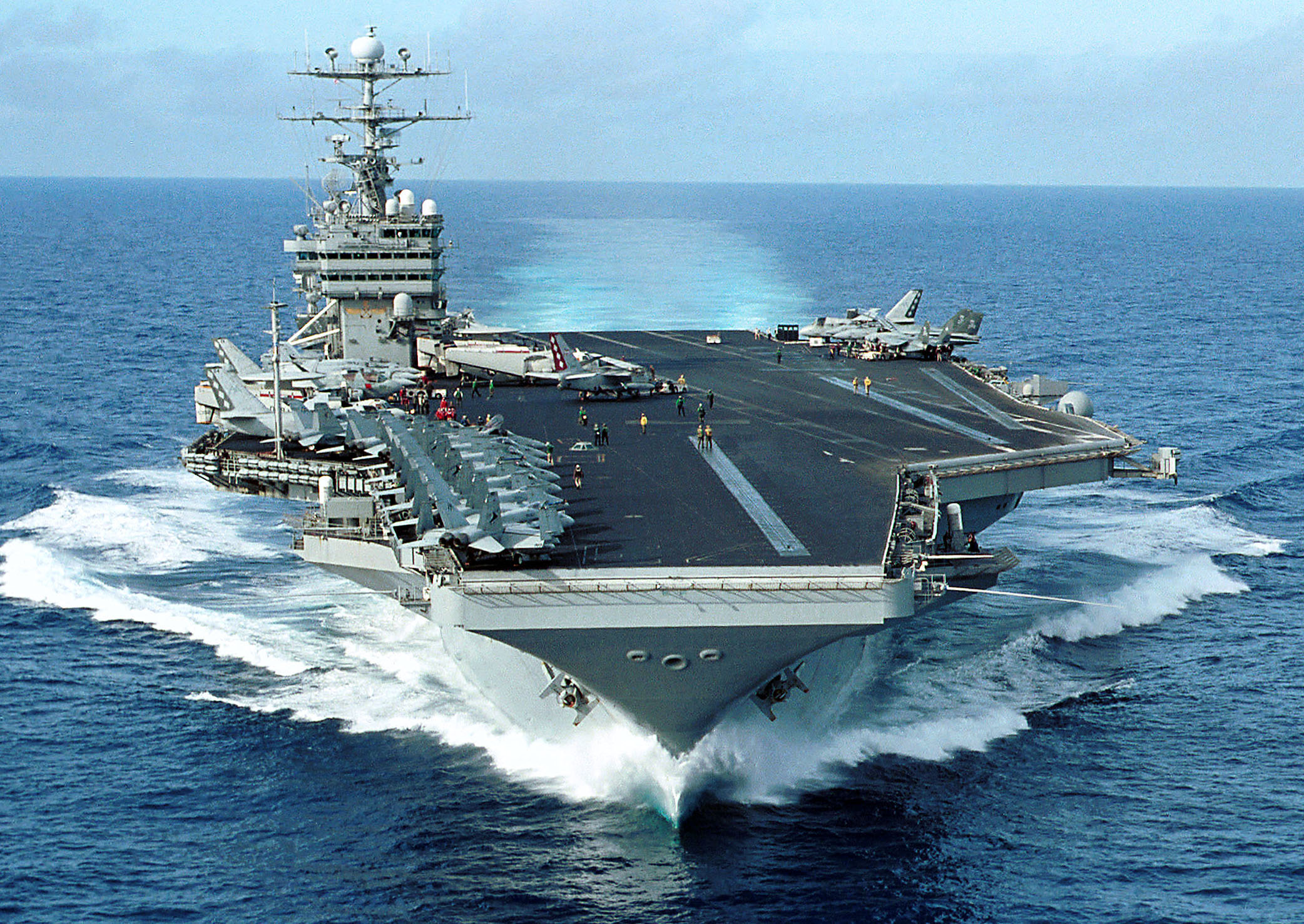
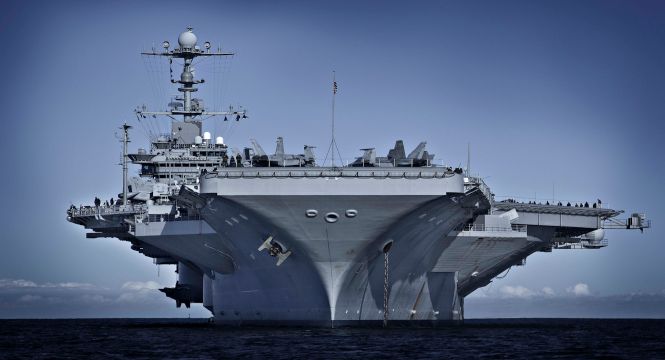
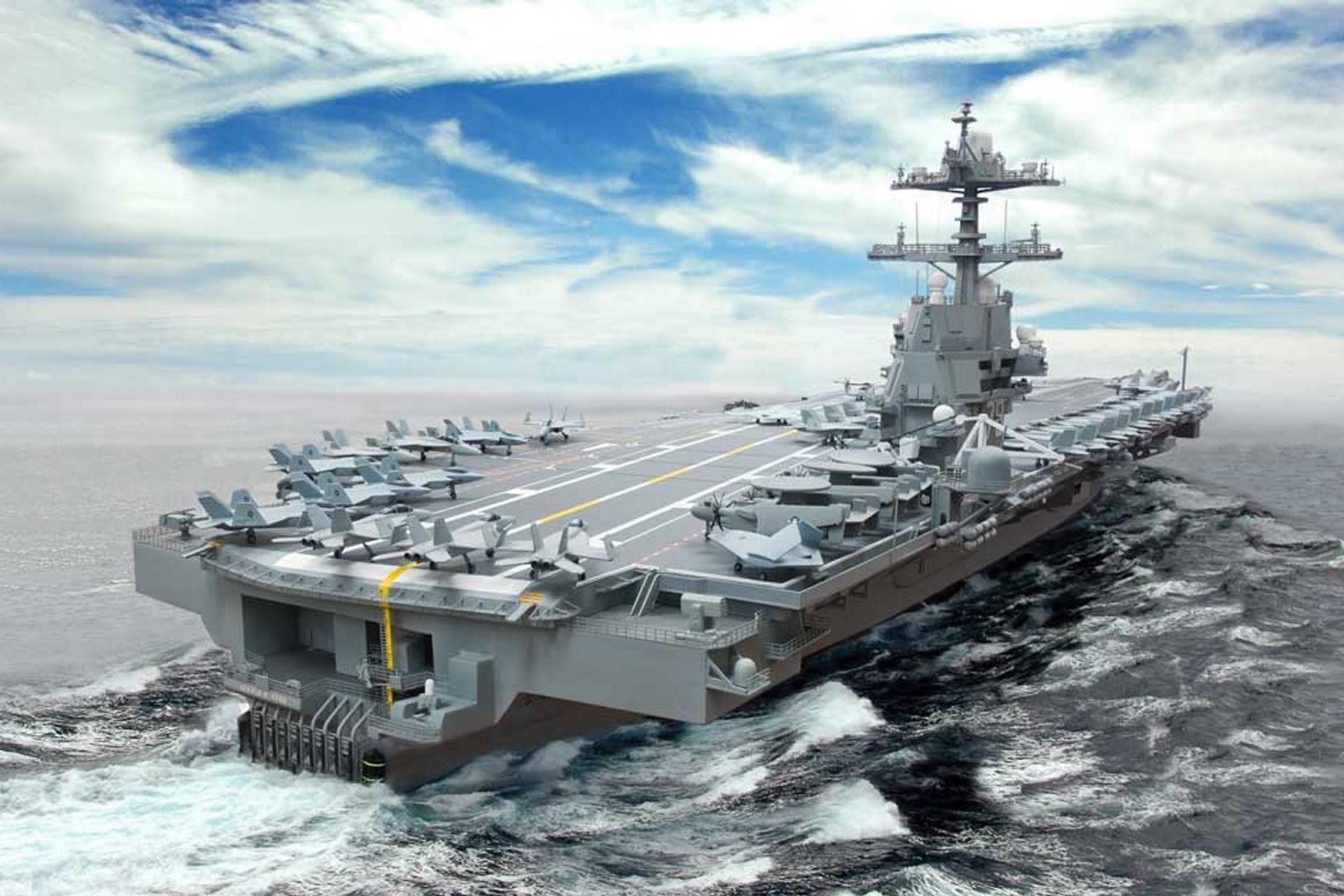
俄羅斯俄海軍專家康斯坦丁·西夫科夫的話說,中國第2艘航母下水只是個開始,第3艘航母的龍骨現在也已鋪設完畢,大約2018年左右就可下水。然後,中國還將建造第4、5、6艘航母。西夫科夫認為,中國大造航母不是為了對付俄羅斯,而是為了應對美國的威脅。
另一位俄羅斯軍事專家亞歷山大·馬納欽斯基也認為,中國有漫長的海岸線和日益增長的海上貿易,這就需要海軍來保護,而經濟崛起也使得中國有足夠的資源來擴充海軍實力。馬納欽斯基還指出,中國對中國而言,通過航母來加強海上作戰力量是現實的、必要的和大有前景的。
從需要來講,中國未來讓航母建造總數達到6艘並不算多。按照國際上關於航母的使用原則,一般是3艘航母才能保持有1艘航母隨時可用,那麼6艘的話將能夠保持有2艘航母隨時可用。在實際作戰時,航母只有在應對低烈度戰爭時才用單航母編隊,應對中高強度戰爭時至少是雙航母編隊。
中國到底需造多少艘航母才不怕美七大艦隊?美專家說真話切中要害 ..與單航母編隊相比,雙航母編隊的好處不只是打擊能力提高,而是靈活性大為增加。因為在對手實力較強的情況下,單航母編隊既要攻擊又要防禦,任務負擔會非常重,有可能顧此失彼而導致航母陷入危險。
而雙航母編隊則能讓1艘航母專注於攻擊,另1艘航母專注於防禦,這樣攻防兩方面都能兼顧,而且還可以根據情況靈活選擇加強攻擊或防禦力量。此外,如果一艘航母在戰鬥中受損,另1艘航母還能繼續實施掩護,防止對方藉機對受損航母發起更猛烈的攻擊。
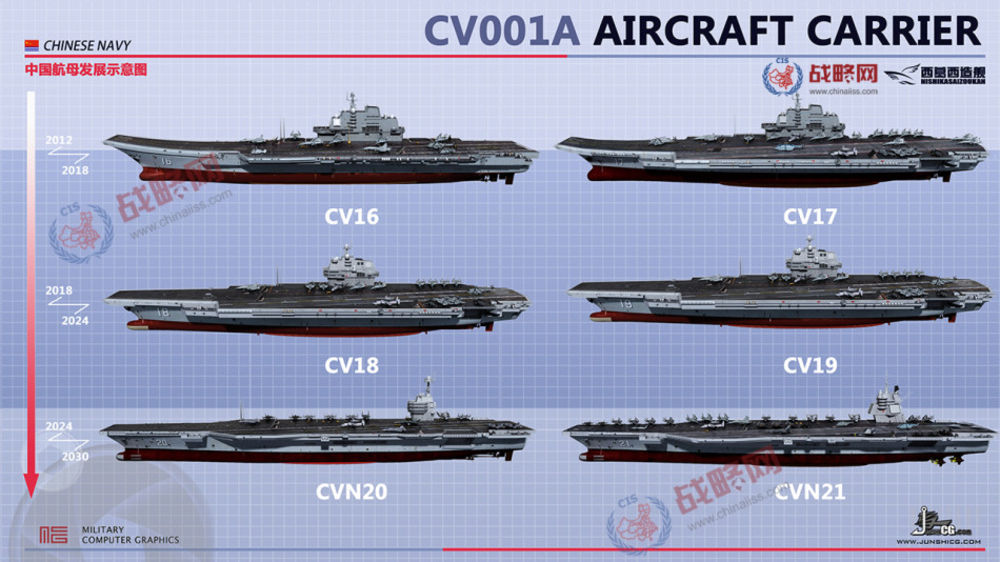
This fan art of the current and next five Chinese aircraft carriers is actually based off of models from an official PLAN exhibition in 2014. It shows the Liaoning, the under-construction CV-17, and the next four catapult-equipped aircraft carriers (conventionally powered CV-18 and CV-19, and nuclear powered CV-20 and CV-21). Needless to say, despite their official inspirations, future Chinese aircraft carriers could differ in many ways from these drawings.
The design of CV-17 model still bore some characteristics from Liaoning. But CV-18 and CV-19 were completely different.
CV 17 has a length of 315 meter, width of 75 meter, draft of 9 m, and cruising speed of 31 knots. It also has a ski jump like Liaoning. It is credited with a standard displacement of 65,000 tonnes and a full displacement of 80,000 tonnes. It looks similar to the US Nimitz class.
CV 18, meantime, is 330 meter long and 76 meter wide, with a standard displacement of 88,000 tonnes and full displacement at 101,800 tonnes. It is similar to the US Ford class.
從航母類型上分析,中國不會將滑躍型航母的數量建造太多,可能從第3艘或者第4艘開始將轉為彈射型航母。目前,中國正在陸上同時試驗蒸汽彈射器和電磁彈射器,雖然現在還很難判斷中國未來會在第一艘彈射型航母上採用哪一種彈射器,但由陸上彈射器試驗已可看出中國發展彈射型航母的雄心。與滑躍型航母相比,彈射型航母的載機數量和種類都更多,航空作戰能力更強。特別是彈射型航母能夠搭載和使用固定翼艦載預警機,這將大幅提升航母編隊的信息感知和指揮控制能力,進一步擴展艦載戰鬥機的作戰範圍。
未來,中國海軍造艦將會繼續以這種均衡發展、體系配套的模式進行下去。主要變化將是確立以航母為核心的戰鬥群作為遠海作戰主力。遼寧艦、001A航母以及將要建造的002型航母等將使中國海軍的航母實力不斷增強,並輔之以055D型驅逐艦、052C/D型驅逐艦、054A型護衛艦、093B型攻擊核潛艇,094戰略核潛艦等,形成攻防能力強大的航母戰鬥群,在遠海遂行任務。
China will soon start building its second locally designed aircraft carrier in Shanghai. It would be China’s third aircraft carrier.The third aircraft carrier in Shanghai is expected to be completed around 2021.
New aircraft carriers will have electromagnetic catapults. The catapults will allow the J-15 fighter jets to lift off with full twelve tons of weapons, while currently they can only use the Liaoning ramp to lift off with 2 tons of weapons.
Chinese experts believe that China’s J-15 carrier-based fighter is better than India’s Russian-built MiG-29, Kanwa said the Chinese fighter is still under development. The MiG-29 has been used in various aerial operations, and China admits that the J-15 will not be fully ready before 2020. Moreover, it remains unclear whether China is capable to operate the J-31, its second stealth fighter still in development, from aircraft carriers.
China planning three aircraft carriers and eventual path to nuclear carriers that will copy US supercarrier tech.

Another issue at the center of speculation is whether the new carrier will be nuclear-powered. Nuclear-powered aircraft carriers have been the backbone of the US Navy since 1961, when it deployed the Enterprise, the world’s first nuclear-powered aircraft carrier. The US Navy believes that there are many advantages to using nuclear carriers over conventional carriers, since a similar amount of nuclear fuel can provide millions of times more energy than coal or oil, with the high power density allowing more space for fuel, ammunition and other supplies.
China is considering developing three large nuclear-powered aircraft carriers, the designs of which were found similar to the Nimitz- and Ford-class carriers of the United States.
China will make more aircraft carriers and carrier groups til they get a global blue water forceChina is also adopting a concerted strategy in developing a CBG (Carrier Based Group). They are paying close attention to how established carrier navies operate such forces. As such, while developing the carrier, efforts are long afoot to develop a slew of other capabilities that can help constitute a full-fledged CBG. Notably, the Chinese are churning out new major surface combatants, such as the Type-052C/D Luyang II/III guided missile destroyers and Type-054A .
China’s continues work to nuclear aircraft carriers and launches new stealth missile frigates
China probably kicked off a research program aimed at developing nuclear reactors to power its future aircraft carriers.China’s planed homemade carriers are said to be based on the Liaoning’s design and will incorporate lessons learned from operating the “starter carrier,” as she has been called. Media reports have suggested that the first two locally built carriers will be conventionally-powered and enter service around 2015, with a third nuclear-powered vessel possibly entering service around 2020.


