The recognition of this political imperative will guide the work of the International Committee in this centenary year. As the development of the international class struggle creates a broader audience for Marxist theory and politics, the International Committee will do all that it can to expand knowledge of the Russian Revolution and educate new layers of the working class and youth, politically awakened and radicalized by the crisis, in the “Lessons of October.”
As 2017 begins, we call on the many thousands of readers of the World Socialist Web Site to become active in the revolutionary struggle and to join and build the Fourth International as the World Party of Socialist Revolution. This is the most appropriate and effective way to celebrate the 100th anniversary of the Russian Revolution and the victory of October 1917.



2. The trigger point for this was anti-Bolshevik violence by the Left SRs and an attempt on Lenin’s life in August 1918.
3. The Terror targeted suspected counter-revolutionaries, including Whites, tsarists, liberals, clergy and kulaks.
4. Some Bolsheviks portrayed the Terror as a class war, an attempt to purge Soviet Russia of bourgeois elements.
5. Historians debate whether the Terror was a Bolshevik response to the increasing opposition of mid-1918, or whether it was inevitable, given the history, ideology and methodology of the Bolshevik movement before it seized power.


十月革命(俄語:Октя́брьская револю́ция,羅馬化:Oktyabr'skaya revolyutsiya,IPA:[ɐkˈtʲæbrʲskəjə rʲɪvɐˈlʲʉtsɨjə]),內戰獲勝的紅軍一方稱為「偉大的十月社會主義革命」(俄語:Вели́кая Октя́брьская социалисти́ческая револю́ция,羅馬化:Velikaya Oktyabr'skaya sotsialisticheskaya revolyutsiya),又稱紅十月、十月起義、列寧革命或布爾什維克革命,是1917年俄國革命經歷了二月革命後的第二個階段,推翻了以克倫斯基為領導的俄國臨時政府,建立布爾什維克領導的政府。十月革命發生於1917年11月7日(儒略曆10月25日)。
這場革命跟隨並且利用了發生於同年的二月革命,那場革命推翻了沙皇專制並建立了以貴族和前貴族為主體組建的臨時政府。此時城市工人開始組建委員會(俄語稱「蘇維埃」),其中革命者批評臨時政府及其行動。發生於彼得格勒的十月革命推翻了臨時政府並給當地俄國社會民主工黨中占據多數(俄語稱「布爾什維克」)的派別控制的蘇維埃賦予了權力。緊接著開始建立世界上第一個宣稱社會主義的國家俄羅斯蘇維埃社會主義聯邦共和國。隨著這場革命未能得到彼得格勒以外地區的廣泛承認,俄國內戰(1917–1922)爆發並於1922年建立蘇聯。
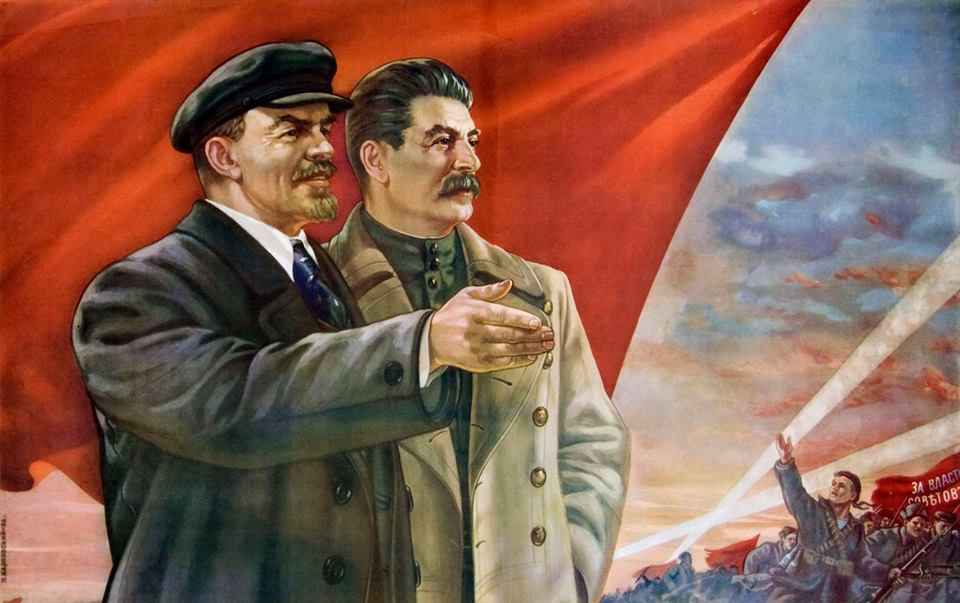
2. Born to a politically informed and liberal family, Lenin’s brother was executed for plotting against the tsar.
3. The young Lenin became involved in radical student groups and eventually joined the Marxist SDs.
4. He believed that socialist revolutionary parties should be small, run only by ‘professional revolutionaries’.
5. Lenin’s ideas led to the formation of the Bolshevik faction of the SDs, which became their own party and challenged the Provisional Government for control of Russia in 1917.

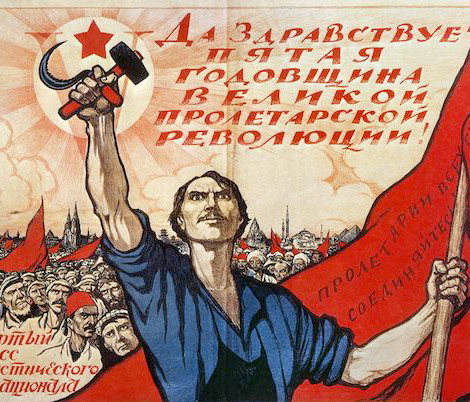

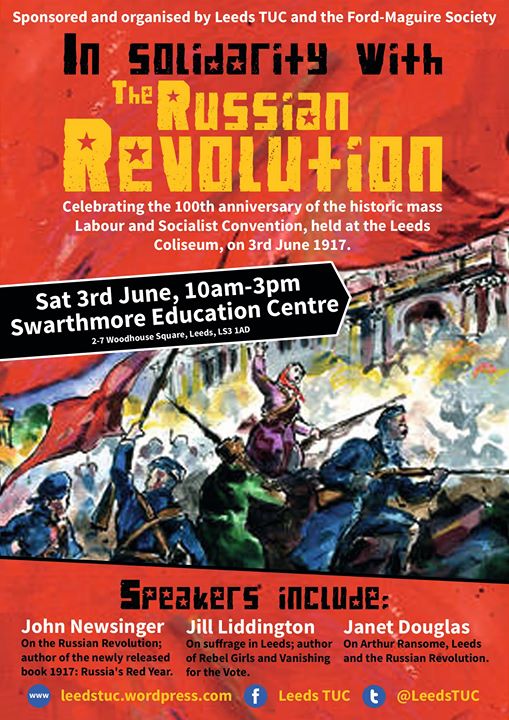

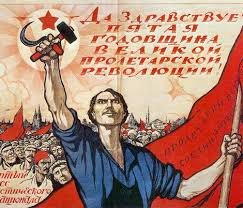
俄羅斯君主制在1917年前結束,在100年內俄羅斯發生了2次革命,導致蘇聯建立,一勞永逸地改變了俄羅斯的歷史。
但是100年後俄羅斯似乎對於如何對待1917年的動蕩歲月糾結不已,當時的革命導致最後的沙皇尼古拉二世退位日後全家被處決,幾個月後共產主義政權建立。
在蘇維埃政權長達80年的統治中,格林姆林宮每年都舉辦紀念布爾什維克的十月革命週年,並且對沙皇時代進行批判。
但是在1991年蘇聯解體後,俄羅斯發生了180度的轉變,羅曼諾夫王朝被封聖,一些人不再將那時候的動蕩年月當作勝利,而是給俄羅斯帶來長期流血和苦難的悲劇。
在革命一百週年之際,俄羅斯計劃擴大舉行慶祝活動,各種研討會,展覽和藝術節,但是至少到目前為止沒有跡象會有盛大的慶祝活動。聽說俄羅斯因故凍結活動經費預算?
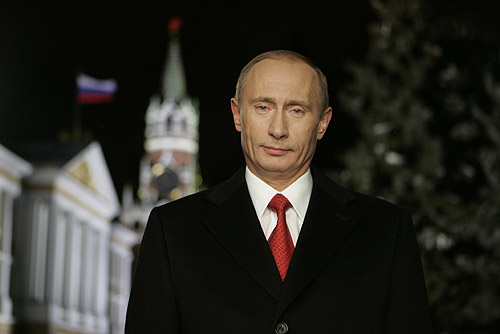
僅有少數退休蘇聯共產黨CCCP以及蘇聯共青團人士,們依然定期聚會,論時勢,緬懷失去的美好時代,前俄羅斯共和國由強人普京任領導人,希望借由改革開放等措施,救俄羅斯不佳的經濟情勢,僅管普京有能力有抱負,是他的施政團隊,不完工澈底執行普京的施政原則,為過去蘇聯共產主義的包袱,不是1朝1夕就可以完全拋棄不理睬,普京希望在緯位20年,為普京企圖恢復過來昔時沙皇的榮耀?


Октя́брьская револю́ция (полное официальное название в СССР — Вели́кая Октя́брьская социалисти́ческая револю́ция, иные названия: «октябрьский переворот»[2], «Октябрьское восстание», «большевистский переворот») — одно из крупнейших политических событий XX века, произошедшее в России в октябре (по новому стилю — в ноябре) 1917 года и повлиявшее на дальнейший ход всемирной истории. В результате революции началась Гражданская война в России, было свергнуто Временное правительство и к власти пришло правительство, сформированное II Всероссийским съездом Советов, абсолютное большинство делегатов которого составили большевики (РСДРП[б]) и их союзники левые эсеры, поддержанные также некоторыми национальными организациями, небольшой частью меньшевиков-интернационалистов, и некоторыми анархистами. В ноябре 1917 года новое правительство было поддержано также большинством Чрезвычайного Съезда крестьянских депутатов.
Временное правительство было свергнуто в ходе вооружённого восстания 25—26 октября (7—8 ноября по новому стилю), главными организаторами которого были В. И. Ленин, Л. Д. Троцкий, Я. М. Свердлов и др. Непосредственное руководство восстанием осуществлял Военно-революционный комитет Петроградского Совета, в который входили также левые эсеры. Успех восстания предопределили поддержка значительной части народа, бездействие Временного правительства, неспособность меньшевиков и правых эсеров предложить реальную альтернативу большевизму.


- 賀中國機車獲得 2026 年WSBK 機車比賽雙料冠軍. CHINA motocycle get 2026 WSBK .world championship
- 俄羅斯參戰協助伊朗 2艘 SSBN. 戰略核潛艦 奔向赫摩斯海峽抵抗美國
- coffee & books.
- 烏干達協助以色列加入對伊朗戰爭。Uganda joins Israel in war against Iran
- 伊朗牛逼 首次發射4000公里彈道飛彈 攻擊印度洋狄耶戈加西亞英美基地 Iran denies responsibility for missile attacks on Diego Garcia.
- 以色列 美國炸毀伊朗 清真寺 (聯合國教科文組織世界文化遺產) .


